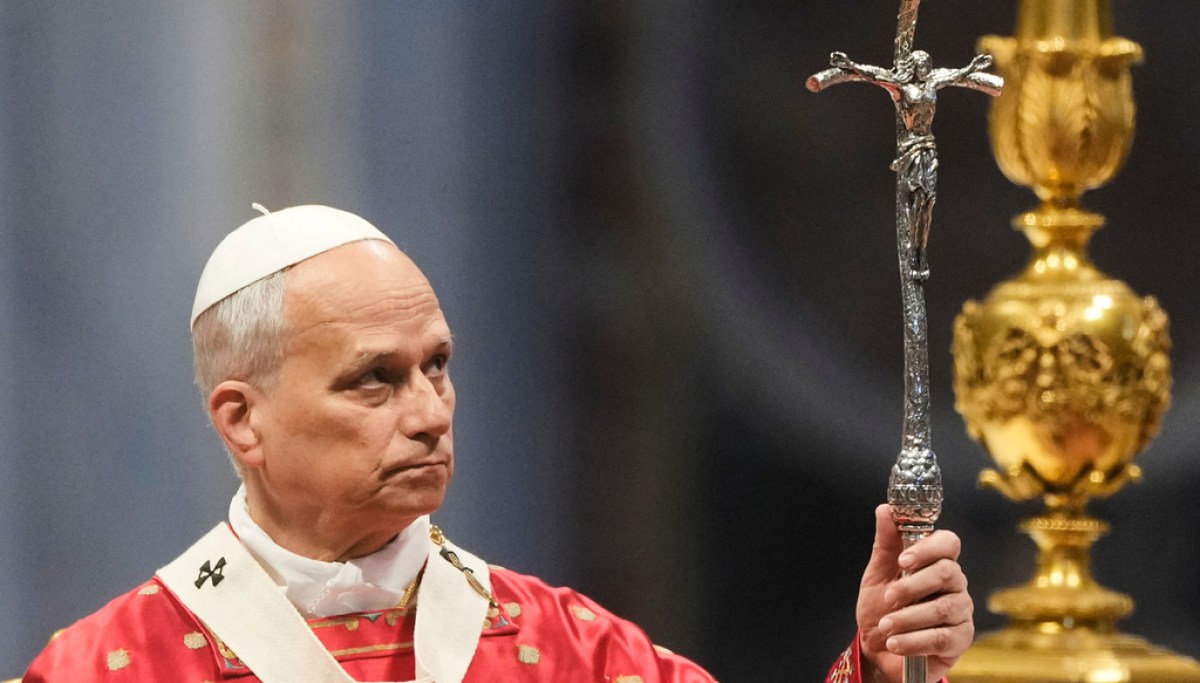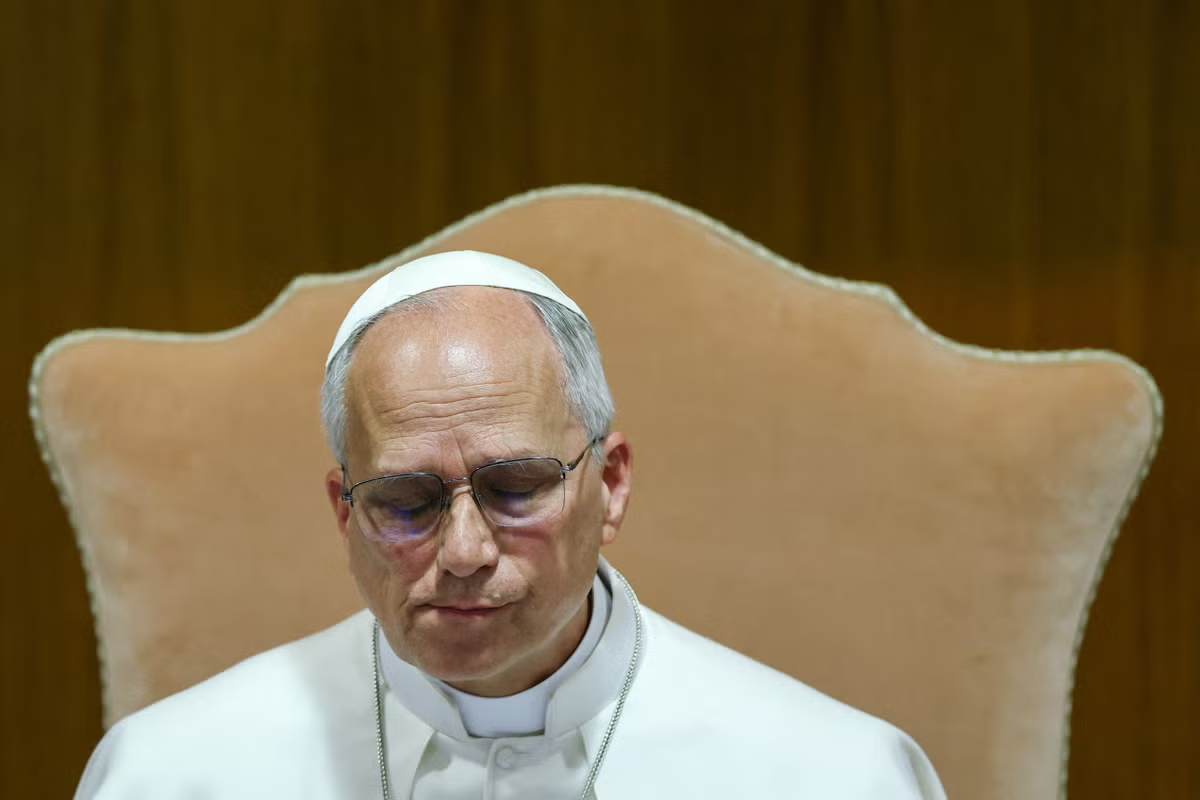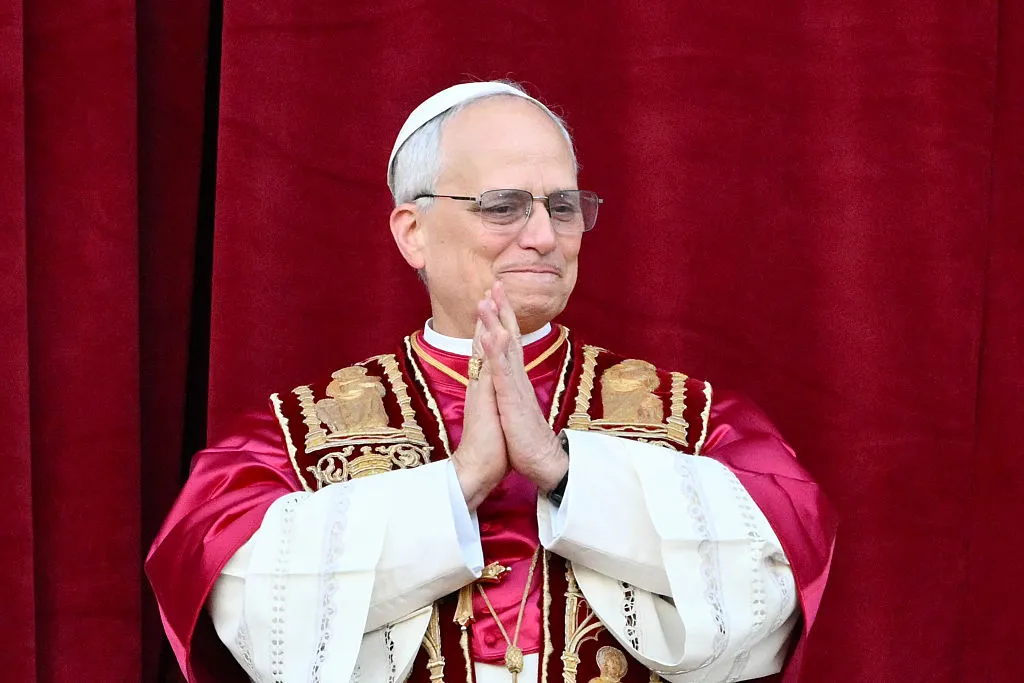
I was born into a sternly Presbyterian culture. Politically, I’m more Orange than Donald Trump’s skin tone. But today I am on my knees giving thanks to the Pope.
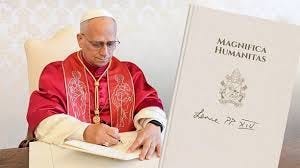
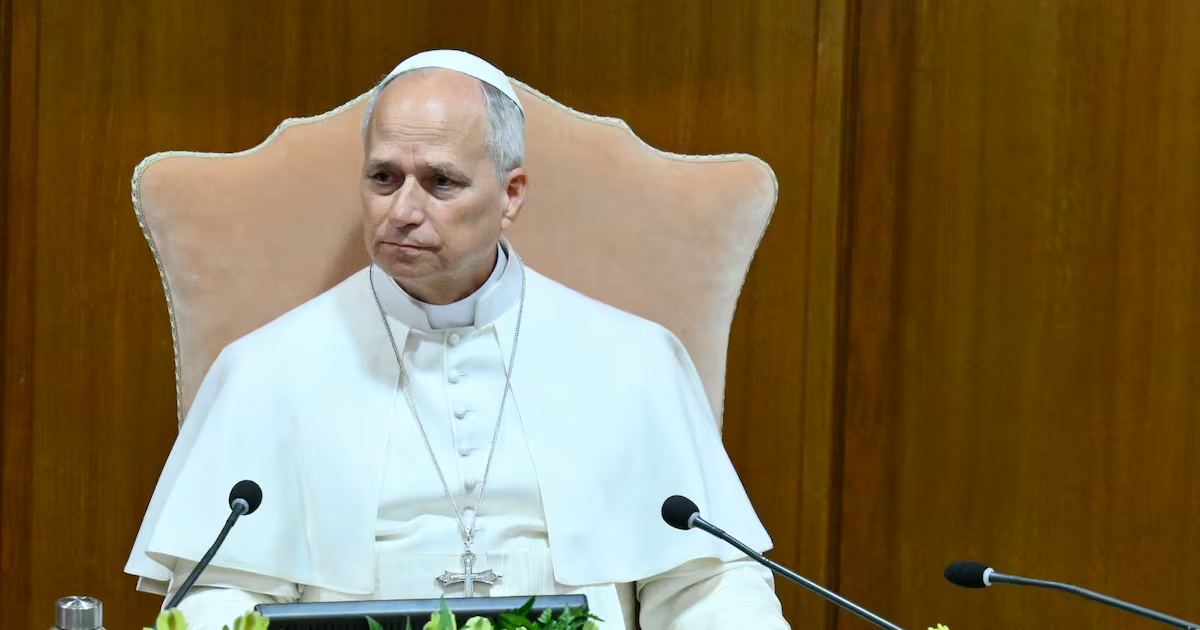
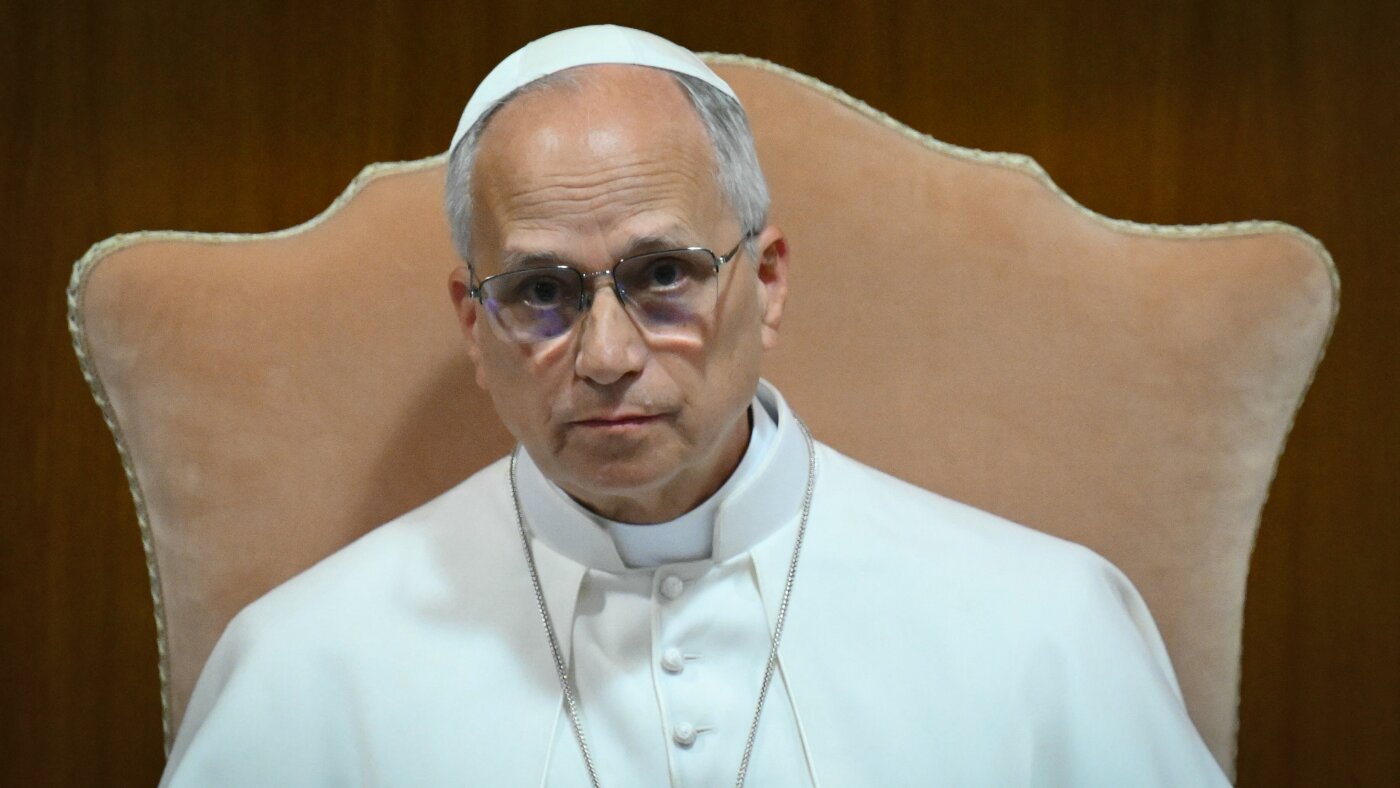
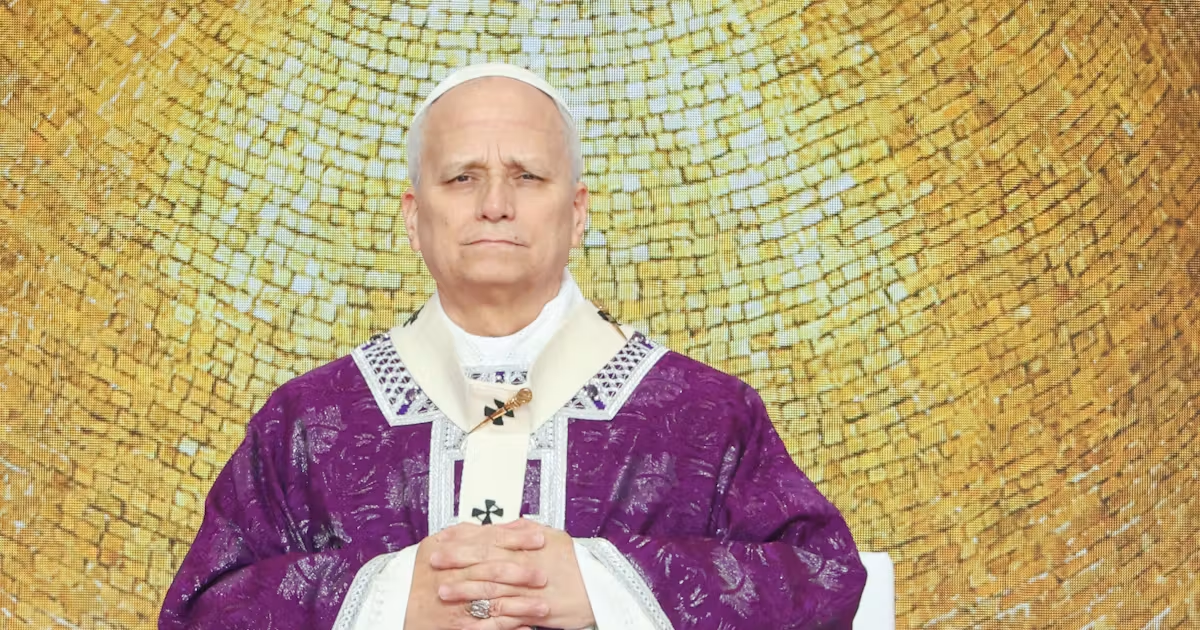
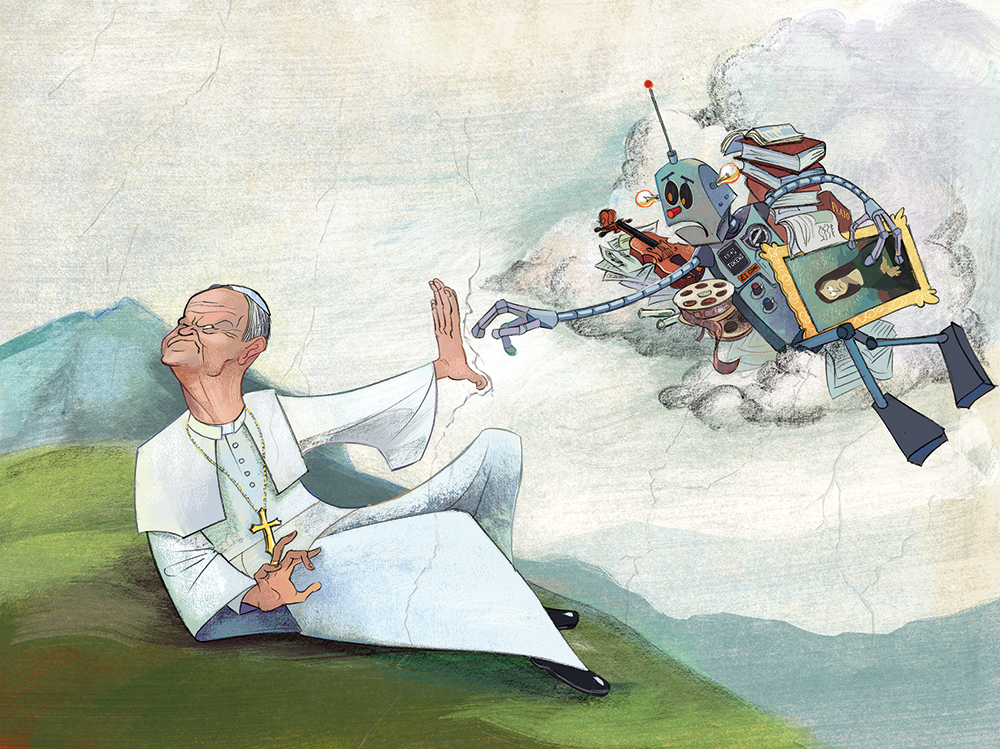
He has produced the most powerful political document of the year, taking on the greatest challenge of our times. His first encyclical, Magnifica Humanitas, deals with the changes which will be wrought to all our lives by artificial intelligence in the months and years ahead. AI will transform our economies and societies massively and irrevocably; it will change what it means to be human; it may even mark the end of humanity itself. If it takes the Pope to alert us to this revolution then perhaps the Reformation wasn’t such a good idea after all.
The document is deliberately cast as a successor to Leo XIII’s landmark encyclical, Rerum Novarum, published 135 years ago, which outlined a distinctive approach – Catholic Social Thought – to the challenges of industrialisation and the contending ideologies of socialism and free market capitalism.
Decisions about where this technology is going and how it might be used are concentrated in perilously few hands
AI will bring changes to all our lives every bit as transformative as the Industrial Revolution two centuries ago. It is not like any other technological breakthrough – because it is a technology that has the capacity to improve itself, to grow, learn, master and control. The speed at which AI is out-pacing human ingenuity is giddy. Many of us are familiar with Moore’s Law – the observed ability of computer chips to double their processing capacity every two years. Until recently, AI was able to double its ability to complete any human task in a set number of man hours every seven months. Now the time taken for that same – exponential – leap in power is just three months.