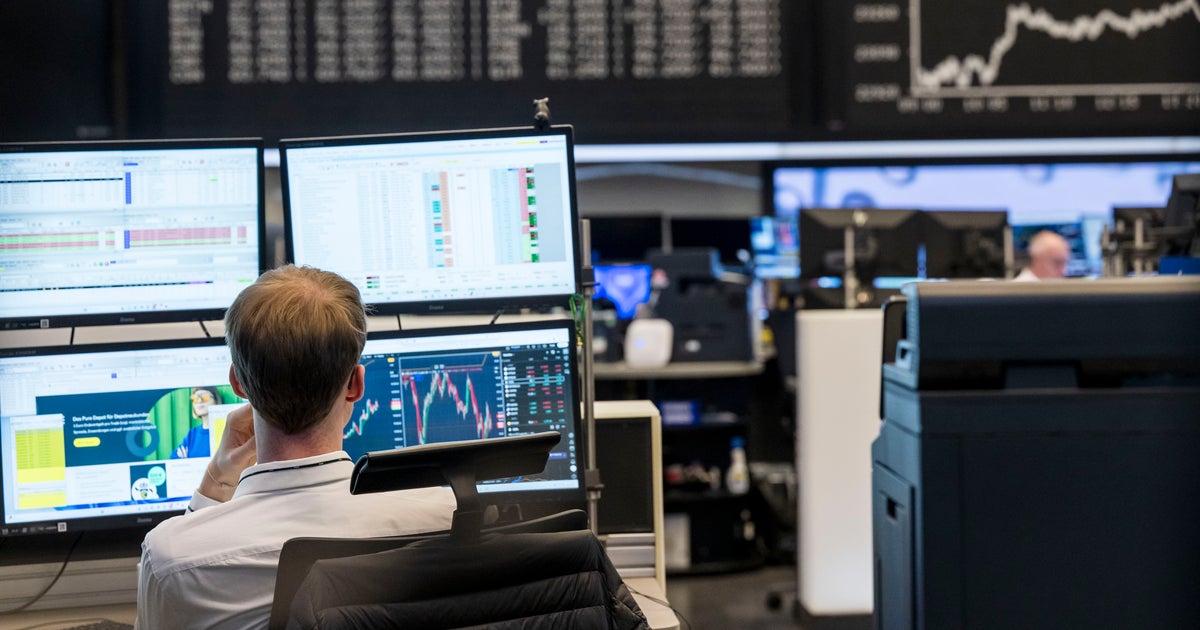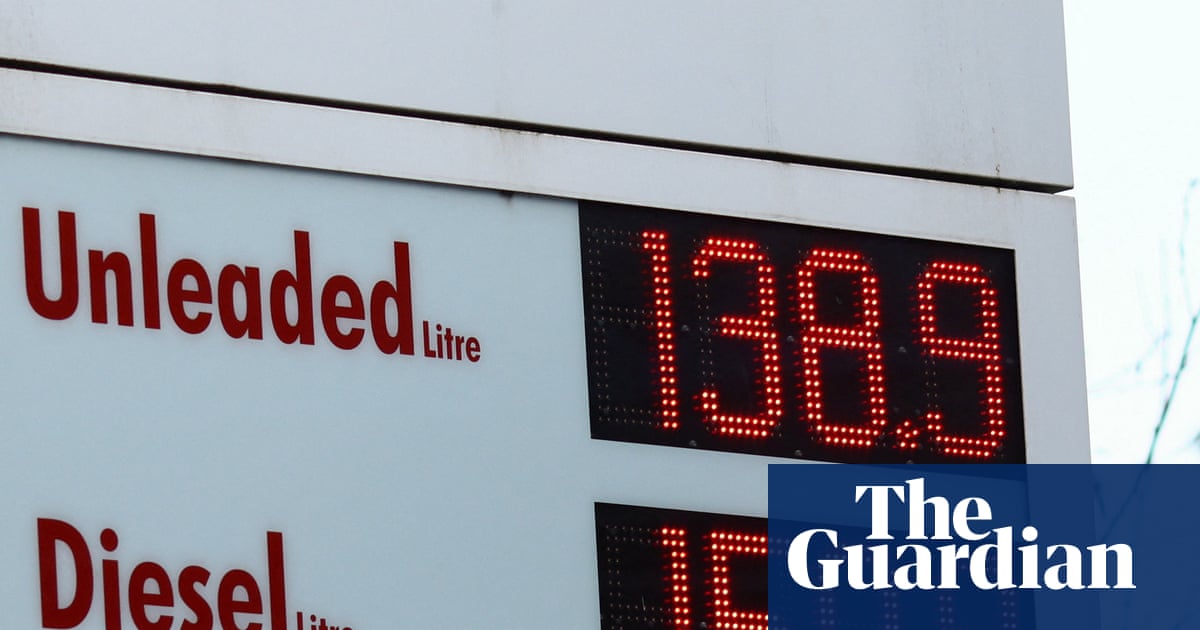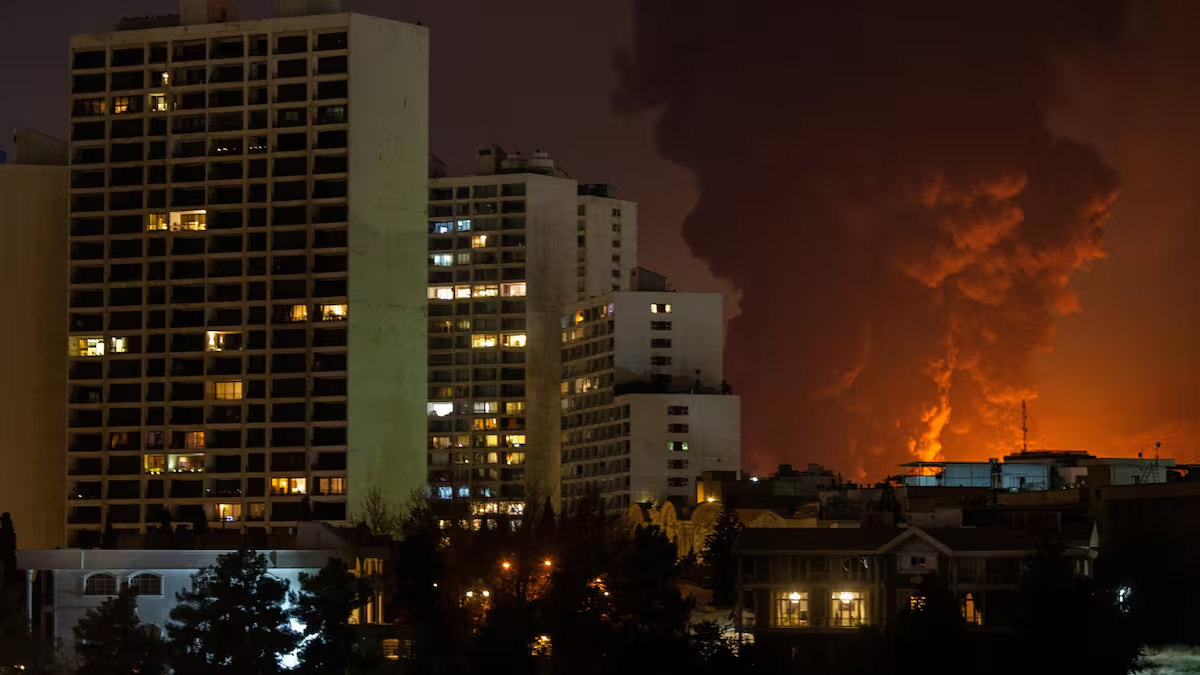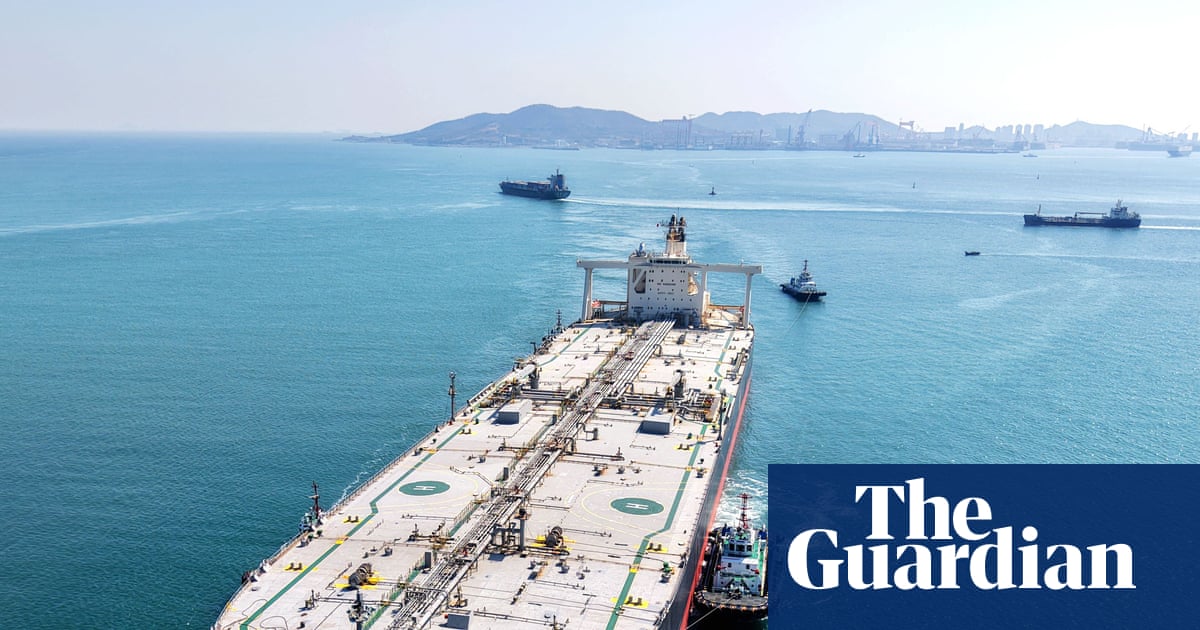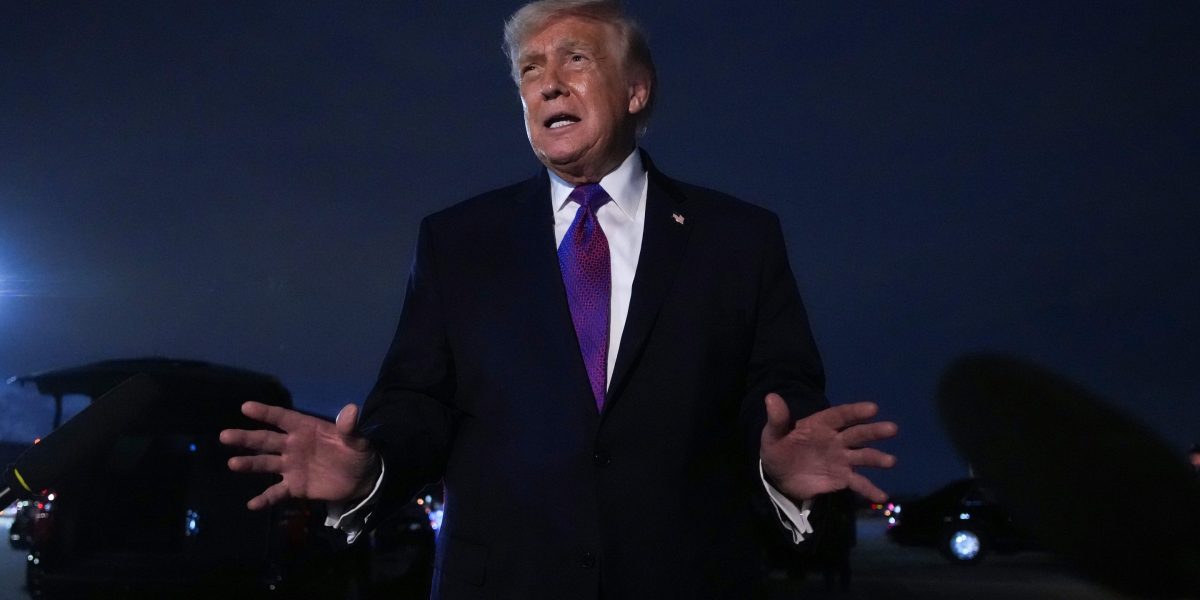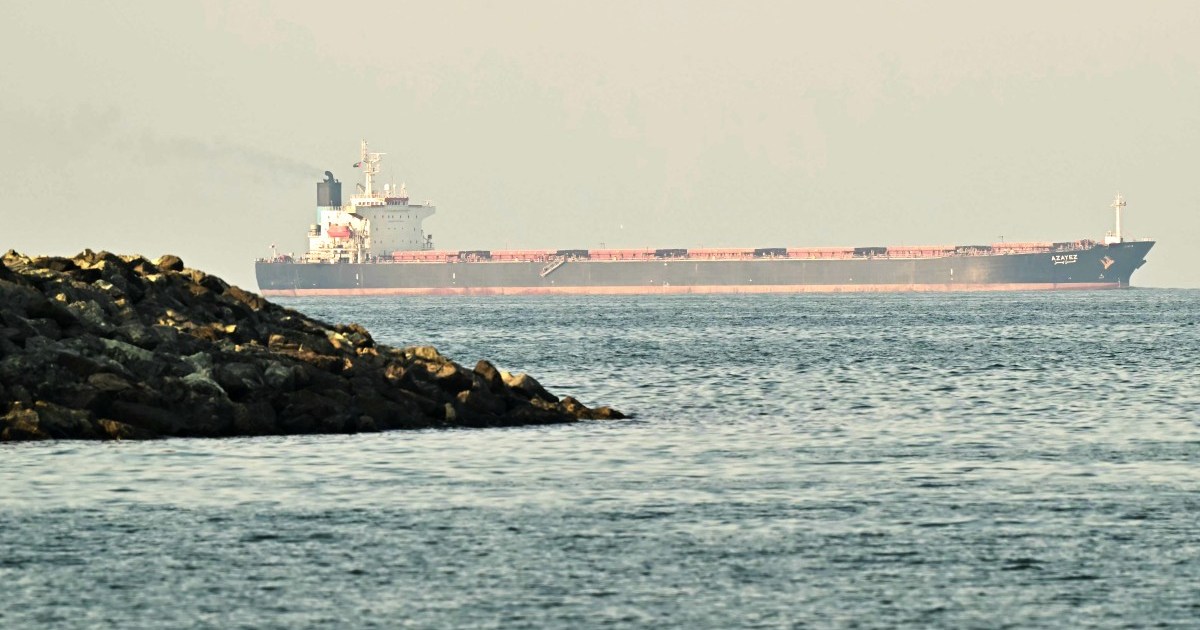
Illustration: Aïda Amer/AxiosProminent economists have warned for years that the low-volatility era of the 2010s has given way to a more fractured era, defined by trade wars, real wars and recurring supply shocks that policymakers are poorly equipped to manage.The Iran war leaves little doubt that this analysis is correct.Why it matters: The war is pushing up energy prices and rattling markets — something that central banks can't neutralize with an interest-rate tweak.If these types of disruptions persist through the 2020s, policymakers face harsher trade-offs, higher volatility and a global economy that's structurally less stable.Driving the news: Fallout from the Iranian conflict is playing out in financial markets — the S&P 500 tumbling 2%, crude oil spiking 8%, and more — after President Trump signaled a potentially protracted war."We're already substantially ahead of our time projections. But whatever the time is, it's OK," Trump said Monday, adding that the U.S. was willing to do "whatever it takes." Those comments came before reports of a potential blockade in the Strait of Hormuz, a critical passageway for tankers carrying about a fifth of the world's oil supply.Flashback: It raises the risk for the type of supply disruption that has repeatedly been threatened by a slew of shocks over the past six years.It's more difficult for central bankers and fiscal policymakers to counter events that are sudden, external and unpredictable — a feature of a more "shock-prone economy" that European Central Bank president Christine Lagarde has warned about, including in a speech in 2023. "[W]e may be entering an age of shifts in economic relationships and breaks in established regularities. For policymakers with a stability mandate, this poses a significant challenge," Lagarde said in a speech at the annual gathering of central bankers in Jackson Hole, Wyoming."In the pre-pandemic world, we typically thought of the economy as advancing along a steadily expanding path of potential output, with fluctuations mainly being driven by swings in private demand. But this may no longer be an appropriate model," Lagarde added. The intrigue: The Iran war is colliding with a once-in-a-generation technological shift. A prolonged conflict would threaten energy supplies, potentially scrambling the very foundation on which the AI boom rests. No one knows how the forces will interact."A renewed burst of inflation — akin to what we saw in 2022 and 2023 in the fallout from the Russia-Ukraine War — could upend global growth this time because of the dependence of the AI-based growth technologies [that] depend upon cheap energy and electricity," Thierry Wizman, a rates strategist at Macquarie Group, wrote in a client note.
Iran war fallout: Shock-hit economy rattles policymakers
The war is pushing up energy prices and rattling markets, which central banks can't neutralize with an interest-rate tweak.
429 words~2 min read