The global economy has withstood plenty of turmoil in the past few years, staving off a widely predicted recession in 2022, but the most recent conflict to break out in the Middle East could be one step too far for a world that was already starting to show some economic cracks.
Renewed conflict in Iran has already rattled global markets since U.S. and Israeli attacks began on Saturday. On Tuesday, the S&P 500 fell more than 1.5%. International investors weren’t spared either, with indexes falling sharply in London, Hong Kong, and Tokyo, to name a few.
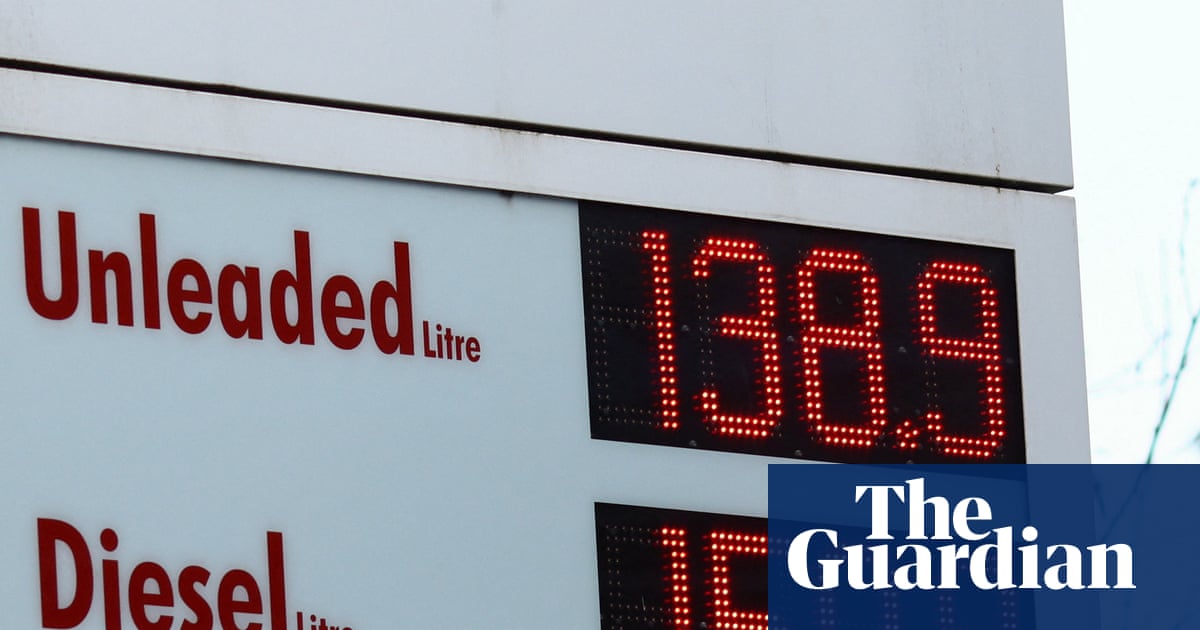
Market mayhem could just be the start of it if the war drags on and spreads farther into the Middle East. A protracted and messy conflict with multiple belligerents could push energy prices upward around the world, raising inflation and grinding growth to a halt, a toxic economic cocktail known as stagflation.
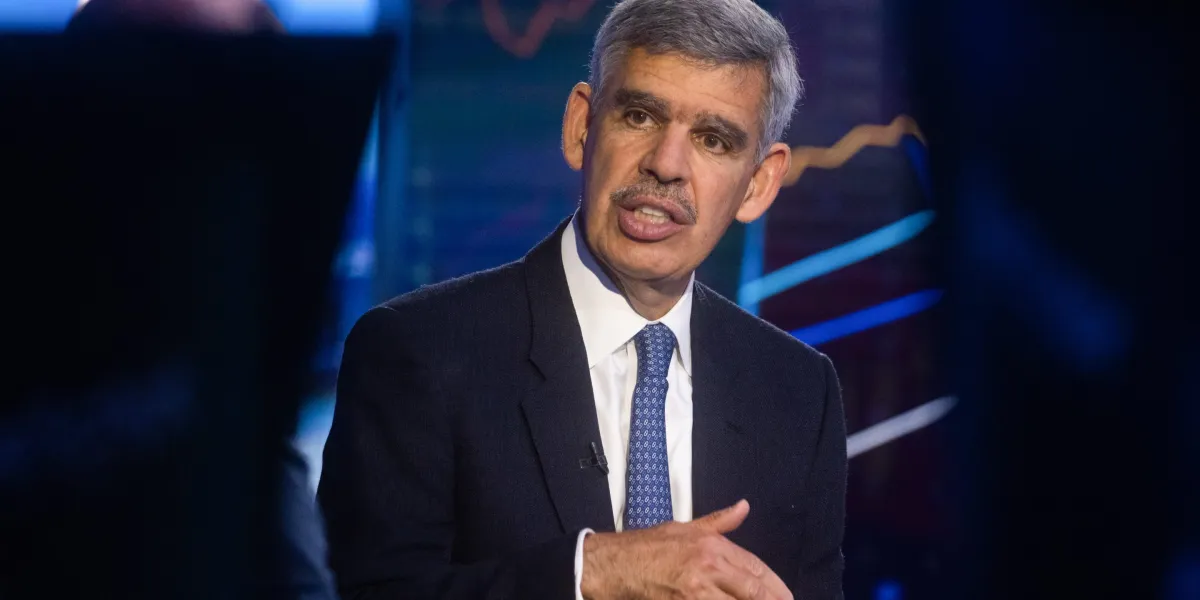
“A lot will depend on the duration and the spread of the conflict,” Mohamed El-Erian, a leading macroeconomic commentator and chief economic advisor at Allianz, told CNBC Monday. “The more it spreads, the more stagflationary it is for the global economy.”
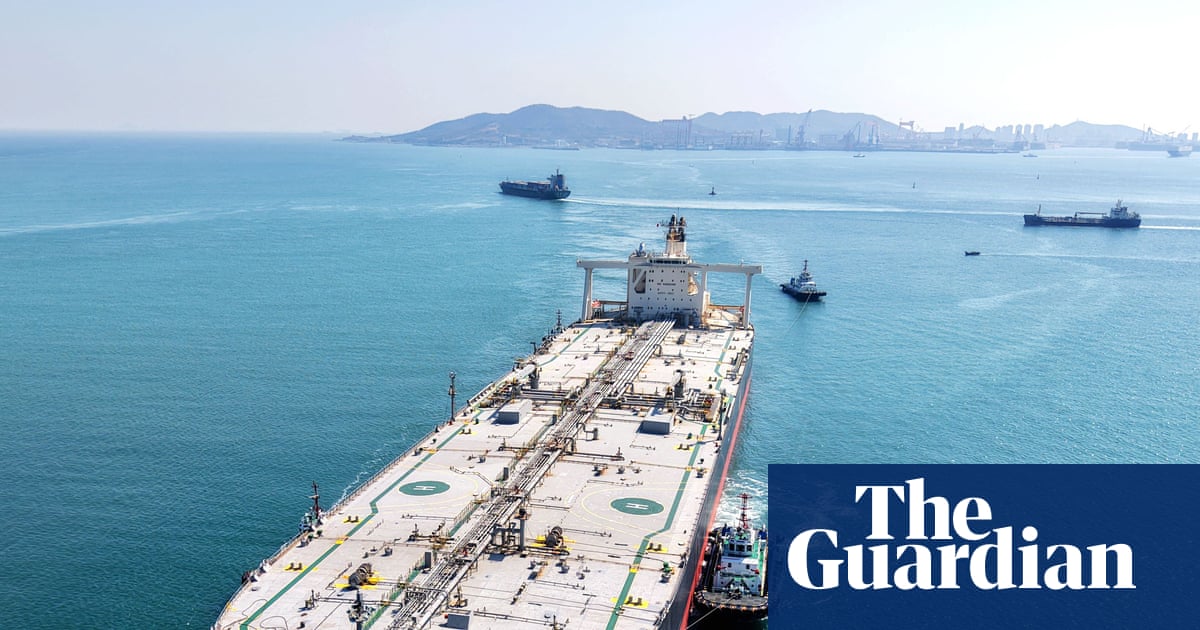
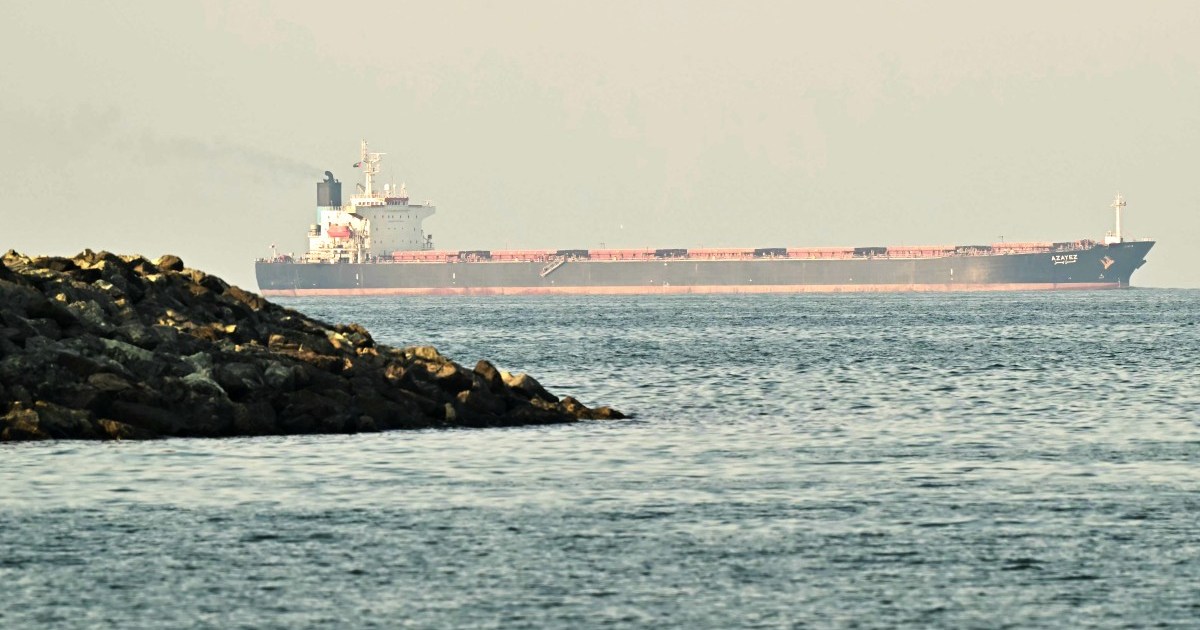
The conflict in Iran is expected to lead to significant instability in energy markets, particularly oil and natural gas. Iran is a large producer and exporter of both, but the primary risk stems from the war disrupting tanker transit through the Strait of Hormuz, a narrow waterway connecting global markets with oil and gas fields in the Persian Gulf. A prolonged closure of the strait—whether by Iranian enforcement or indirectly as merchant ships choose to avoid a region blanketed by missile launches—would affect up to one-fifth of globally traded oil and gas supply.