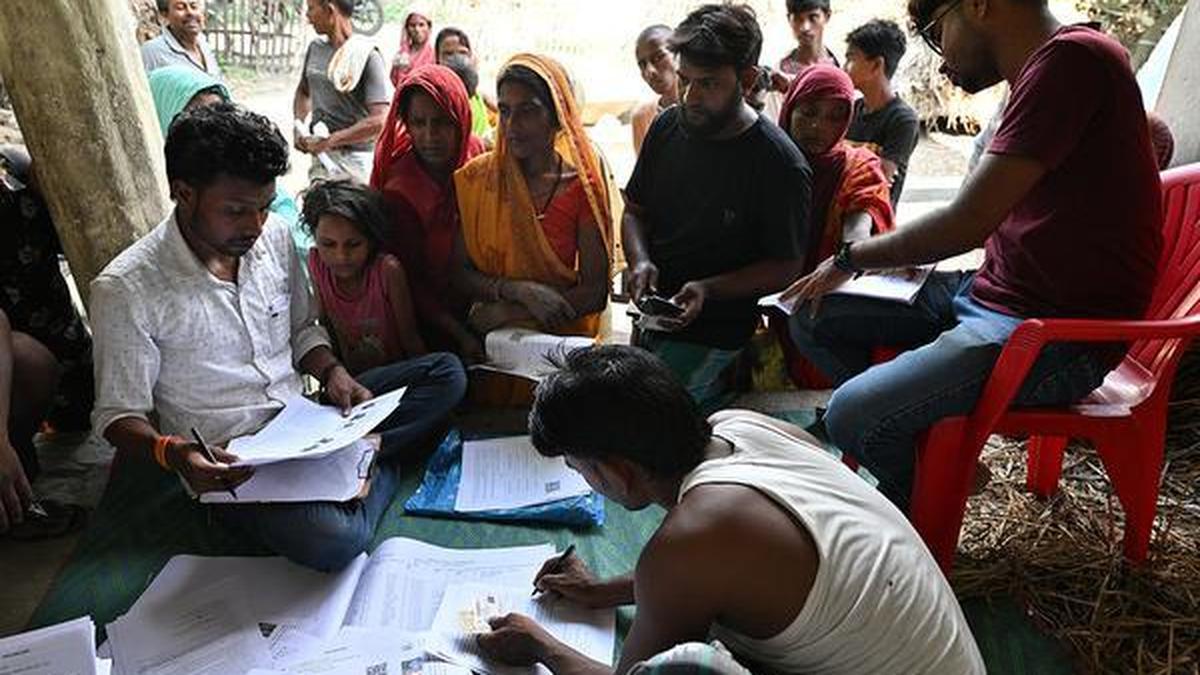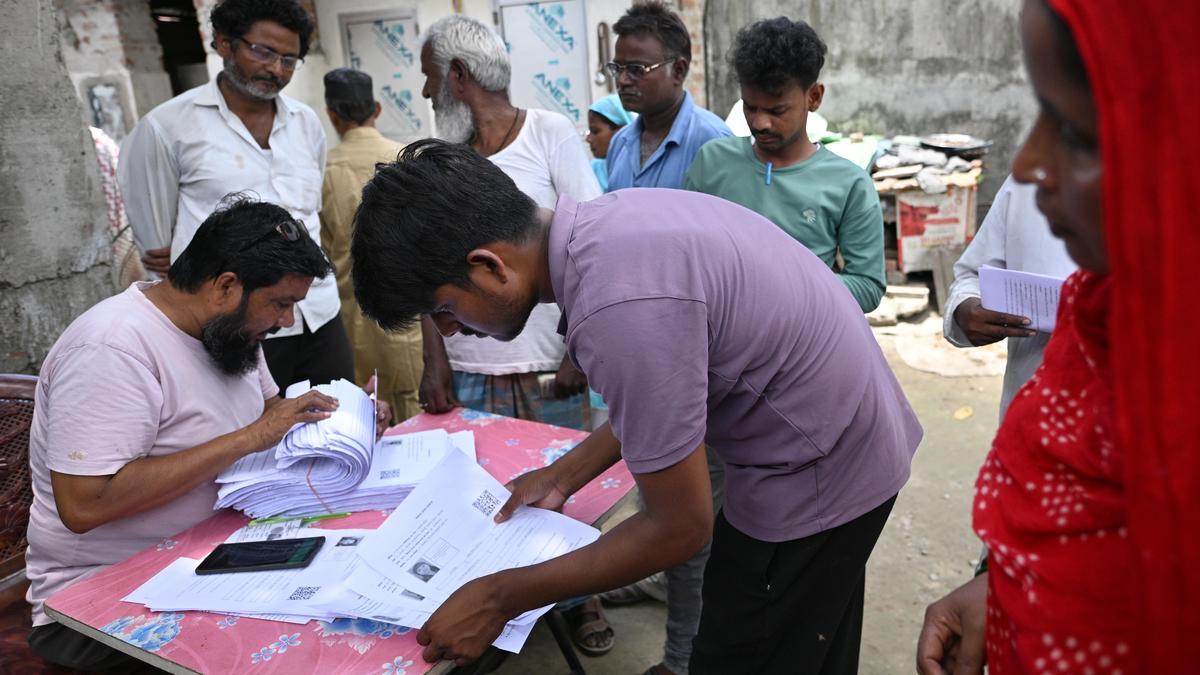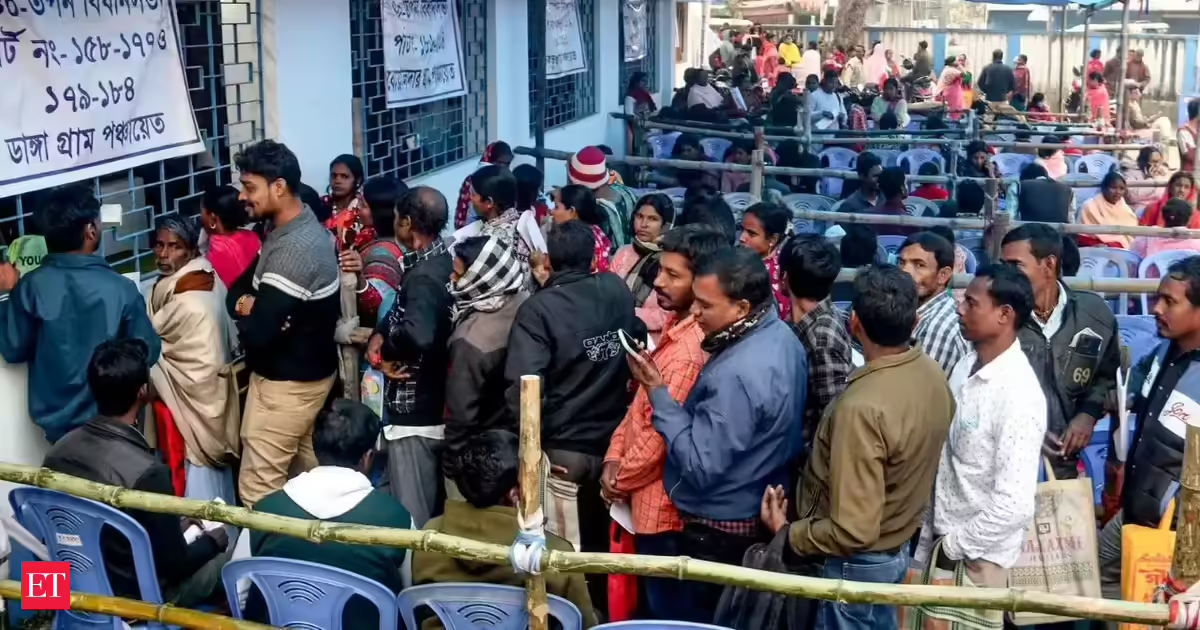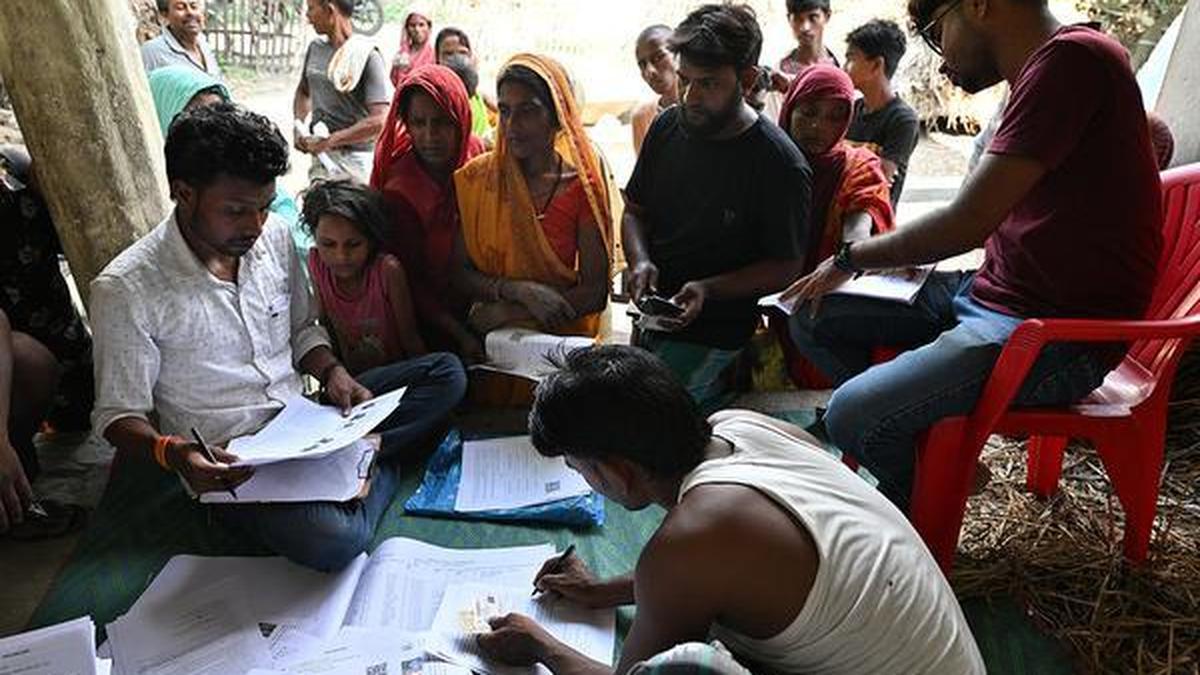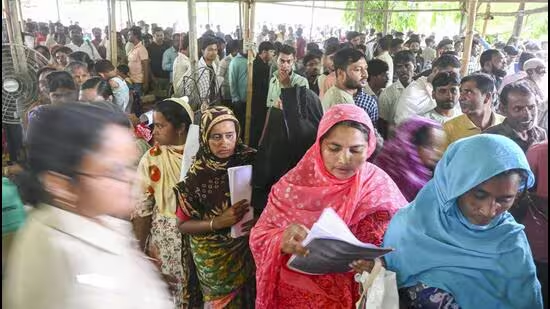
After the special intensive revision (SIR) was concluded in 13 states and Union Territories, elections conducted in five provinces and 58.6 million names deleted from the rolls, the validity of the controversial exercise has been upheld by the Supreme Court. In ruling that SIR furthered the constitutional imperative of free and fair elections, the apex court handed a major victory to the Election Commission of India (ECI). For the BJP, it can further propel its agenda of reversing demographic change and undocumented migration — though only a minuscule number of such people have been found in SIR till now — and for the Opposition, it represents a setback.The fate of 2.71 million people disenfranchised by the process in Bengal — a dubious first since independence — still hangs in the balance. For no fault of theirs, these people have been stripped of a right only due to the paucity of time and a face-off between ECI and the then Bengal government. (PTI)Three aspects merit notice. To begin with, the bench noted that although the right to vote was “a valuable constitutional right”, it was not absolute and can be subjected to reasonable regulatory conditions. This is an important moment, especially against the backdrop of an evolving judicial debate over whether voting rights are purely statutory or enjoy constitutional protection. It is also a reversal of the impulse at the founding moment of India’s democracy, when electoral rolls focussed largely on inclusion. Going forward, rightful inclusion and exclusion will likely be in balance in the electoral roll — mirroring the debate on voting rights, migration, and voter suppression in other democracies such as the US.Two, the ongoing churn in citizenship politics will only intensify. The court found ECI possessed constitutional authority to undertake a “limited enquiry into citizenship” strictly for electoral purposes. Though it noted that any such finding by ECI will not be a final pronouncement on citizenship, the court has directed that persons deleted due to suspicion of being non-citizens must be referred within four weeks to the competent authority under the Citizenship Act, 1955 for adjudication. This has the potential to stoke a deeper churn in citizenship politics at a time rhetoric around the undocumented migrant — actual deportation figures languish in the low thousands — is peaking.And three, the fate of 2.71 million people disenfranchised by the process in Bengal — a dubious first since independence — still hangs in the balance. For no fault of theirs, these people have been stripped of a right only due to the paucity of time and a face-off between ECI and the then Bengal government. With appellate tribunals not fully functional, securing that right might take years. The legal debate around SIR’s validity has been settled. The moral one, not so much.
SIR clears a legal hurdle
Legal validity of the exercise has been settled, but battles regarding the right to vote may continue
462 words~2 min read