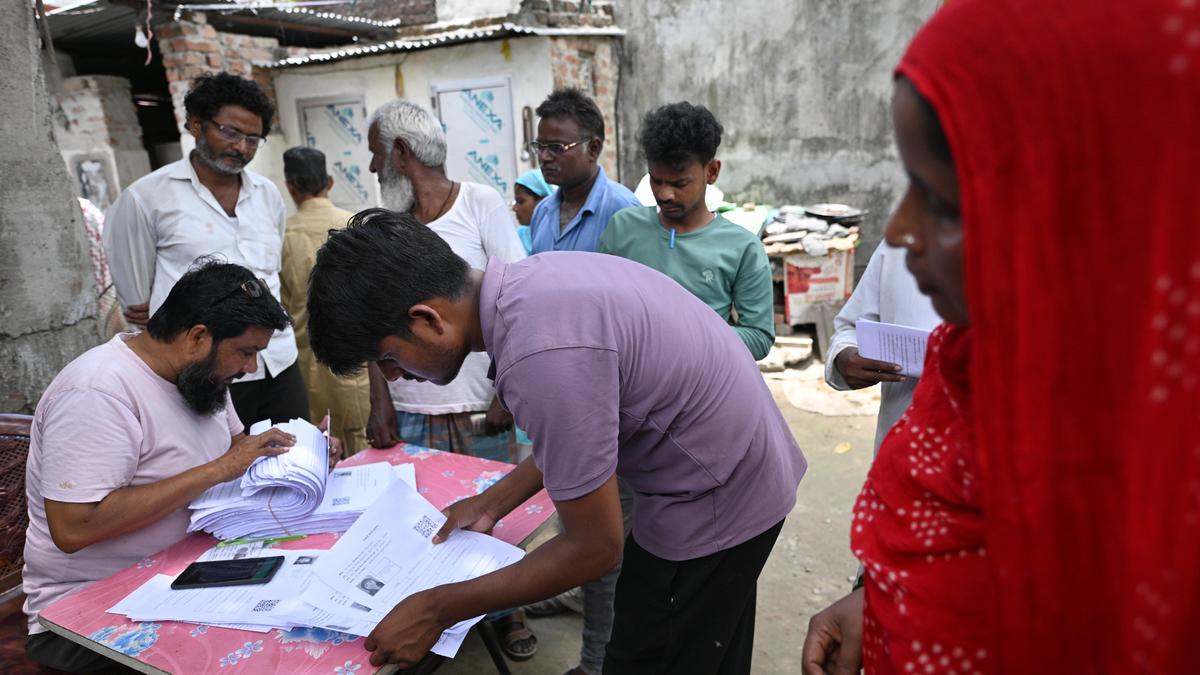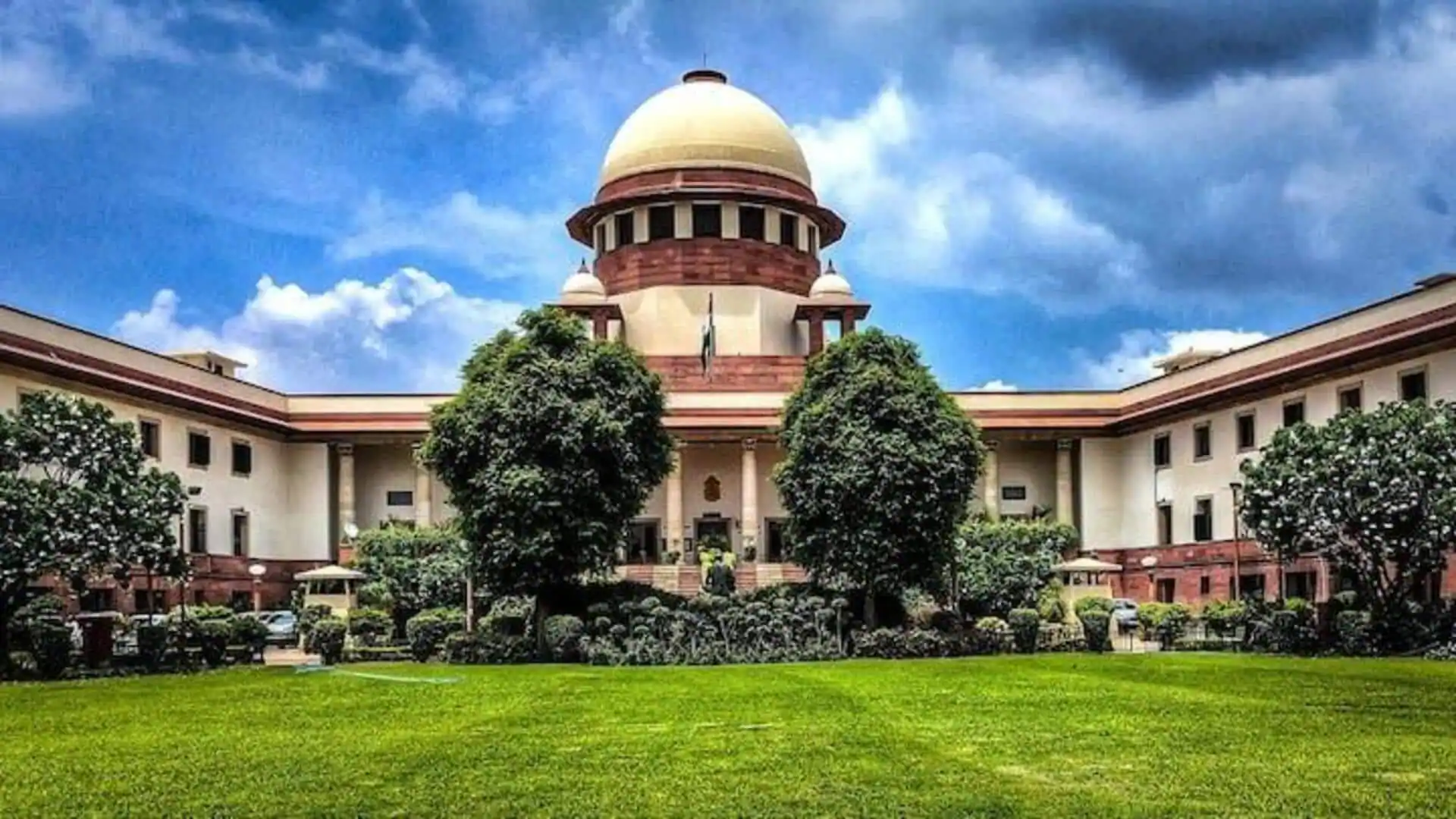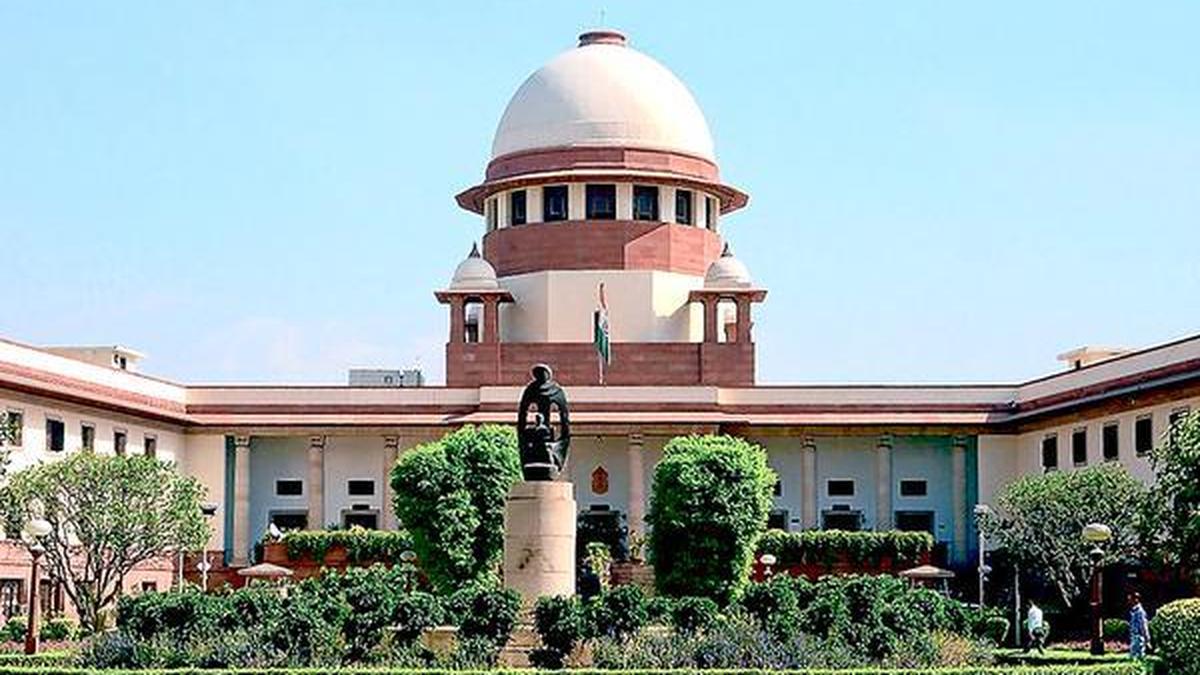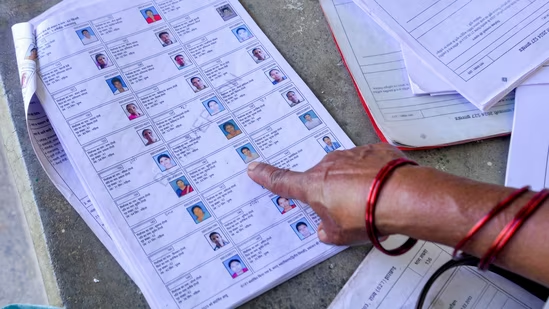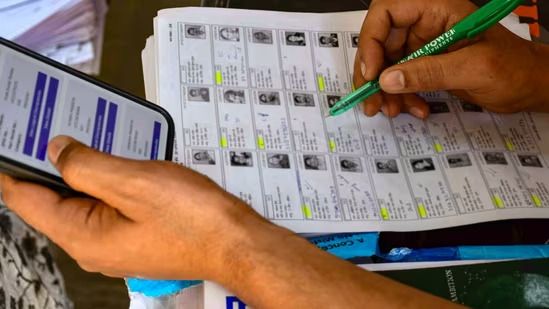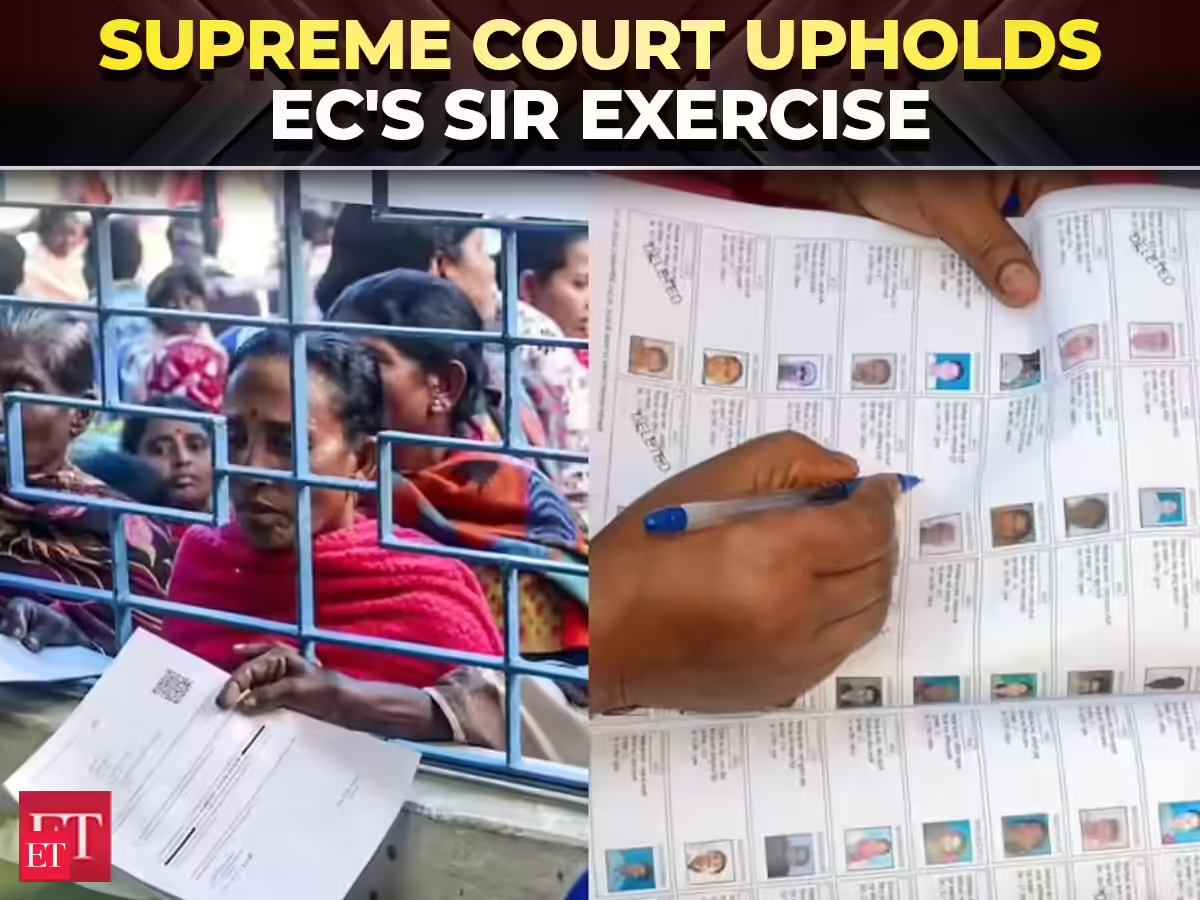
The Supreme Court on Wednesday upheld Election Commission of India’s Special Intensive Revision (SIR) of electoral rolls in Bihar, ruling that the exercise is “legally tenable” and directly linked to the constitutional mandate of ensuring free and fair elections.A bench led by Chief Justice of India Surya Kant held that the SIR process could not be struck down as ultra vires merely because it differs from the ordinary revision of voter rolls.“We are equally satisfied that object sought to be achieved by SIR bears direct link to constitutional goal of free and fair elections,” the bench observed.The apex court stressed that “free and fair elections do not rest merely upon mechanics of polling” and said the integrity of democracy also depends on the “integrity, accuracy and credibility of electoral rolls”.Defending the Election Commission’s rationale for launching the special revision in Bihar, the bench said it agreed with the poll body’s reasoning that rapid urbanisation and migration were valid grounds for undertaking the exercise.“Rapid urbanisation, migration are valid reasons for it,” the top court noted during proceedings.Rejecting allegations that the exercise was arbitrary or merely procedural, the bench said: “We are unable to conclude that impugned exercise is a process resorted to solely for administrative convenience.”The ruling comes amid political opposition and legal challenges against voter roll revision in Bihar, with critics alleging that the process could lead to exclusion of eligible voters.However, the apex court held that the Election Commission was within its constitutional powers to conduct such a revision and that the exercise itself could not be invalidated simply because it departed from the standard revision mechanism.The verdict is a significant boost for the Election Commission, which has maintained that the SIR is aimed at cleaning up electoral rolls and improving their accuracy ahead of future elections in Bihar.
Supreme Court upholds ECI’s Bihar voter roll revision, says SIR ‘legally tenable’
The Supreme Court has validated the Election Commission of India's Special Intensive Revision of Bihar's electoral rolls, deeming the process "legitimate and constitutional." The court ruled that the exercise, despite differing from ordinary revision methods, is legally sound and empowers the ECI to ensure accurate voter lists ahead of future elections.
300 words~1 min read