Support CleanTechnica's work through a Substack subscription or on Stripe.
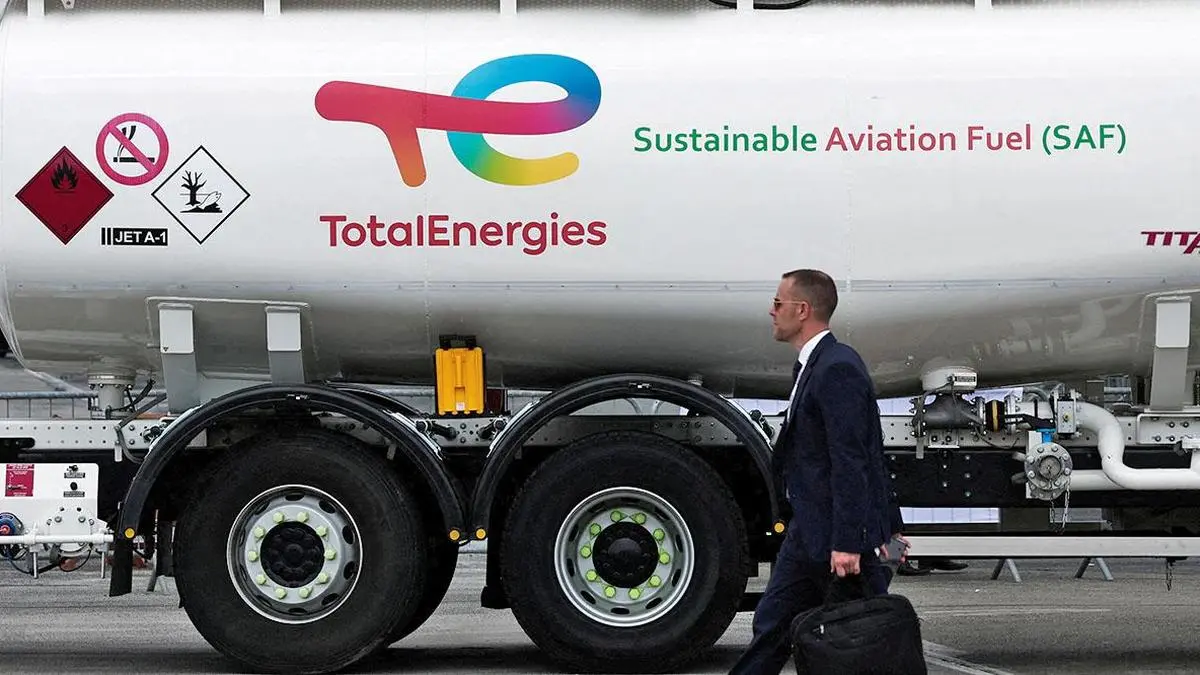
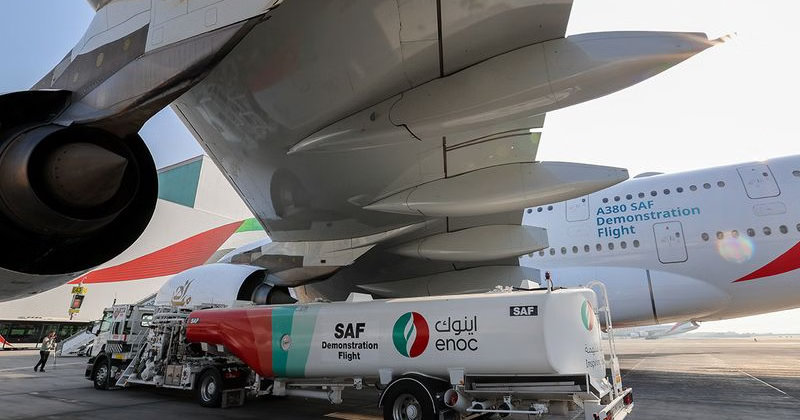
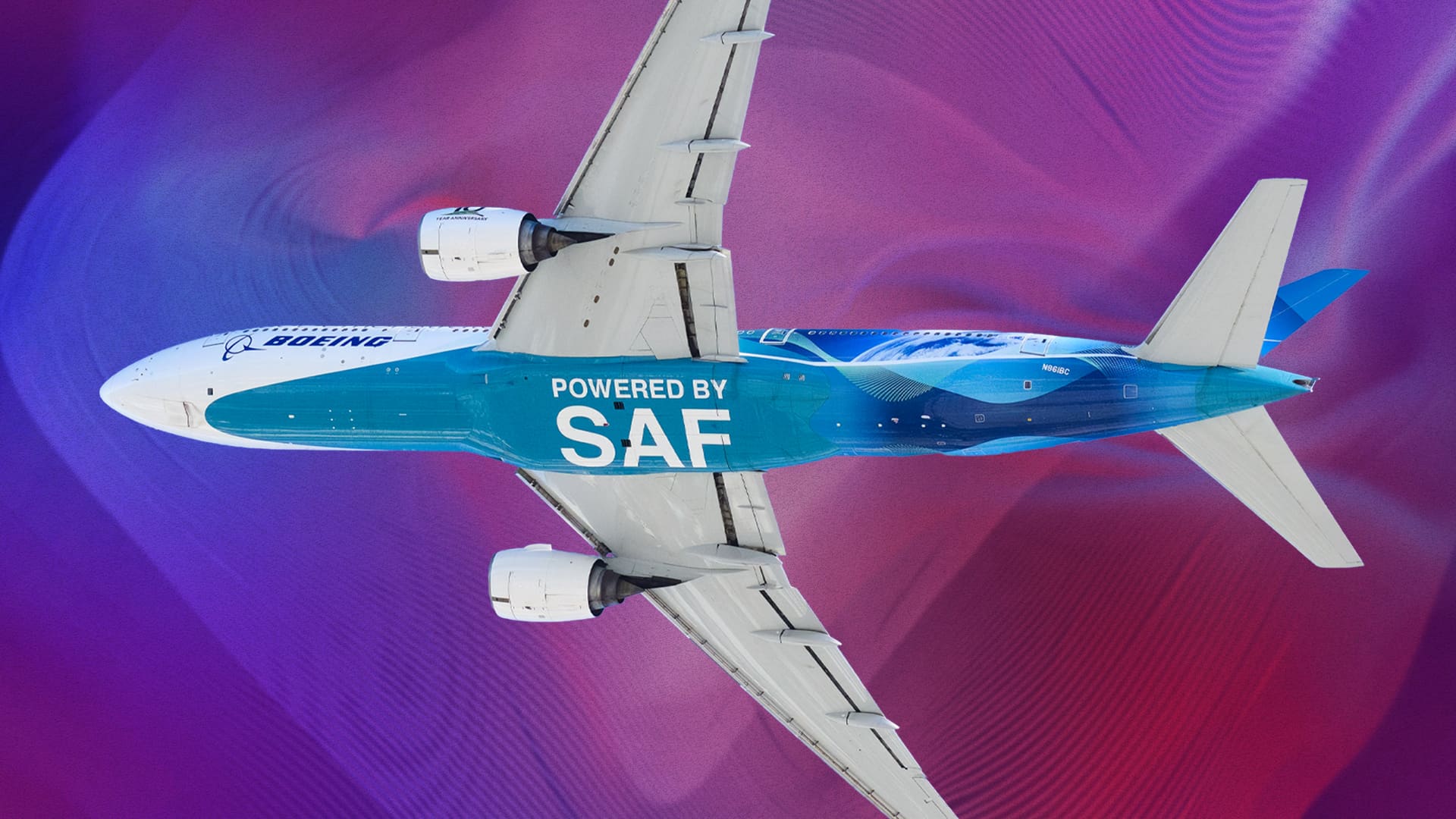
Last month, energy analysts warned that Europe had about six weeks of jet fuel left before the taps run dry, on account of the global energy crisis resulting from the Iran war. The juice is still flowing, but the war has prompted policy makers and private sector stakeholders to think more seriously about transitioning to SAF, aka sustainable aviation fuel, and the UK airline Loganair is among those who don’t need to be asked twice.
Loganair Hearts Next-Gen SAF
Loganair is pitching its hat into the SAF ring at a good time. The SAF industry is far more expansive now than it was in the early 2000’s, when innovation in the field has centered on bio-based versions of petroleum-based kerosene aviation fuel.
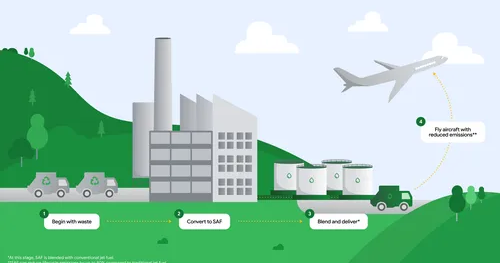
Jet fuel derived from cultivated algae earned itself a slot early on, based on its high oil content alongside the advantages of avoiding land use conflicts and food system competition, only to run into cost and scale-up issues. R&D work continues (here’s one example), but in the meantime other SAF has already gone into commercial production, mainly consisting of used cooking oil, animal fats, and other food wastes.