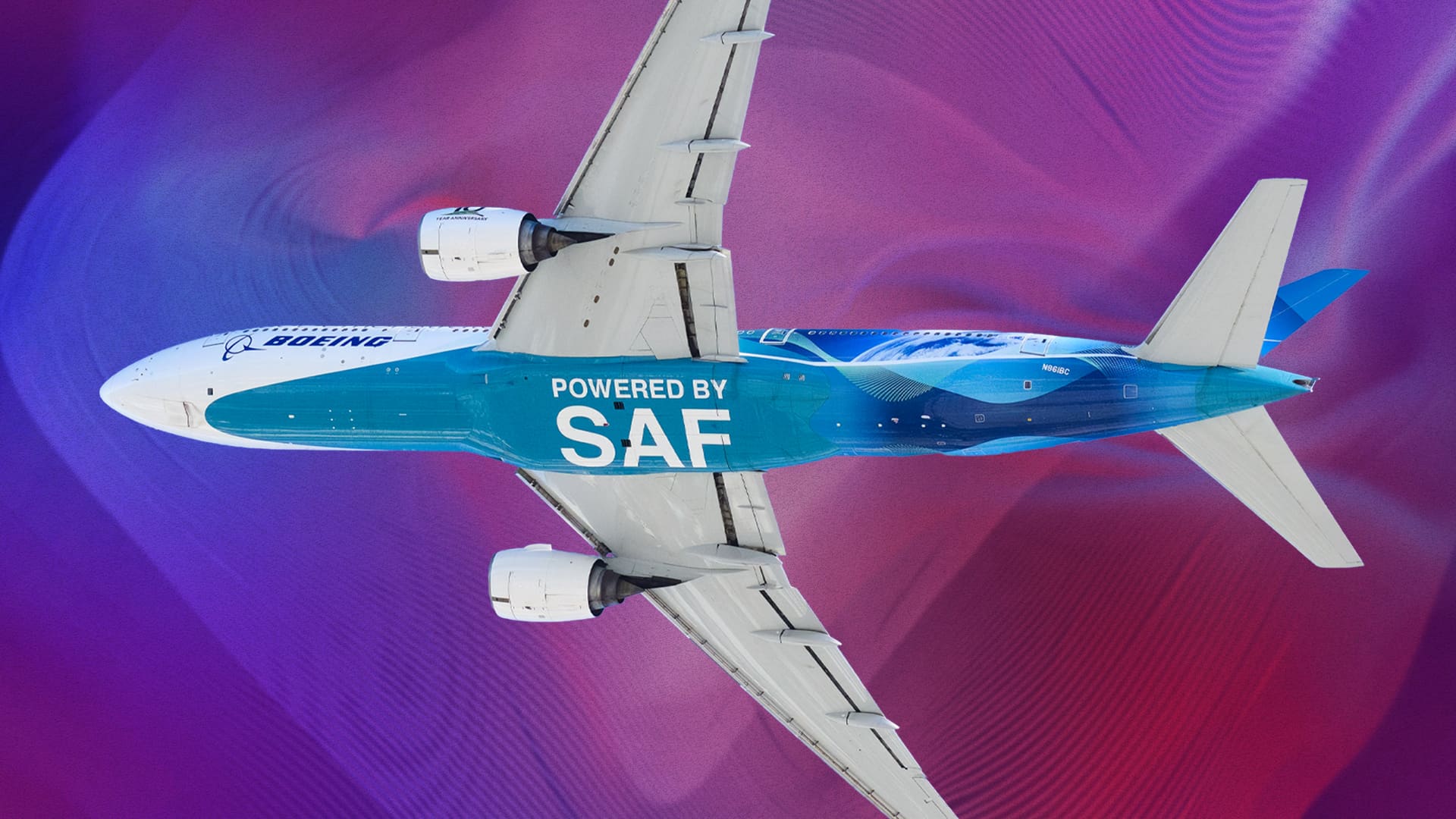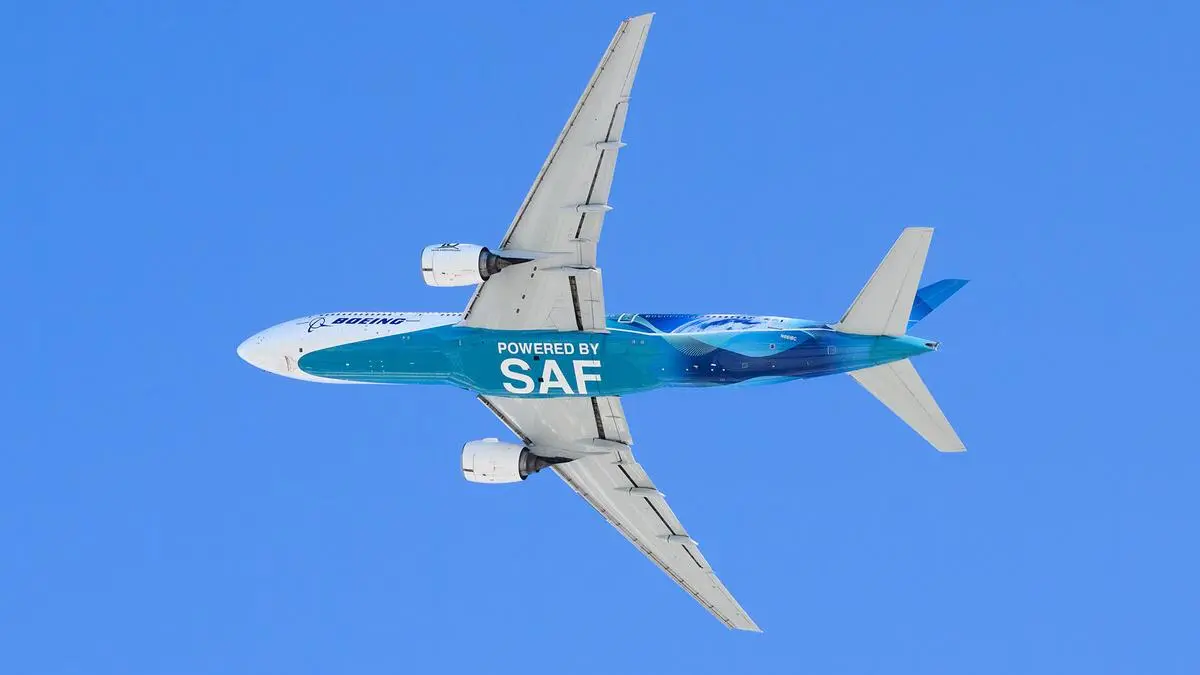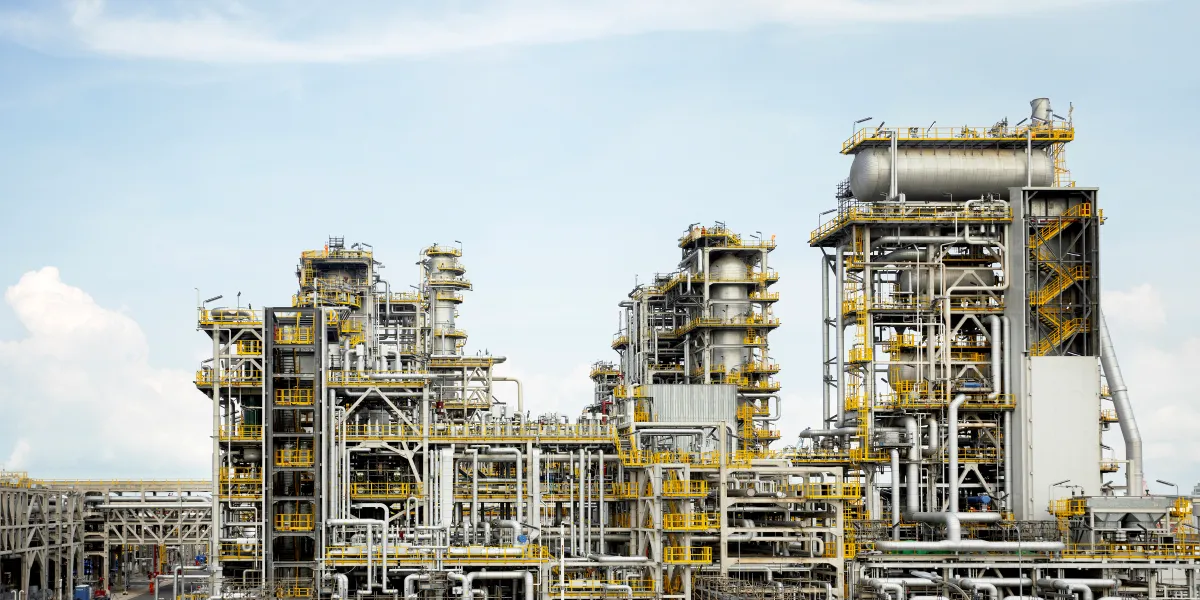
Tucked away in an industrial estate in Singapore’s Tuas district is the world’s largest refinery for sustainable aviation fuels (SAF), where organic waste products like used cooking oil and animal fats are converted into energy to power airplanes.
Built by Finnish fuel producer Neste in 2010, the facility underwent a $1.9 billion expansion in 2019. Reopened in 2023, it now produces up to a million tonnes of SAF annually. Most of Singapore’s sustainable jet fuel is exported to Australia and Europe, but Neste executive Mario Mifsud says Asia is the “next big frontier” for SAF.
“Asian governments are now making regulatory commitments to SAF,” Mifsud, who oversees the firm’s sales and trading in renewable fuels for the EMEA and APAC regions, told Fortune. “We’ve seen this in Europe—one or two countries start, and other countries will follow.”
In November, Singapore mandated that, by 2026, SAF make up 1% of all jet fuel used at its Changi and Seletar airports, with further plans to raise the quota to 5% by 2030, in line with the International Civil Aviation Organization (ICAO)’s goal to have net-zero carbon dioxide emissions by 2050.
“The 1% target doesn’t seem like a massive goal, but it will start the ball rolling,” Mifsud explains. “Neighboring countries will look and follow.”