in History, Travel | May 27th, 2026 Leave a Comment
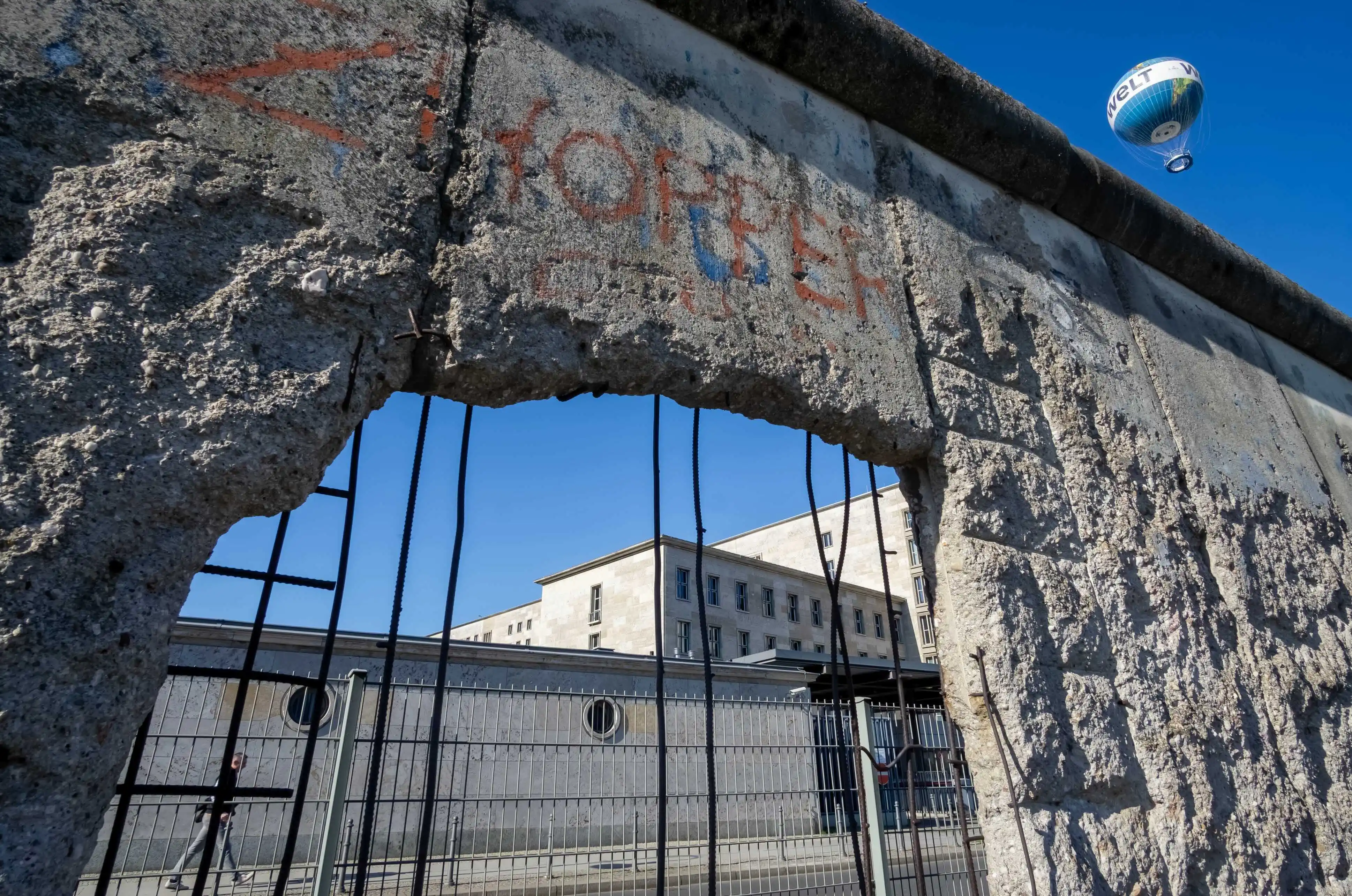
Officially, the Berlin Wall fell on November 9, 1989. Demolition would take more than four years, and a few sections remain for memorial purposes, but it was on that date that passage between East and West Berlin — and thus East and West Germany — opened to all citizens of both countries. To say that it came as a surprise would be a serious understatement. Earlier that year, even the best informed observers were predicting that the wall would stand for at least a few more decades. Earlier that day, for that matter, the officials involved in the opening didn’t foresee that Socialist Unity Party of Germany Secretary of Information Günter Schabowski would, that evening, mistakenly declare on national television that the liberalization of border travel was effective “immediately, without delay.”
When the border guards finally gave up their attempts to hold the line around 11:00 that night, the surrounding scene in both Berlins had turned into what attendees now remember, 36 years later, as the biggest street festival of their lives. To those of us unable to join in the celebration at the time, it may seem unlikely that such an event could really have occurred with no intimations whatsoever.