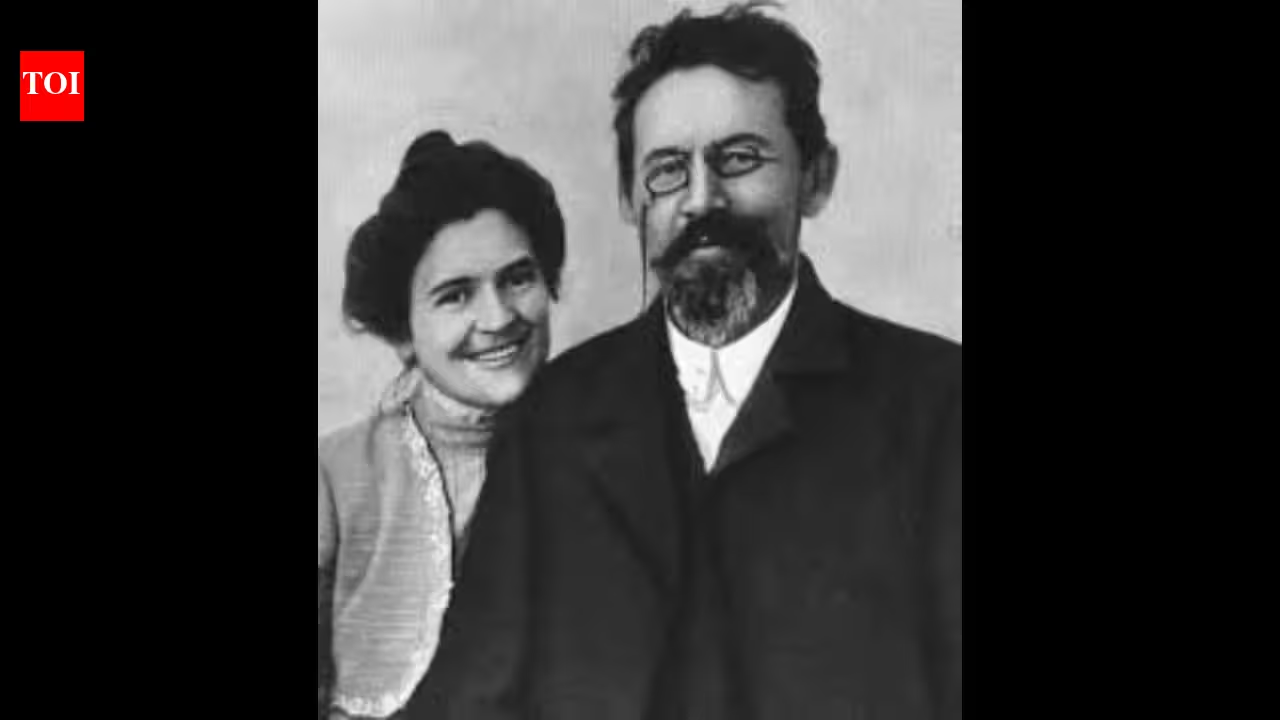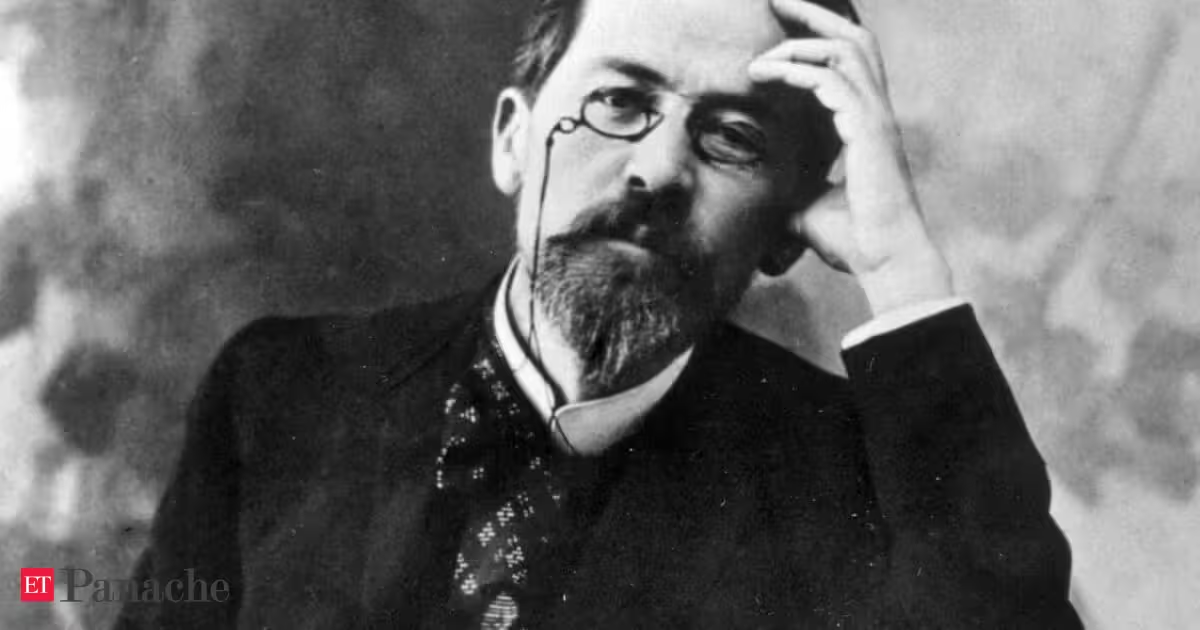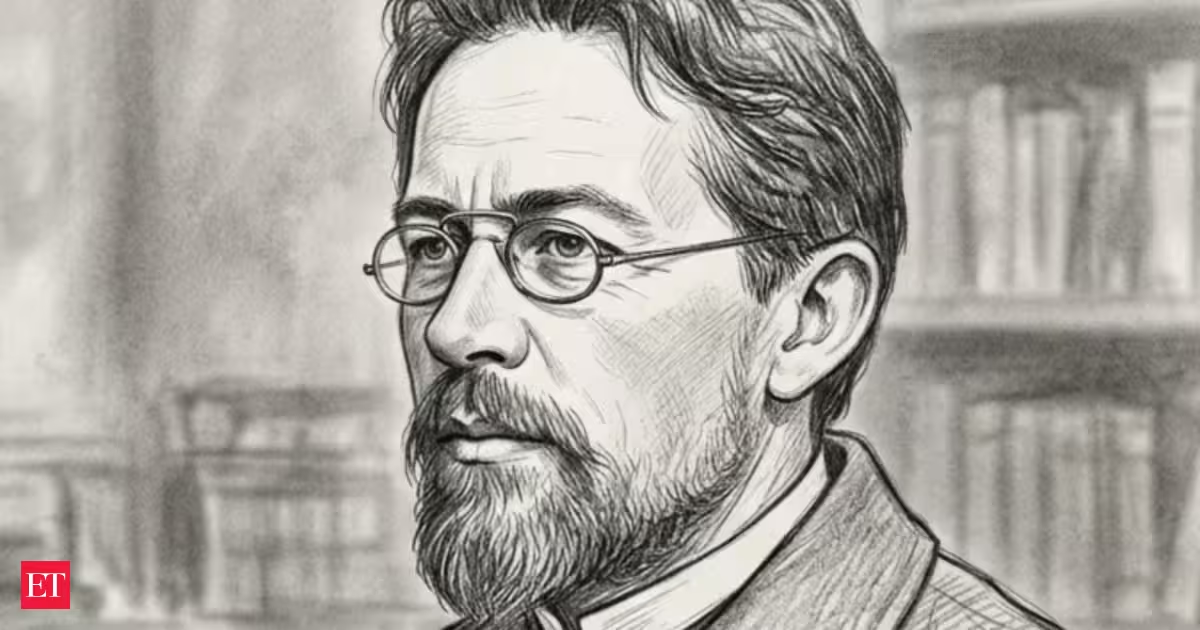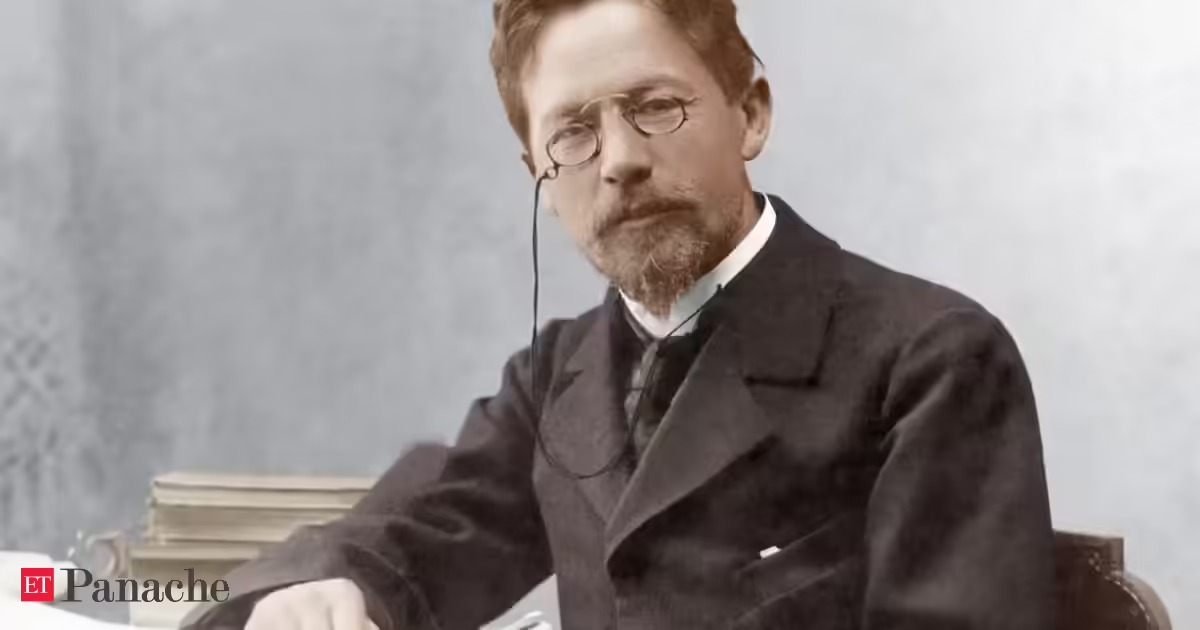
In a world where relationships are often presented as the ultimate answer to sadness, loneliness and emotional emptiness, one brutally honest quote from legendary Russian writer Anton Chekhov continues to stand out even today. At first glance, the line may sound cold or even cynical, but its meaning goes far deeper than discouraging marriage. In fact, the quote has remained relevant for decades because it challenges one of the biggest modern myths — the belief that another person can completely “fix” loneliness and make life feel whole.One of Anton Chekhov’s most famous quotes is: “If you are afraid of loneliness, don’t get married.”The quote may appear simple, but it carries a powerful message about emotional maturity, self-worth and relationships. Chekhov believed that marriage is not a magical cure for loneliness. Just because two people live together or love each other does not mean emotional emptiness automatically disappears. A person can still feel isolated, misunderstood or disconnected even inside a marriage.Anton Chekhov on why marriage cannot cure lonelinessThe deeper meaning behind the quote is that people should not enter relationships simply to avoid being alone. When someone depends entirely on a partner for happiness, emotional stability or validation, the relationship can slowly become unhealthy. Fear-driven relationships often create emotional pressure because one person expects the other to constantly fill a void that already exists within them.You Might Also Like:Chekhov’s words suggest that a person must first learn how to be emotionally comfortable with themselves before committing to a lifelong partnership. In many ways, the quote is about emotional independence. It highlights the importance of building self-confidence, inner peace and identity outside of romantic relationships.The statement also reminds readers that marriage itself comes with responsibilities, compromises and difficult moments. Popular culture often presents marriage as a permanent escape from sadness or loneliness, but real relationships are much more complicated. Couples fight, misunderstand each other and sometimes struggle to communicate despite deeply loving one another.That is one reason the quote feels incredibly relatable even today. Modern relationships exist in a world shaped by social media perfection, dating apps and constant emotional comparison. Many people grow up believing that finding “the one” will automatically solve feelings of insecurity, emptiness or unhappiness. Chekhov’s quote cuts through that fantasy with surprising honesty.Instead of romanticising marriage, the Russian writer focused on emotional reality. His words encourage people to understand themselves first instead of expecting a relationship to repair emotional wounds. The quote teaches that healthy partnerships are built on maturity, independence and mutual support — not fear of isolation.From doctor to literary legend: Who was Anton Chekhov?Interestingly, Chekhov himself spent much of his life closely observing human emotions, relationships and personal struggles, which is why his writing continues to resonate across generations. Born in 1860, Anton Pavlovich Chekhov became one of the most respected literary figures in history and is widely regarded as a pioneer of modern short fiction and drama.Apart from being a celebrated writer, Chekhov also worked as a medical doctor throughout most of his life. He once famously described medicine as his “lawful wife” and literature as his “mistress,” showing how deeply connected he felt to both professions, according to Penguin Reads.His literary career produced several timeless classics that continue to influence theatre and storytelling even today. Among his most celebrated works are The Seagull, Uncle Vanya and The Cherry Orchard. Along with playwrights Henrik Ibsen and August Strindberg, Chekhov is often considered one of the key figures behind the rise of modern theatre.What made Chekhov unique was his ability to capture the quieter, hidden emotions of ordinary life. Rather than offering dramatic answers or fairy-tale endings, his stories explored uncertainty, emotional tension, and the complexities of human relationships. That same emotional honesty is reflected in the quote about loneliness and marriage.Even more than a century later, the line continues to trend online because it speaks to a very modern emotional reality. Many people today are surrounded by constant digital connections, yet still struggle with loneliness and emotional insecurity.
Quote of the day by Anton Chekhov: 'If you are afraid of loneliness, don’t get married' - Why one of Russia’s greatest writers of all time believed marriage cannot cure loneliness
A timeless quote from Russian writer Anton Chekhov warns against marrying to escape loneliness. The Russian playwright believed relationships cannot magically cure inner emptiness. He stressed emotional maturity and self-reliance before commitment. His words resonate today, cutting through modern myths of finding 'the one' to solve insecurity. Read on!
665 words~3 min read