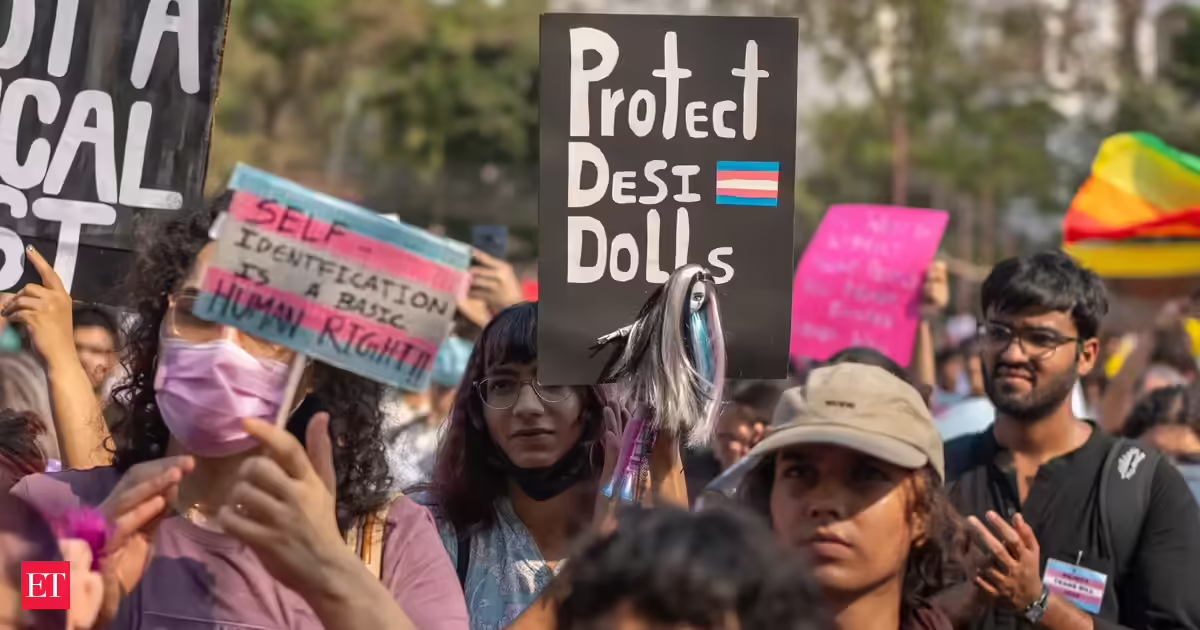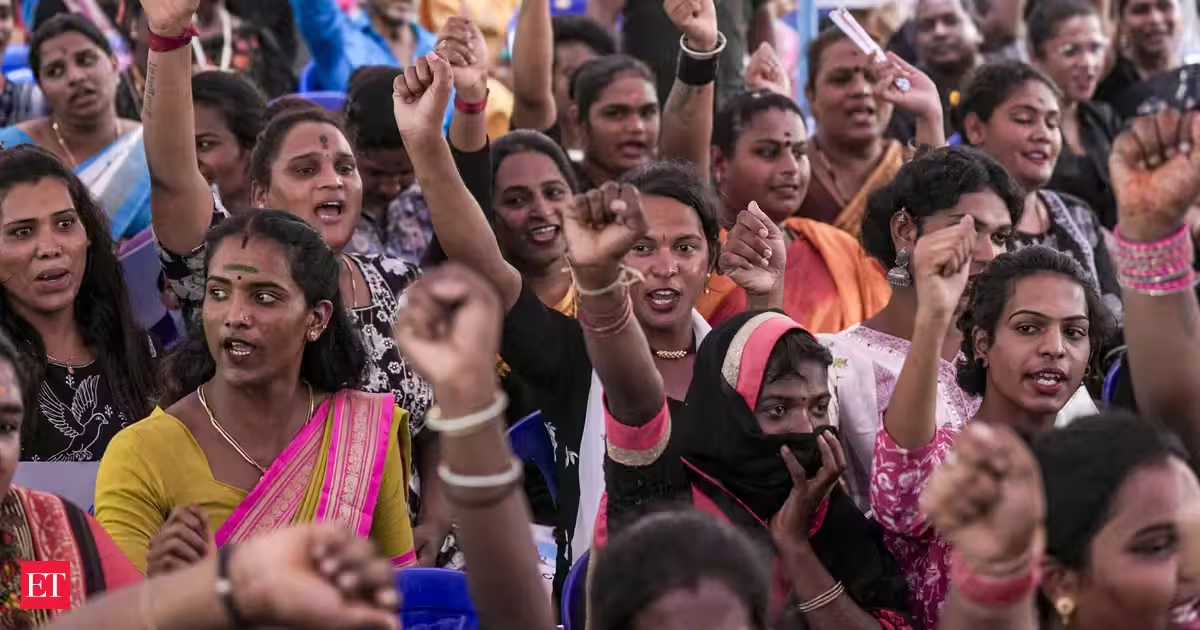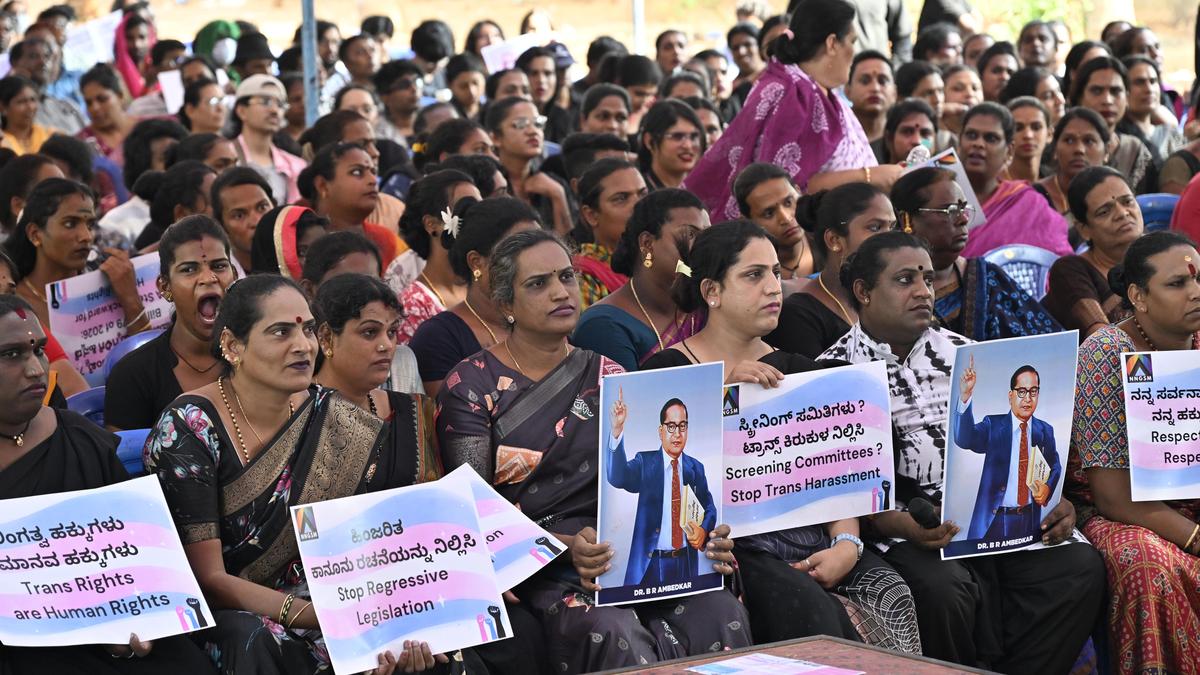
The petitioners, including activists like Laxminarayan Tripathi and others, said the Act disregarded transgender identity as an “authentic human identity, freely chosen”. File photo
| Photo Credit: K. Murali Kumar
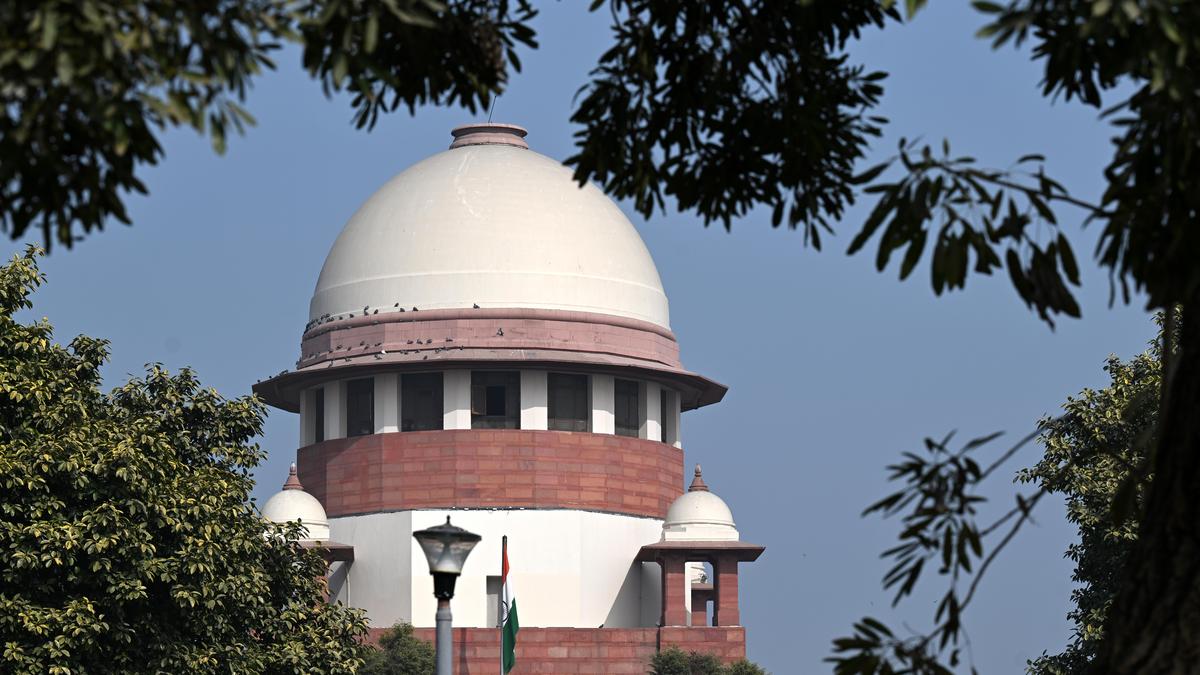
The Centre urged the Supreme Court on Wednesday (May 27, 2026) to transfer petitions challenging the constitutionality of the Transgender Persons (Protection of Rights) Amendment Act, 2026 from about four different High Courts to the apex court.Appearing before a Bench headed by Chief Justice of India Surya Kant, Solicitor General Tishar Mehta said the High Court are returning to work from summer recess in the first week of June.The Supreme Court is already seized of several petitions challenging the 2026 Act, but it is is only partially working during June. Mr. Mehta, appearing for the Union government, said the High Courts may pre-empt the apex court by separately taking up the petitions before them and pass order.Mr. Mehta said the apex court should shift the cases pending in these High Courts to itself in order to avoid “divergent views” on the same Act.The top law officer urged the Chief Justice to list the Union government’s plea for transferring these petitions to itself on May 29.“We will see,” Chief Justice Kant said in response.The petitions in the apex court have criticised the controversial 2026 law of removing the right to self-identity. The 2026 Act requires a government-appointed medical board’s favourable recommendation for a District Magistrate to certify someone as a transgender person.The petitioners, including activists like Laxminarayan Tripathi and others, said the Act disregarded transgender identity as an “authentic human identity, freely chosen”.They have argued that the requirement for a medical certification for gender recognition violated the rights of transgender persons and amounts to “medical gatekeeping” by the state.The government had countered that the intention of the Act was to ensure that deserving people from the community get benefits. He said forcible sex change was criminalised.The Transgender Persons Amendment Bill and the question of identityThe petitioners highlighted that the Act had abruptly stopped ongoing sex-change therapies and treatment, leaving many in the community in dire straits.The petitions have argued that the 2026 amendments pull the carpet from under the 2014 NALSA judgment that declared that the right to self-identity was a fundamental right. It had held that identity was determined by the person, and not by biology, birth assignment or through state verification. Section 3 of the 2026 Act has omitted the right to self-perceived gender Identity. Published - May 27, 2026 01:35 pm IST