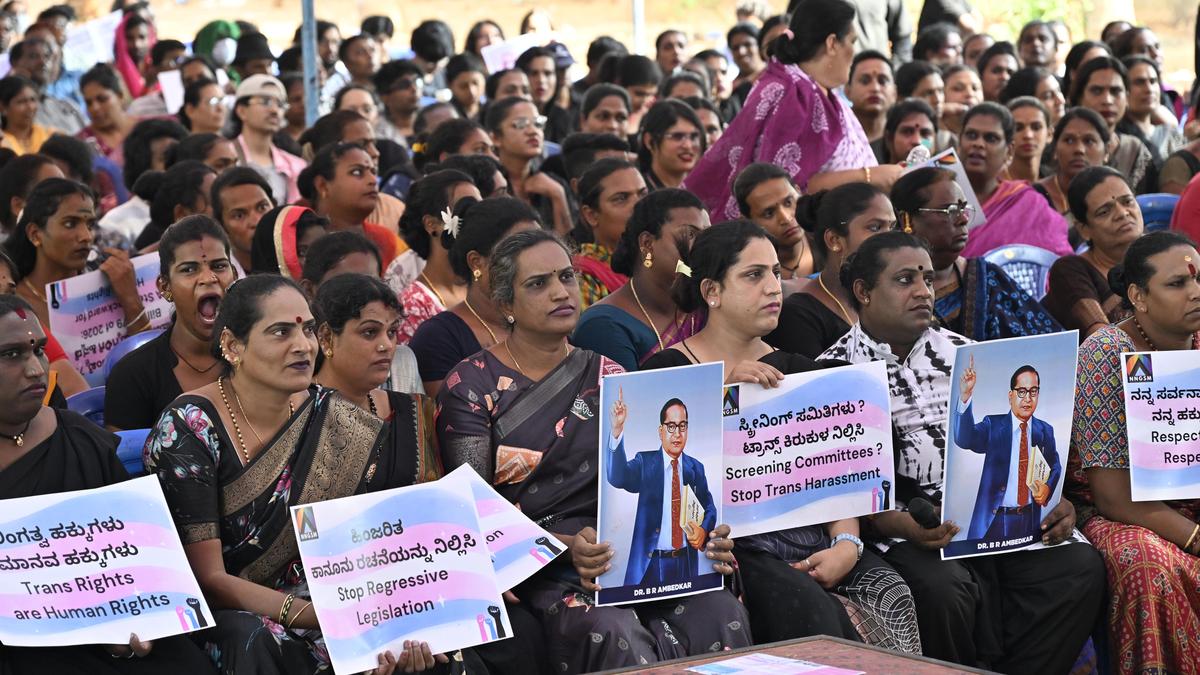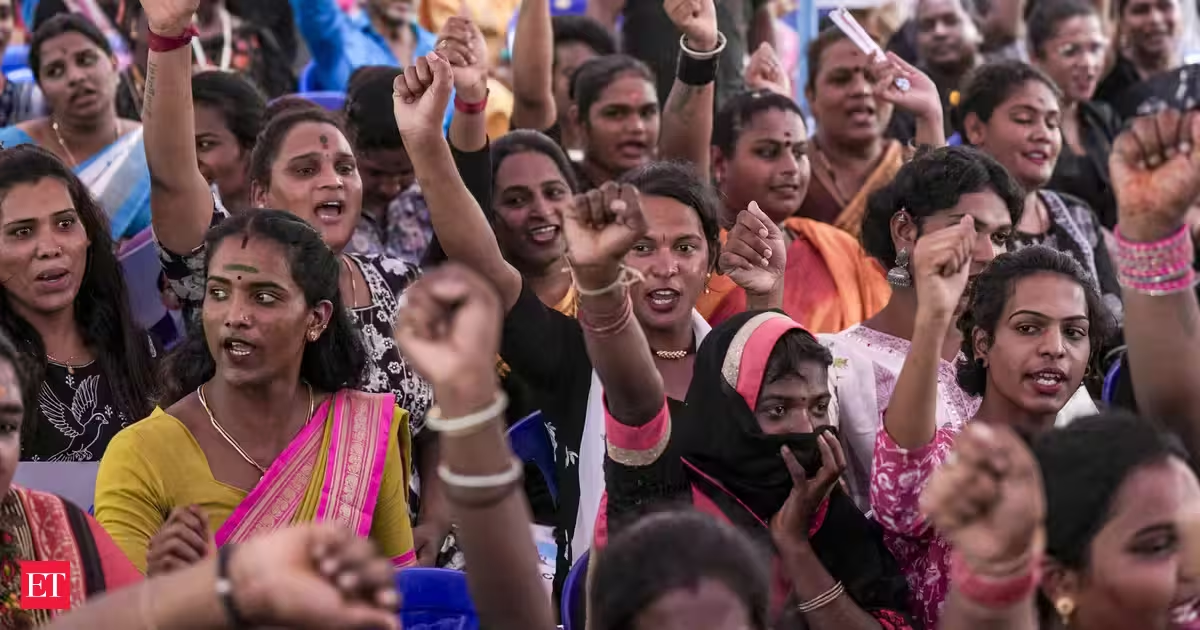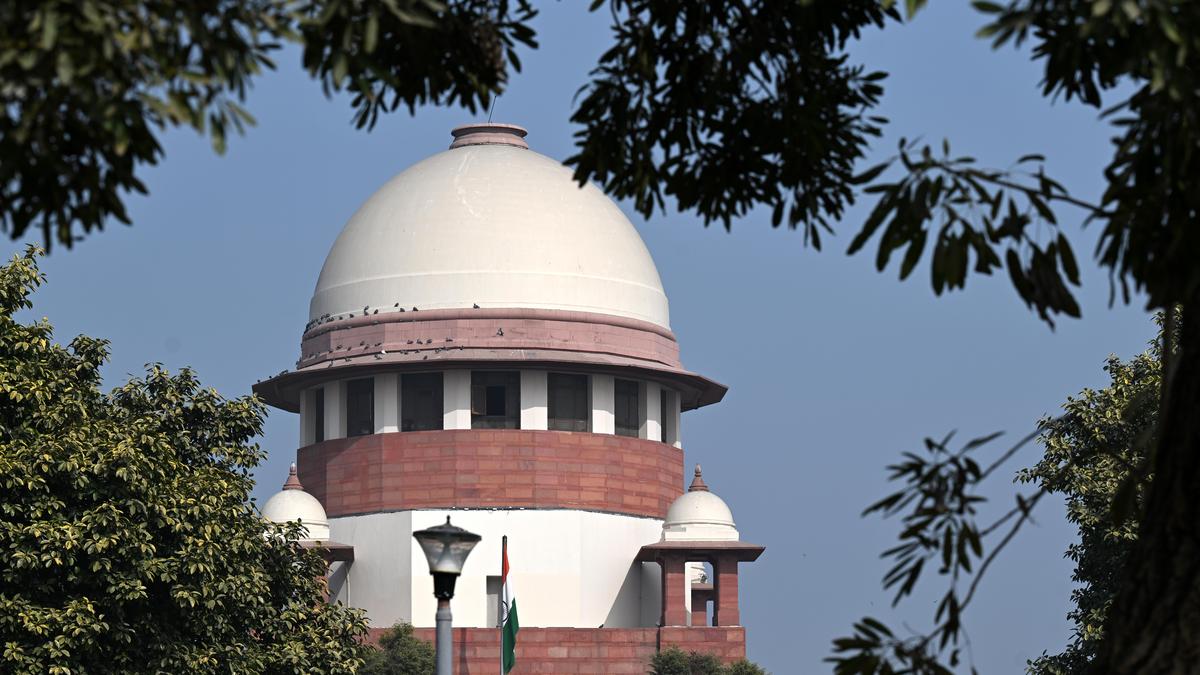
The Delhi High Court on Wednesday sought the Centre’s stand on two petitions challenging provisions of the Transgender Persons (Protection of Rights) Amendment Act, 2026, claiming that the amendment replaces self-identified gender identity recognised by the Supreme Court, with State-determined identity through medical and administrative processes.
A Bench comprising Chief Justice D. K. Upadhyaya and Justice Tejas Karia issued notice on petitions by Chandresh Jain and Lakshay Jain and asked the Centre to file its reply within six weeks. The Transgender Persons (Protection of Rights) Amendment Bill, 2026, was passed by Parliament on March 25 and received assent from President Droupadi Murmu on March 30.
Petitioner Mr. Chandresh argued that while the original 2019 Act was enacted to implement the Supreme Court’s recognition of transgender rights, the 2026 amendment fundamentally alters this framework by introducing medical and administrative verification of gender identity. The petition contends that, “this shift violates constitutional guarantees under Articles 14, 19(1)(a), and 21, and amounts to a legislative rollback of a fundamental right already recognised by the Supreme Court”.
It also states that in 2014, the Supreme Court recognised transgender persons as a “third gender” and affirmed that gender identity is based on self-perception rather than biological or medical criteria. Mr. Chandresh said the amendment has serious practical consequences as legal recognition of gender identity directly affects access to identity documents, welfare entitlements, and protection under criminal law, thereby creating a real and immediate risk of exclusion and denial of justice.