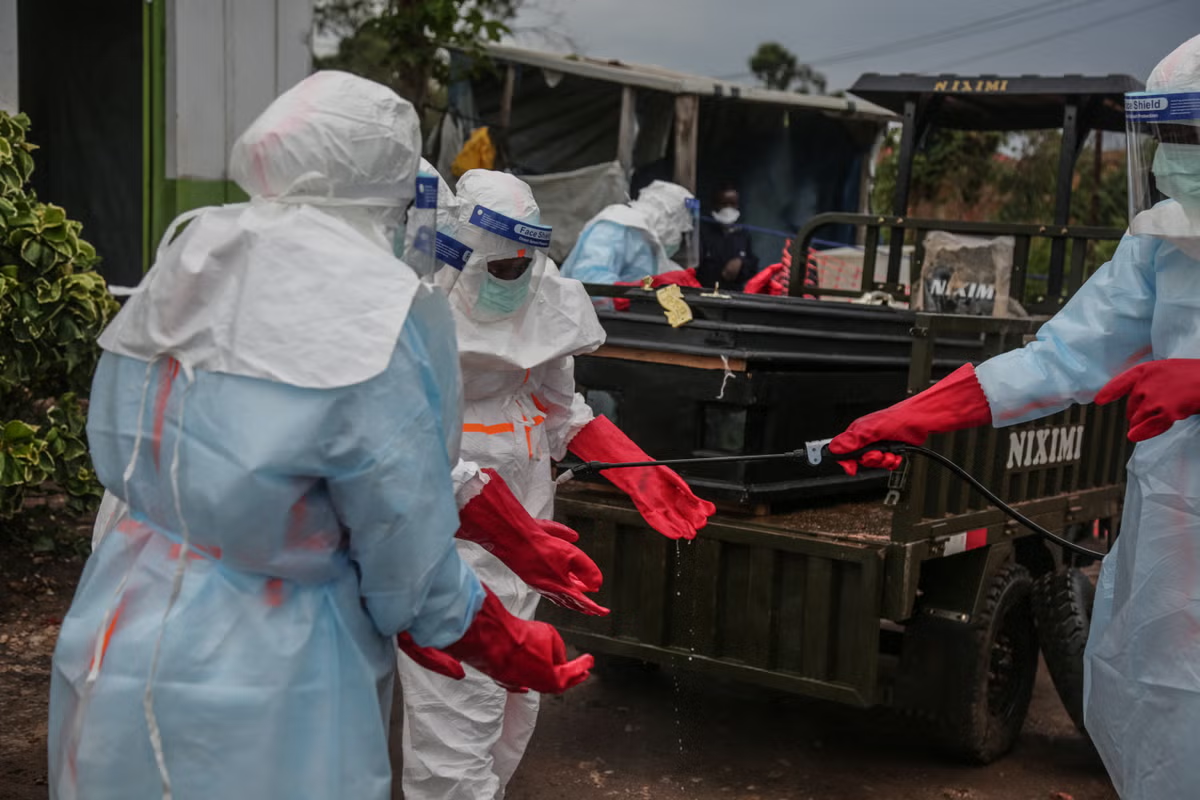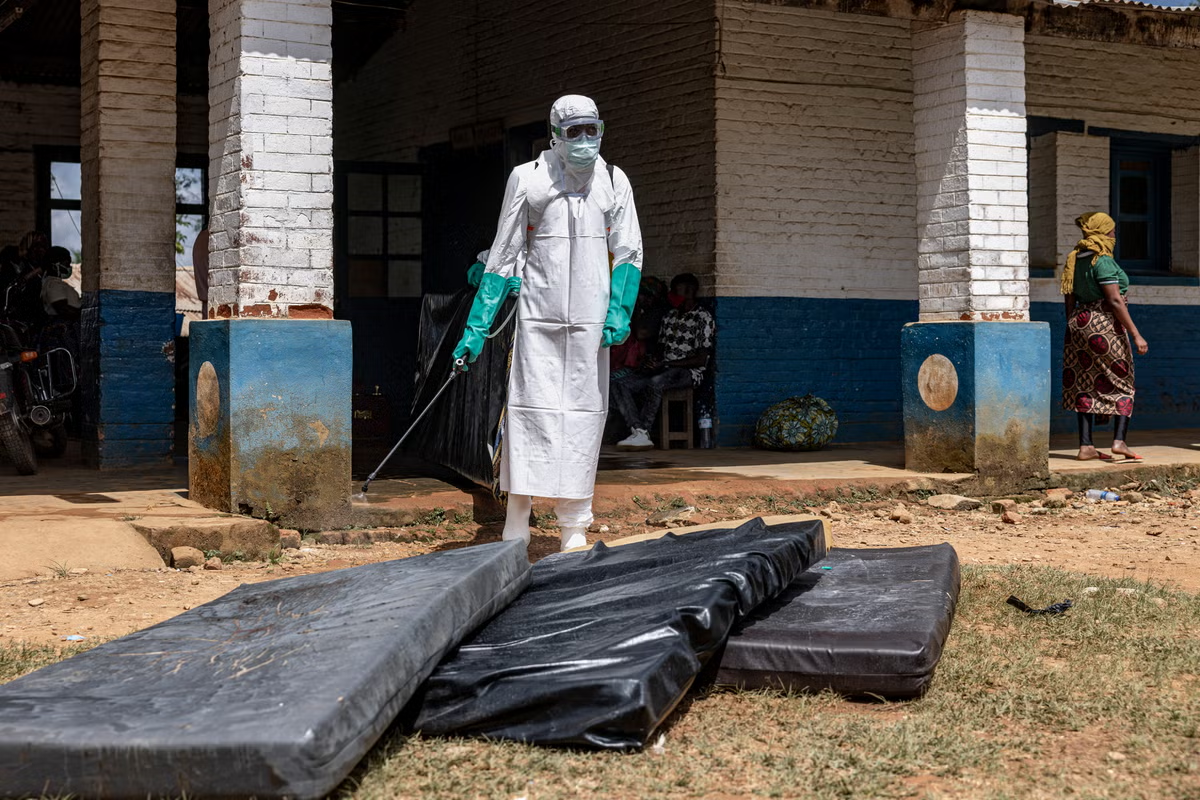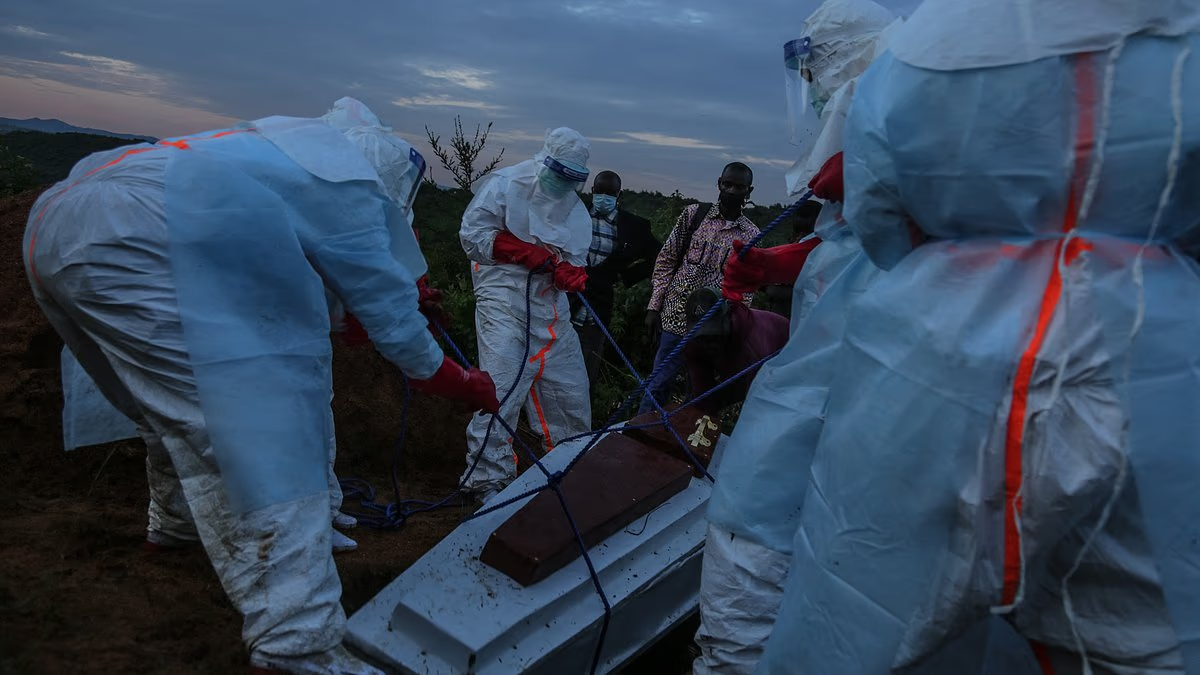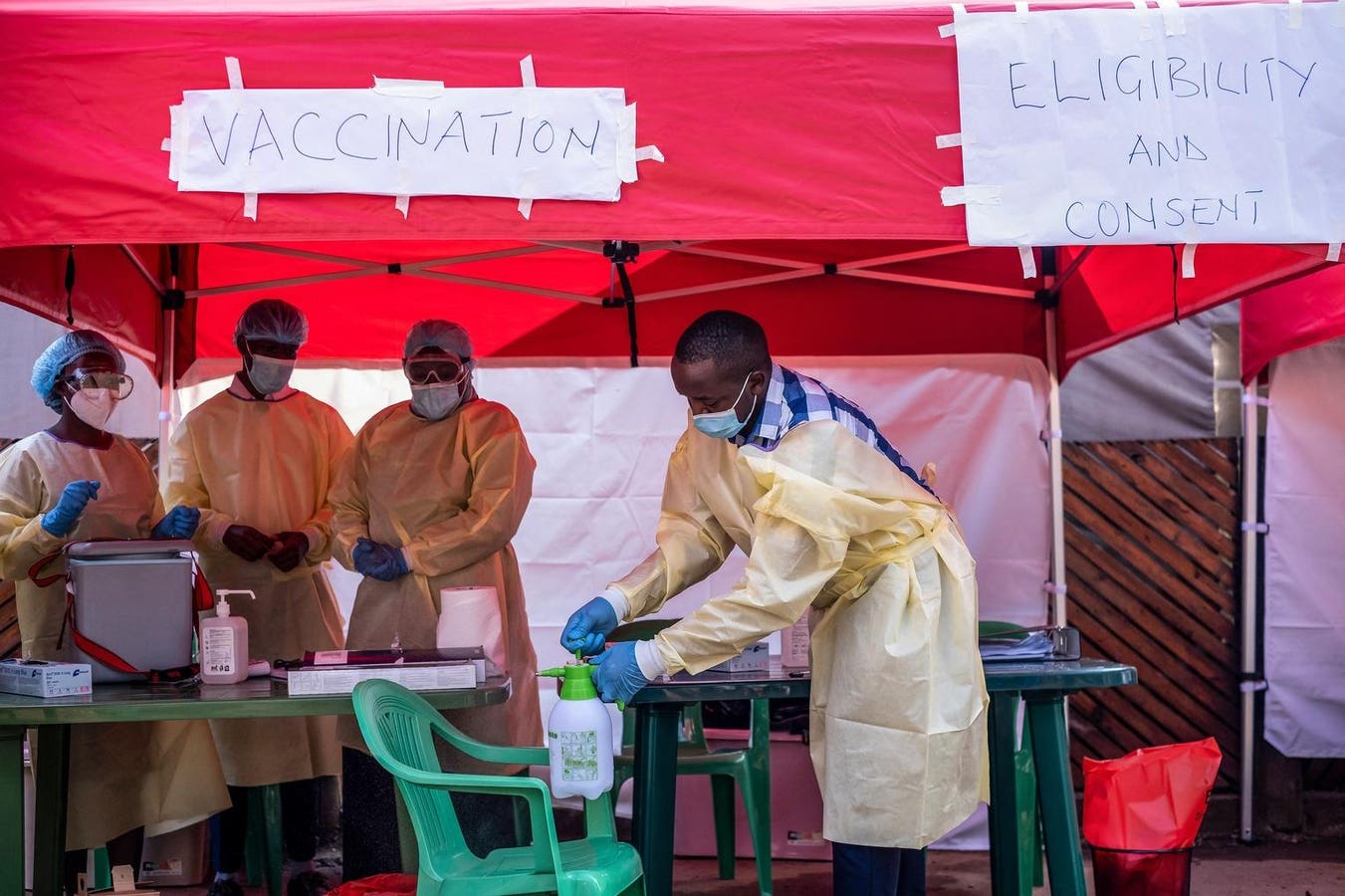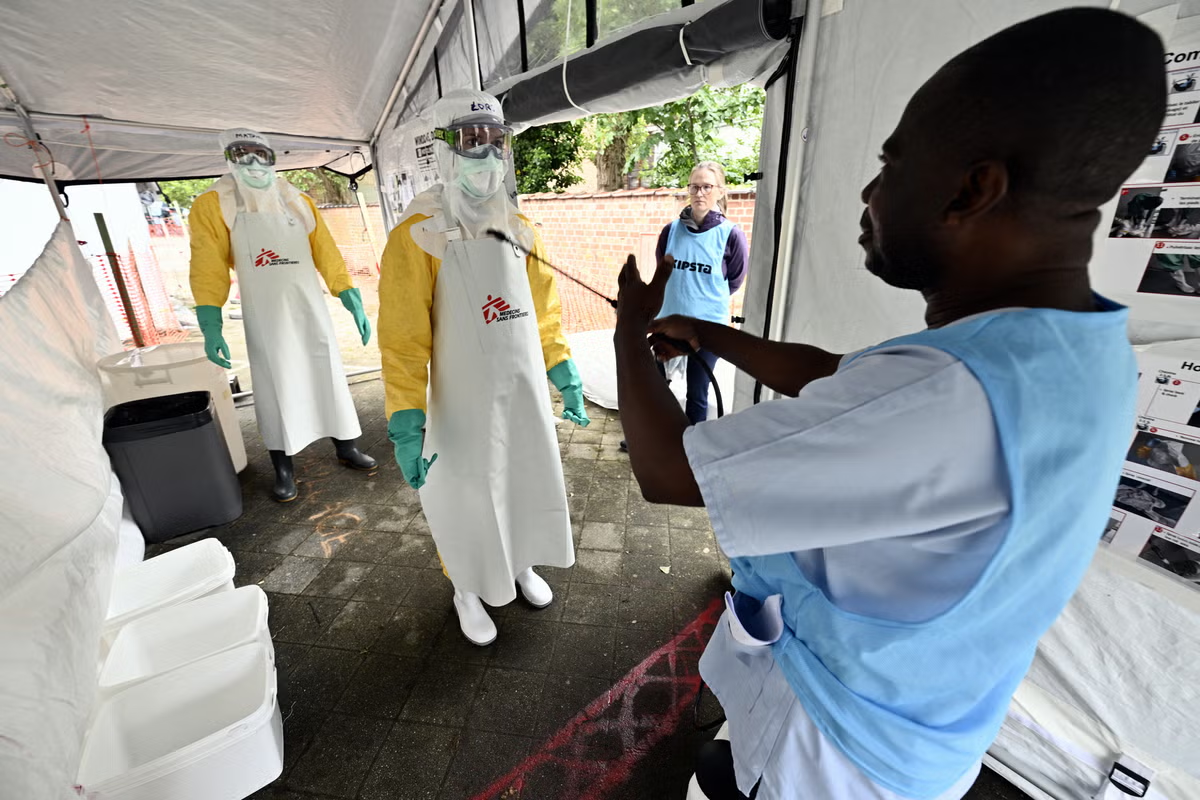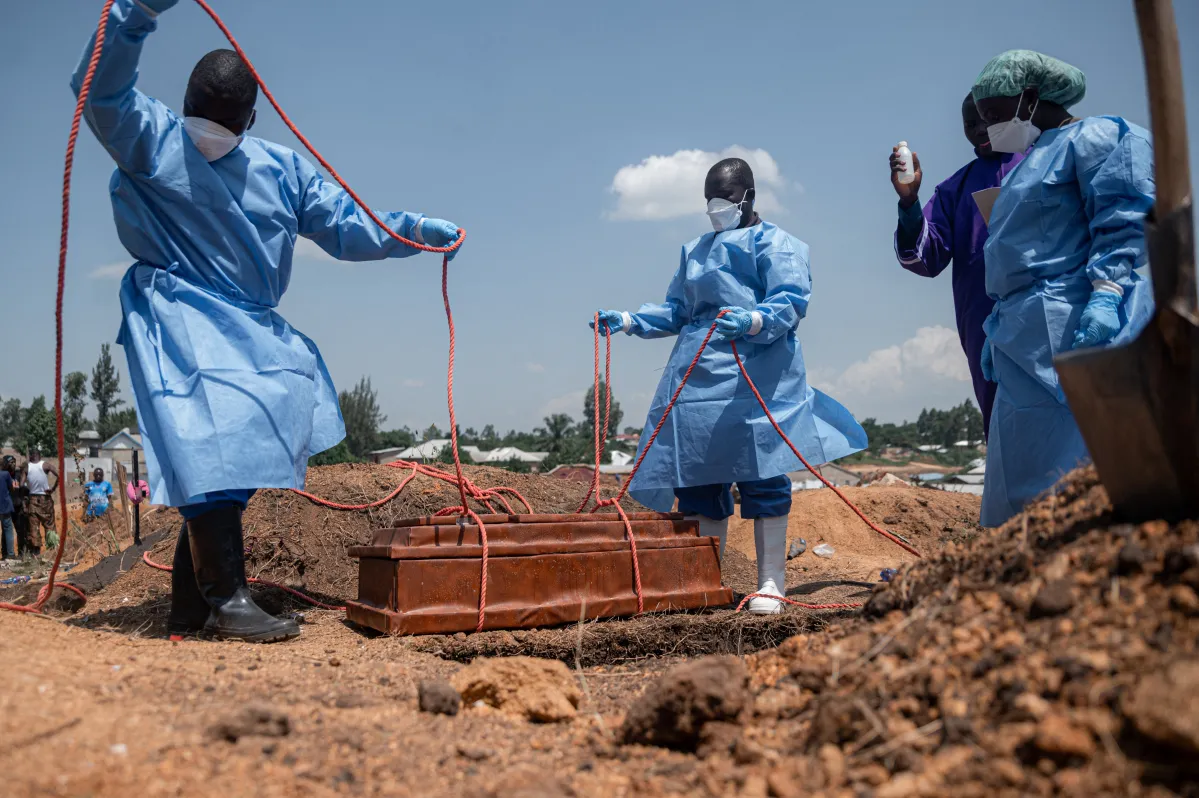
The fast-growing Ebola outbreak in the Democratic Republic of Congo in Africa caught the attention of the world after the World Health Organization (WHO) declared it a "public health emergency of international concern". Currently, there are no officially approved vaccines or treatments specifically for the Bundibugyo strain.ALSO READ: Ebola virus in India?However, the Russian Embassy in South Africa said that its scientists have developed a vaccine against a new strain of the Ebola virus. The announcement was reportedly made by Russian Health Minister Mikhail Murashko. In its post on X, the embassy wrote, “Russian scientists have developed a vaccine against a new #Ebola strain, Health Minister #Murashko announced.”— EmbassyofRussia (@EmbassyofRussia) What comes as a sigh of relief is that the embassy further stated that the vaccine may also offer protection against the rare Bundibugyo strain linked to the ongoing outbreak in the Democratic Republic of Congo. “The vaccine may also protect against the rare Bundibugyo strain linked to the outbreak in the #DRC,” the post said. Serum Institute of India to roll out Ebola vaccine soonResearchers from University of Oxford, working alongside global partners including Serum Institute of India, are also fast-tracking vaccines and treatments for the current Ebola strain responsible for outbreaks in Congo, Uganda, and South Sudan.Scientists at Oxford University said early-stage vaccine development is progressing rapidly, and clinical-grade doses could be ready within the next two to three months if pre-clinical trials continue successfully.“Animal studies for the Oxford vaccine candidate are already under way and will be progressing with partners around the world. As for timelines, Serum Institute of India is an organisation that goes far and fast. So we are hoping to have clinical grade vaccine doses ready within two to three months,” Prof Teresa Lambe, Head of Vaccine Immunology, Oxford Vaccine Group, Pandemic Sciences Institute, University of Oxford, told a virtual meeting, reports The Indian Express. Which technology is the Ebola vaccine based on?According to researchers from University of Oxford, the new Ebola vaccine is being developed using the ChAdOx platform, the same adenoviral vector technology that was used in Oxford’s COVID-19 vaccine. Scientists say this existing platform has helped speed up vaccine development because extensive safety and immune-response data are already available from previous studies.Professor Lambe explained that the technology allows researchers to move faster in both early-stage testing and manufacturing preparation. The vaccine candidate is currently being designed as a single-dose shot, similar to the licensed Ebola Zaire vaccine. Researchers are aiming to generate both:Antibody responsesT-cell immune responsesThese are considered important for protection against the virus. However, scientists also cautioned that long-term immunity against the Bundibugyo strain of Ebola is still not fully understood.How severe is the current Ebola outbreak?The ongoing Ebola outbreak, caused by the Bundibugyo Ebolavirus strain, has spread across parts of central and eastern Africa, including Congo, Uganda, and South Sudan.Tedros Adhanom Ghebreyesus, Director-General of the World Health Organization, said the outbreak is currently “outpacing response efforts,” with suspected deaths rising sharply in recent weeks. The worsening situation has triggered urgent international action involving:Global vaccine and manufacturing partnersCoalition for Epidemic Preparedness InnovationsOxford’s biomanufacturing facilitiesAccelerated regulatory approvals in affected countriesScientists and health agencies are now working to rapidly scale vaccine production and response measures to contain the outbreak.
Ebola vaccine update: Russia claims a breakthrough; Oxford researchers, Serum Institute of India aim to begin trial in 3 months
A new Ebola vaccine developed by Russian scientists shows promise against the current outbreak strain in the Democratic Republic of Congo. Researchers at Oxford University are also rapidly advancing vaccine development. These efforts aim to combat the fast-growing outbreak. The vaccines utilize established technology for quicker production. International partners are collaborating to scale up manufacturing and response measures.
537 words~2 min read