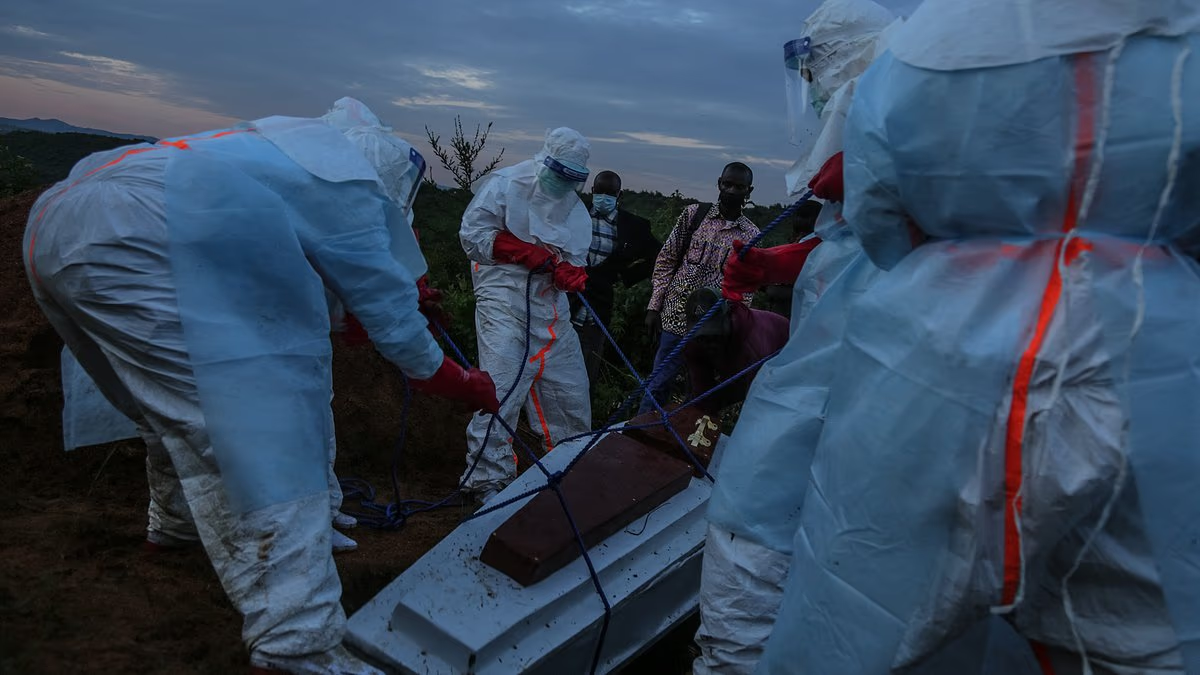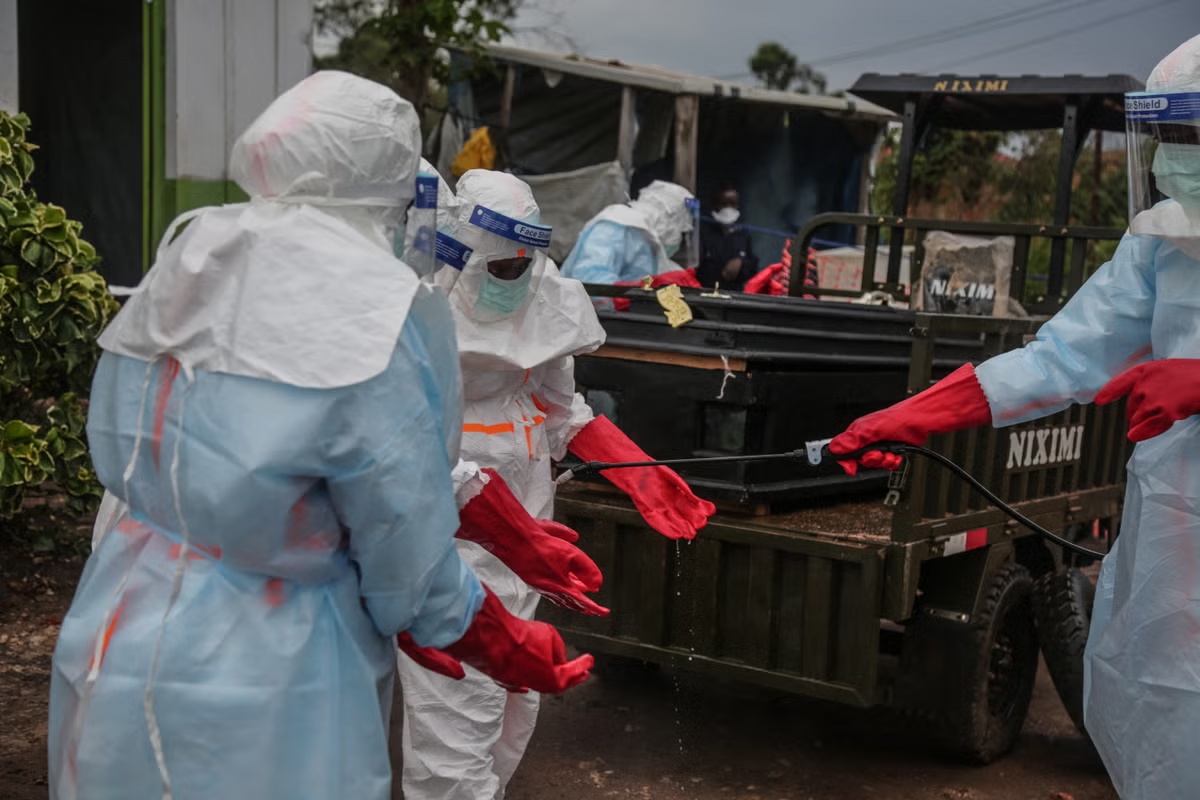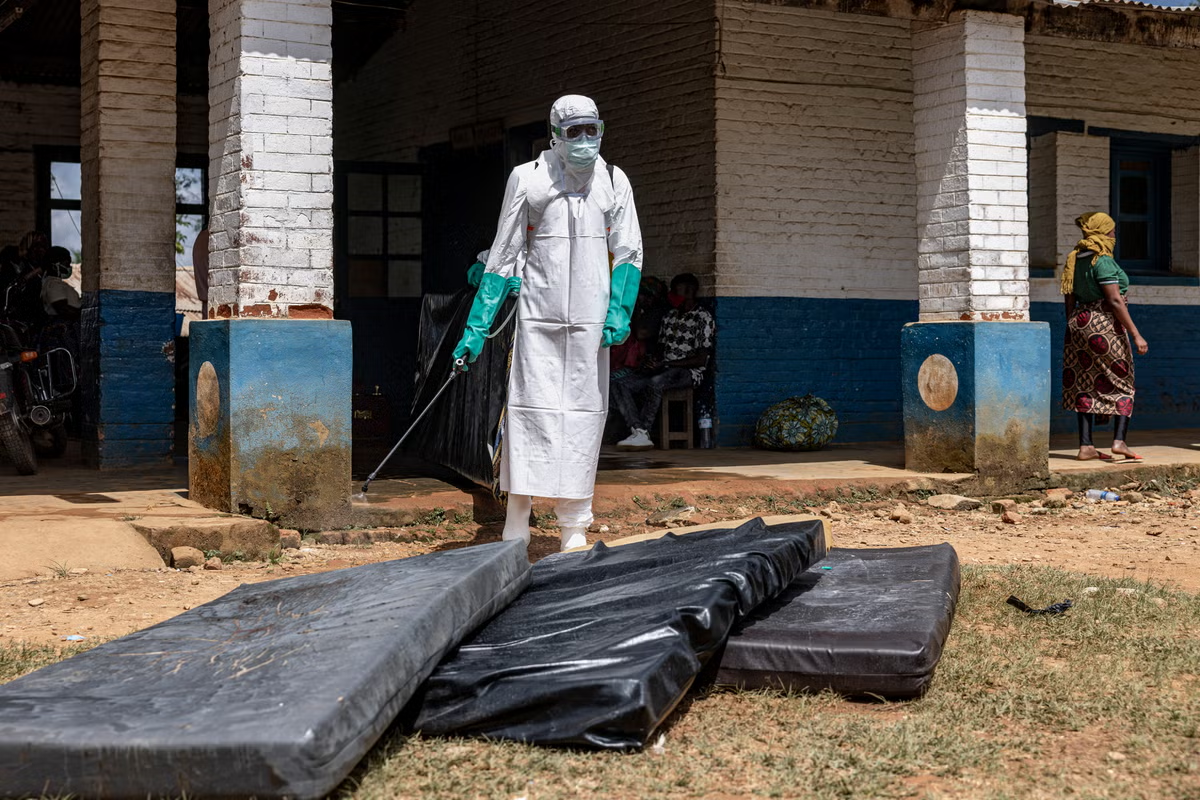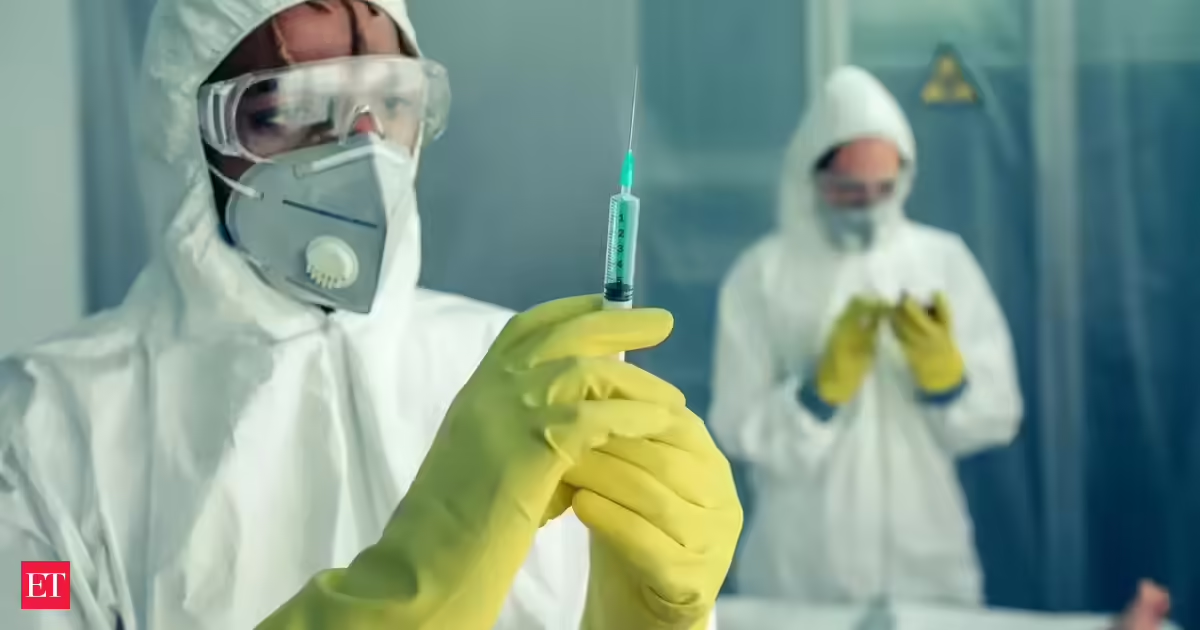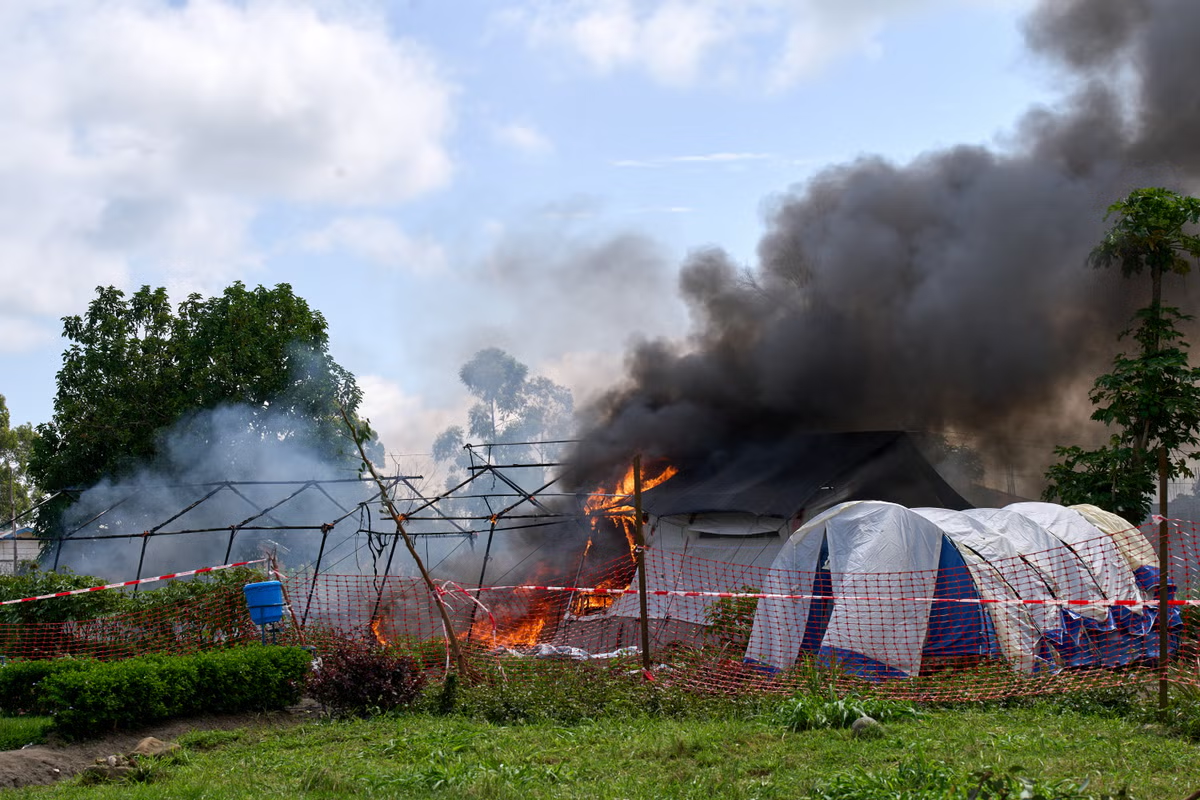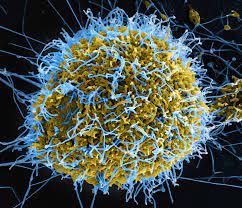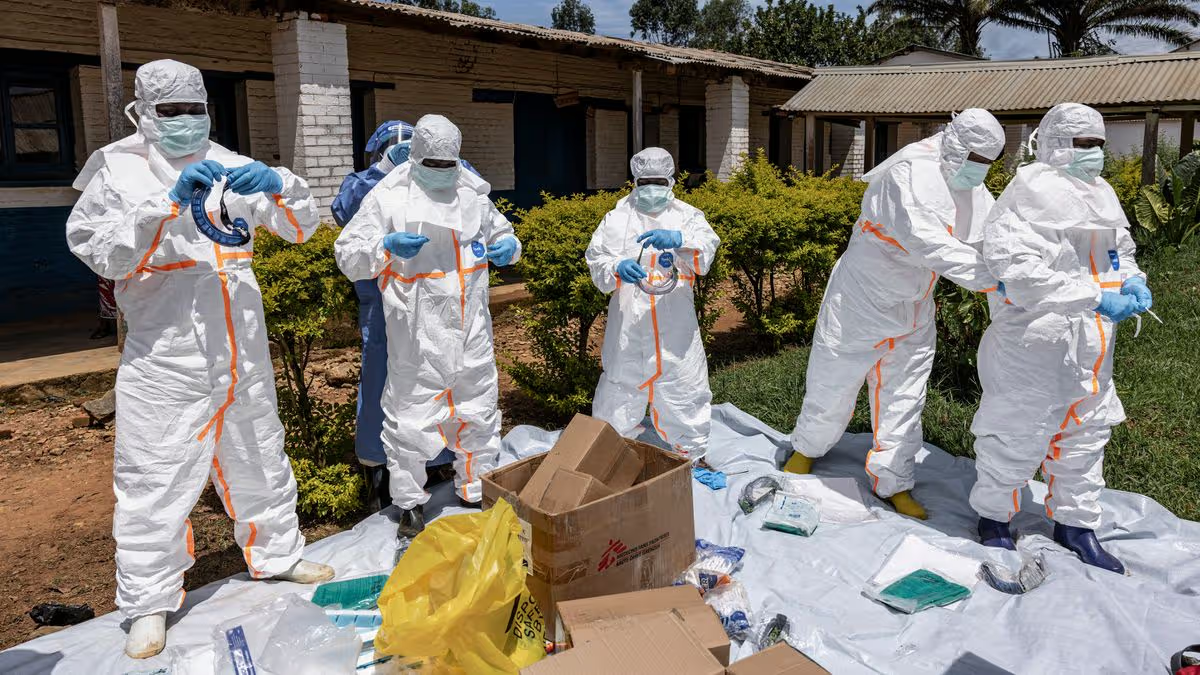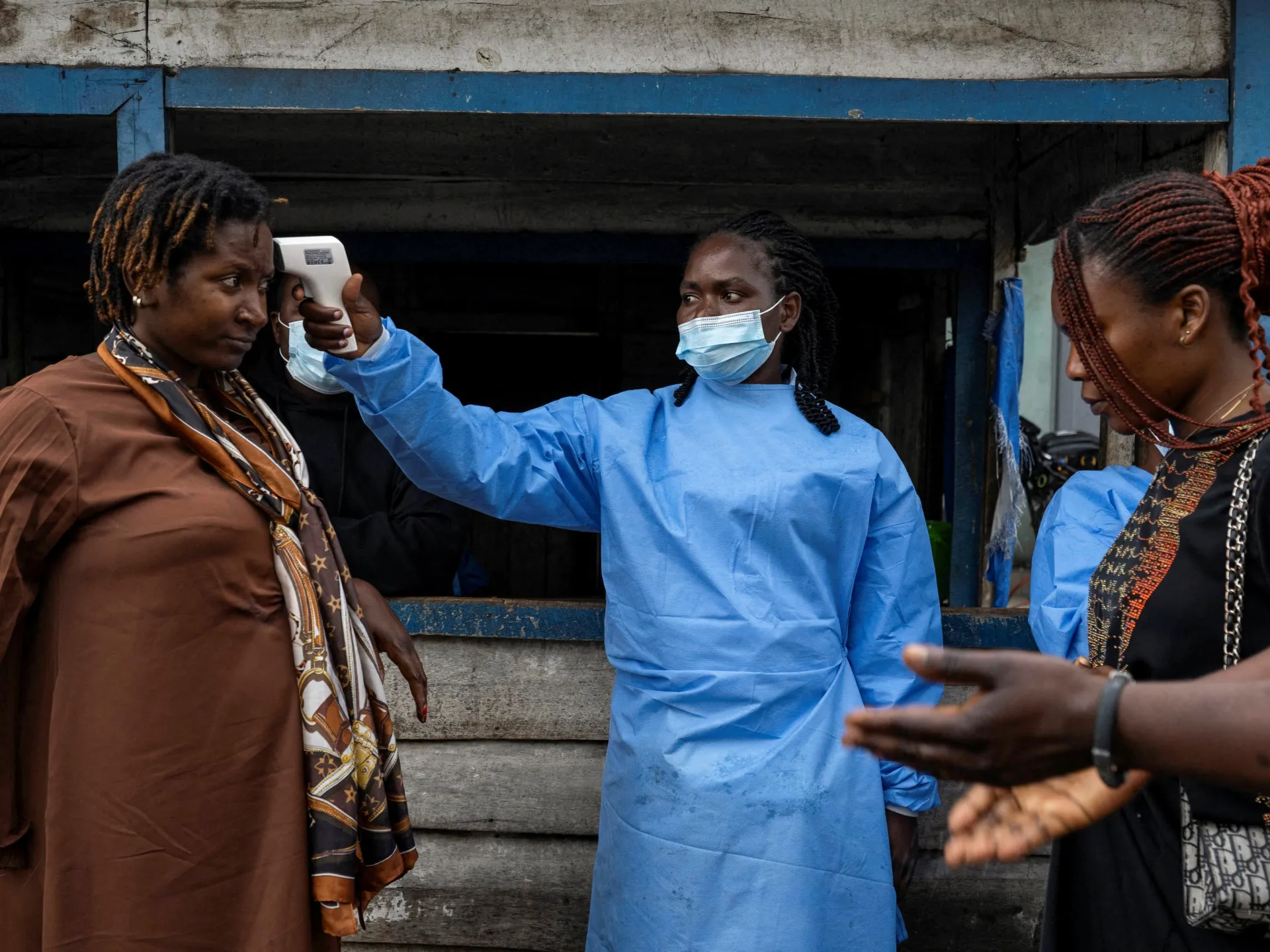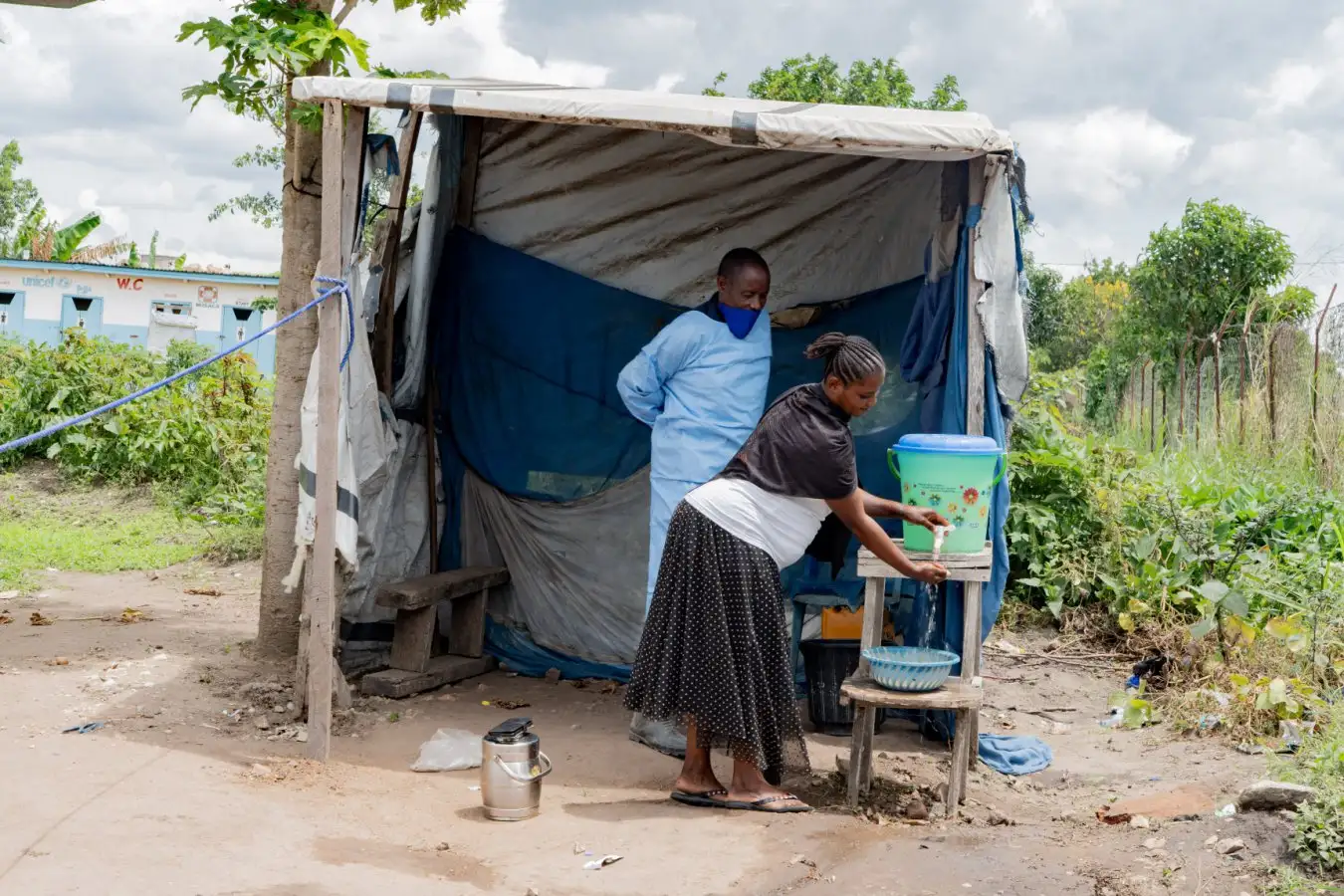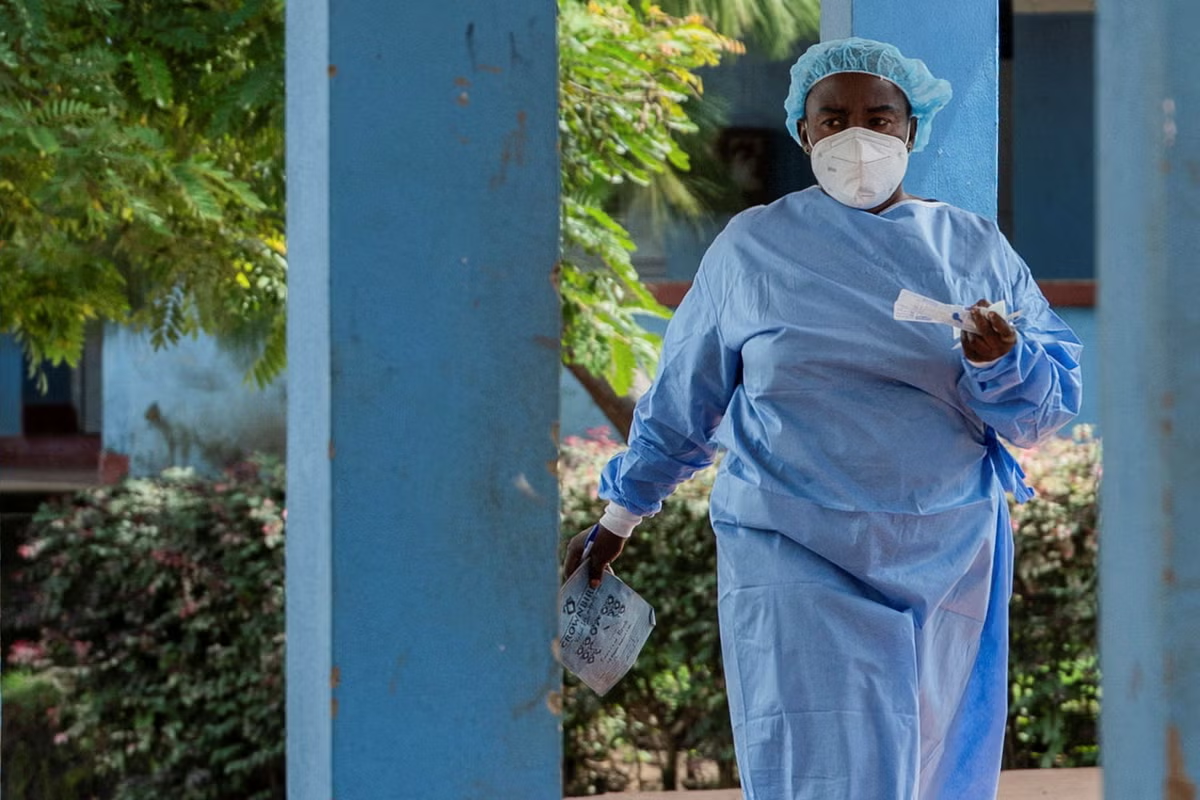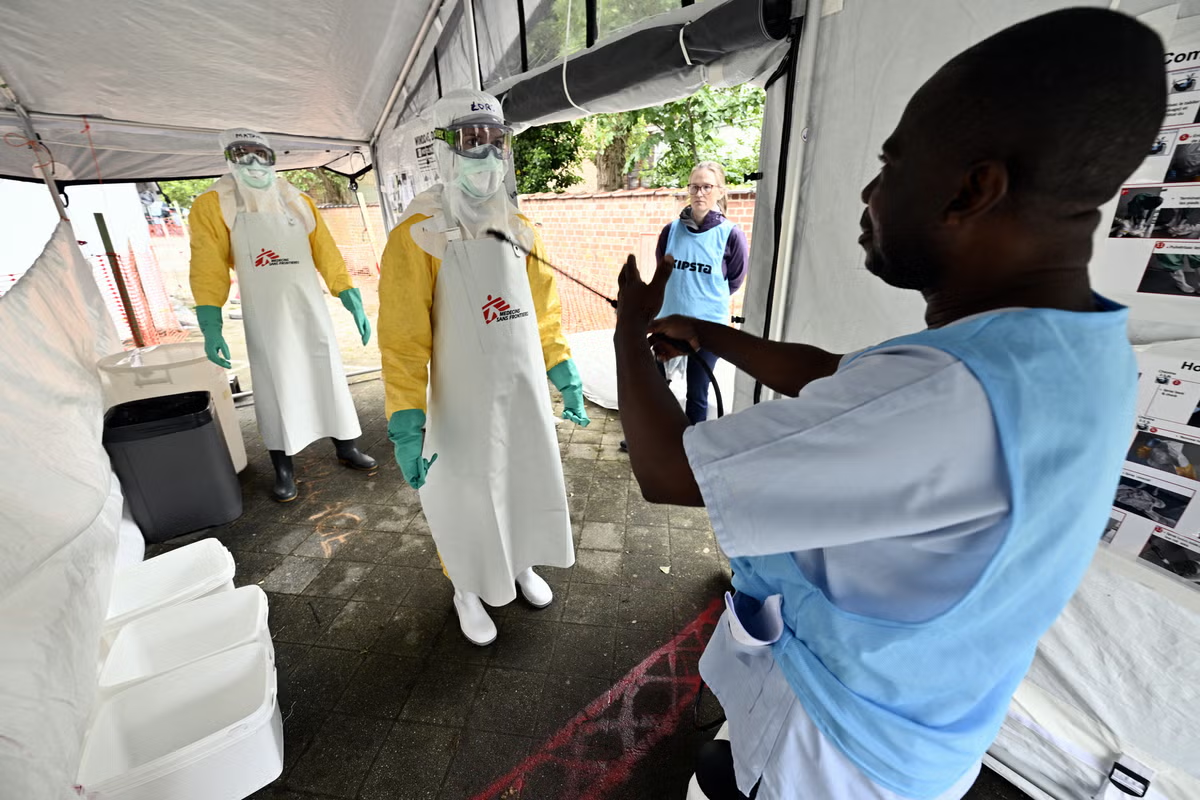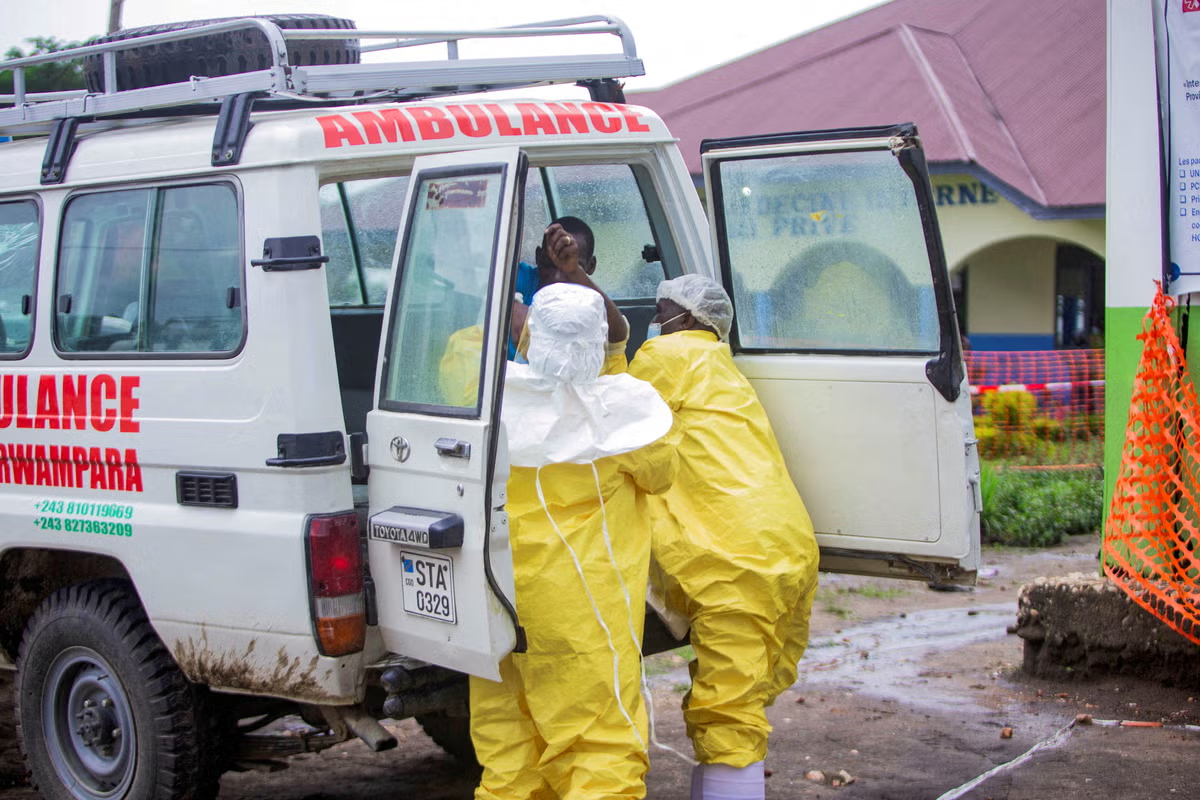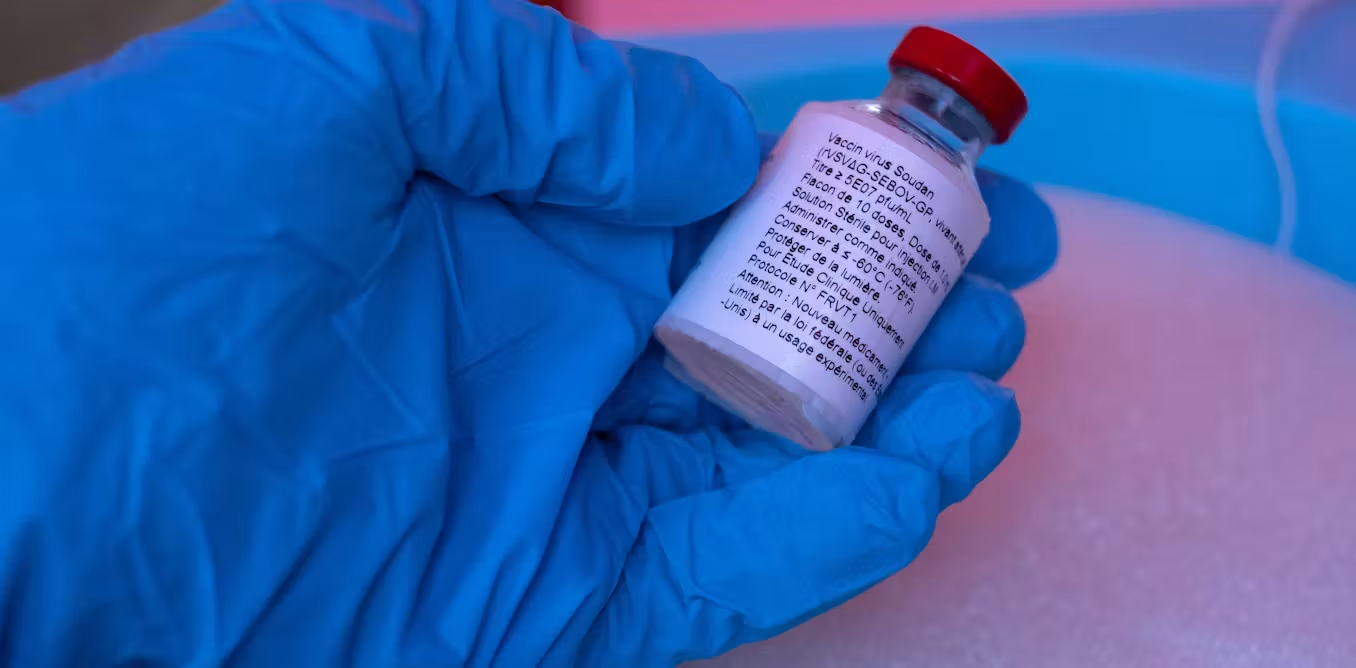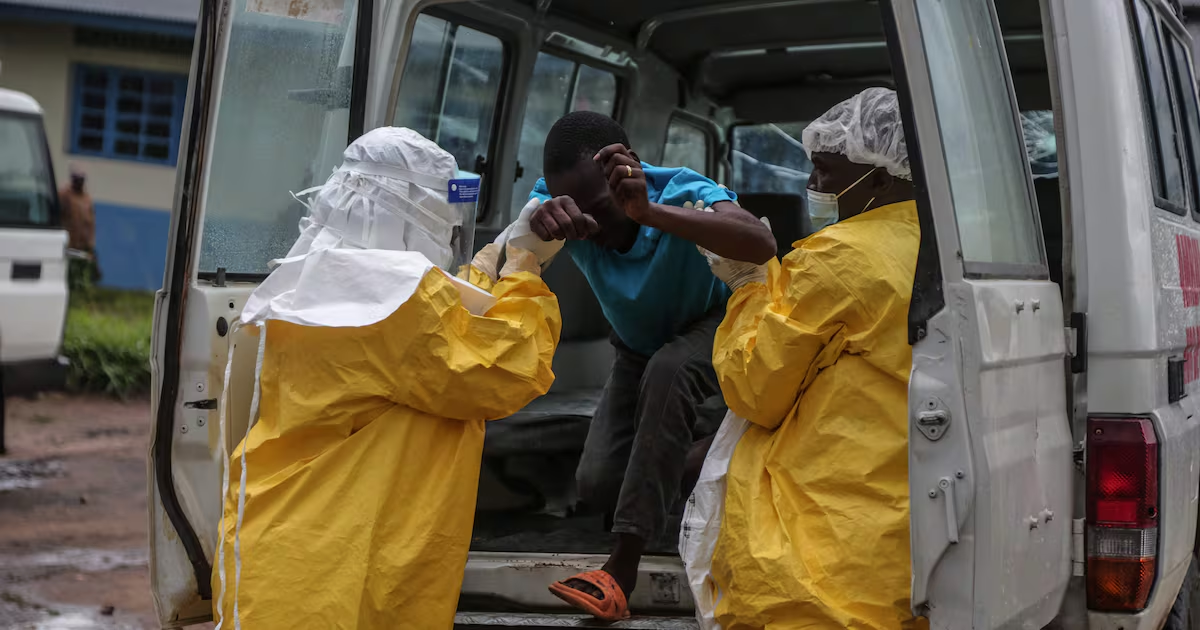
Scientists are working to modify a vaccine developed during the Covid-19 pandemic to combat the outbreak of the Bundibugyo species of Ebola, which has so far claimed more than 170 lives.The strain, for which there is no approved vaccine or treatment, was declared an emergency of international concern by the World Health Organisation this week.It kills around a third of people infected, and there have been around 750 cases so far, centred on the Democratic Republic of Congo.On Friday, the WHO raised the risk of the strain turning into a national outbreak in the DRC to "very high".“We are now revising our risk assessment to very high at the national level, high at the regional level, and low at global level," WHO Chief Tedros Adhanom Ghebreyesus said. Measures taken in Uganda, including intense contact tracing and cancellation of a mass gathering, appear to have been effective in stemming the spread of the virus, Dr Tedros said."The potential of this virus spreading rapidly is high, very high, and that changed the whole dynamic," said Abdirahman Mahamud, WHO Director of Health Emergency Alert & Response Operations.The research team embedded in the trials to find a vaccine for the 2013 West Africa Ebola outbreak has continued to develop potential candidates and are hopeful that the technology – known as ChAdOx1 – which was developed during Covid and is based on a common cold virus can be adjusted to work against the latest infection. Scientists at the Oxford Vaccine Group said they were working urgently with Oxford University’s Clinical Biomanufacturing Facility and the Serum Institute of India to “rapidly produce and scale doses” of a candidate vaccine. They are also accelerating testing.In a statement, the OVG said: “The ChAdOx platform, a type of viral-vector vaccine, has previously demonstrated a vital role in the development of vaccines for emerging infectious diseases and responding to outbreak scenarios. This platform underpinned the Oxford/AstraZeneca COVID-19 vaccine, which was estimated to have saved more than 6 million lives in its first year of use globally.“This long-standing work and existing expertise are critical in enabling a rapid response during public health emergencies.”Prof Teresa Lambe, head of vaccine technology at the Oxford Vaccine Group, said: “My hope is that this outbreak can be brought under control quickly and that vaccines are ultimately not needed. Nevertheless, our team and partners will continue working to ensure that potential vaccine options are available if they are needed.“The ability to move rapidly in situations like this has been built on many years of vaccine research and close collaboration with our global partners.”Prof Teresa Lambe's team at the Oxford Vaccine Group is trying to develop a vaccine to combat the latest strain of Ebola. PAInfoMeanwhile, the WHO's chief scientist, Sylvie Briand, said an antiviral treatment called Obeldesivir could be used among Ebola contacts to prevent them developing the disease.Obeldesivir is an experimental oral Covid antiviral drug from Gilead Sciences."This is a promising treatment drug, but it has still to be implemented under a very, very strict protocol," Ms Briand said.It would be a mistake to underestimate the risk posed by the Ebola outbreak, the WHO regional director for Africa said on Friday. Mohamed Yakub Janabi said in an interview at WHO headquarters in Geneva: "So I would really encourage everyone, let's help each other, we can bring this thing into control," he said.He added that the outbreak of Ebola in Congo has had relatively little global attention compared with this month's hantavirus outbreak, which affected cruise ship passengers from 23 countries including major powers.Abdirahman Mahamud, Director of WHO Health Emergency Alert and Response Operations, said the dynamic around the outbreak had changed due to its rapid spread. EPAInfo“You just need one contact case to put all of us at risk, so my wish and prayer is that we should give (Ebola) the attention it deserves,” he said.Ebola is an often-fatal virus that causes fever, body aches, vomiting and diarrhoea. It spreads through direct contact with the bodily fluids of infected people, contaminated materials or people who have died from the disease.Mr Janabi declined to comment on the expected duration and scale of the current outbreak, saying experts on the ground were in the process of assessing this. The "hyperdynamic movement of the people" made it hard to gauge the situation, he said, adding that efforts to scale up testing, infection prevention measures and community engagement were under way.
Oxford scientists developing Ebola vaccine using Covid breakthrough | The National
WHO raises risk of Ebola outbreak in Congo to 'very high' at national level
732 words~3 min read