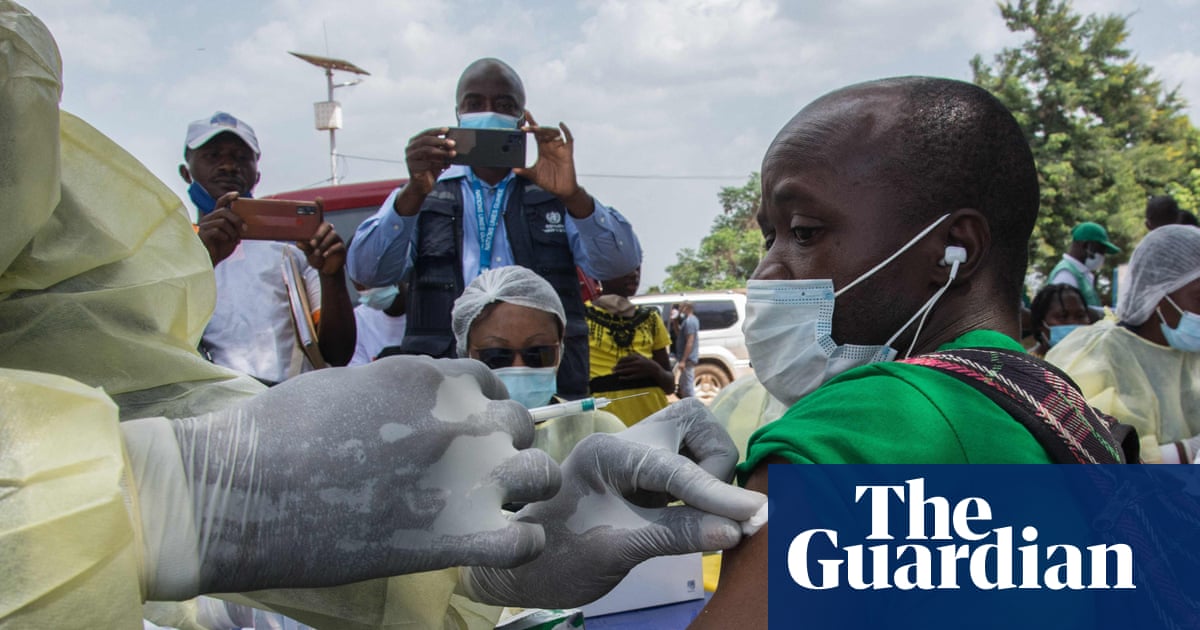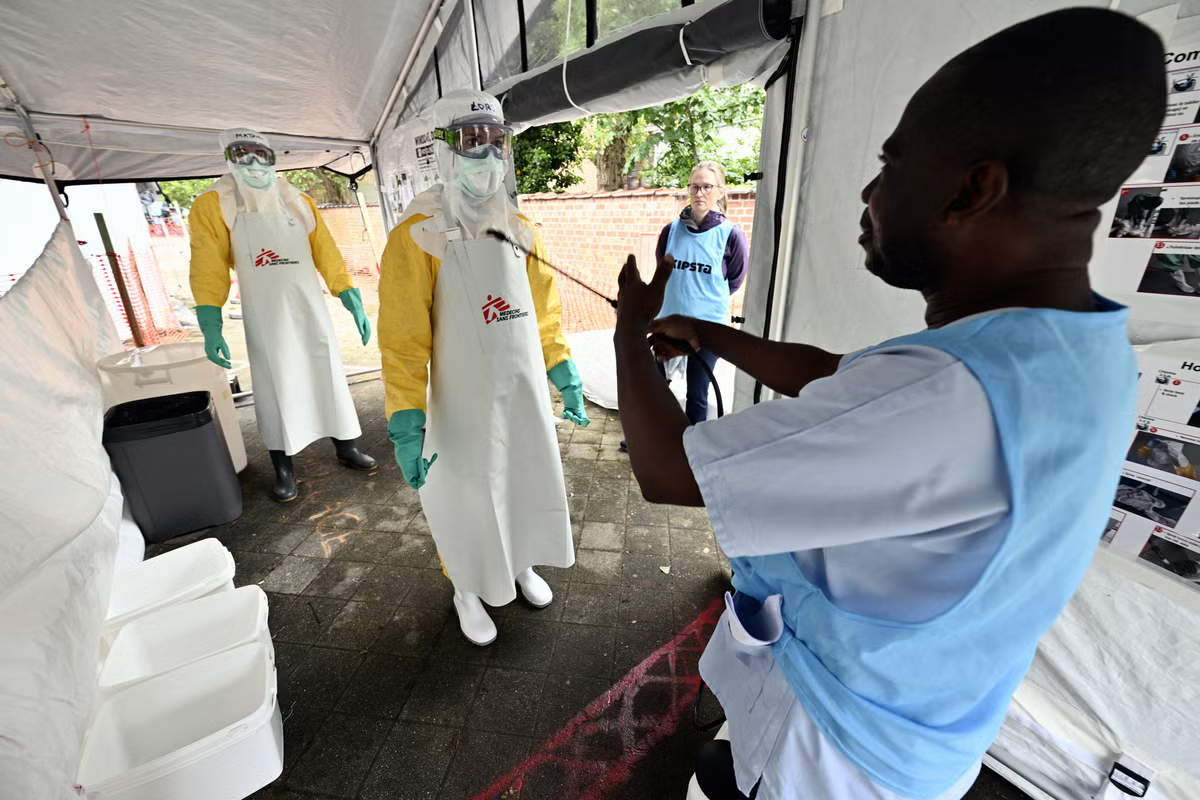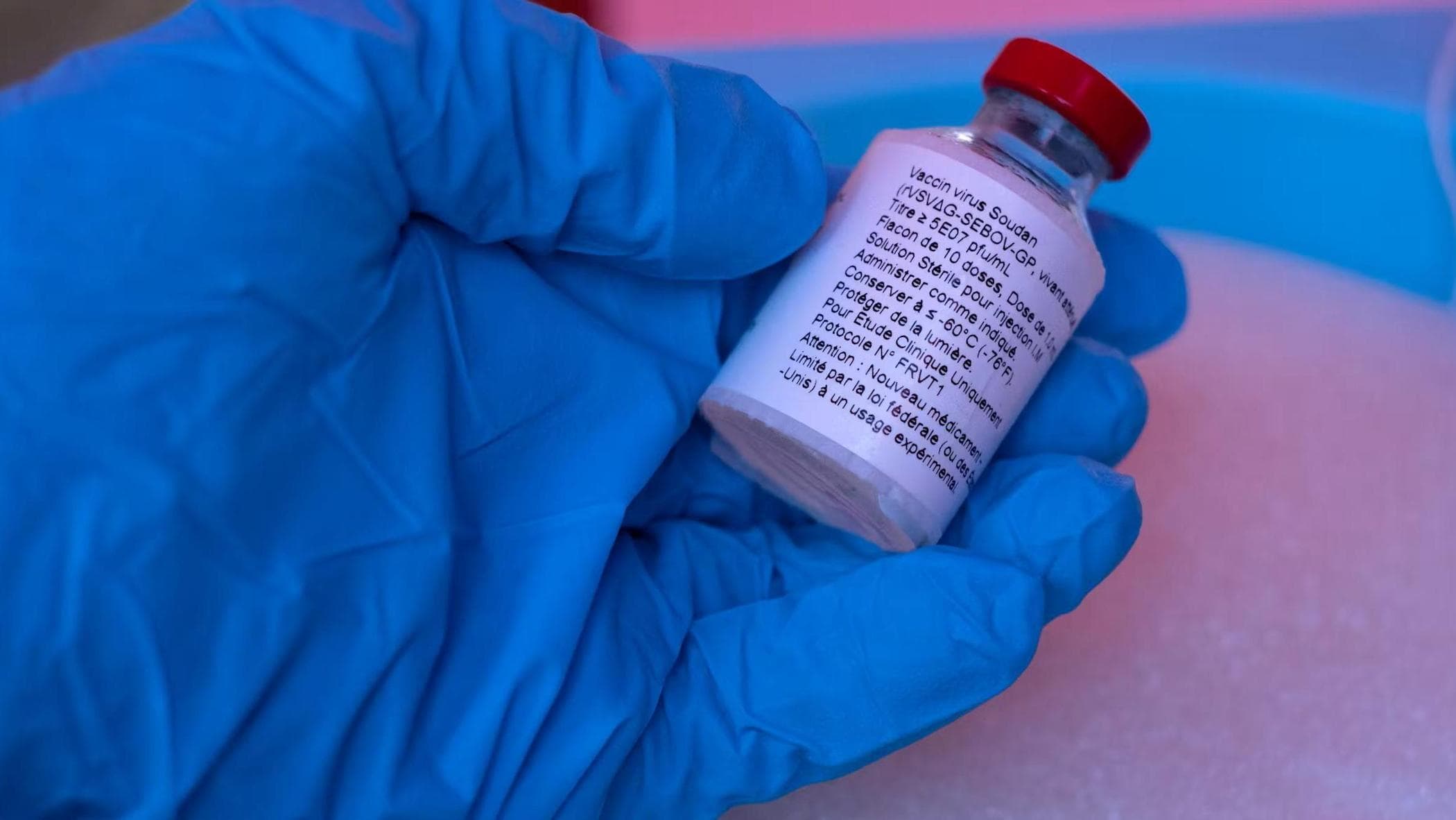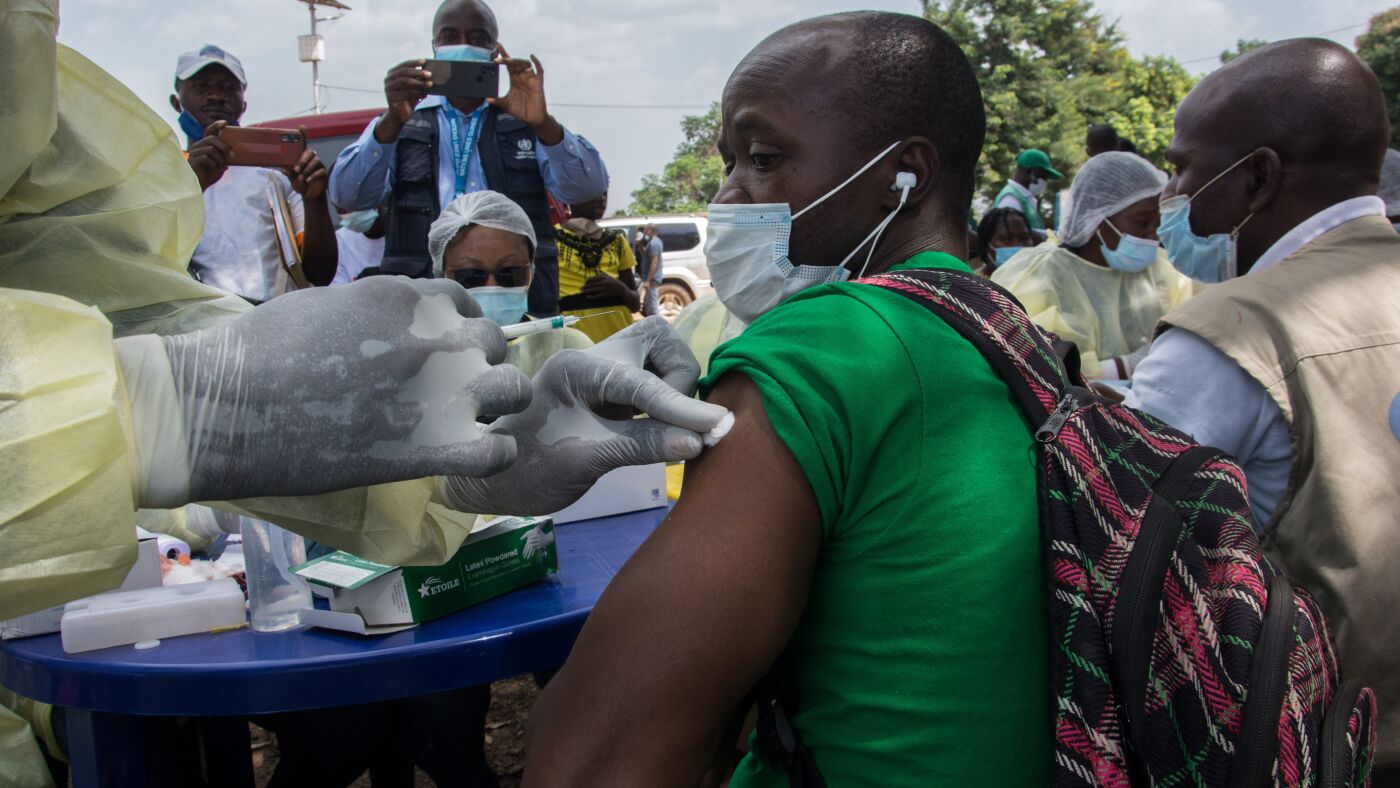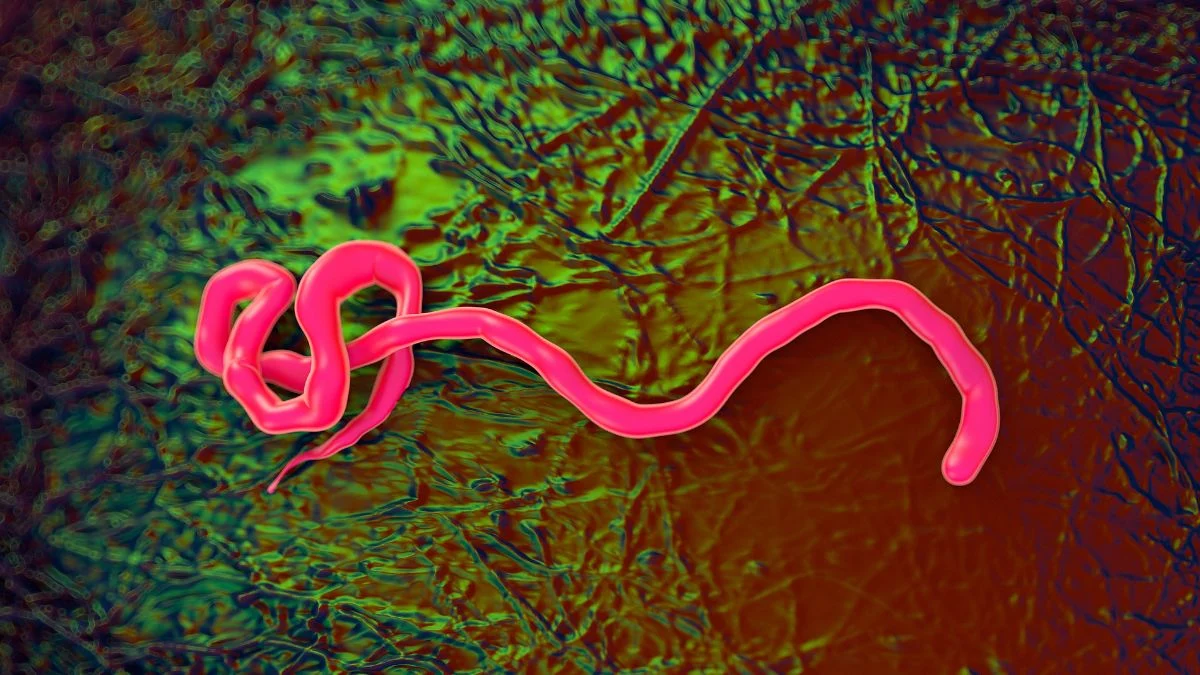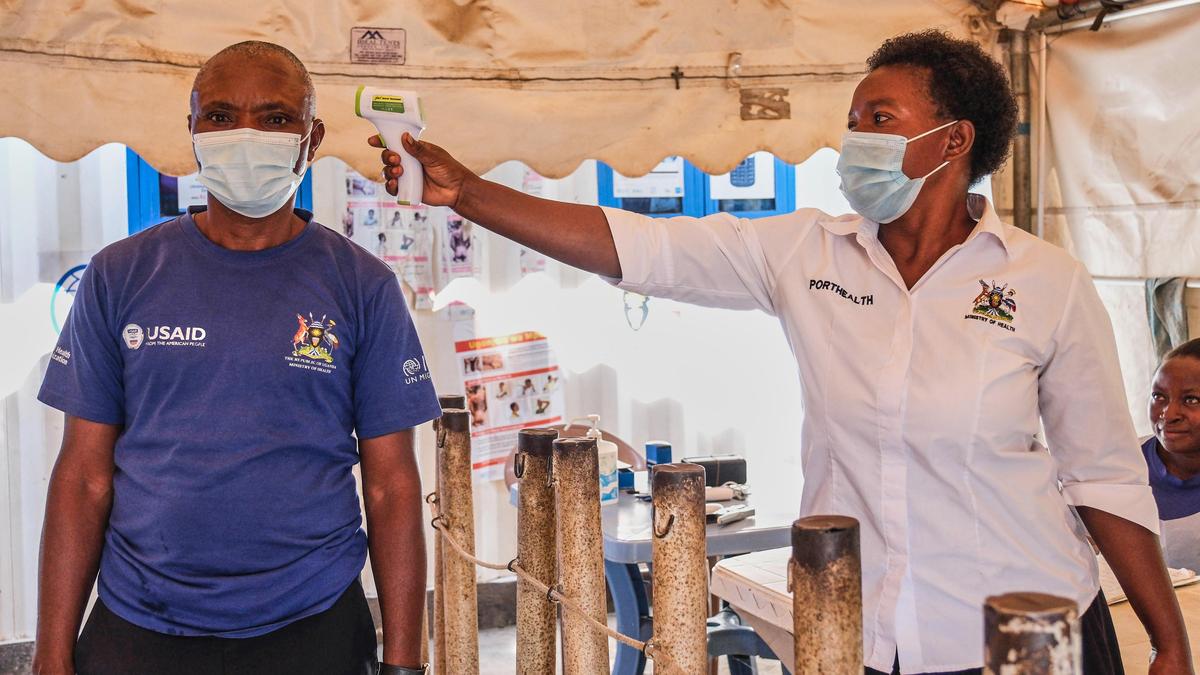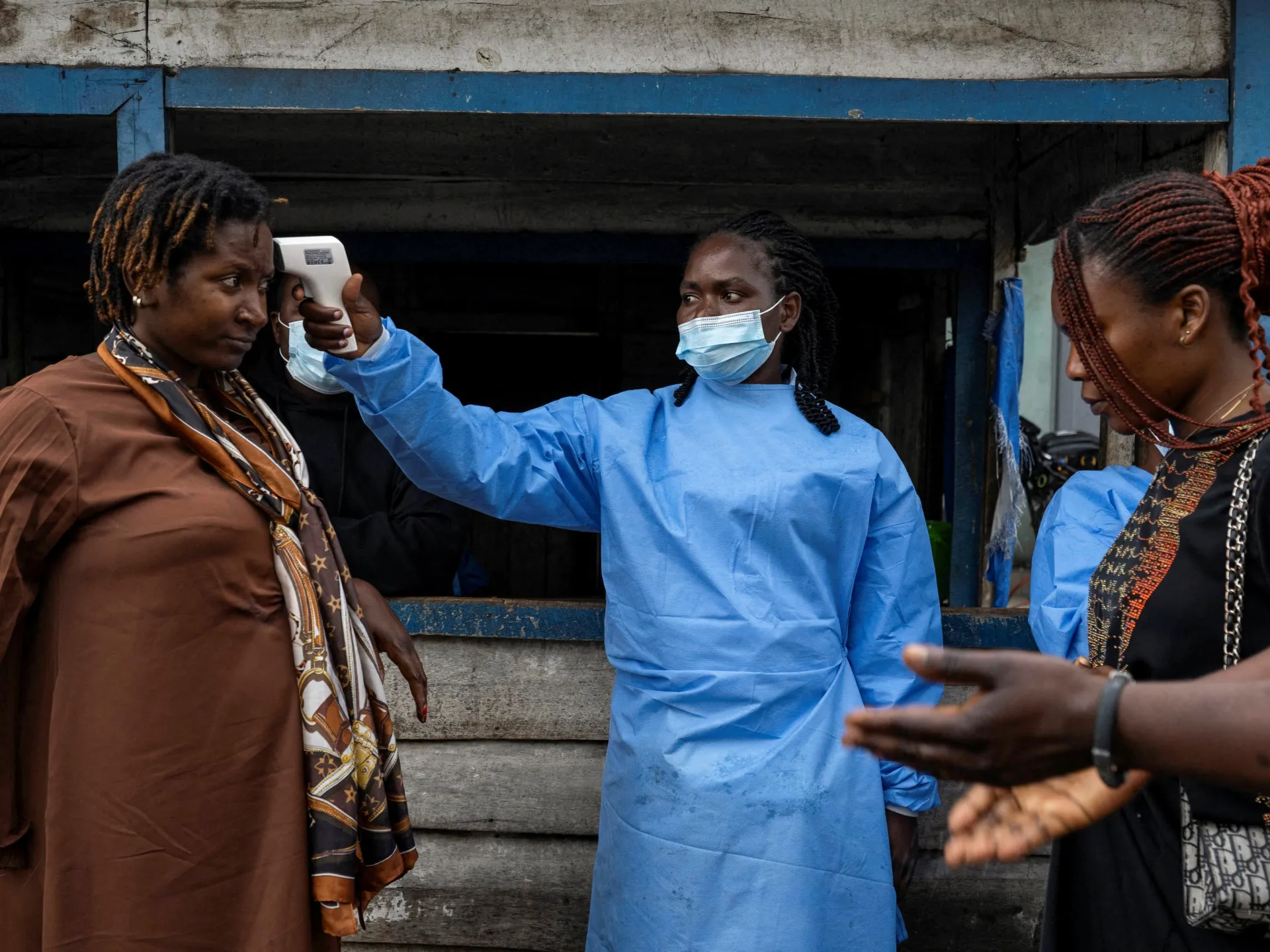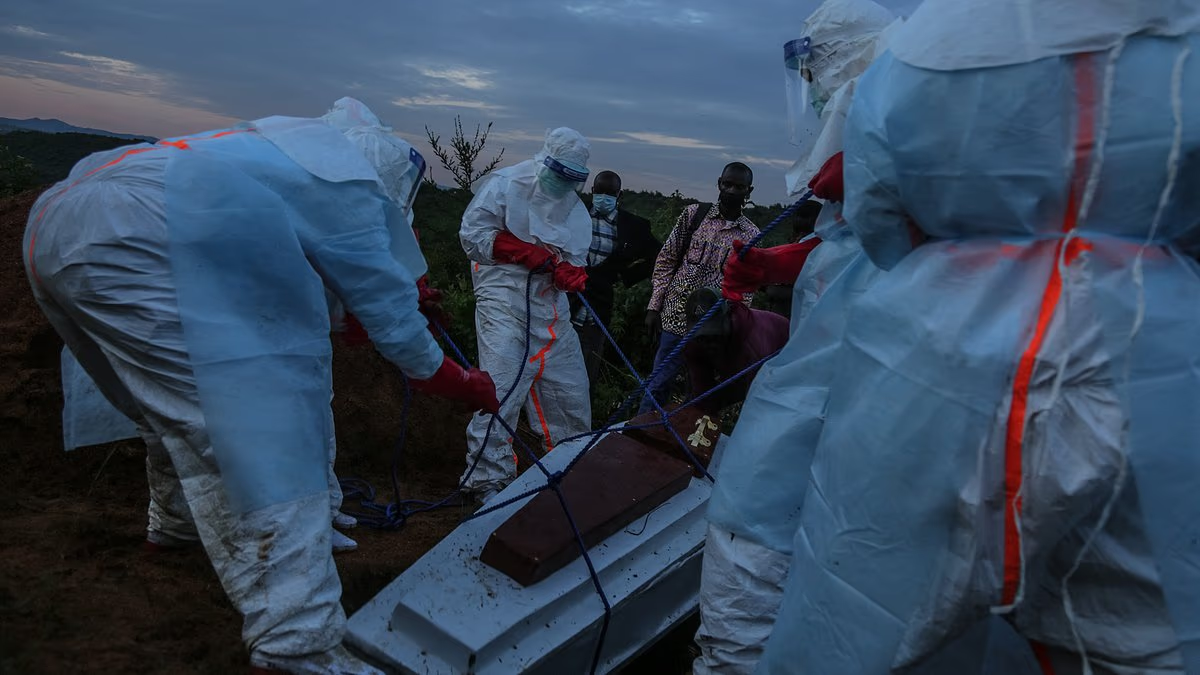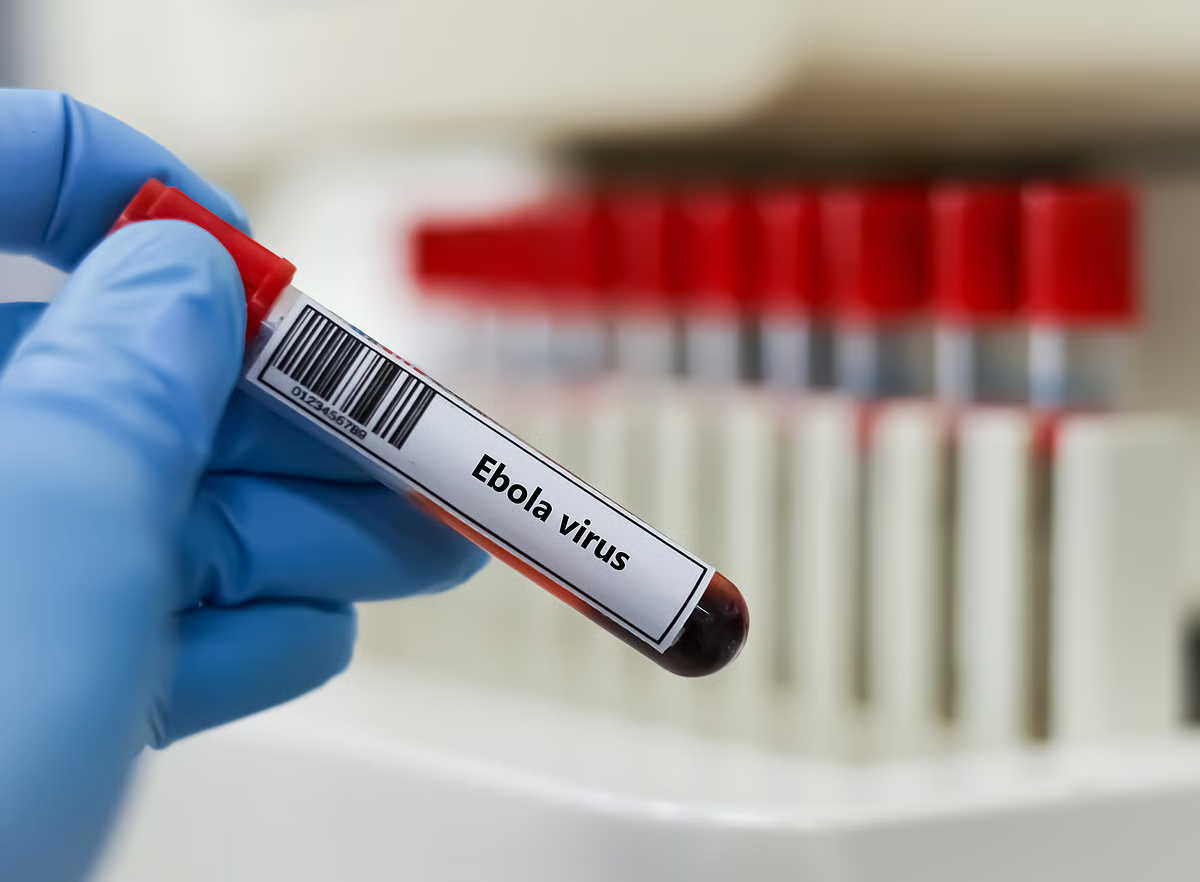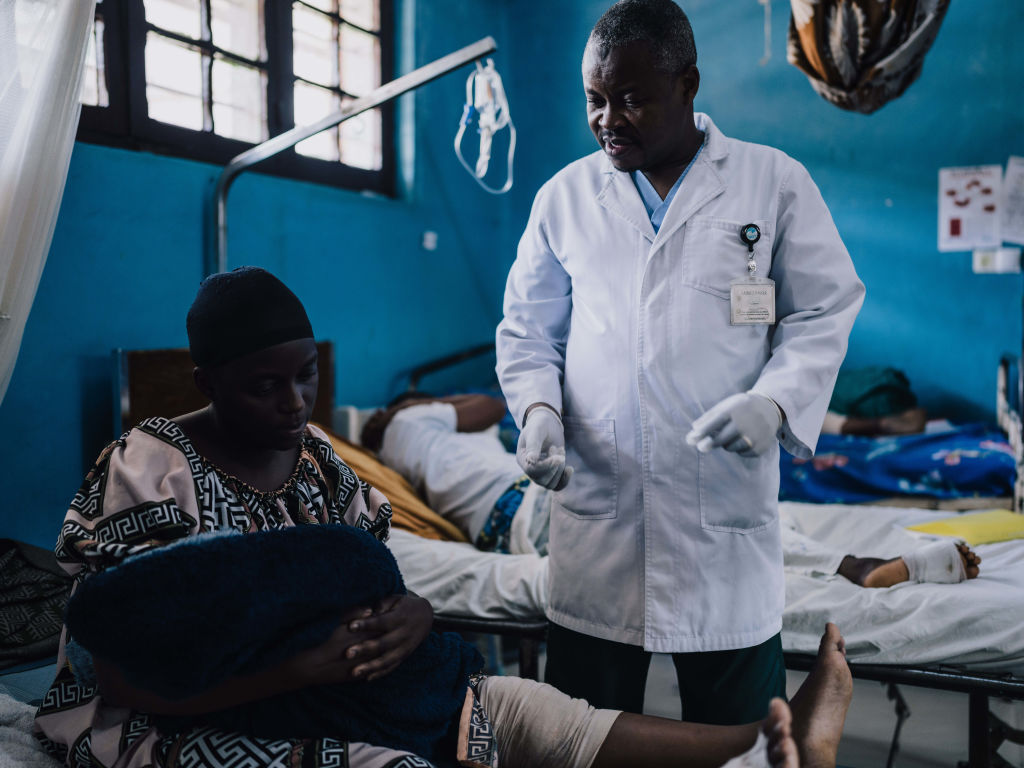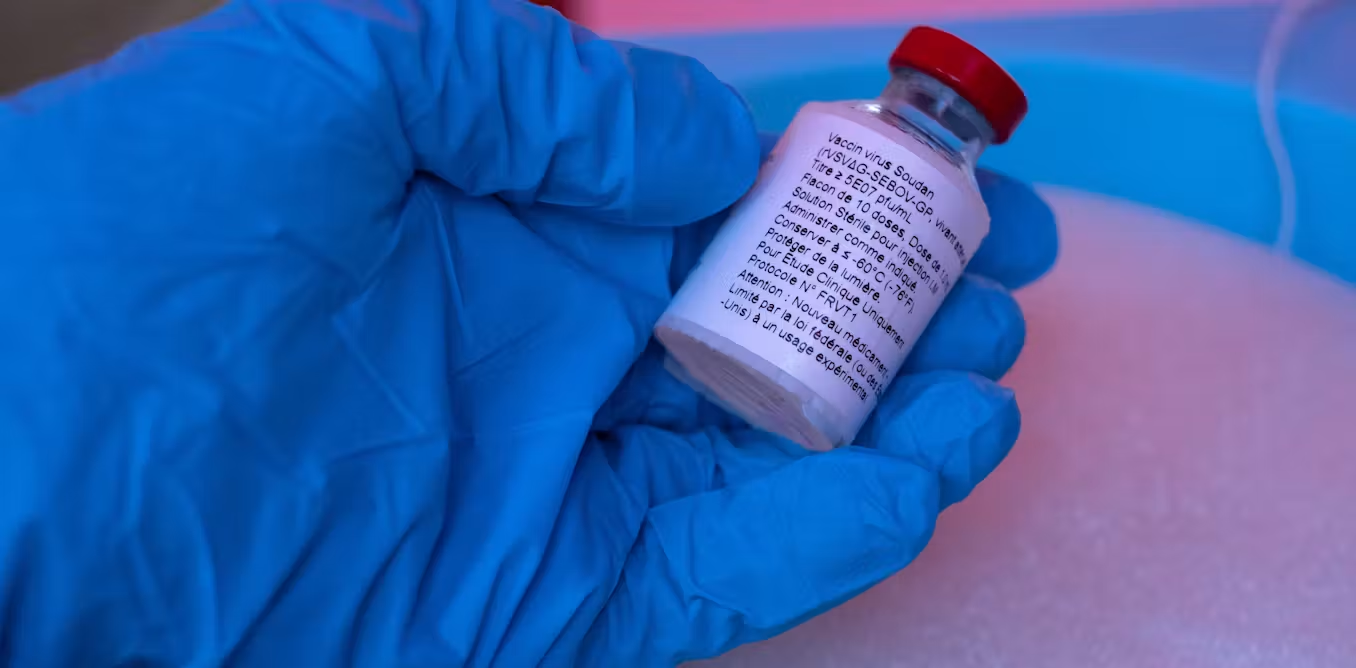
The ongoing Ebola virus outbreak in the Democratic Republic of Congo (DRC) and Uganda has now killed 61 people, with 359 confirmed cases. The Bundibugyo strain of the virus has a fatality rate of between 30% and 50%, and there is currently no vaccine approved for it. Two scientists at the University of Oxford, Teresa Lambe and Rebecca Makinson, are part of the group who are working to develop one. In early June, Oxford was one of three organisations to receive funding from the Coalition for Epidemic Preparedness Innovations for this work. They spoke to The Conversation Weekly podcast about what it takes to make an Ebola vaccine. This is an edited version of that conversation.
How dangerous is this moment?
Rebecca Makinson: It’s feeling pretty dangerous at the moment. We’re behind on the outbreak response compared to where we’ve been in previous outbreaks. Initial testing on this outbreak was done on a different species of virus. So we missed that key initial moment where we identified the virus that’s causing the disease, and we didn’t know it was Bundibugyo until later.
Cases are much higher than we’d like. And public health measures are playing catch-up.
What do we know about the Bundibugyo virus strain?