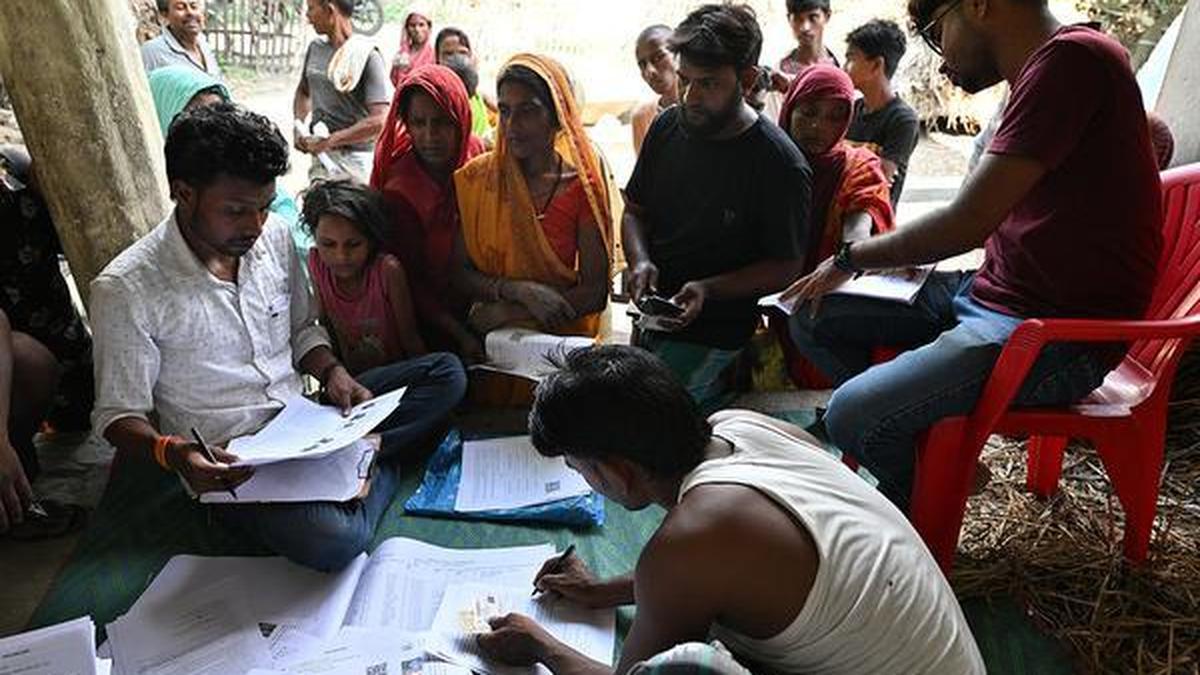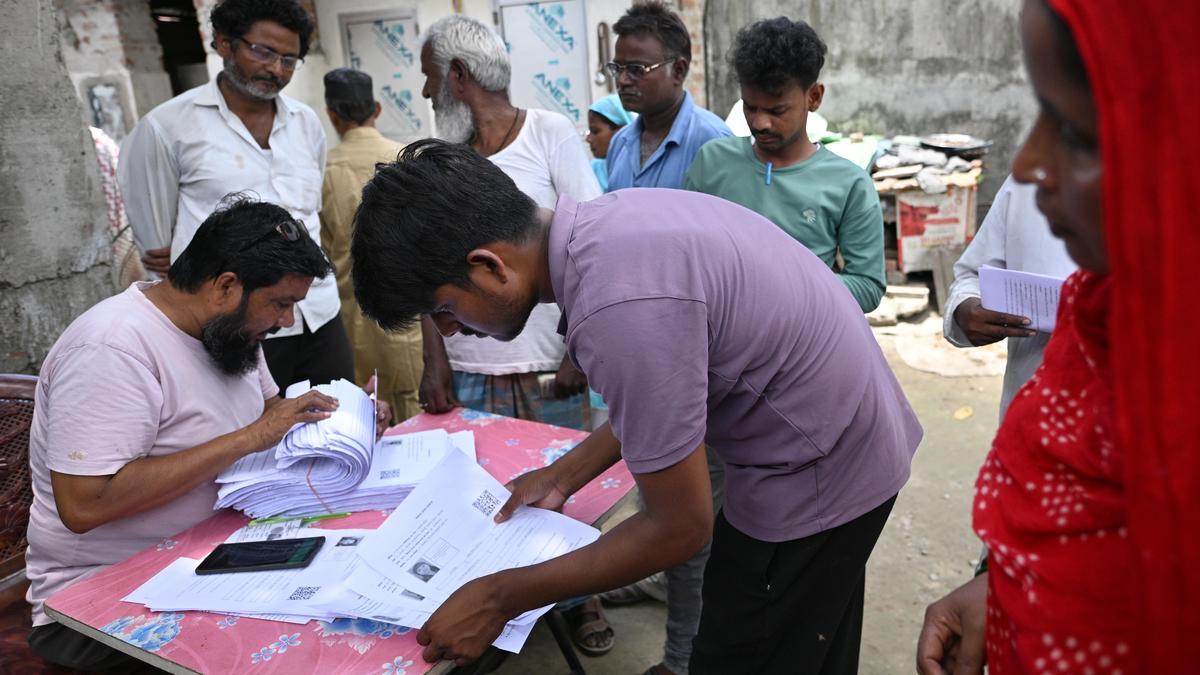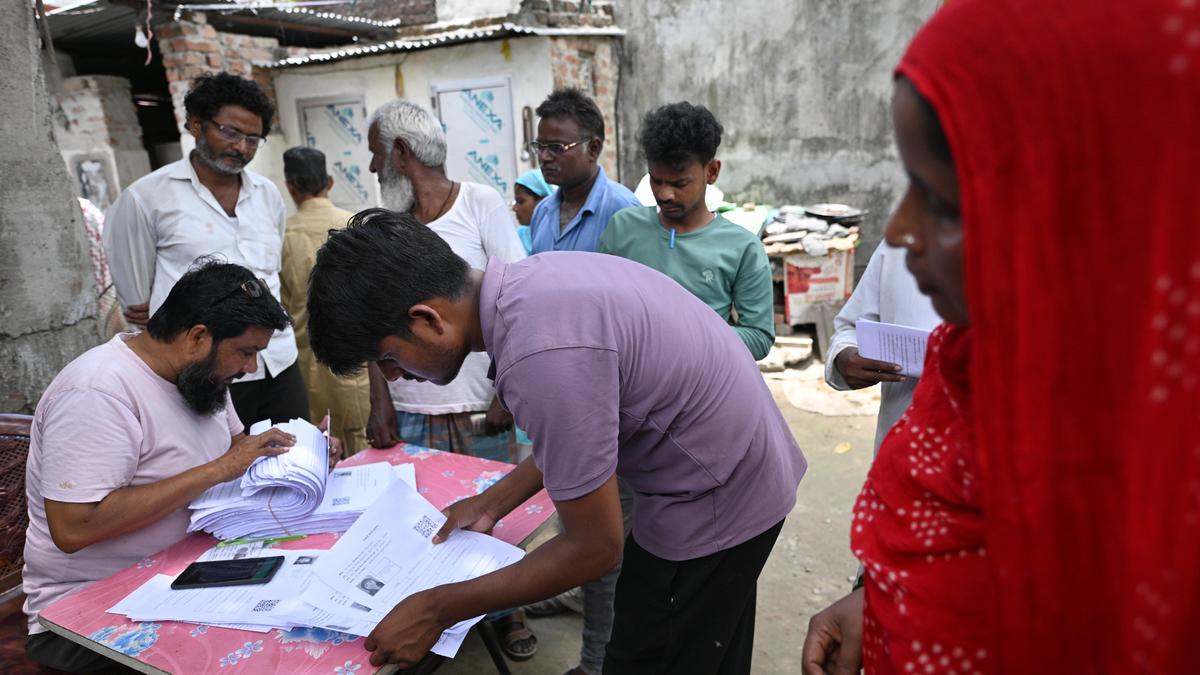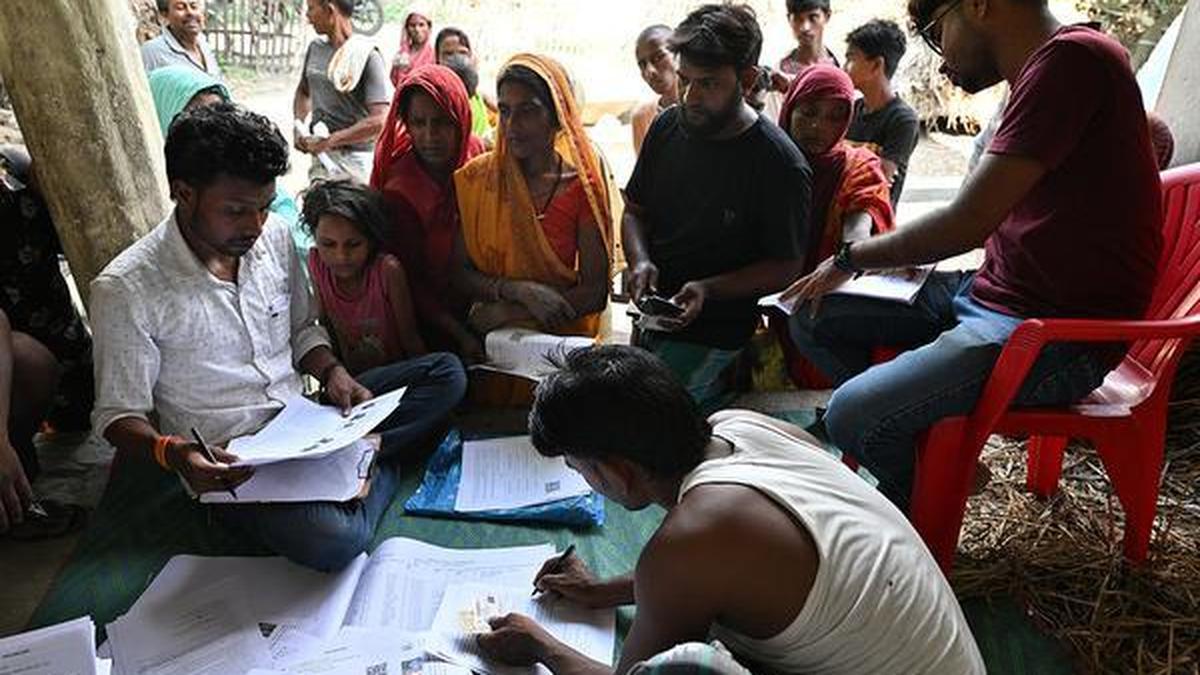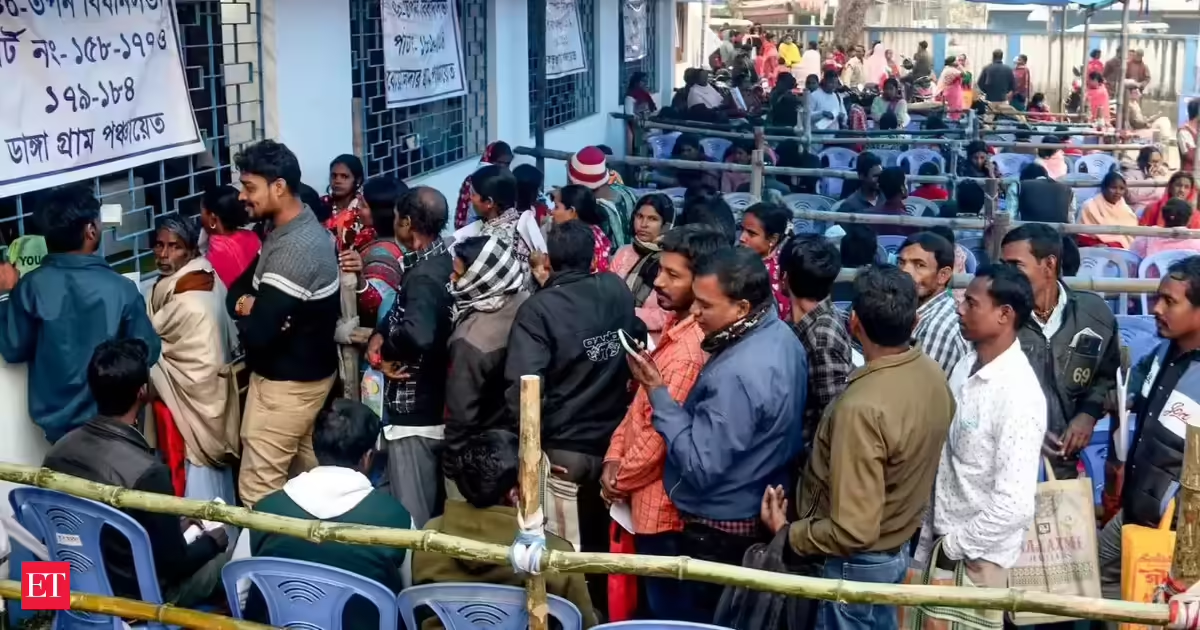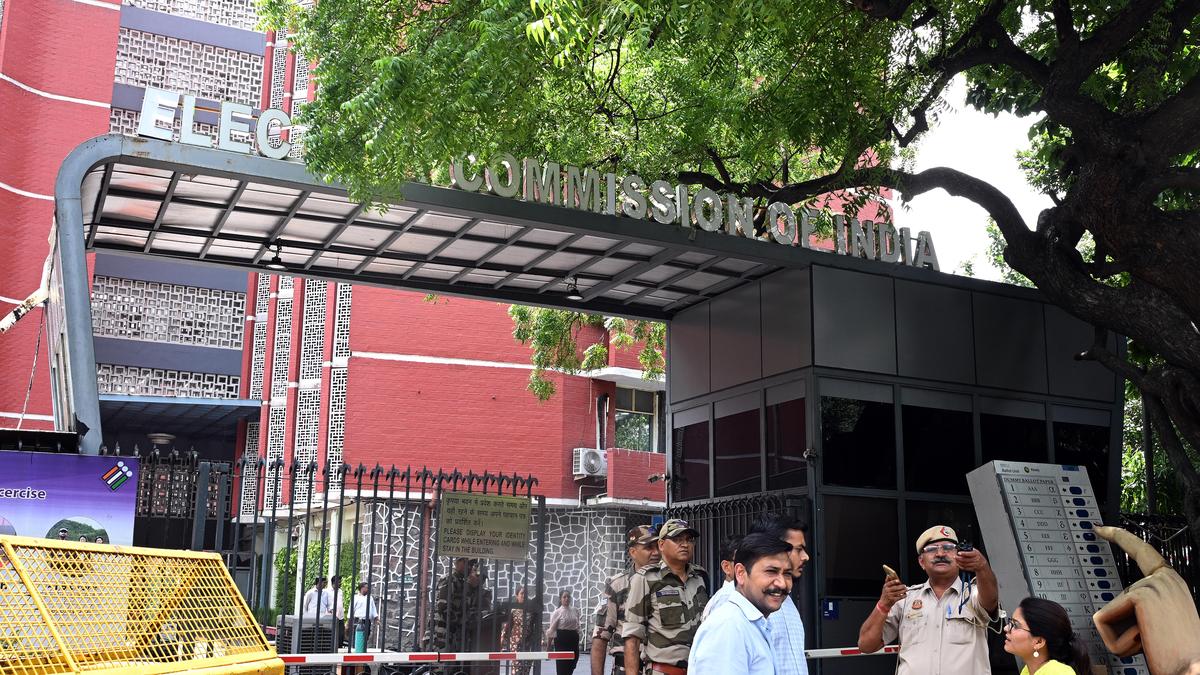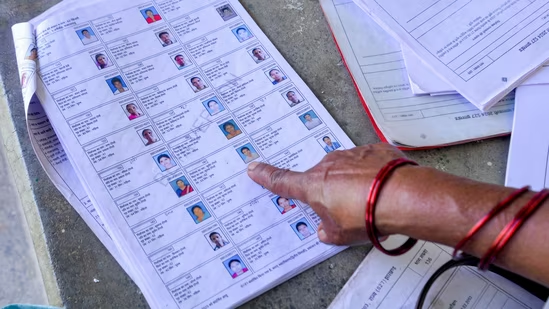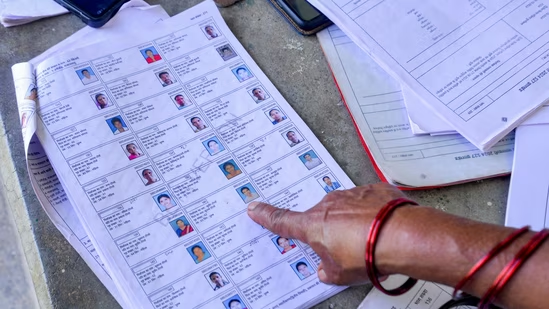
The Special Intensive Revision (SIR) exercise carried out by the Election Commission of India (ECI) does not determine citizenship, the Supreme Court said in its ruling while upholding the poll body’s power to hold SIR of electoral rolls on Wednesday.Booth Level Officers (BLOs) cross check voter list ahead of Special Intensive Revision (SIR), in Ranchi, Jharkhand. (PTI)The petitions challenging the SIR argued that the Election Commission lacks the authority under Article 326 of the Constitution, the Representation of the People Act, 1950, and rules framed under it to conduct such a large-scale SIR exercise.SC’s top quotes on SIR exercise1. “The Commission is empowered… to undertake a meaningful inquiry into citizenship for the limited purpose of satisfying itself as to eligibility for inclusion in the electoral rolls. Such an inquiry does not amount to a determination of citizenship in the strict sense.”2. “If a citizen does not appear on electoral roll that does not mean the citizen was unable to prove his citizenship, but shows the inability of the Election Commission to verify citizenship.”3. “The consequence of such a citizenship determination is correspondingly limited. It affects the individual's entitlement to be included in the electoral rolls and thereby the right to participate in the electoral process. It does not, however, operate to divest the individual of claims to citizenship, nor does it foreclose adjudication of that question by the competent authority under the Citizenship Act.”4. “In our considered opinion, the impugned SIR does not supplant the Representation of the People Act and the Rules. Rather, it breathes life into the constitutional mandate under Article 324 within the precise statutory contours provided by Section 21(3).”5. “SIR advances the constitutional imperative of free and fair elections....Free and fair elections do not rest merely upon the mechanics of polling. They fundamentally depend upon the integrity, accuracy and credibility of the electoral rolls, which form the foundation of the democratic process.”6. “Calling upon electors to furnish supporting material in the course of such an exercise does not amount to negation of the presumption. Rather, it reflects the procedural mechanism through which the Commission seeks to reaffirm or, where necessary, correct existing entries.”7. “The evolution of the documentation framework in the present case suggests that the list of documents is indicative of materials ordinarily available to electors…The argument that the regime is exclusionary therefore does not commend acceptance in the absence of material demonstrating that the prescribed documents are, by their very nature, inaccessible.”
'Not appearing on SIR electoral roll does not mean end of citizenship': Top quotes from SC's order
The court said the ECI can examine citizenship, but only to the extent of deciding whether a person should be included in or removed from the electoral rolls | India News
408 words~2 min read