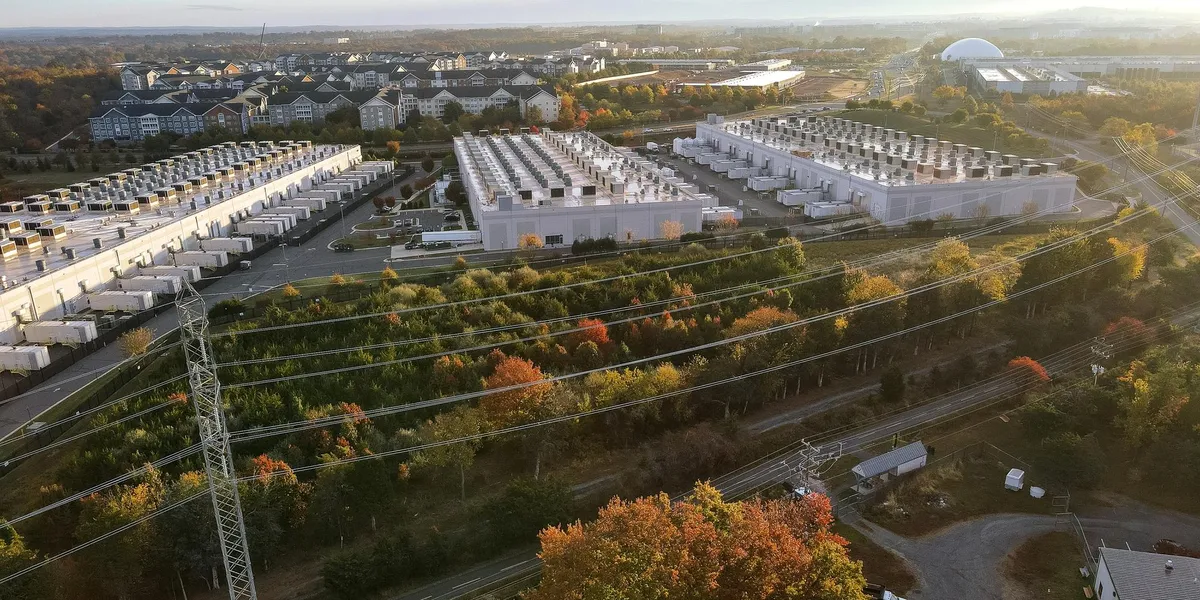
Artificial intelligence might now be used to address a less visible problem associated with renewable electricity production: the carbon footprint of the grid infrastructure itself. Details of how an AI-based forecasting system can predict the full lifecycle emissions of zero-carbon substations are provided in the International Journal of Business Intelligence and Data Mining. The approach is faster and more accurate than previous methods.
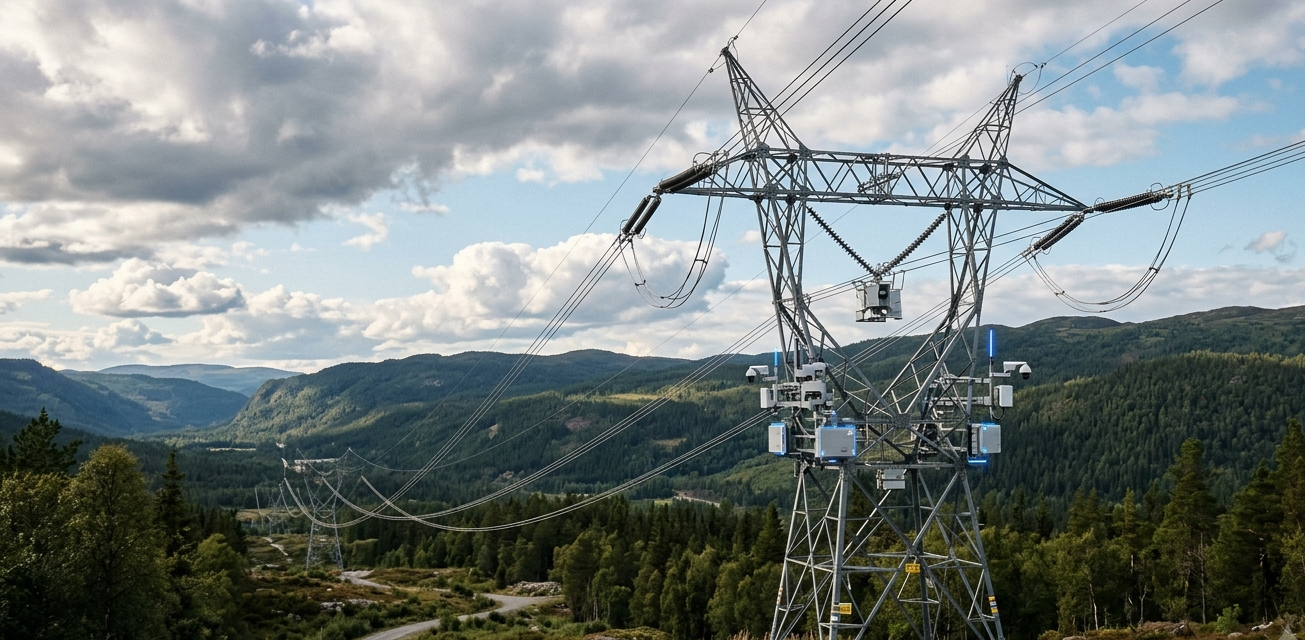
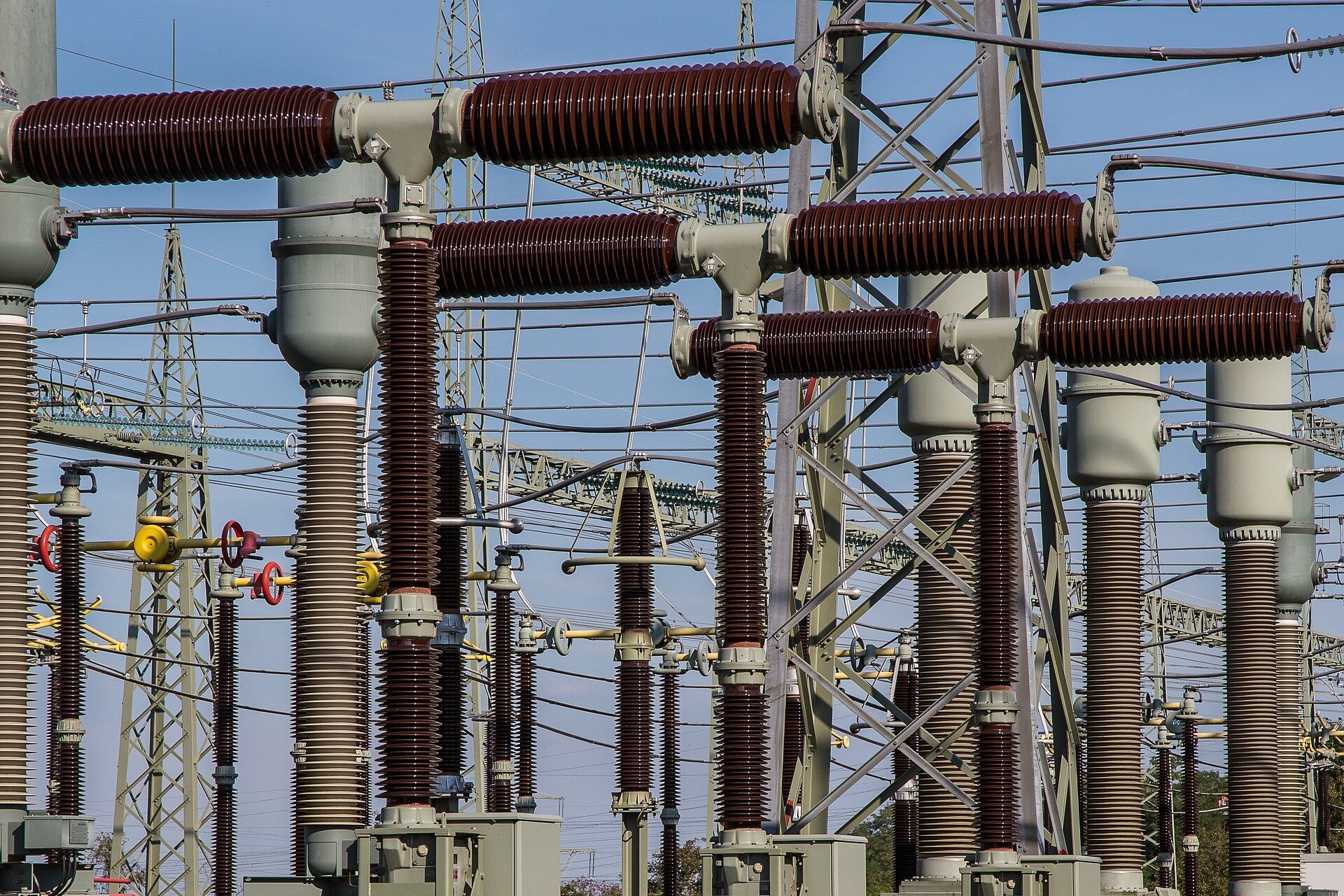
Substations convert high-voltage electricity into forms suitable for transmission and local distribution. Although often overlooked in climate debates, they generate emissions throughout construction, manufacturing, transport, maintenance, operation, and their decommissioning.
The study examines zero carbon substations, designed to minimize emissions through energy-efficient technologies, renewable integration, and offset measures such as carbon sinks. The researchers argue that only a full lifecycle perspective can properly assess their environmental impact, since supply chains and construction materials can account for substantial hidden emissions. Existing forecasting models, including deep reinforcement learning, recurrent neural networks, and random forest regression, usually cannot cope fully with the most important variables while maintaining speed and accuracy.