Predictive maintenance tools based on artificial intelligence (AI) are already used in electricity grids around the world. What are the pros and cons?
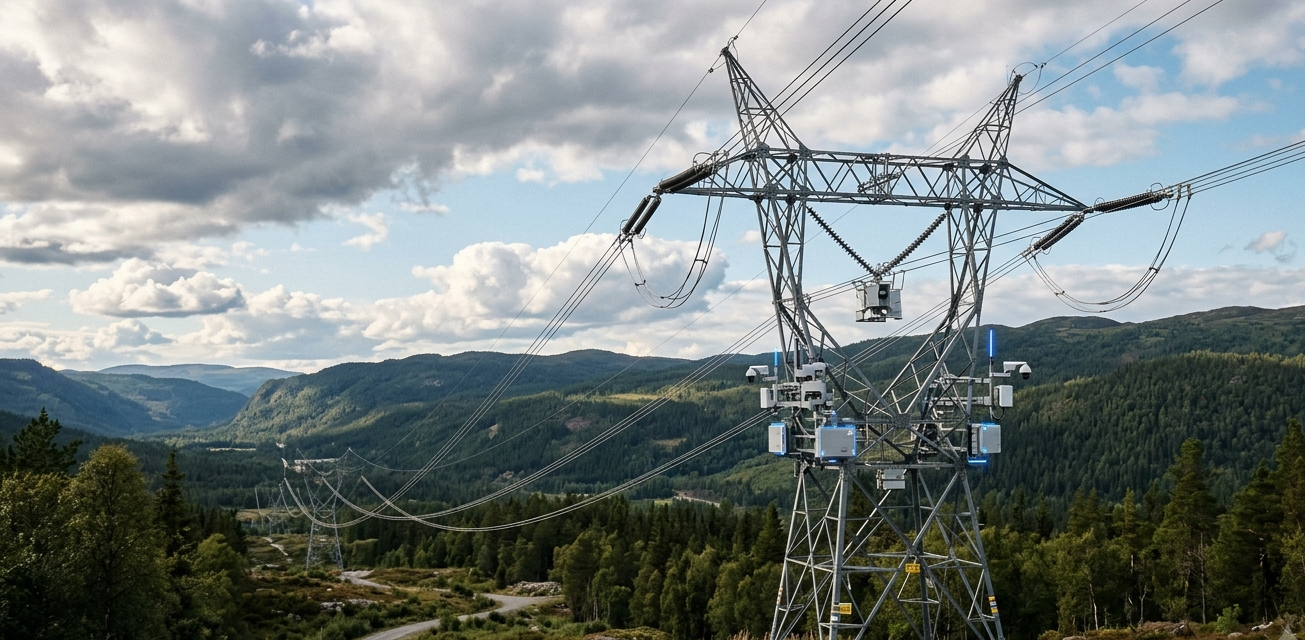
Predictive maintenance (PM) is one of the much-touted features of the smart grid. Connected sensors collect data which is then used to analyze the state of the grid in real-time. PM can not only detect existing problems but also forecast equipment failure. Machine learning algorithms compile historical performance data and identify patterns which enable the prediction of future pressure points. The idea is to help grid managers schedule maintenance only when necessary, which in an ideal world should help to reduce downtime and costs.
European Union: a slow transition
Many nations around the world are gradually adopting smart grid technologies to better support the switch towards renewable energies and increasingly distributed energy resources. European utilities are no exception to the rule. The European Commission adopted the Digitalization of Energy Action Plan in 2022, which contained more than 20 key actions to support smart grid deployment and favor investment in the area.
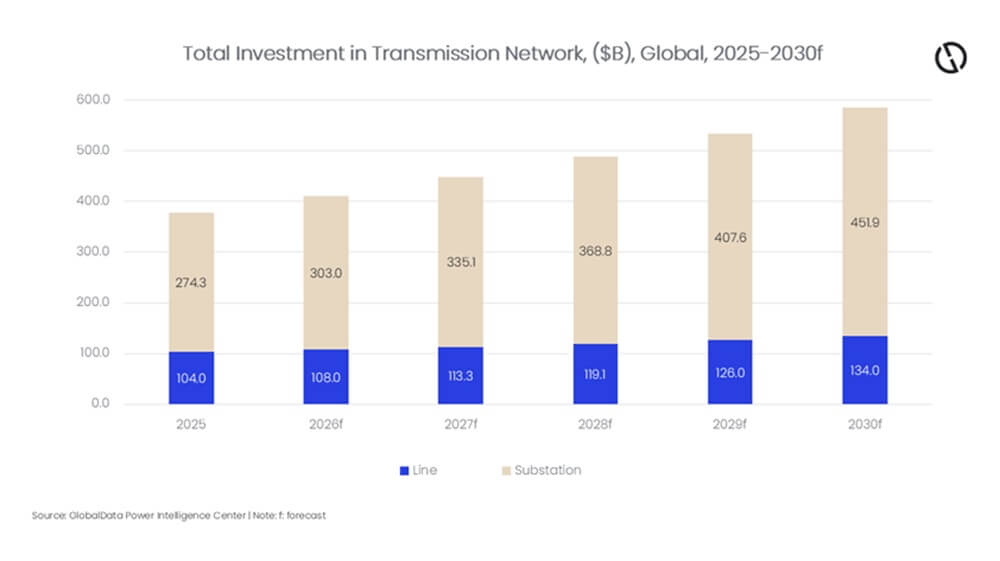
However, the International Energy Agency (IEA) warns in its 2025 report on world energy investment that in Europe “grid upgrades need to keep pace with the rapid expansion of low-emissions electricity generation. Annual spending on grids is set to exceed USD 70 billion in 2025, doubling the amount spent a decade ago.”