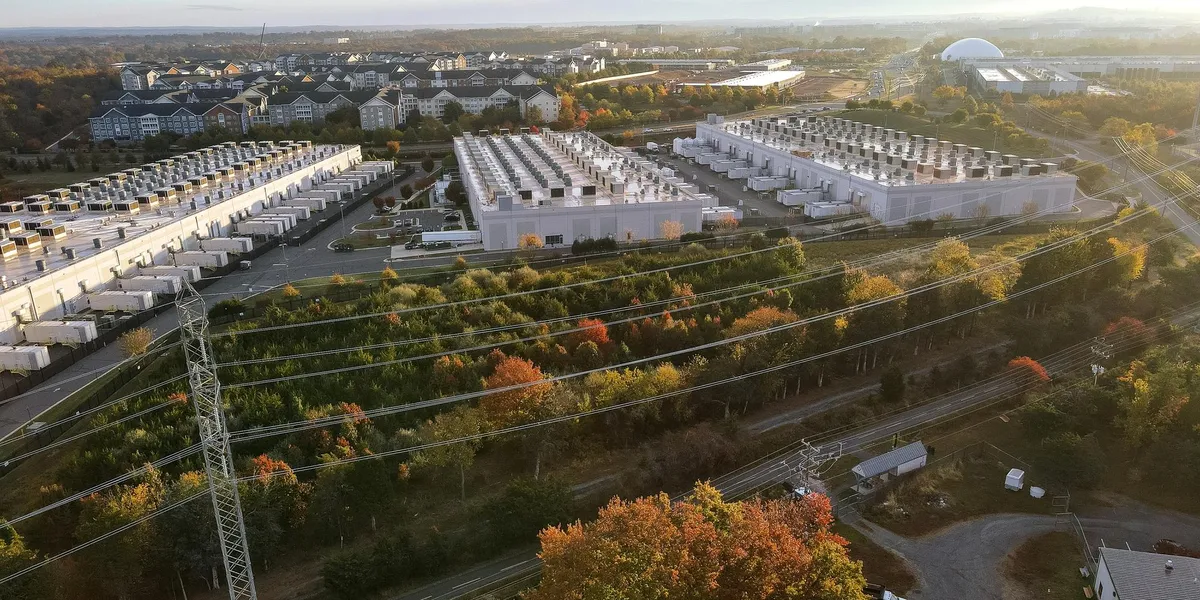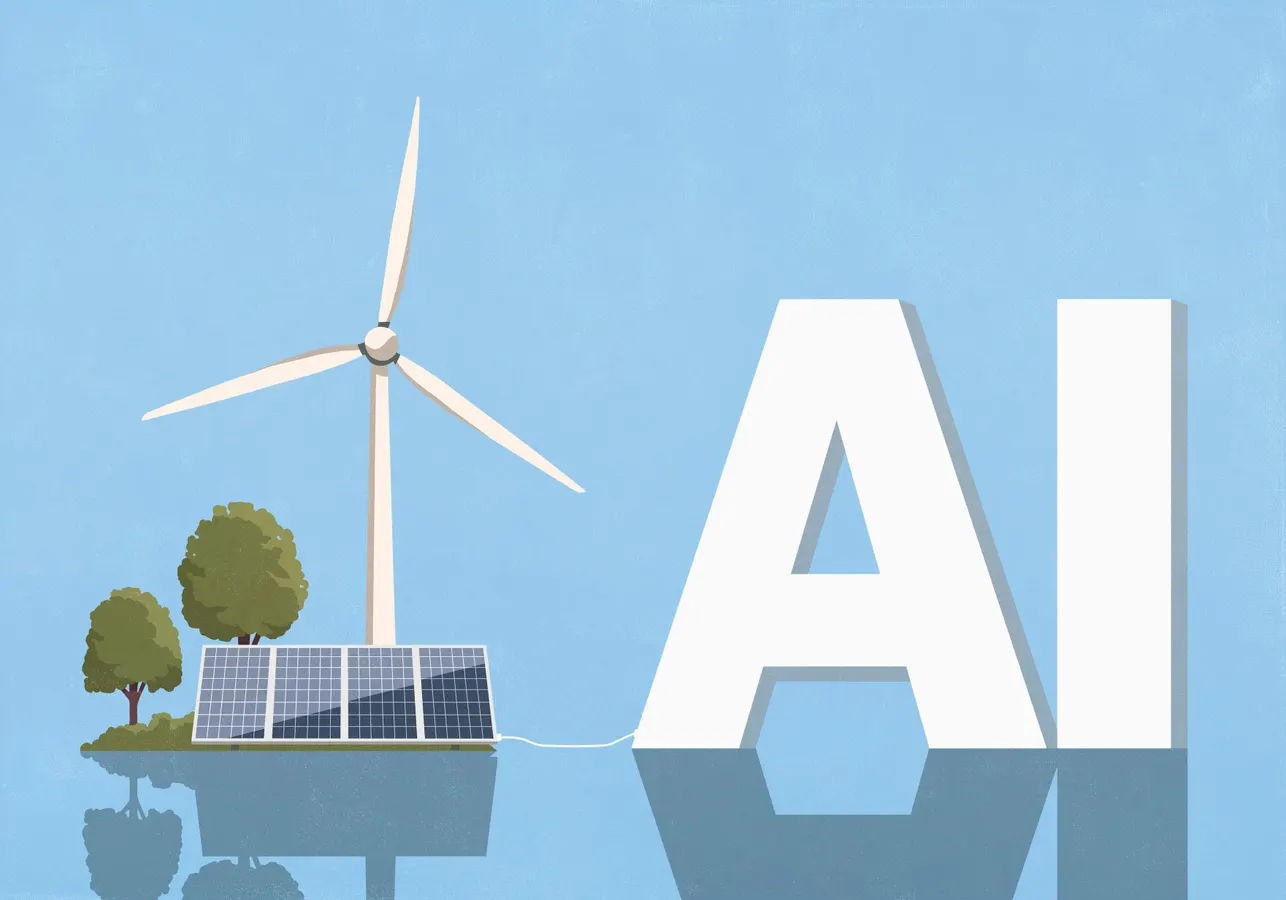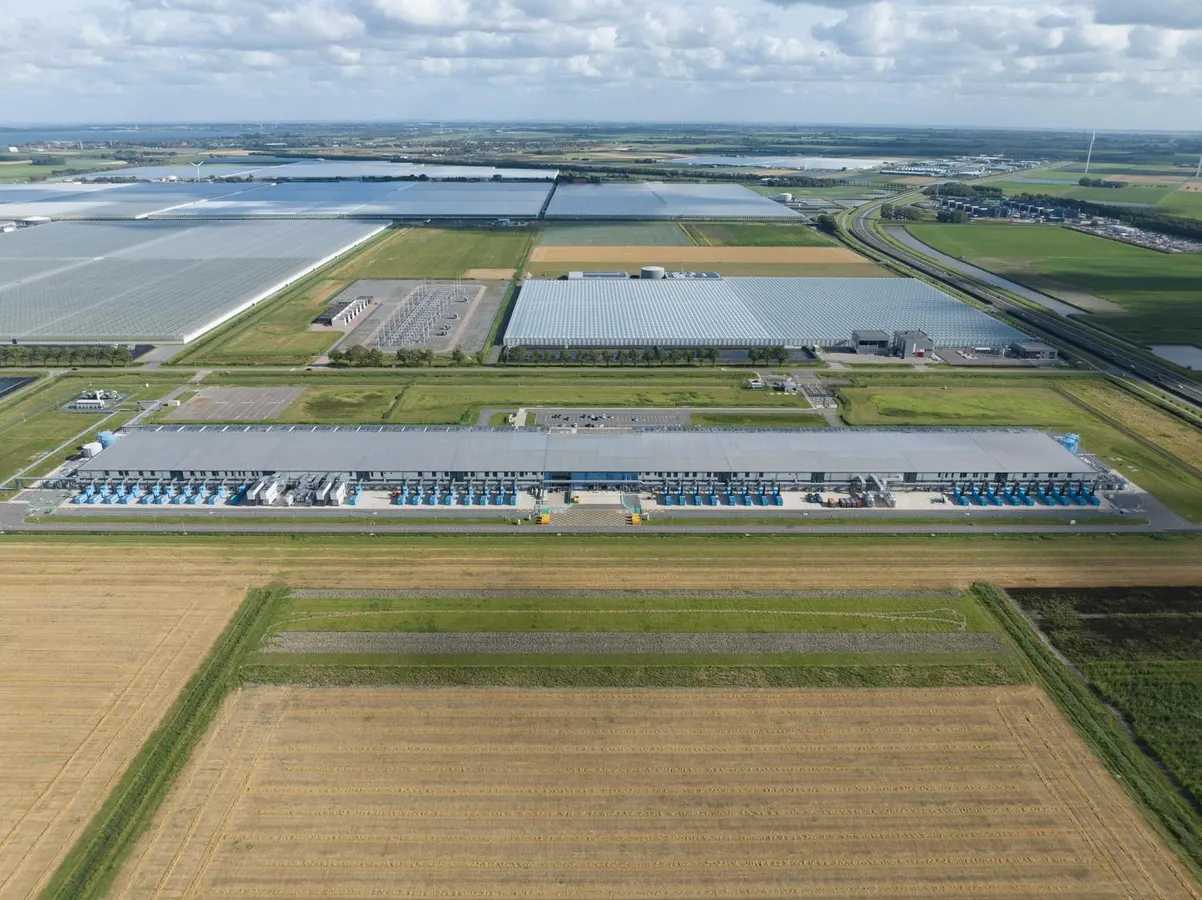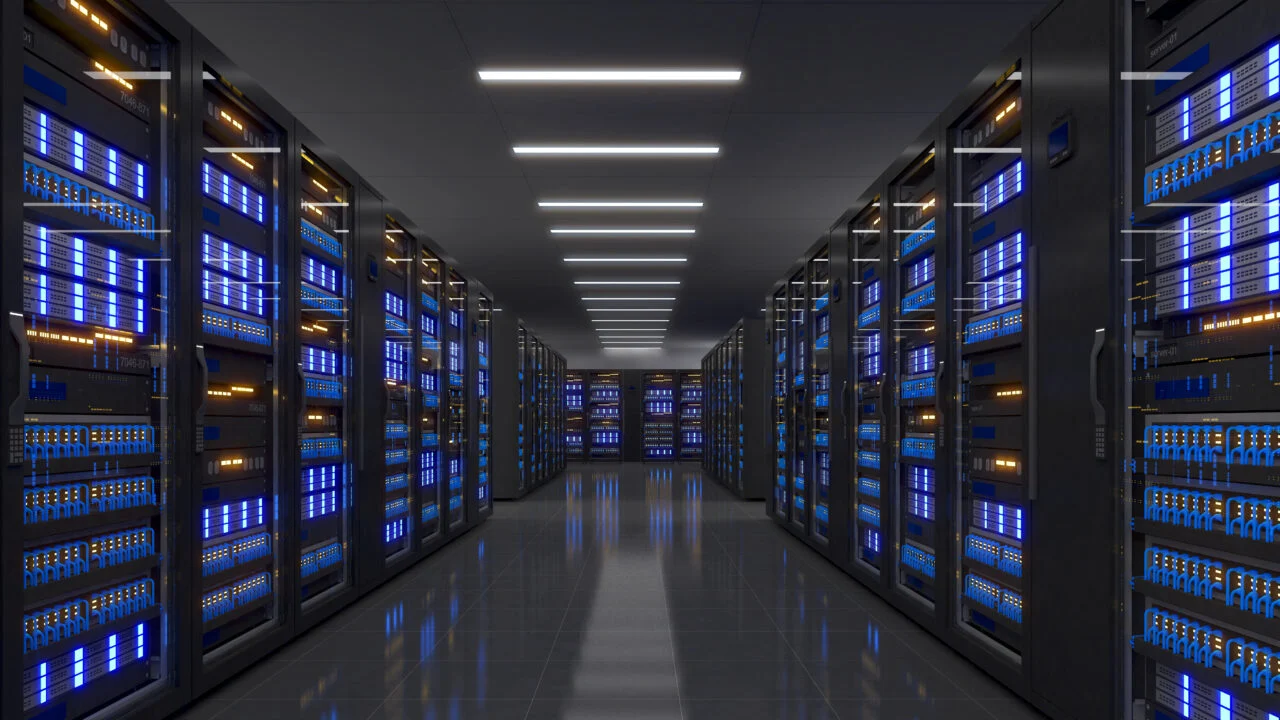
The expansion of artificial intelligence (AI) workloads and large-scale data centres is materially changing global electricity demand. At the same time, transportation and industrial processes are becoming increasingly electrified.
Global electricity demand grew 4.3% in 2024, more than double the average annual rate of the previous decade, and the International Energy Agency (IEA) projects 4.1% annual growth through 2030. To meet the growing demand, generation capacity will have to increase dramatically. However, the electric grid itself has become a limiting factor.
Large-scale AI deployment is relatively new, but high-performance computing (HPC) infrastructure has existed for decades. Since the early 2000s, data centres built around CPU-based clusters have been widely used in academia, national laboratories, and industry for workloads such as scientific simulation, financial modelling, and large-scale data processing. These traditional HPC data centres were limited by air cooling and CPU-focused designs, which kept rack power levels relatively low and allowed facilities to scale gradually. Even today, most data centre racks draw under 8kW on average, with many operating at just 4–6kW and very few exceeding 30kW.