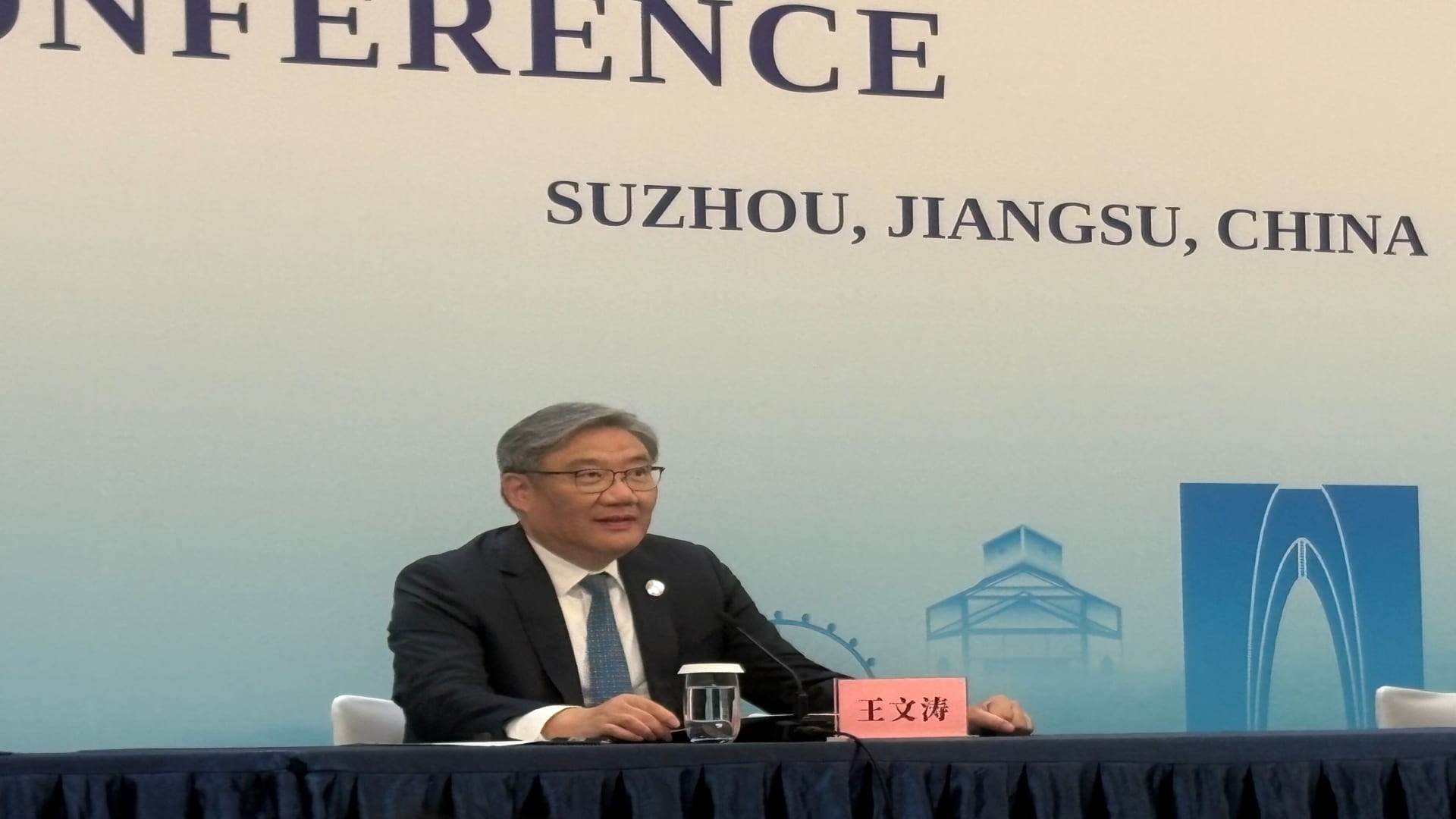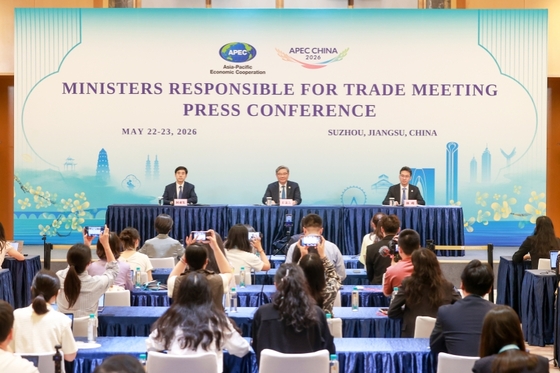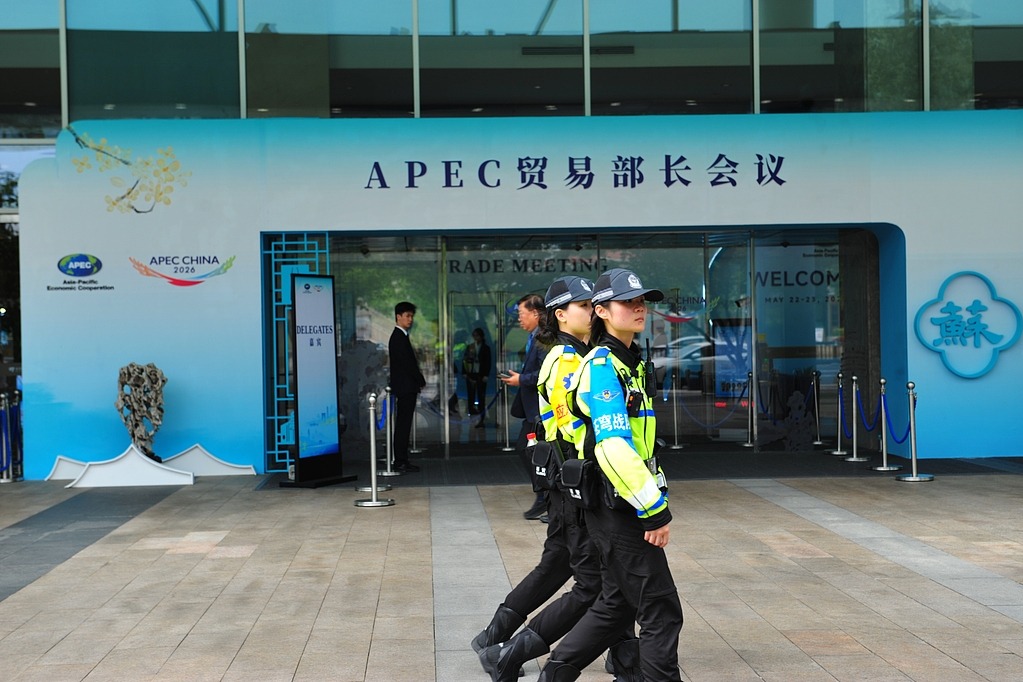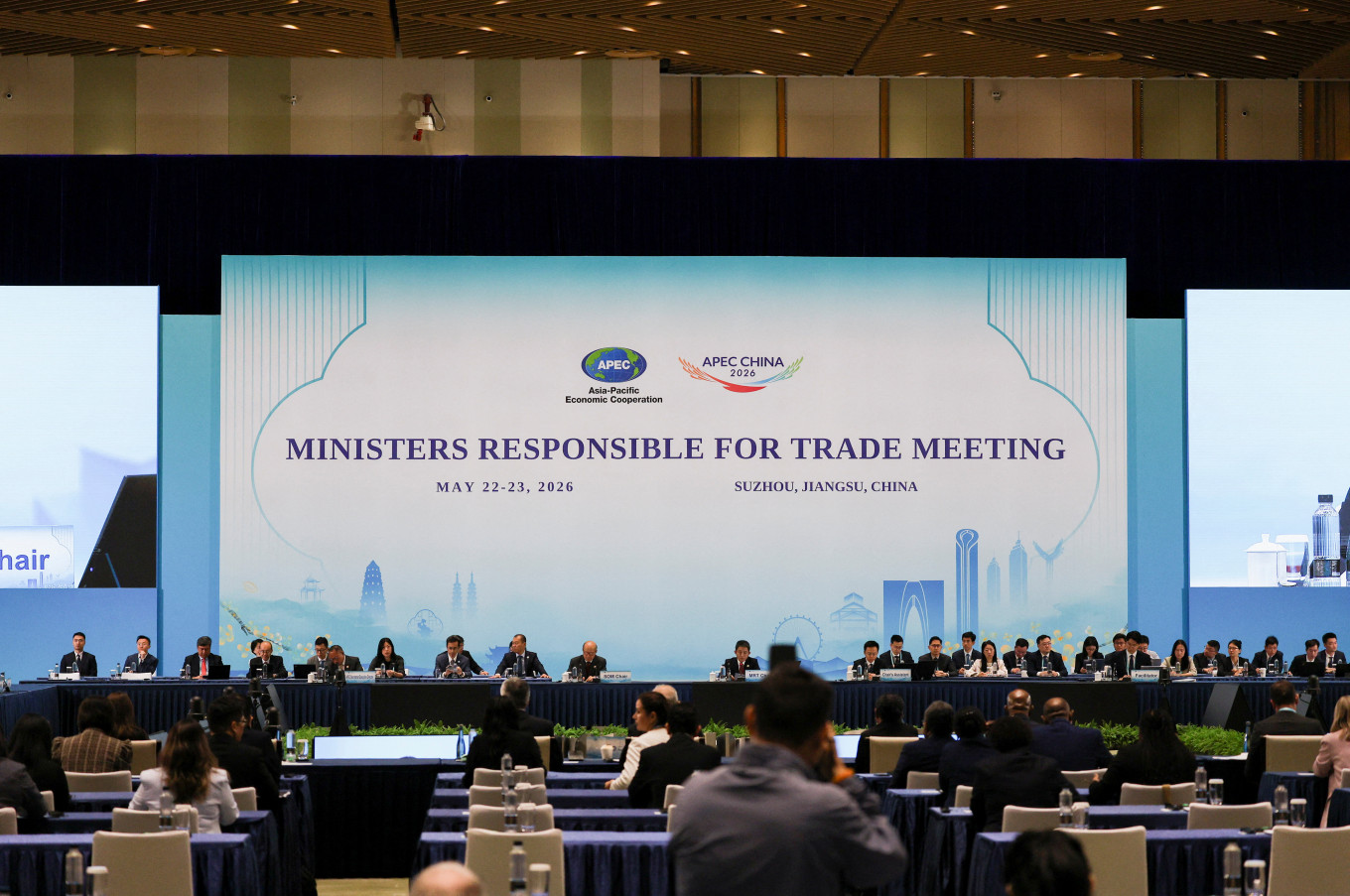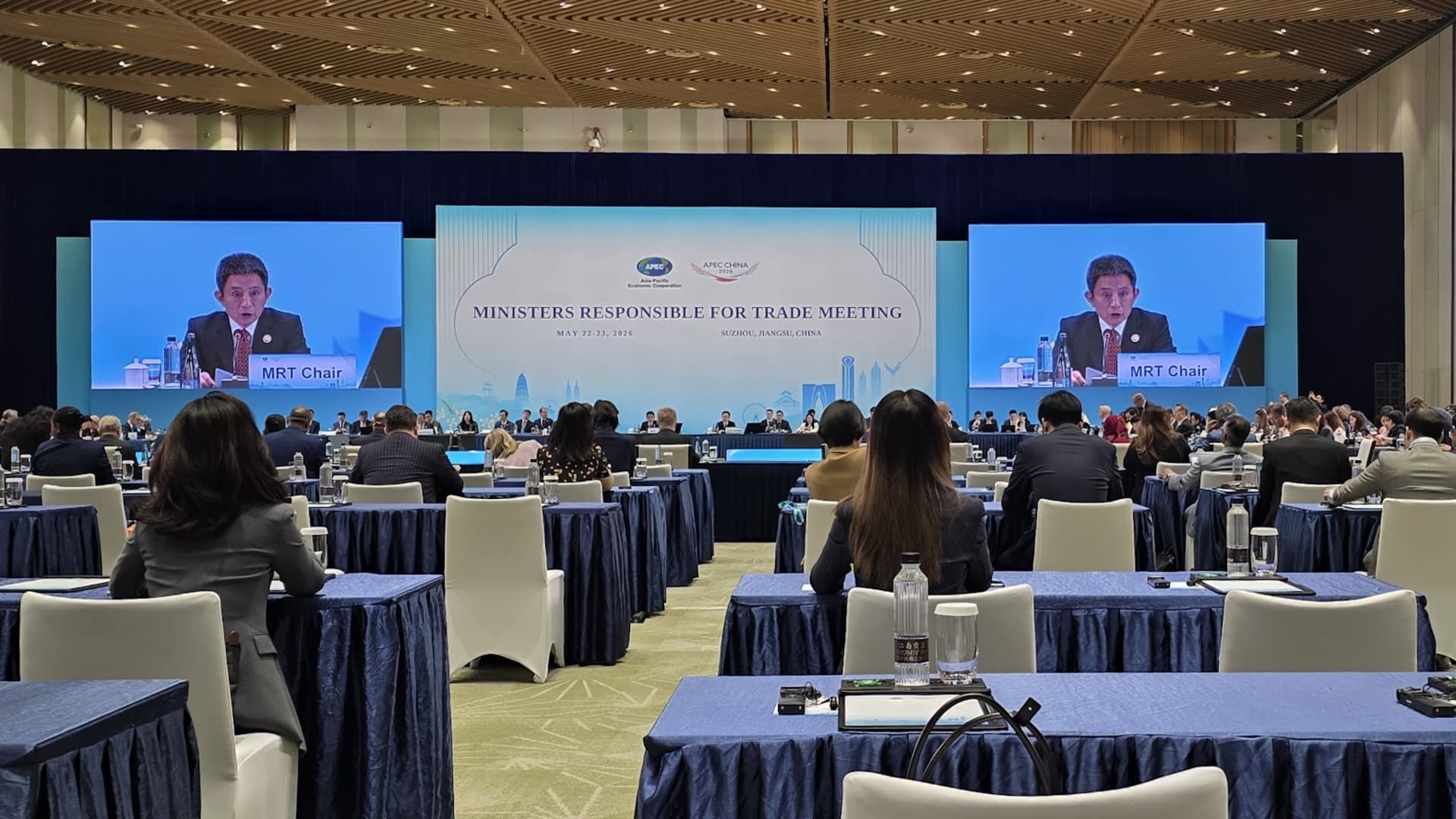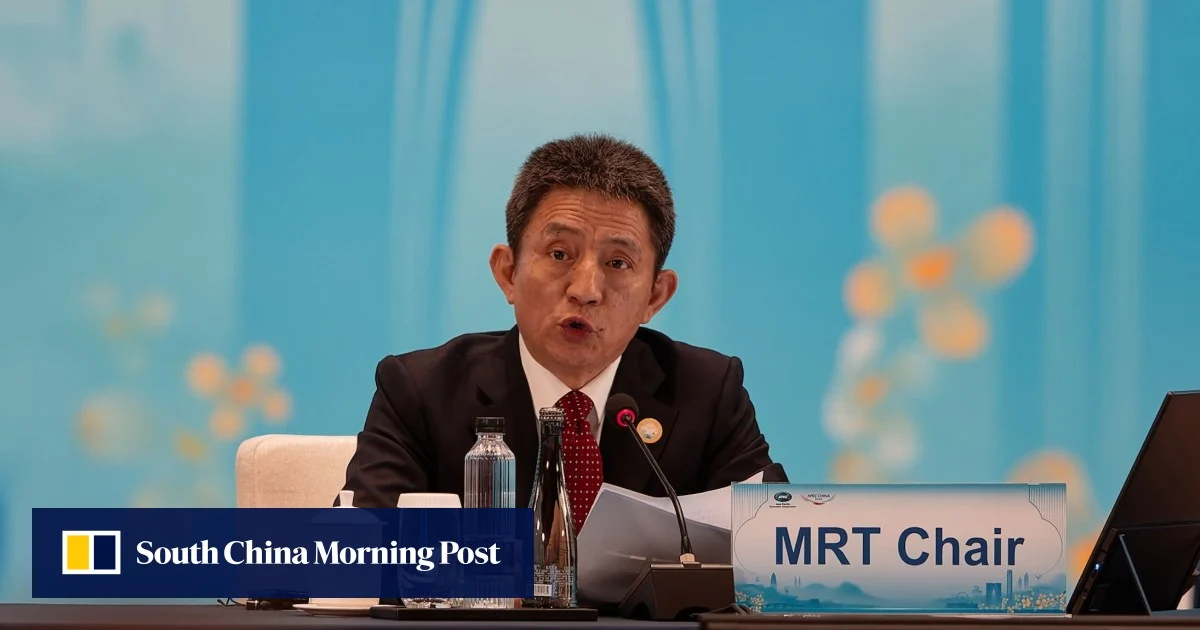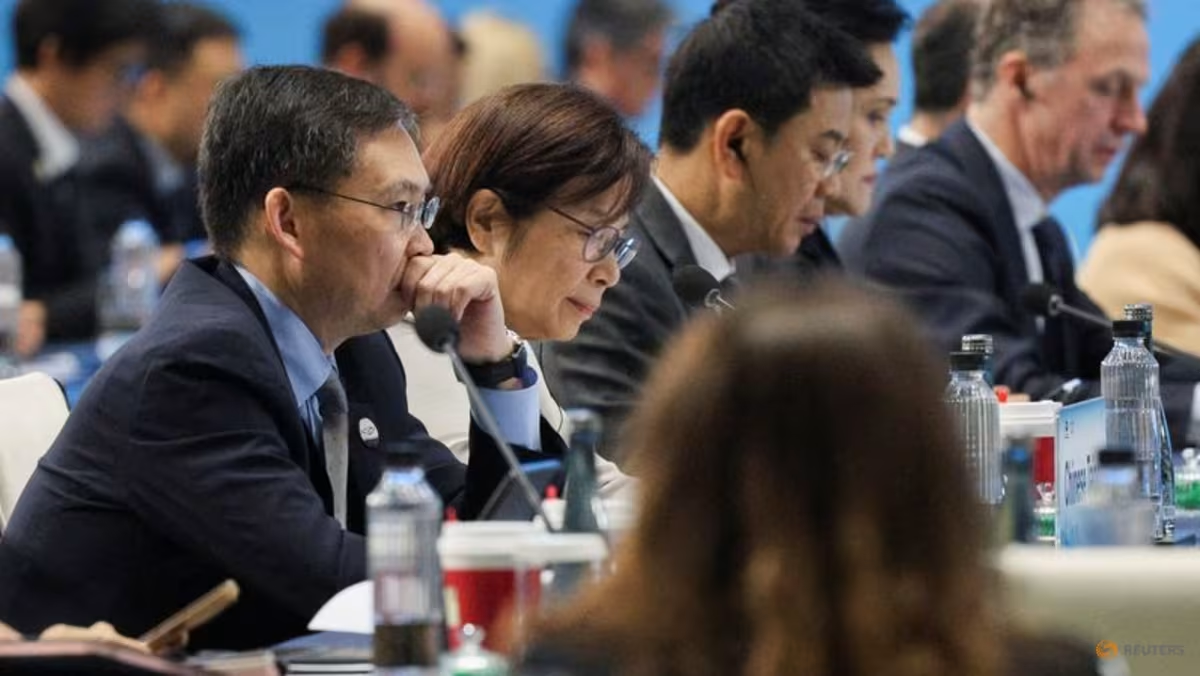
SHENZHEN: The recent Asia-Pacific Economic Cooperation (APEC) trade ministers’ meeting held in Suzhou has offered an early glimpse into how China plans to navigate one of the most keenly watched issues as host this year: Taiwan.Analysts say Beijing used the latest forum to reinforce its image as a stable, open and cooperative economic power amid rising geopolitical and trade tensions - while carefully preventing Taiwan-related disputes from overshadowing the meeting.China is hosting APEC for the third time, after previous summits in Shanghai in 2001 and Beijing in 2014.But this year’s meetings come against a more uncertain global backdrop, observers say - one marked by tariff disputes, slowing growth and concerns over global supply chain disruptions.
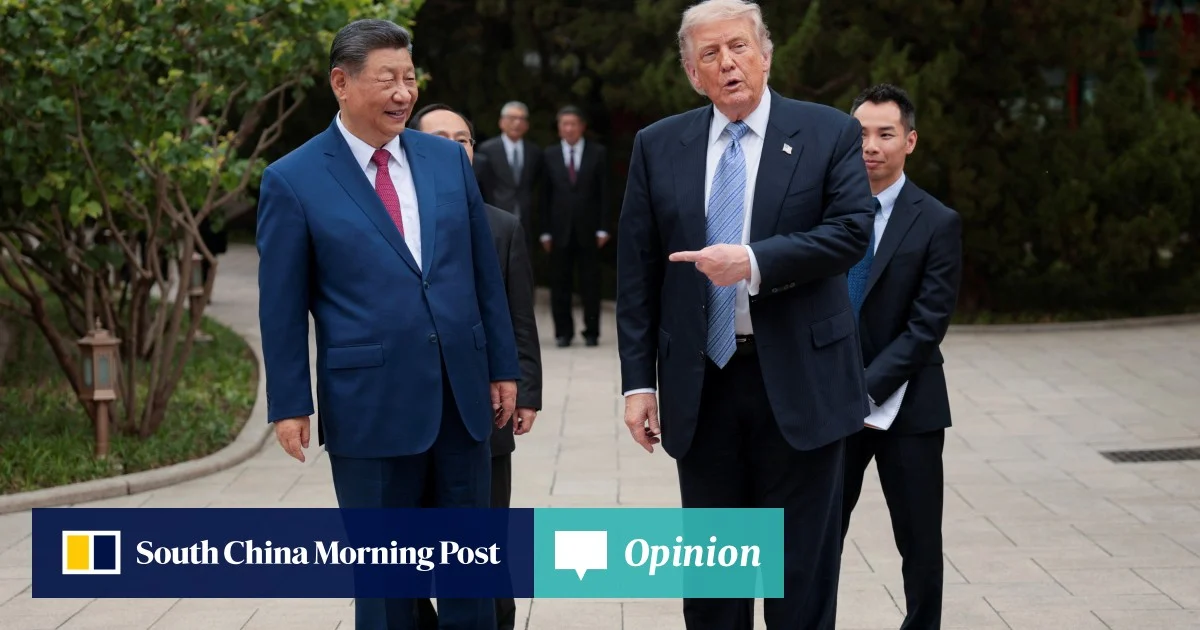
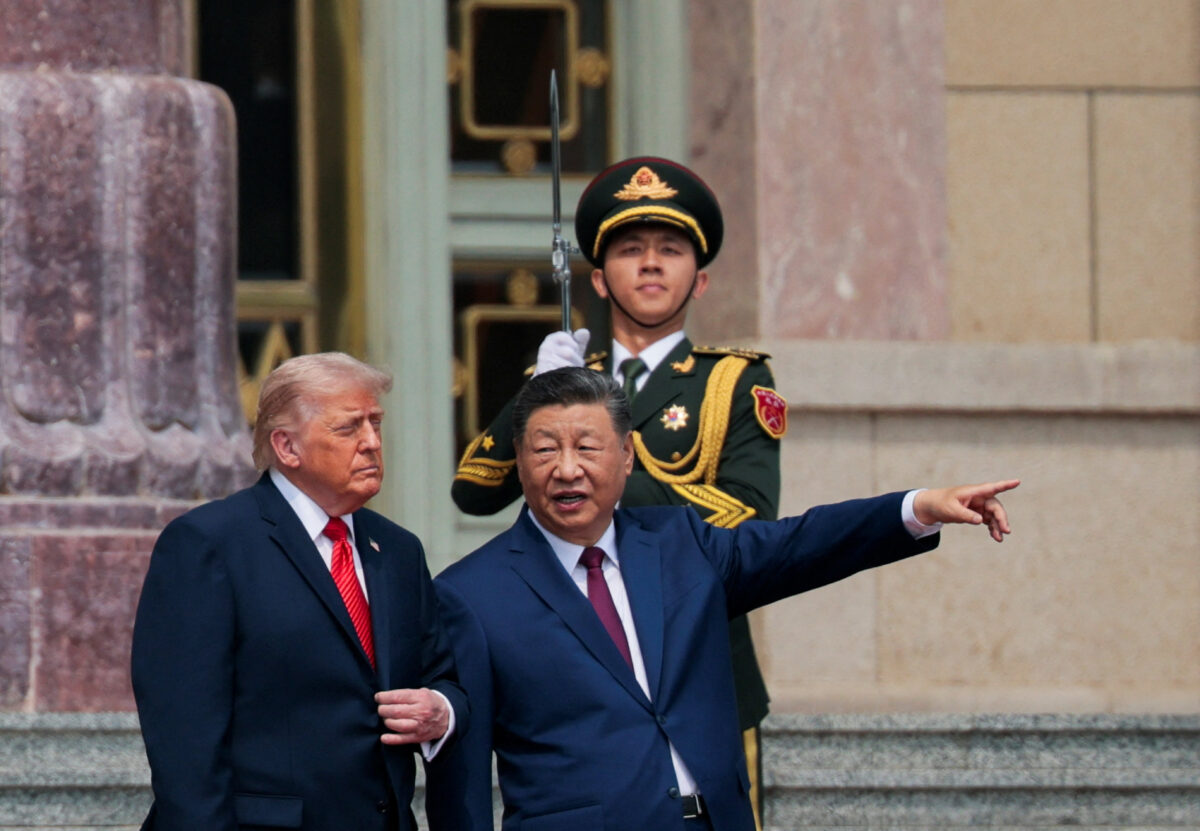
The meeting in Suzhou also came just over a week after high-profile visits to Beijing by US President Donald Trump and Russian President Vladimir Putin.Observers noted there was “little visible friction” over Taiwan’s participation at the Suzhou meeting from Friday (May 22) to Saturday - despite Beijing’s recent criticism of Taiwanese leader Lai Ching-te over a May 20 speech that China accused of advocating “Taiwan independence” and “separatism”.Analyst and commentator Tang Meng Kit told CNA that Beijing is using APEC to project an image of stability, pragmatism and openness, and is determined to avoid any Taiwan-related disputes that could undermine its broader diplomatic messaging during its APEC host year.“China is positioning itself as the defender of the multilateral economic order at the moment Washington is seen as undermining,” Tang said, adding that Beijing’s objective during the recent summit between Trump and Chinese President Xi Jinping was also to preserve its export channels.“APEC is part of broader efforts in projecting multilateral stewardship,” Tang said.He added that Beijing’s stated APEC theme of “openness, innovation and cooperation” was “a direct counter narrative to Trump’s tariff disruptions”.