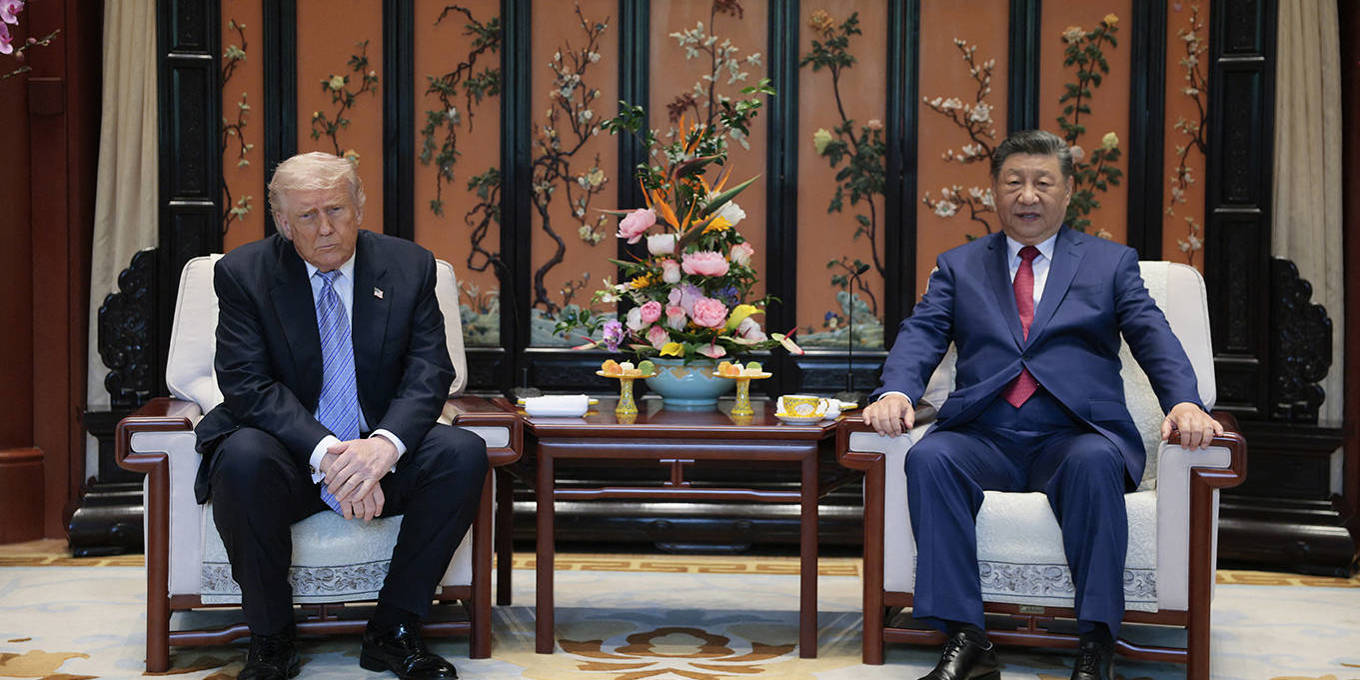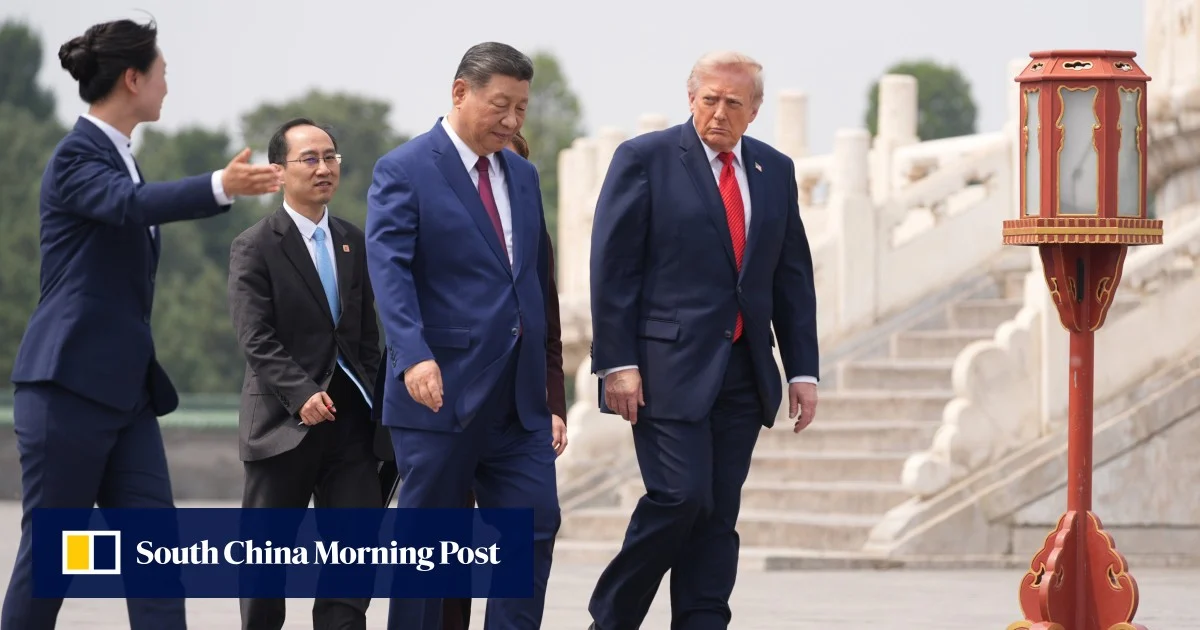
Although no joint communique was issued after the summit between Chinese President Xi Jinping and US President Donald Trump in Beijing, details of the trade and economic understandings reached have gradually emerged.Following the summit, US Treasury Secretary Scott Bessent and China’s Ministry of Commerce confirmed that Washington and Beijing would continue discussions on tariff reductions and the expansion of bilateral trade. Bessent expressed hope that a proposed board of trade and board of investment could provide a new framework for managing economic relations between the two countries. He also confirmed that China had agreed to purchase 200 Boeing aircraft and US$17 billion worth of agricultural goods.Further negotiations may even lead to the removal of tariffs in non-sensitive sectors, covering trade worth at least US$30 billion.After more than a year of tense negotiations, during which China managed to withstand and push back against Trump’s de facto trade embargo, the summit demonstrated how leader-level diplomacy can help restore a measure of stability and predictability to an increasingly fragmented global trading system.Yet the flurry of summitry in Beijing also raises a larger question about the emerging world order. Just days after meeting Trump, Xi hosted Russian President Vladimir Putin and concluded over 20 wide-ranging agreements. The leaders spoke of higher-level strategic coordination and jointly warned against a return to the “law of the jungle” in international affairs.02:58Xi Jinping gives Donald Trump an ‘extremely rare’ private tour of Beijing’s ZhongnanhaiAgainst the backdrop of the back-to-back summits, and with the prospect of several more Xi-Trump meetings later this year, some may conclude that great-power politics and strongman diplomacy will dominate the management of global affairs – from the war in Ukraine to instability in the Middle East and growing energy insecurity.
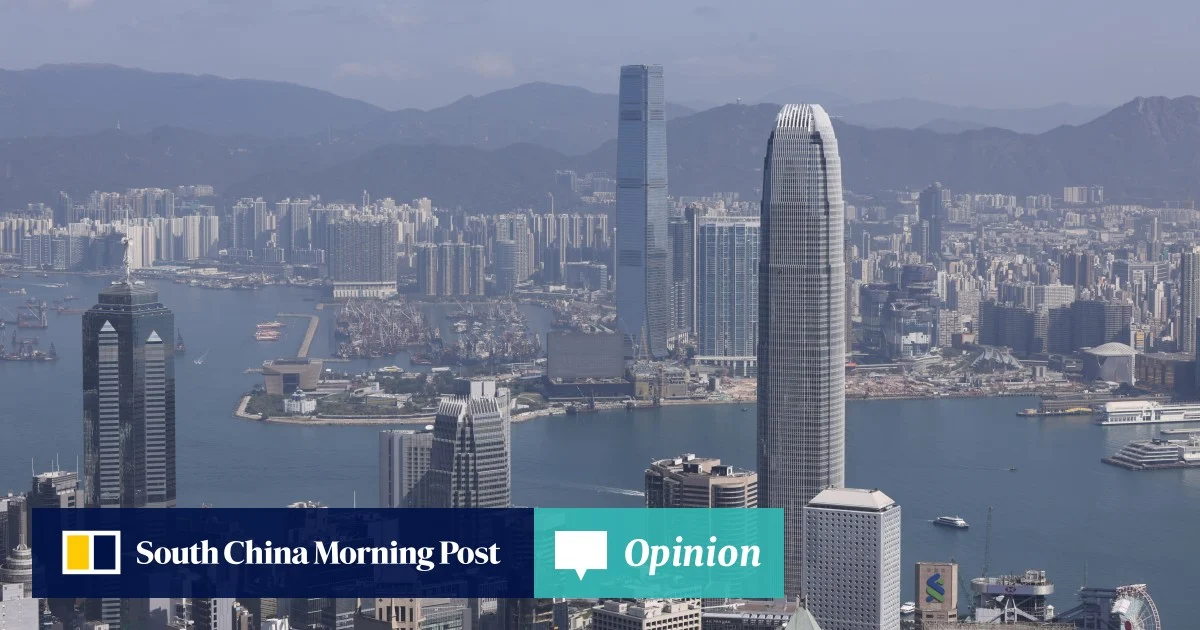
Opinion | In a fractured world, Hong Kong must seize its Apec moment
The city will host the finance ministers’ meeting in October. It could seize the day and deepen cooperation with like-minded cities.
286 words~1 min read