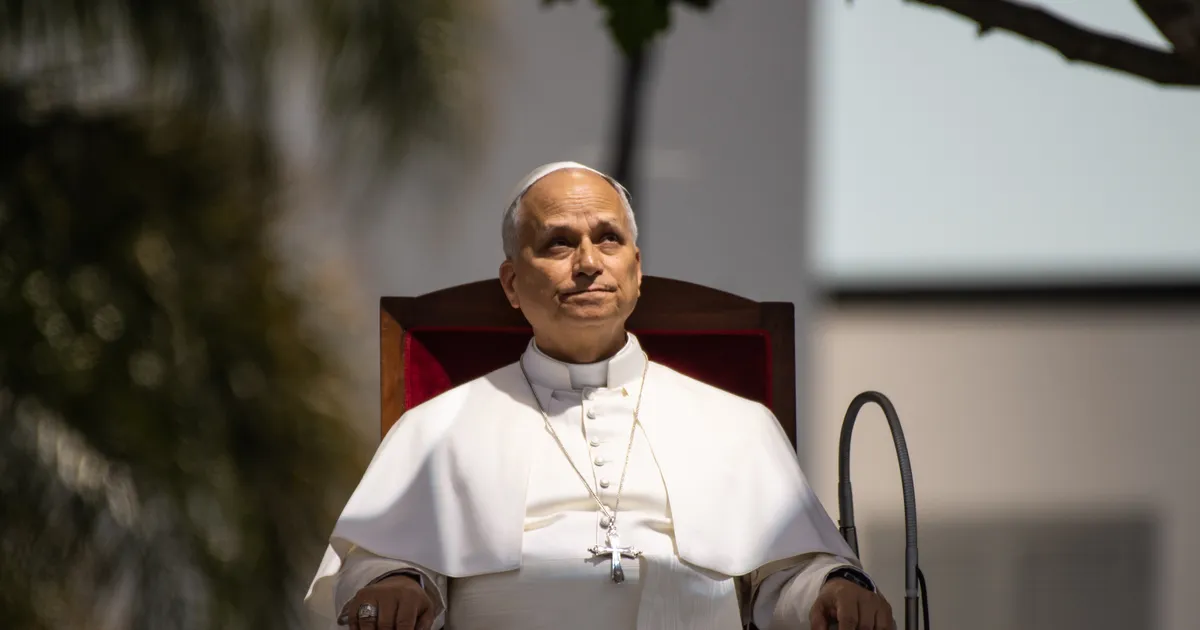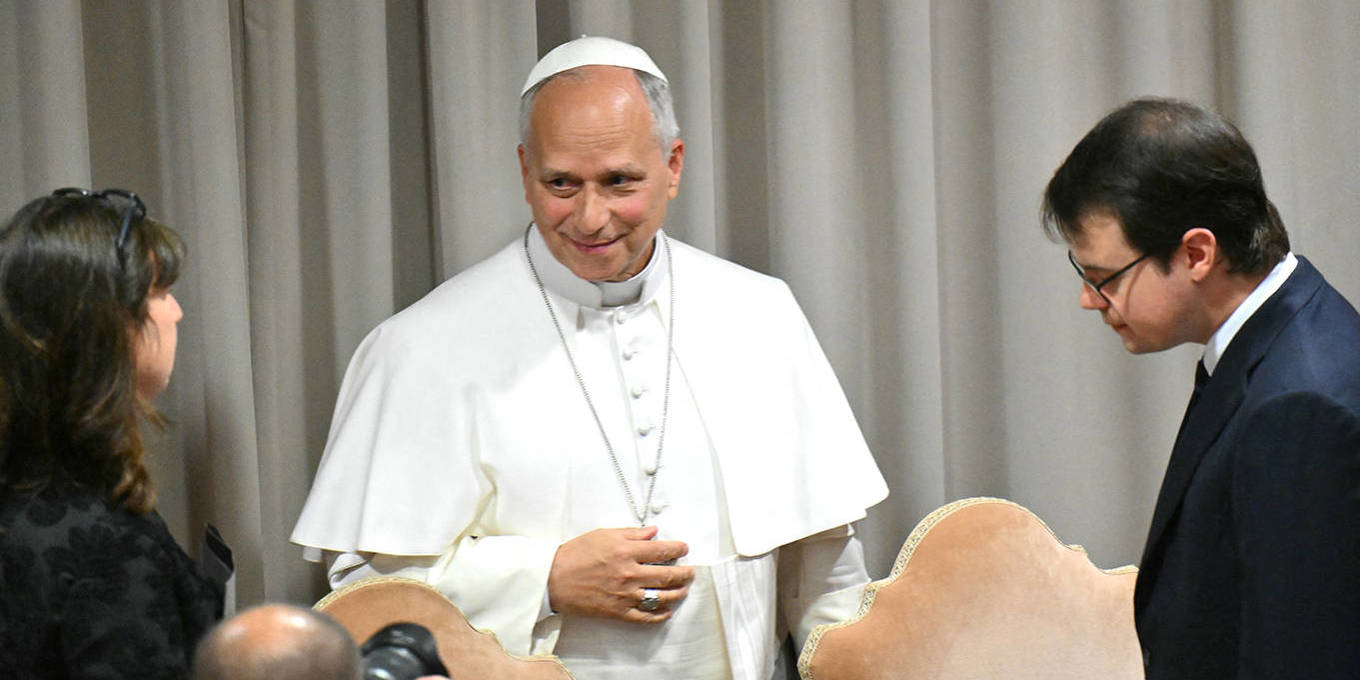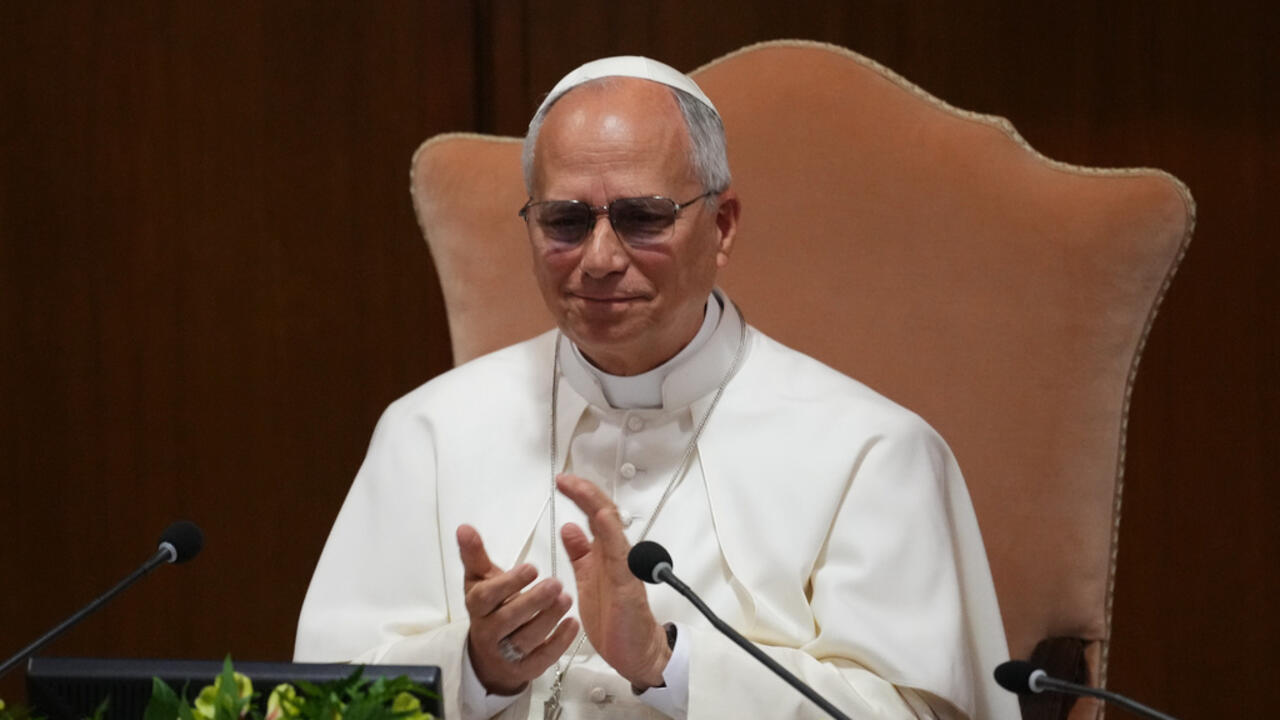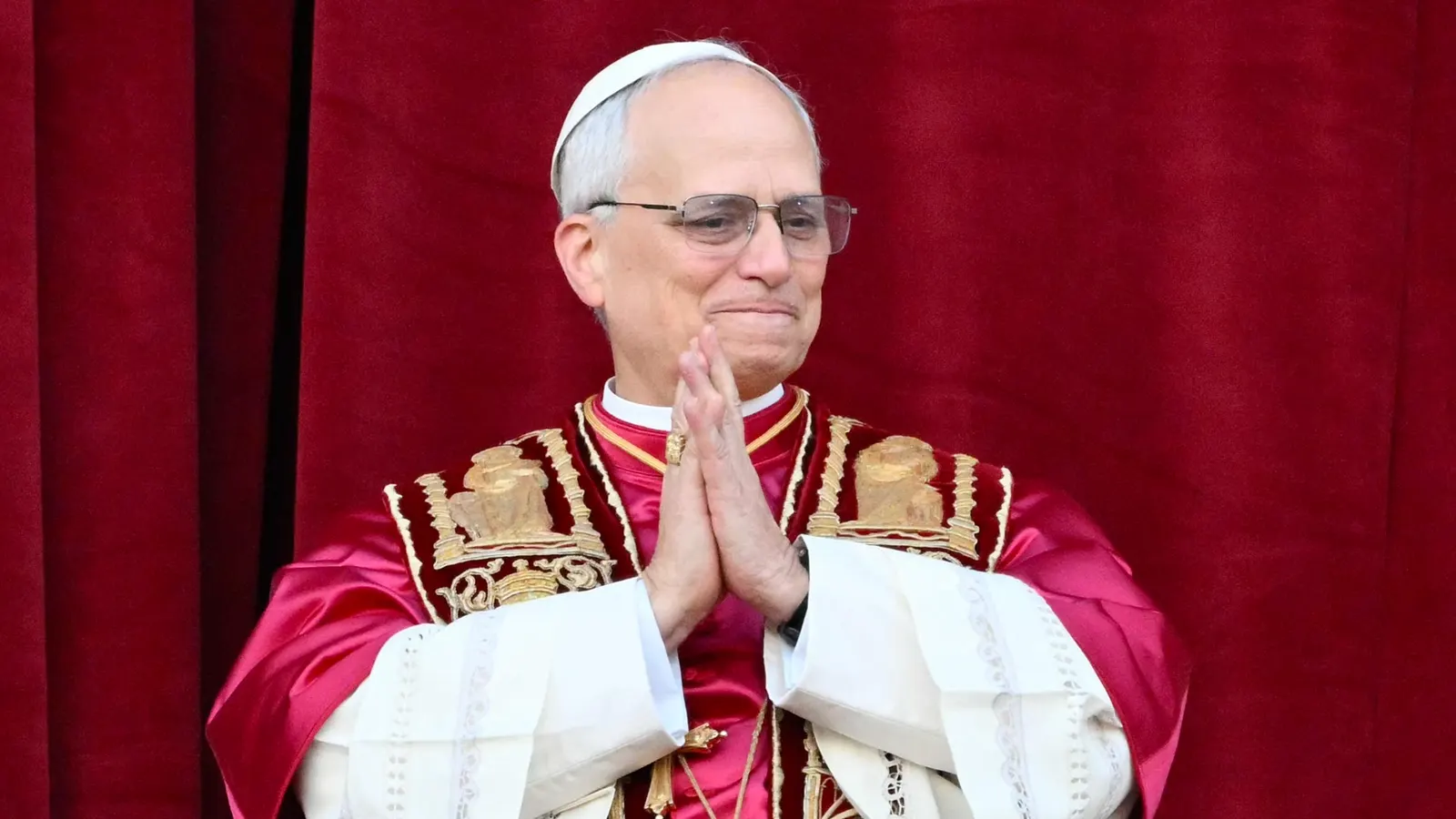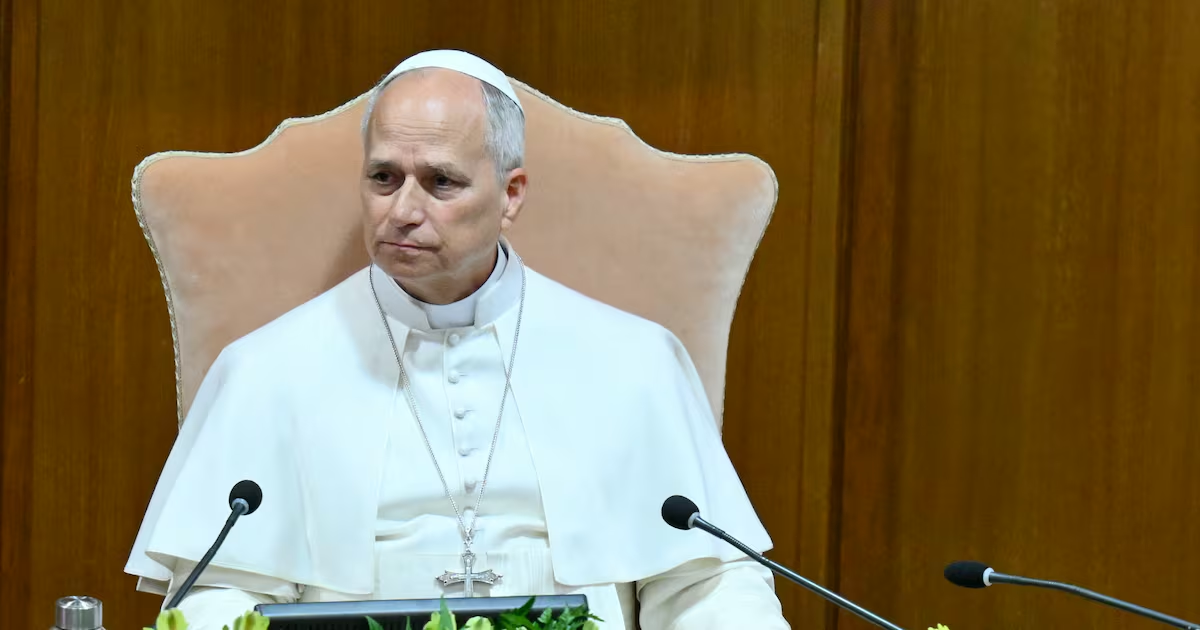
Ireland’s mantra when it comes to corporate America has always been “pay attention to what we do and not what we say”. The working assumption is that Meta, Google and other US tech companies that have invested here are sophisticated enough to realise the Government of the day – whatever its composition – must at least pay lip service to public concerns even if it, at times, addressing these would amount to economic self-immolation.Thus, we have together ridden out everything from the Iraq War in 2003 to the weirdness of Donald Trump’s second US presidency. US multinationals have looked past our necessary moments of social democratic posturing and occasional anti-US rhetoric and focused instead on our enduring commitment to the things that matter to them: access to the European Union, low corporation taxes, business-friendly regulation and skilled workers. In return we continued to get jobs, taxes and prosperity.It’s an interesting, if troubling, question as to whether this symbiotic relationship will survive the potential carnage threatened by artificial intelligence (AI). This week both the leader of the world’s largest Christian denomination – Pope Leo – and the globe’s fiscal policeman, the International Monetary Fund (IMF), have warned about the technology’s potential to disrupt society. For both God and mammon, the issue – albeit from different perspectives – is the consequences of the changing nature of work that seems inevitable. The immediate consequences of the growth of AI – jobs losses – are already being felt here, notably with Meta announcing it will lay off one in five of its 1,750 Irish employees. The Meta job cuts are part of a swath of cost-cutting and job losses across the industry as companies pour money into the race to dominate the market for AI. There is as yet no sign of any pushback here, although it has started in the US, which is much further down the road than we are. Graduating students at the University of Arizona booed former Google chief executive Eric Schmidt recently when he delivered a commencement address extolling the promise of the new technology. Polls show a majority of Americans feel AI “is moving too fast” and an increasing number are negative about it. For the moment, the Government here is sticking to the playbook that has served it so well in the past when the needs of US technology companies don’t necessarily align with the expectations of the public. The trick is to promise the thing people support – the right to remote working or a social media ban for under-16s – but deliver something much less substantial after muddying the water with reports, committees and finally some legislation by which time everyone has hopefully forgotten why they cared in the first place.The Government published an updated version of its Digital and AI strategy in February, promising a “digital Ireland that is confident, connected and inclusive”, one that would address “new challenges and risks ... in a timely, robust and comprehensive manner”. At the same time we have rushed to implement the EU’s AI Act in the most US tech-friendly manner imaginable, with regulatory responsibility devolved to various existing agencies, such as the Central Bank of Ireland or ComReg. Other EU states have taken a more considered approach and gone for a more centralised system with a clear regulator and thus more accountability. It is not hard to guess which approach appeals more to US technology companies. So far so normal. But what happens if the Cassandras are right and the job losses turn into something much more disruptive. When you hear the chief executive of an international bank – Bill Winters of Standard Chartered – talking about “replacing lower-value human capital with AI” then it is hard to see things ending well. The potential is certainly there. The Economic & Social Research Institute warned earlier this year that AI could displace “7 per cent of jobs in the Irish workforce, mainly desk-based ones with relatively high incomes”. That’s roughly 200,000 middle-class jobs. The IMF said this week we are more exposed than most and said more than 40 per cent of jobs here could be affected. Without policies that help workers adapt and “acquire new skills”, the IMF said, some people could be left behind, undermining “inclusive” economic growth. They are singing off pretty much the same hymn sheet as Leo. If the most pessimistic predictions come true then some sort of backlash must be on the cards here. The recent fuel protests are a warning about how quickly tensions below the surface can bubble up, catching the political establishment off guard. It is not torches and pitchforks time yet, but you have to wonder if the Janus-faced approach to US tech investment that has served us so well for the last 40 years will survive. Bait and switch might not cut it this time.
When Pope Leo and the IMF agree on AI’s dangers then it’s time to pay attention
If predictions on job losses come true, the State’s accommodation of corporate America will be tested
809 words~4 min read