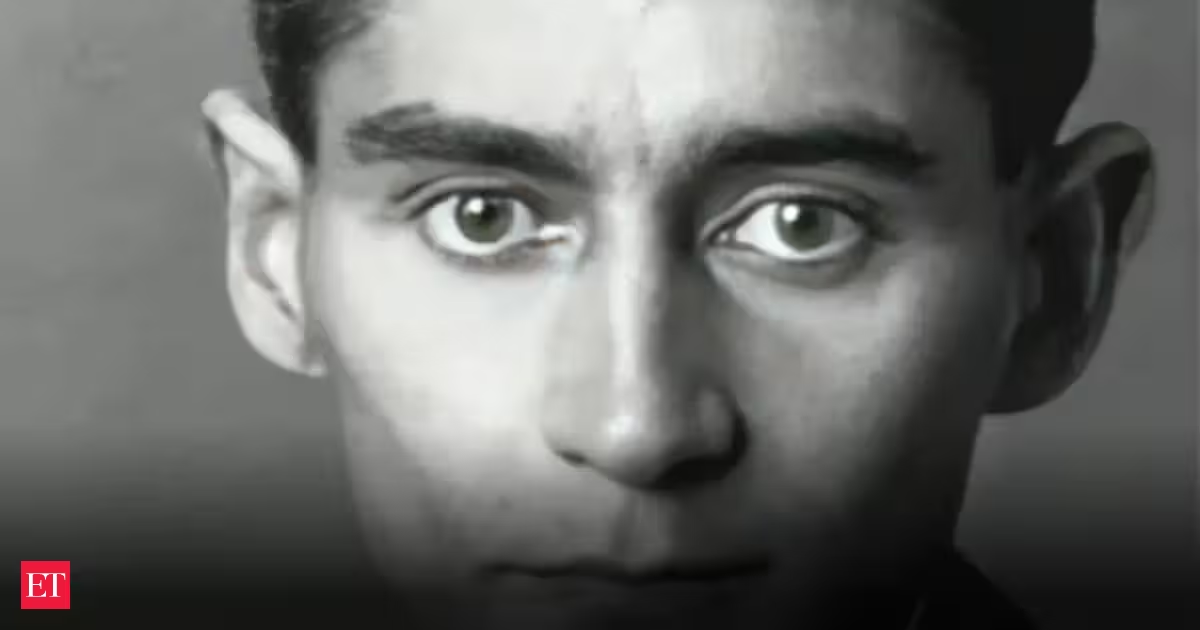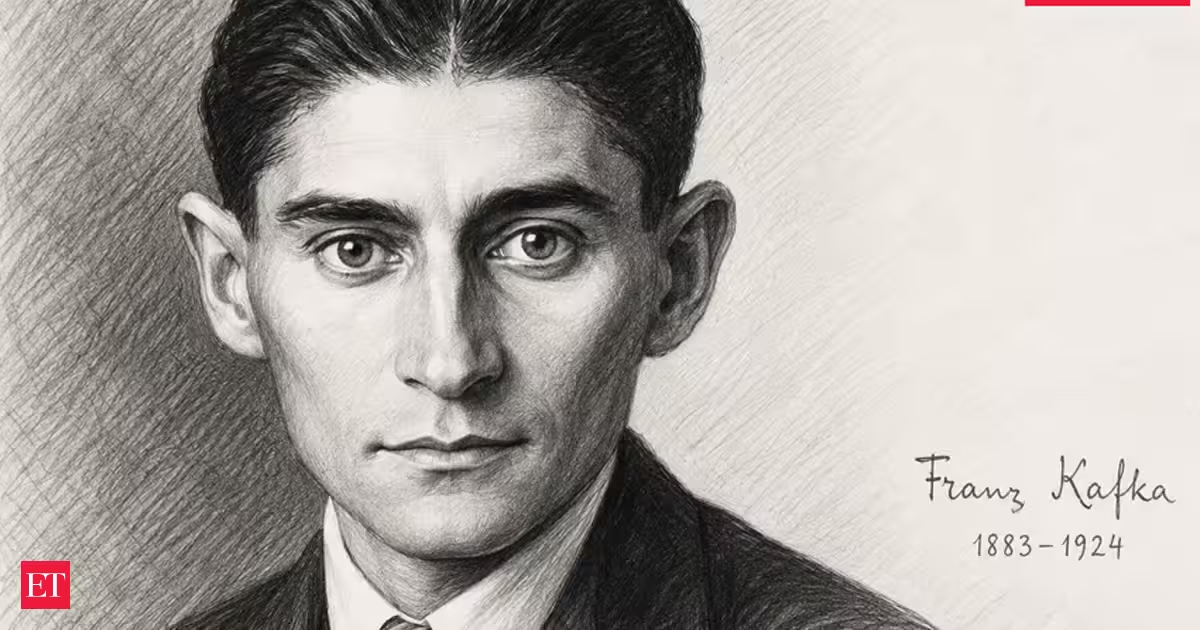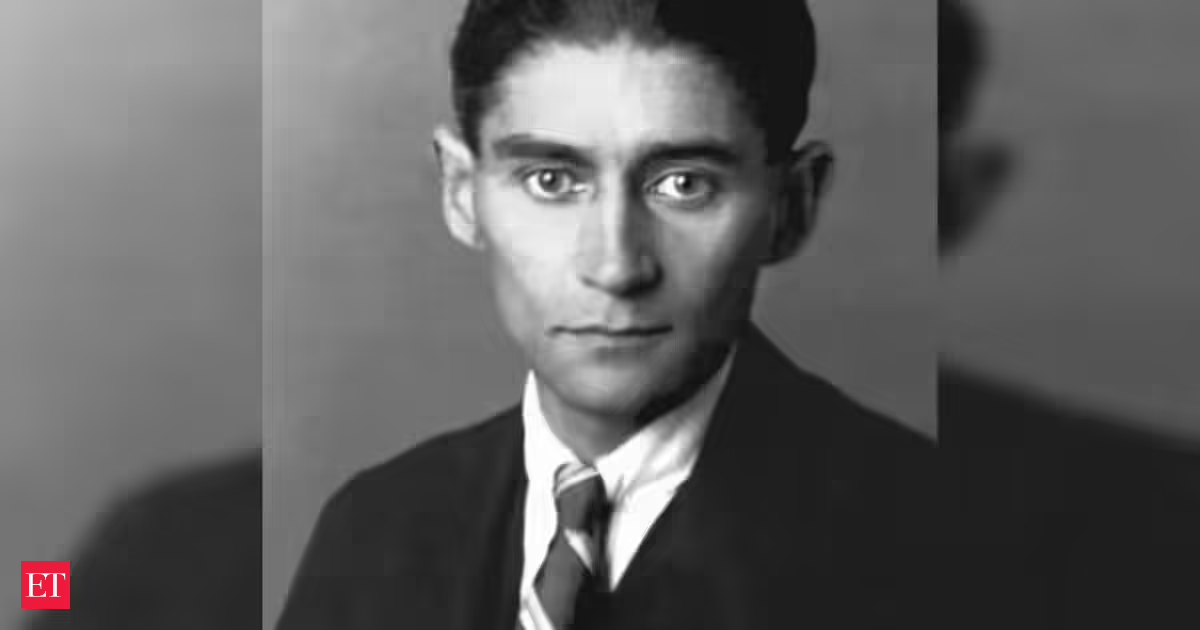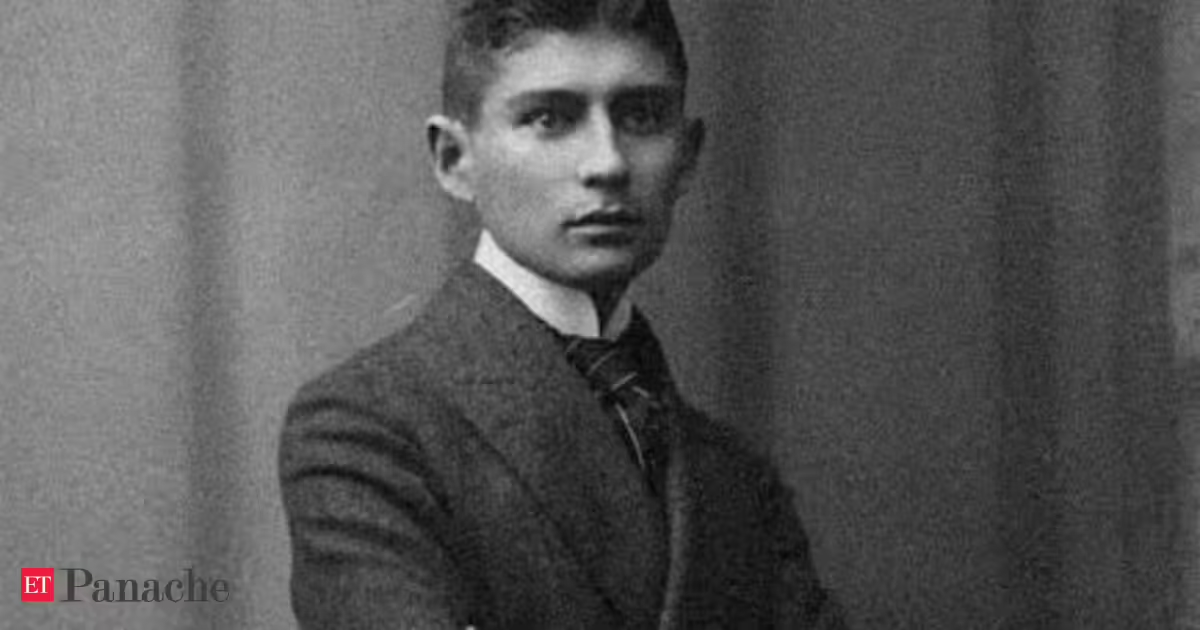
SynopsisFranz Kafka's profound words capture a universal struggle with human connection. Many feel alienated and doubt their ability to form relationships. Modern life, with its digital interactions, intensifies these feelings. The fear of vulnerability makes genuine intimacy challenging. Kafka's insights remain relevant, highlighting the ongoing human desire for belonging alongside the fear of emotional risks.Franz Kafka was born on July 3, 1883, in Prague. (Image - TOI)Human relationships are often portrayed as sources of comfort, belonging and emotional stability, yet for many people, they can also become spaces of anxiety, self-doubt and emotional exhaustion. Feelings of loneliness, social alienation and emotional disconnect have become increasingly common in today’s fast-paced digital world, where communication is constant but genuine connection often feels fragile. Mental health conversations now frequently explore themes such as fear of intimacy, emotional vulnerability, isolation and the pressure to fit into social expectations. Literature, particularly existential literature, has long captured these deeply personal struggles with remarkable honesty. Today’s quote of the day comes from acclaimed German writer Franz Kafka. The line, ‘There are times when I am convinced I am unfit for any human relationship’ is attributed to Franz Kafka and is believed to originate from his personal letters and diary reflections, many of which explored themes of alienation, self-consciousness and emotional conflict. Kafka’s writings, especially works like Letters to Milena and The Diaries of Franz Kafka, frequently revealed his complicated relationship with intimacy and human connection. Literary scholars and archival sources discussing Kafka’s personal correspondence have often cited this statement as reflective of his deeply introspective worldview.Quote of the day by Franz Kafka: Weight of emotional alienationFranz Kafka’s quote captures the exhausting internal battle of feeling emotionally disconnected from others despite longing for connection. It reflects moments when self-doubt grows so intense that a person begins to question their ability to maintain friendships, romantic relationships or even ordinary social interactions. The statement does not necessarily mean hatred toward people; instead, it reveals emotional fatigue and the fear of becoming a burden, misunderstood or incapable of intimacy. Many individuals experience similar emotions during periods of burnout, anxiety or prolonged loneliness, especially when relationships begin to feel emotionally demanding rather than comforting. Kafka transforms a deeply private insecurity into something universally recognizable. In modern society, where social media often creates curated versions of happiness and closeness, people can feel even more isolated when their internal struggles fail to match what they see around them. The quote remains powerful because it articulates a silent fear many people carry but rarely confess aloud.Franz Kafka quote of the day: Modern relationships and fear of vulnerabilityFranz Kafka’s quote also speaks to a growing modern discomfort with vulnerability and emotional openness. In an age driven by instant communication, dating apps and constantly shifting social dynamics, relationships can sometimes feel transactional, temporary or emotionally overwhelming. Kafka’s words reflect the fear that one may never fully belong within these systems of connection. Many people today struggle with emotional detachment, overthinking and the pressure to appear emotionally stable at all times. As a result, genuine intimacy can feel frightening rather than comforting. The quote resonates strongly with individuals who withdraw from relationships not because they lack feelings, but because they fear rejection, disappointment or emotional exposure. Kafka understood that human connection often requires confronting parts of ourselves we would rather hide. His words continue to feel relevant because they expose a quiet contradiction of modern life: people crave deeper relationships more than ever, yet many simultaneously fear the emotional risks that meaningful connection demands.More about Franz KafkaFranz Kafka was born on July 3, 1883, in Prague, into a German-speaking Jewish family belonging to the middle class. Much of his emotional and psychological development was influenced by his father, Hermann Kafka, whose authoritative and emotionally detached nature left a lasting impact on him. This strained bond later became a recurring thread throughout Kafka’s literary work.He pursued law at the German University of Prague before taking up employment in insurance offices. Although Kafka handled his professional responsibilities with discipline, he regarded his office career mainly as a necessity for financial stability, while writing remained his true passion. The monotony of bureaucratic life often conflicted with his artistic aspirations and intensified his feelings of anxiety and inadequacy.Kafka’s complicated relationship with his father remained central to his personal struggles. In a deeply emotional piece later known as Letter to Father, he attempted to describe the fear, pressure and emotional distance he felt growing up. The letter, however, was never actually sent.These personal conflicts strongly shaped Kafka’s fiction. Works such as The Metamorphosis and The Trial frequently examine themes of alienation, oppressive authority, uncertainty and helplessness. Though often dreamlike and symbolic, his stories were deeply connected to real emotional experiences. Kafka was diagnosed with tuberculosis in 1917 and spent his later years battling the illness before his death on June 3, 1924, at the age of 40.Read More News on...morelessRead More News on...moreless
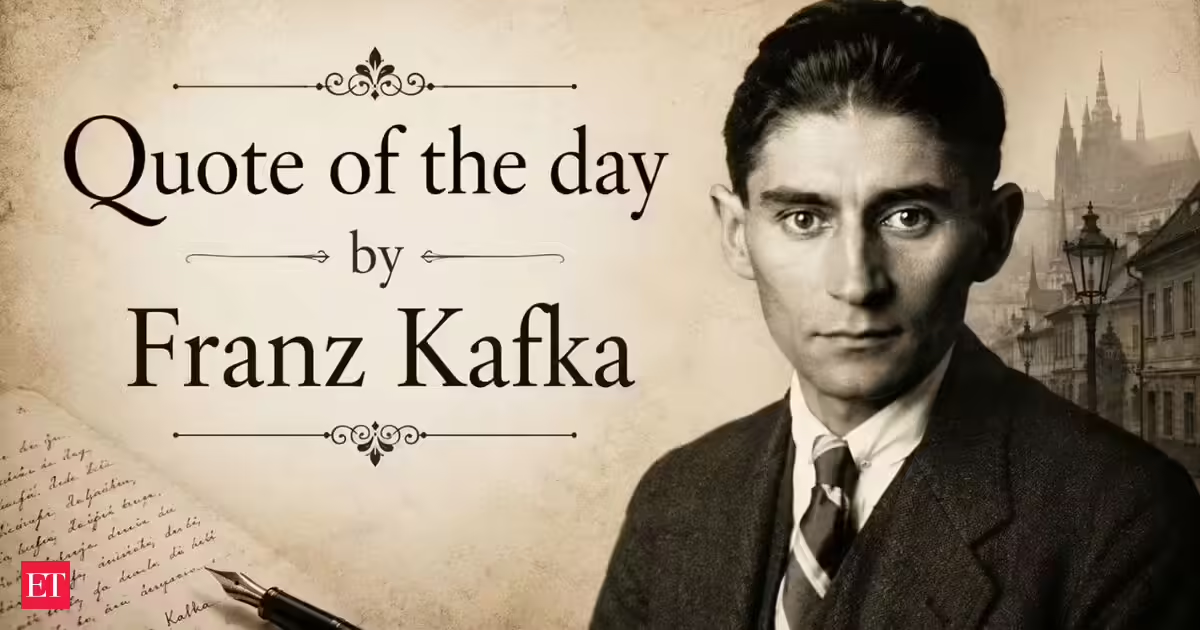
Quote of the day by Franz Kafka: ‘There are times when I am convinced I am unfit for any human relationship.’
Franz Kafka's profound words capture a universal struggle with human connection. Many feel alienated and doubt their ability to form relationships. Modern life, with its digital interactions, intensifies these feelings. The fear of vulnerability makes genuine intimacy challenging. Kafka's insights remain relevant, highlighting the ongoing human desire for belonging alongside the fear of emotional risks.
820 words~4 min read