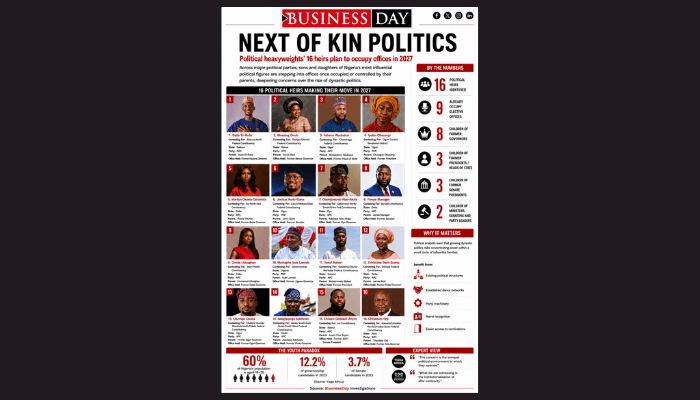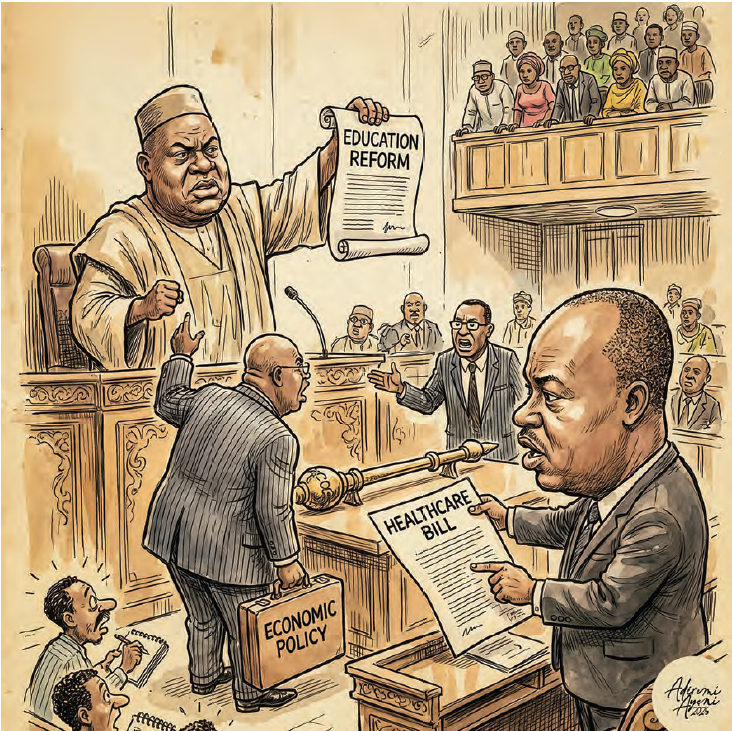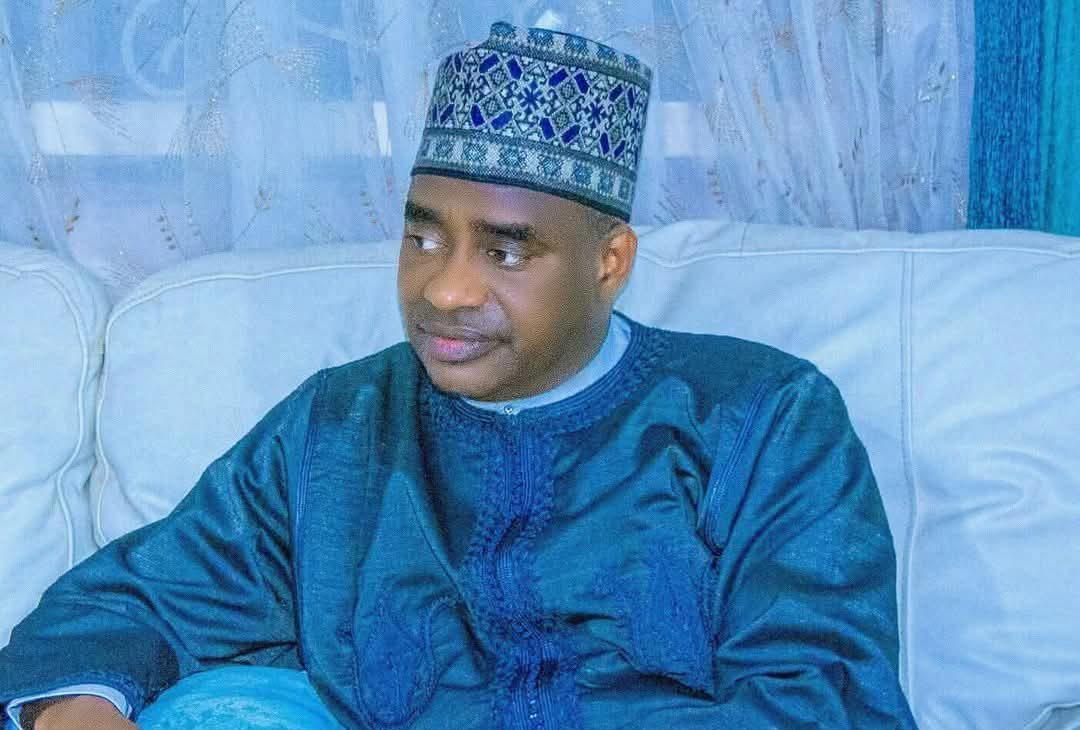
Wikipedia says, “A political family (also referred to as a political dynasty) is a family in which multiple members are involved in politics, particularly electoral politics. Members may be related by blood or marriage; often, several generations or multiple siblings may be involved. Last Monday, May 25, 2026, I was on Real 99.3 FM, Abuja, to discuss this phenomenon on the radio station’s breakfast show. The conversation examined the growing trend of political succession within influential Nigerian families, its implications for democracy, meritocracy, youth participation, and the future of leadership in the country.
Like I said on the programme, building political dynasties is a global practice that is now spreading in Nigeria. For instance, in India, three members of the Nehru–Gandhi family (Jawaharlal Nehru, Indira Gandhi and Rajiv Gandhi) have served as Prime Minister of India. Rajiv’s wife, Sonia Gandhi and son, Rahul Gandhi, served as the President of the Indian National Congress, and daughter, Priyanka Gandhi, served as a Member of Parliament.
In Nepal, there is the Rana dynasty, in which eleven members of the family have become Prime Minister. Jung Bahadur Rana (1846–1856; 1857–1877), Bam Bahadur Kunwar Rana (1856–1857), Krishna Bahadur Kunwar Rana (1857–1857), Ranodip Singh Kunwar Rana (1877–1885), Bir Shumsher J.B.R. (1885–1901), Dev Shumsher J.B.R. (1901–1901), Chandra Shumsher J.B.R. (1901–1929), Bhim Shumsher J.B.R. (1929–1932), Juddha Shumsher J.B.R. (1932–1945), Padma Shumsher J.B.R. (1945–1948), and Mohan Shumsher J.B.R. (1948–1951) have served as the hereditary Prime Ministers of Nepal.