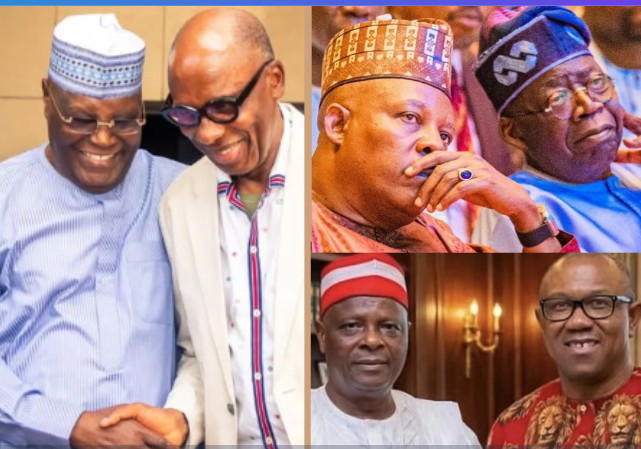
Everything about Nigeria always seems to have its own unique features. Politics, of course, is one of them, and by extension, the nation’s electoral process. Some practices and realities are peculiar to Nigerian politics, so much so that our political culture has expanded the country’s political lexicon in remarkable ways. Terms such as money politics, vote-buying, ballot snatching, and political thuggery have become widely associated with the Nigerian democratic experience. Yet, one of the most enduring tragedies of Nigerian politics remains the phenomenon of political godfatherism.
Across the country, elected officials and aspiring politicians frequently rise not necessarily because they are the most popular, the most competent, or the most visionary. Rather, their greatest strength often lies in the backing of influential political patrons who reserve for themselves the power to determine who rises, who falls, and who remains politically relevant.
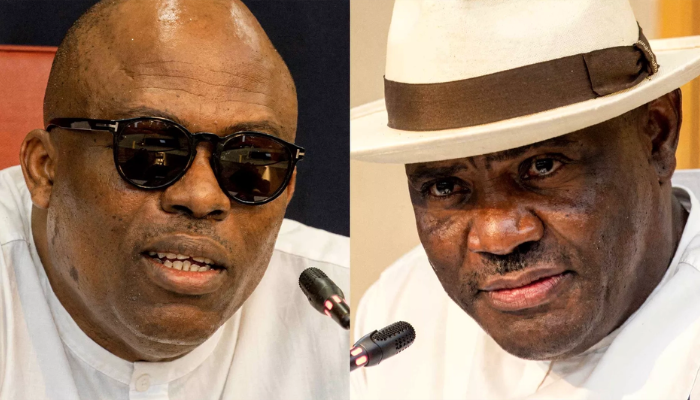
Whenever politicians secure the support of such powerful figures, they often celebrate it and describe the process as democracy in action. Yet the dangerous irony of godfatherism is that those favoured today can easily become targets tomorrow. The recent political turmoil involving Rivers State Governor, Siminalayi Fubara, and the controversies surrounding Lagos lawmaker and Nollywood actor, Desmond Elliot, once again expose the instability and unpredictability of a system where loyalty to powerful individuals often matters more than accountability to the people. Unfortunately, this culture neither started today nor shows any sign of ending anytime soon.