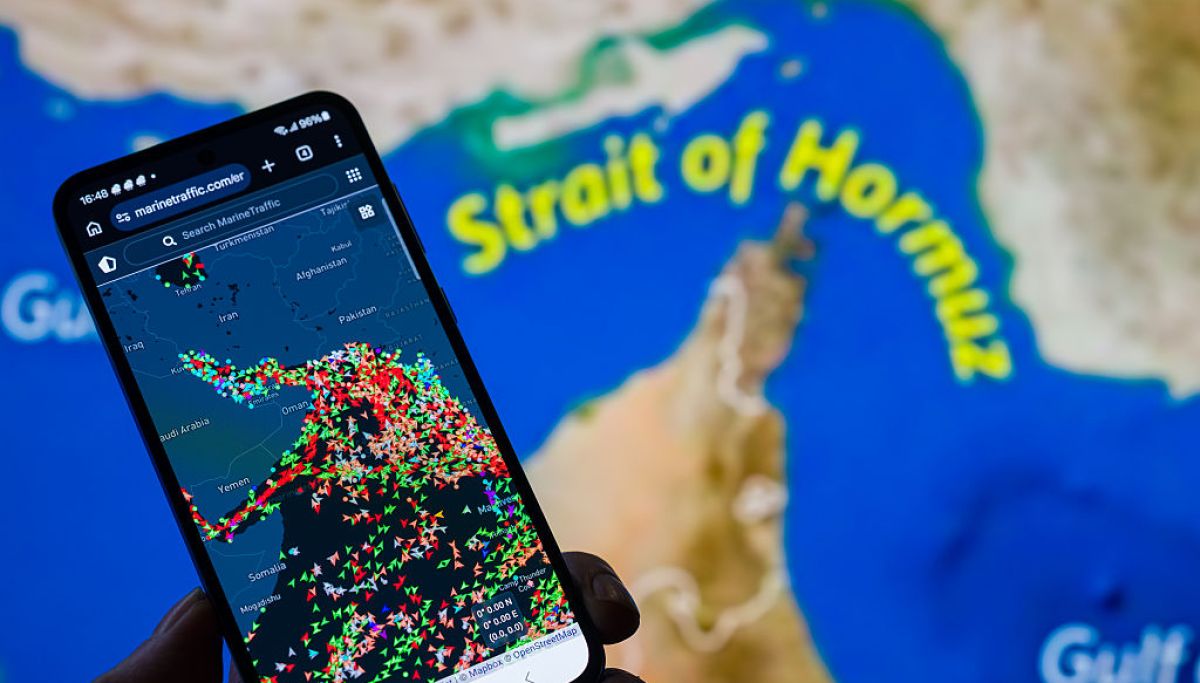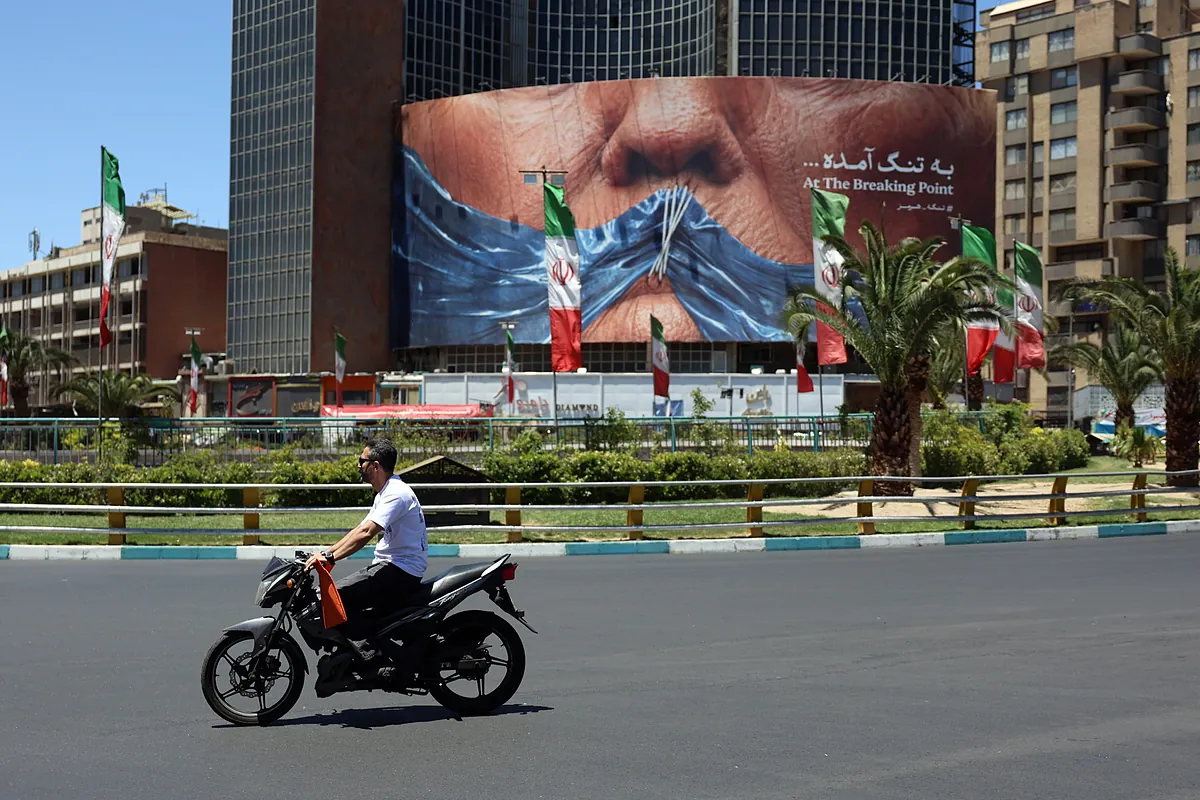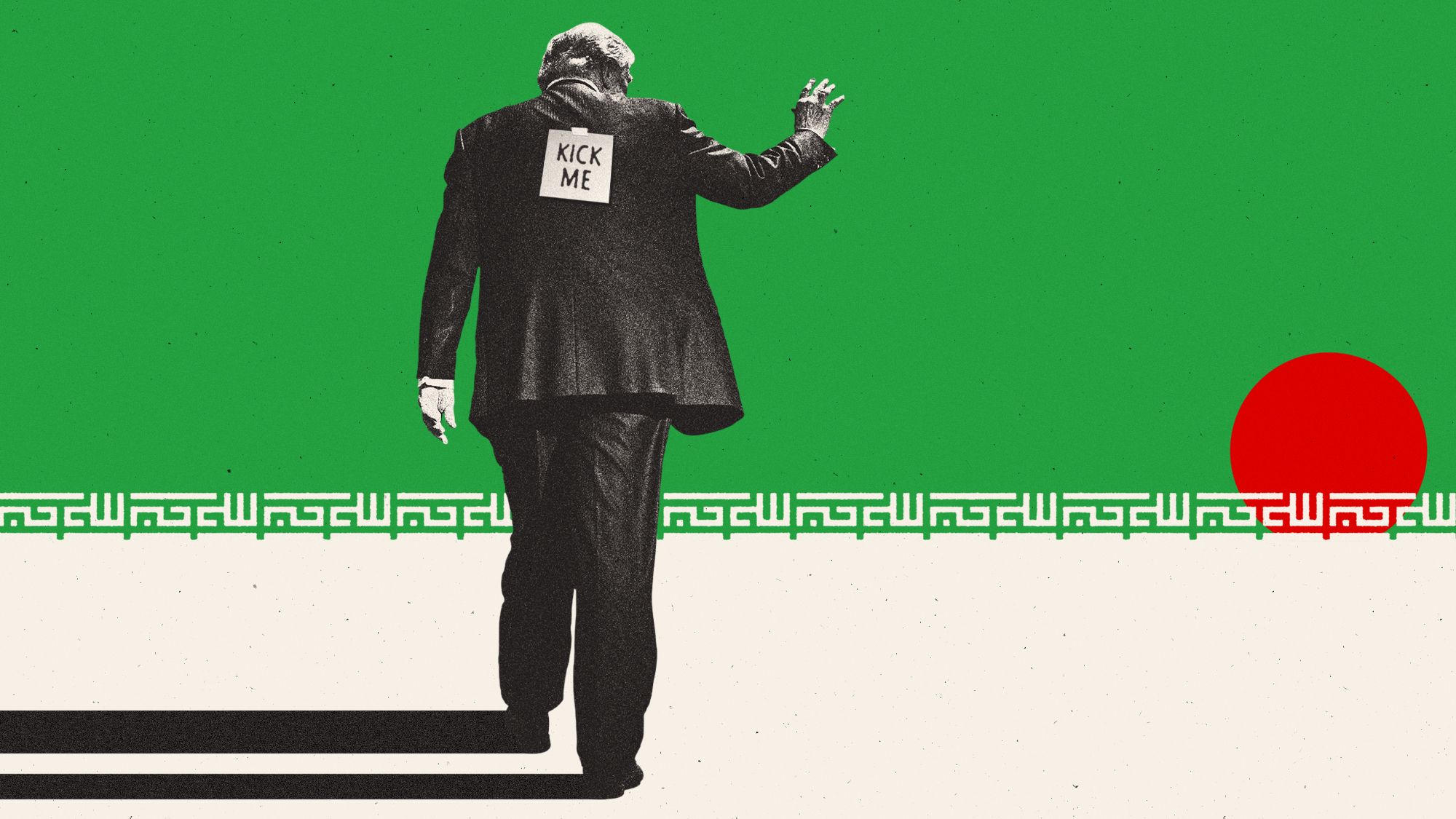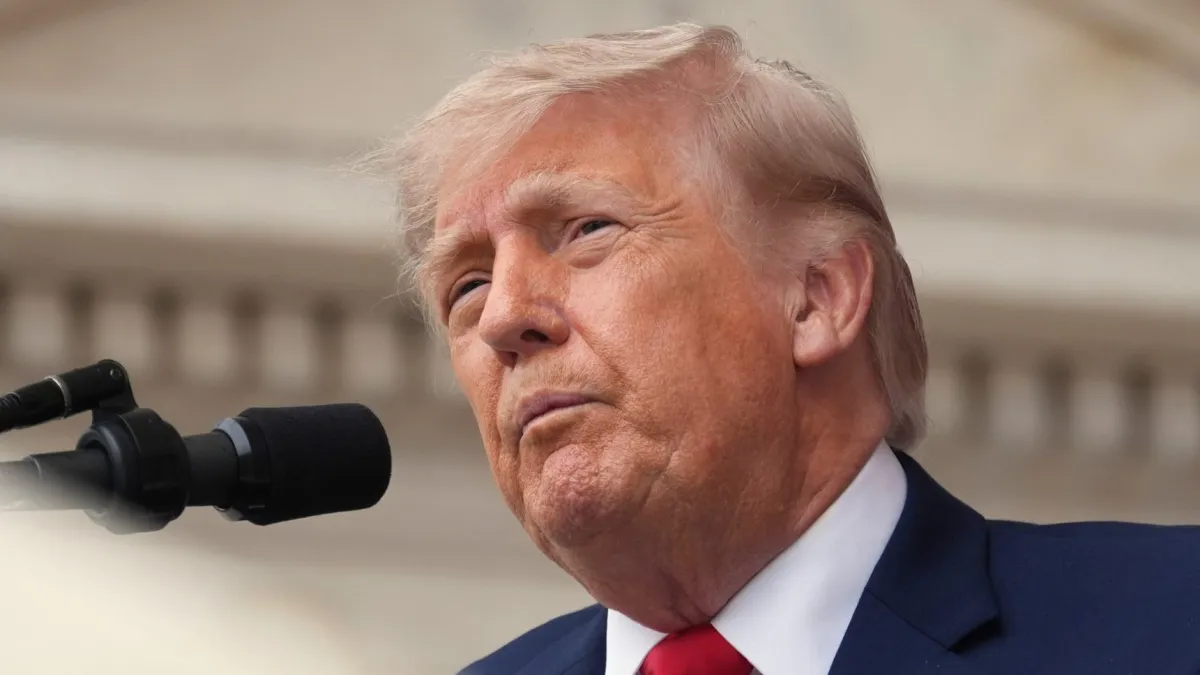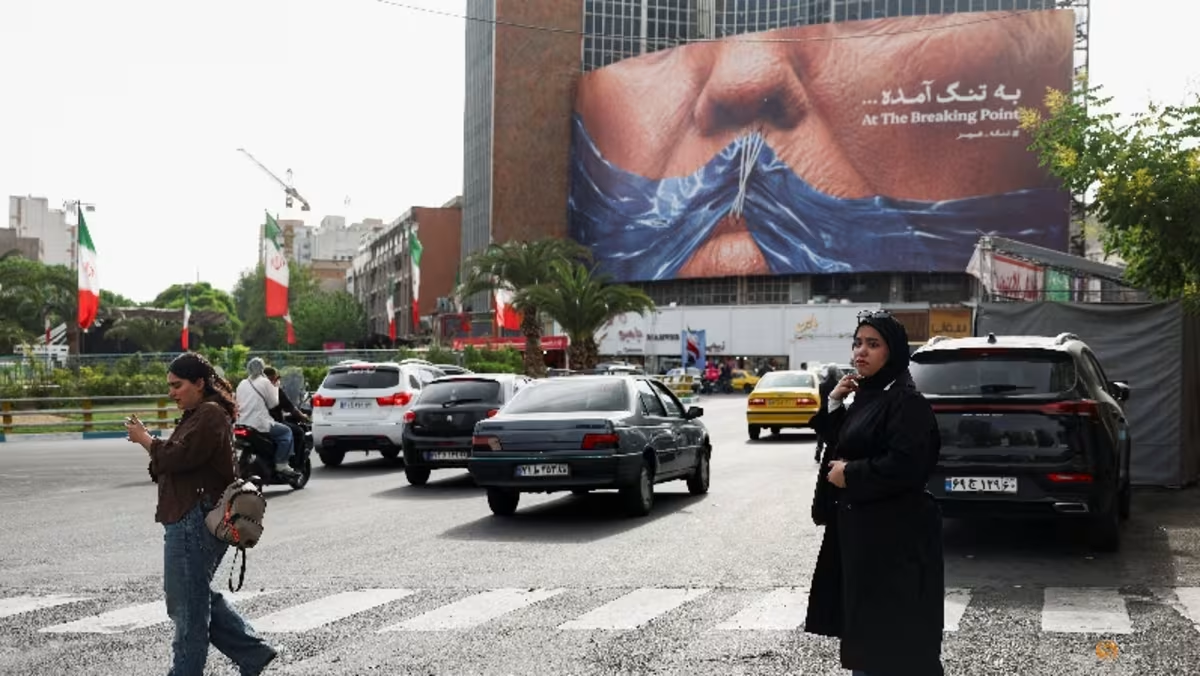
LONDON: “The worst thing you can possibly do in a deal is seem desperate to make it. That makes the other guy smell blood, and then you’re dead. The best thing you can do is deal from strength, and leverage is the biggest strength you can have.” That was the principle Donald Trump (or his ghostwriter) set out in The Art Of Ohe Deal, published in 1987. Perhaps the US president should have re-read his own book before posting on Apr 5: “Open the F*****’ Strait, you crazy bastards, or you’ll be living in Hell.”To the untrained eye, that demand sounded just a touch desperate - particularly when Trump failed to follow through on his threats to unleash hellish violence on Iran.The grim reality is that, in the talks to end the war, it is Tehran that has had the leverage. Iran’s closure of the Strait of Hormuz put intense pressure on the global economy. As petrol prices have risen in America, so Trump’s opinion poll ratings have plummeted.
The result is that, at the time of writing, the US seemed poised to agree to a deal that - over the long term - threatens to leave Iran in a stronger position than before this war began.The essence of the emerging deal is that Iran agrees to open the strait without charging a toll. In return, it gets phased relief from sanctions - including the unfreezing of billions of dollars of assets. Iran will make promises to restrict its nuclear programme. But the details will be the subject of future negotiations, so that issue is essentially unresolved. MORE CONFIDENT, MORE HARDLINETrump has insisted that he is in no hurry and would never accept a bad agreement. But the reaction of hawkish Republicans to the emerging deal was telling.Senator Ted Cruz suggested that it could be a “disastrous mistake” because it would leave Iran “able to enrich uranium and develop nuclear weapons, and having effective control over the Strait of Hormuz”. Senator Roger Wicker, head of the Senate armed services committee, warned that the emerging deal “would not be worth the paper it is written on”.The Israeli government, which played a crucial role in persuading Trump to go to war in the first place, will be polite about any deal in public - not least because Prime Minister Benjamin Netanyahu must soon face the electorate. But the reality is that the Israeli leader sold the war as a unique opportunity to secure regime change in Iran.