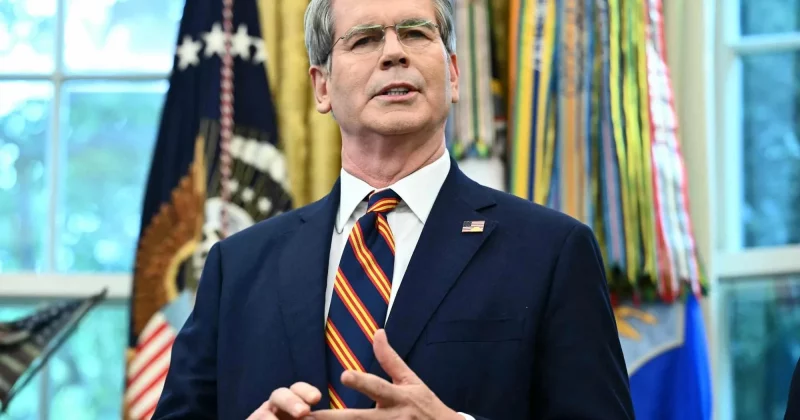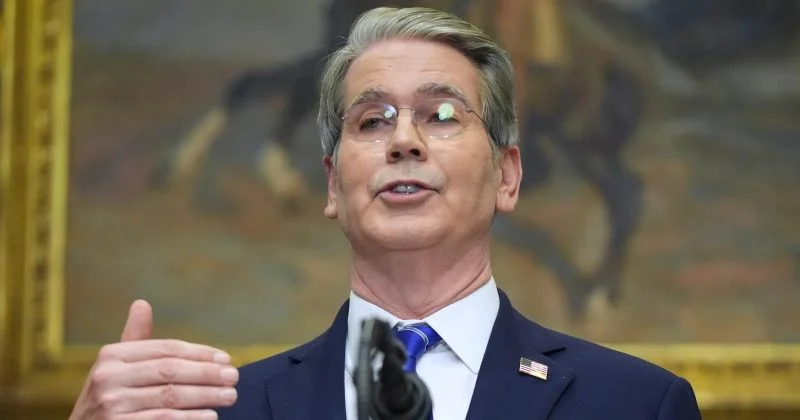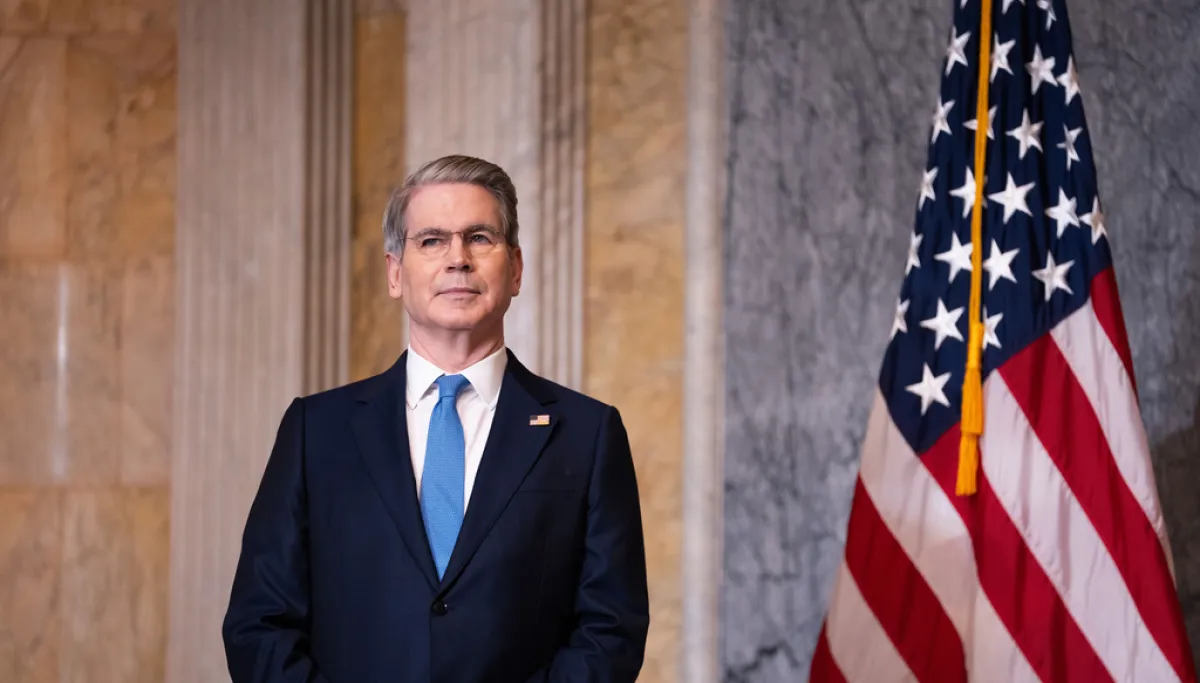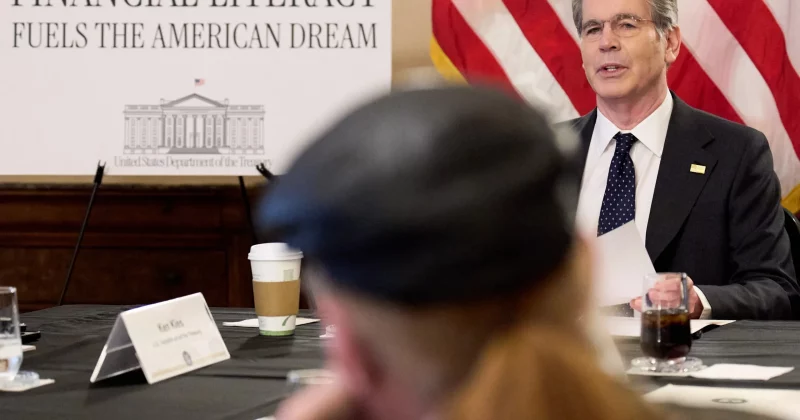
The 30-year Treasury yield hit 5.02% on May 14, a level not seen in years. For Treasury Secretary Scott Bessent, who has made lowering long-term borrowing costs a central priority since taking office in January 2025, that number represents something close to a policy failure in real time.
Think of Treasury yields as the price tag the US government pays to borrow money. When investors demand higher yields to hold government bonds, it signals either rising inflation expectations, concerns about fiscal discipline, or both.
The 10-year yield climbed above 4.2% back in April 2025. But the 30-year yield crossing the 5% threshold is a different animal entirely.
Bessent, the 79th US Treasury Secretary, confirmed under President Trump on January 28, 2025, has consistently framed the yield moves as temporary disruptions rather than structural problems. He has attributed recent market fluctuations to leveraged investors and the process of deleveraging rather than anything systemic.
The Treasury Secretary has floated a few ideas. One involves potential easing of bank capital rules, which could theoretically free up demand for Treasuries by making it cheaper for banks to hold them on their balance sheets. Another centers on restraining government spending.