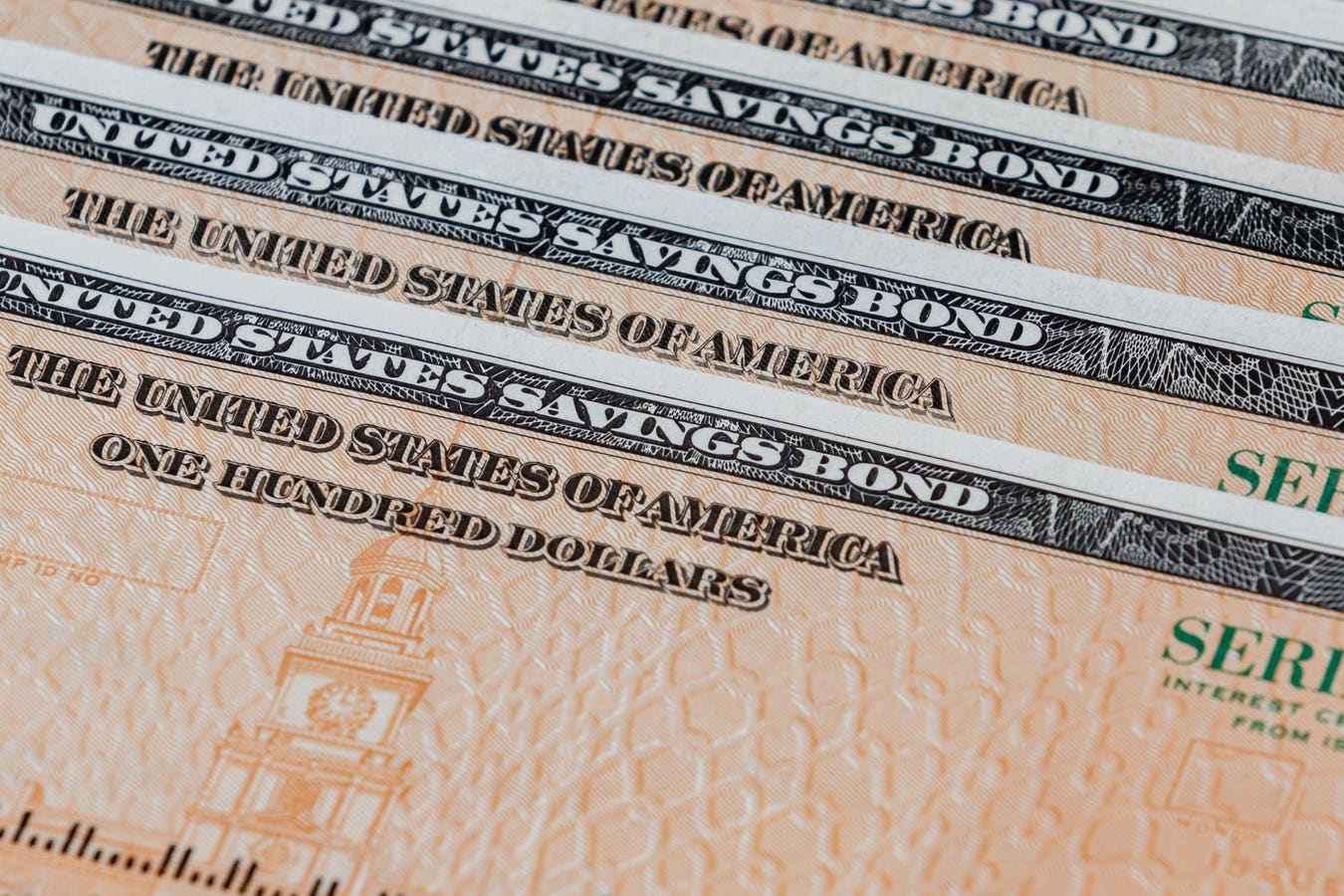
United States of America government savings bond series EE
Treasury yields are climbing again, and this time the move is tied as much to geopolitics as economics. A new energy shock, rising inflation expectations and fading hopes for Middle East de‑escalation are pushing the bond market to reprice risk across the board — from mortgages to corporate borrowing to consumer credit.
If you don’t follow financial markets closely, it can be difficult to grasp how central Treasury securities — the mechanisms through which the federal government borrows money — are to the country and the world. And with yields rising for reasons that stretch far beyond routine economic data, understanding how these bonds work is the first step in making sense of what is happening now.
Setting The Context
On the foundational level, as the Federal Reserve Bank of St. Louis explains, there are three major types of bonds: bills, notes and bonds. Let’s call them all bonds.