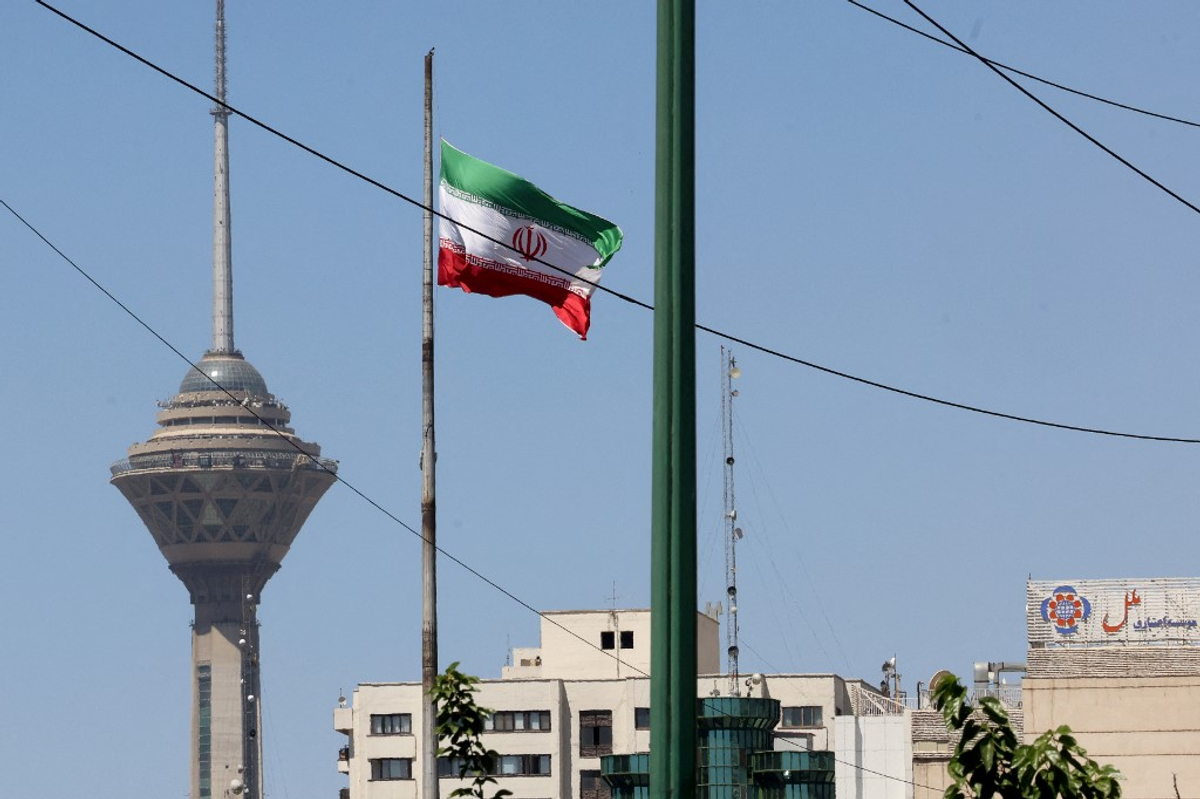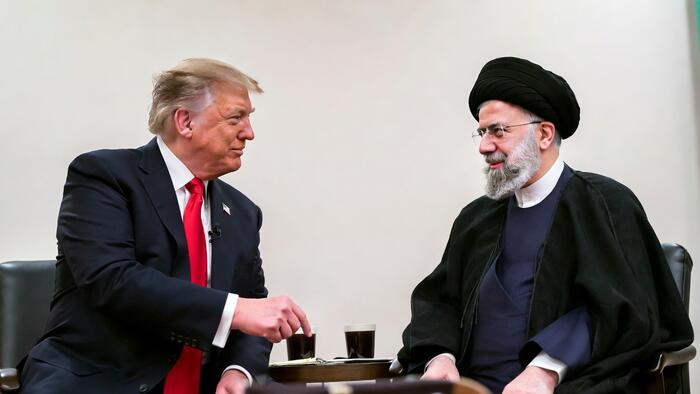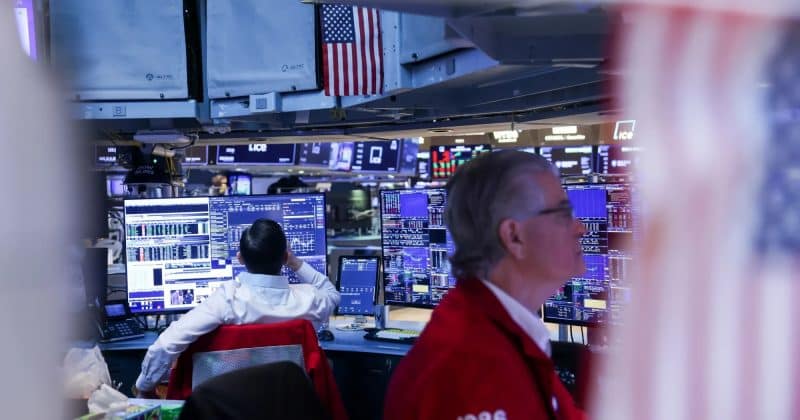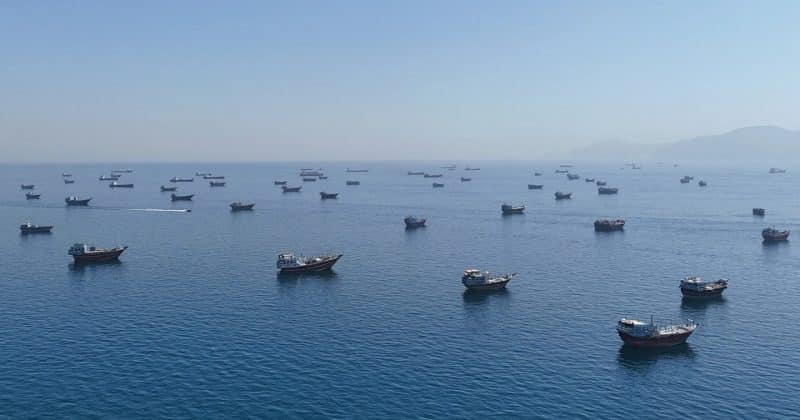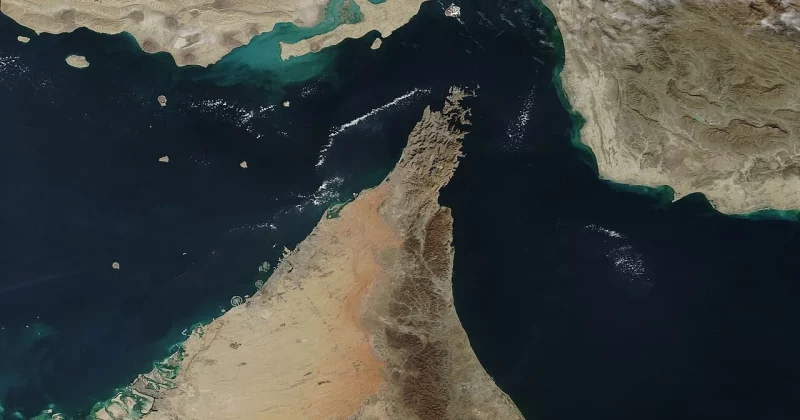
Global equities pushed higher while US oil prices dropped as investors positioned for what could be one of the most consequential geopolitical deals of 2026: a US-Iran agreement to reopen the Strait of Hormuz.
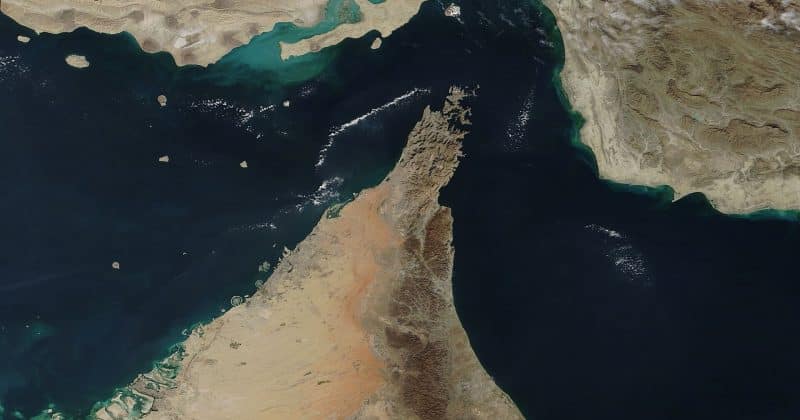
The narrow waterway between Iran and Oman handles roughly a fifth of the world’s daily oil supply. Both WTI and Brent crude fell approximately 5-6% on the optimism, dragging energy commodities lower while lifting risk assets across Asia and Europe.
How we got here
The crisis traces back to February 28, 2026, when Iran imposed restrictions on transit through the Strait of Hormuz. The move came in response to escalating military actions involving the US and Israel against Iranian forces, effectively weaponizing control over the world’s most important oil chokepoint.
Throughout April 2026, reports surfaced that Iran was exploring Bitcoin-based tolls for oil transit through the Strait, floating a rate of roughly $1 per barrel. The idea appeared designed as a sanctions workaround, allowing Iran to collect revenue in a decentralized currency that traditional financial rails couldn’t easily block.