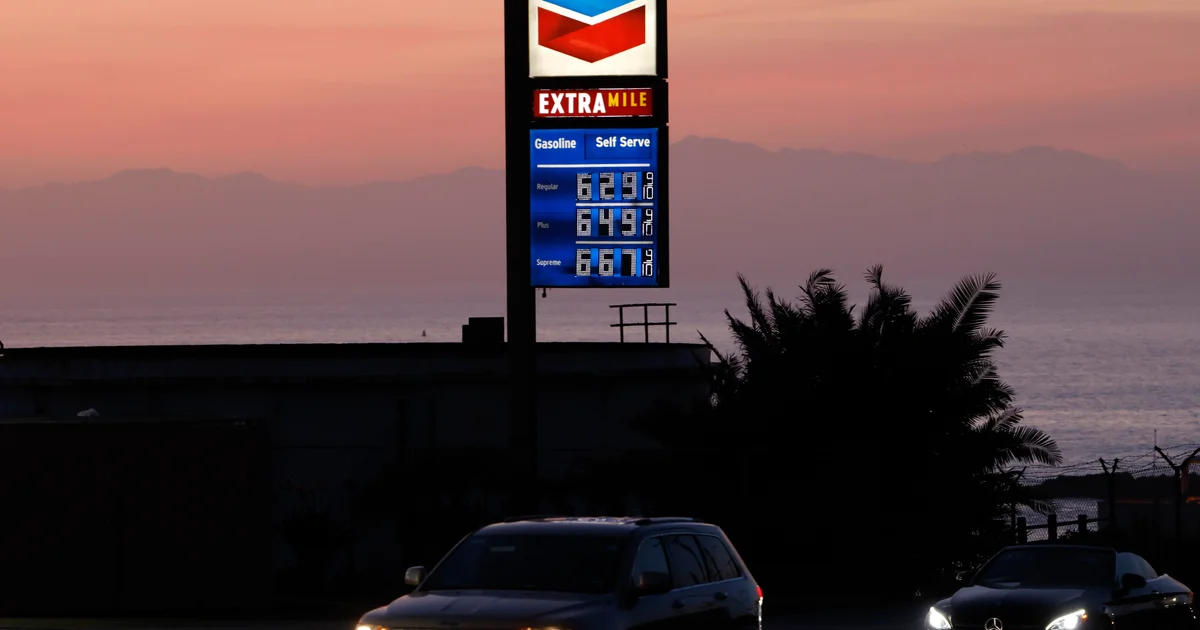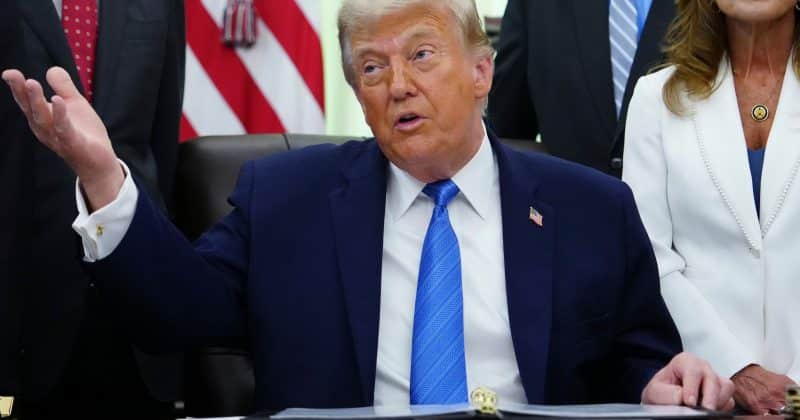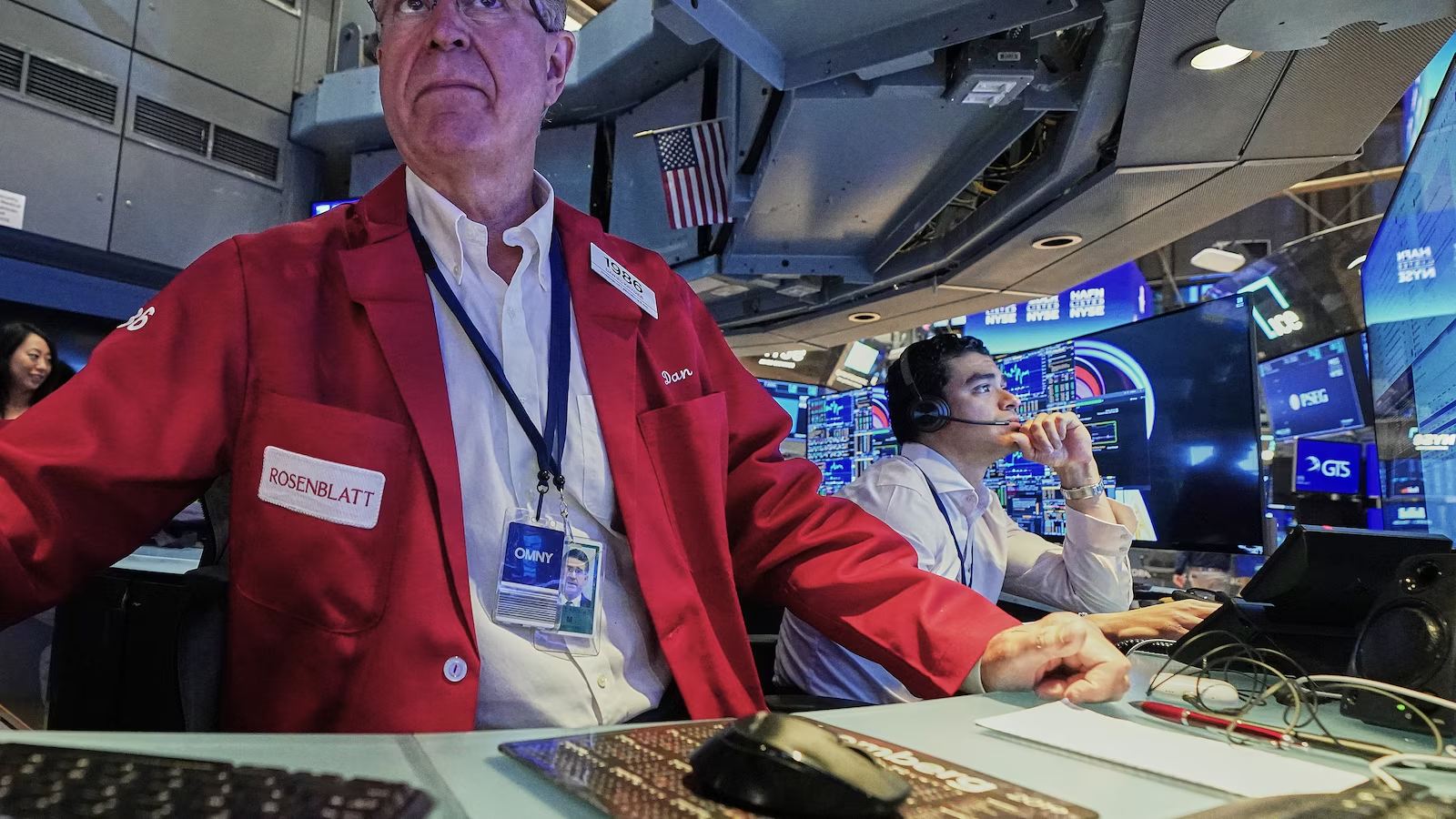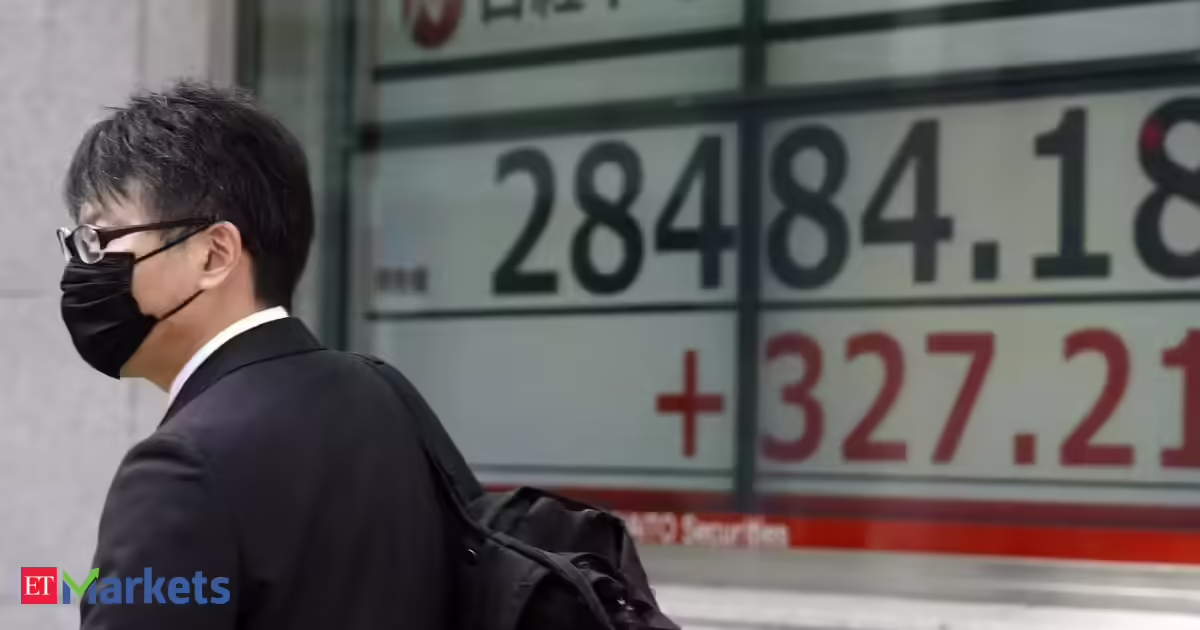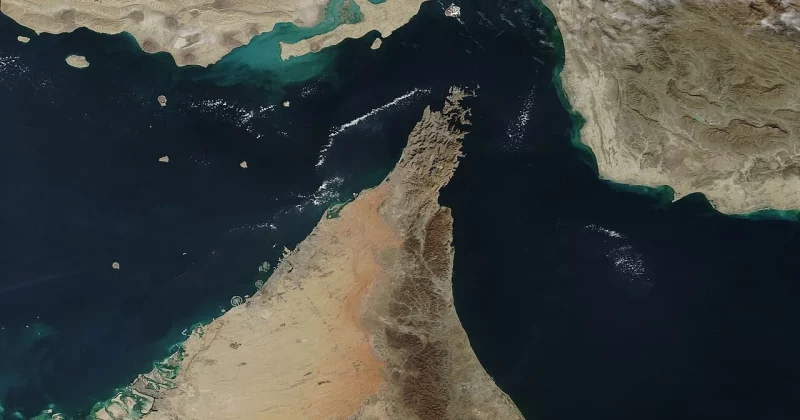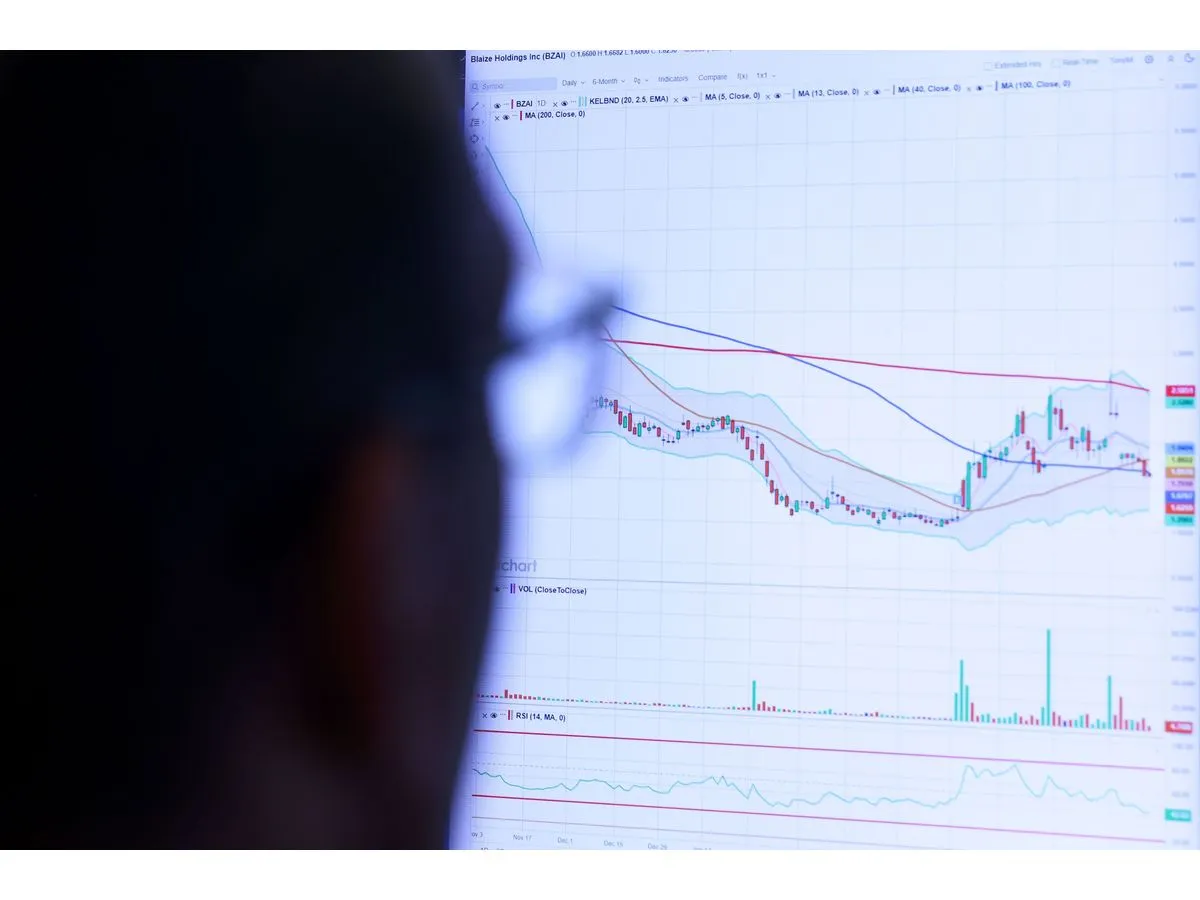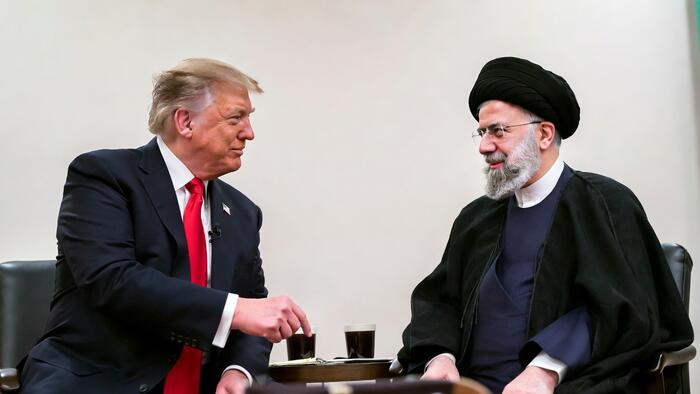
US equity futures jumped and global stocks rose to record highs as crude oil fell after officials signaled - once again - that the US was nearing a deal with Iran to reopen the Strait of Hormuz and restore oil flows. The dollar weakened while precious metals and crypto bounced from Friday's drop. While the US and Iran closed in on a deal, Trump said he won’t “rush” into an agreement. The deal is still a work in progress and the US is going to give diplomacy every chance to succeed, Secretary of State Marco Rubio said. S&P 500 futures squeezed higher by 0.9%, in line with Goldman expectations, while Nasdaq futs were up 1.3%, both printing in record territory as the market just can't get enough of news that "a deal is imminent." US cash markets are shut Monday for the Memorial Day holiday. The dollar retreated against all of its Group-of-10 peers. Crude oil slumps more than 5%: WTI crude futures fall to around $91 and Brent contracts drop below $98 a barrel. Aussie tops G-10 leaderboard; euro and pound both add about 0.3%. Nikkei surges more than 3% as Japanese equities hit record highs, and Taiex also jumps about 3%. Mainland China indexes are all in the green. Hong Kong and South Korea are closed for holidays. T-note futures jump 20/32 to near 109-28. Australian curve bull flattens with 10-year yield down 5 bps. JGB futures rally as Japan’s long-end yields slide. Gold rises more than $50 to near $4,560 and silver surges 3%.In short: global euphoria. Consistent The MSCI All Country World Index, the broadest measure of global equities, rose 0.4% to an all-time high closing level. Europe’s benchmark Stoxx 600 gained for a sixth straight session to the highest intraday level since the outbreak of the Iran war. Trading volumes were light, with a number of markets including the UK, Norway and Denmark closed for holidays. Brent tumbled almost 6% to below $100 a barrel amid optimism a deal will help restore the flow of oil through the vital Middle East artery.Senior US officials said Sunday that the US and Iran were nearing an agreement that would reopen the Strait of Hormuz, though final approval from both sides could still take several days. Iran said a deal isn’t imminent, though there is consensus on a number of issues. While the US and Iran closed in on a deal, President Donald Trump said he won’t “rush” into an agreement. The deal is still a work in progress and the US is going to give diplomacy every chance to succeed, Secretary of State Marco Rubio said.Similarly, Iran’s foreign ministry spokesperson says they have reached a framework with the US but nobody can say that an agreement between the two sides is imminent, Reuters reports. he adds that Iran will not collect tolls on the Strait of Hormuz but it's normal that services provided would require a price.In other words, we don't have a deal as the key sticking points remain unresolved (and unresolcable) but the market is acting as if there is a deal, as has been the case since April. “After today’s market moves, the most likely scenario already appears to be largely priced in,” said Roberto Scholtes Ruiz, head of strategy at Singular Bank. “Therefore, I would expect some ‘sell the news’ dynamics once a deal is finally reached, and I would refrain from adding exposure to equities until yield curves move lower.”The improvement in risk sentiment follows weeks of stalemate between the US and Iran after several previous efforts to strike a deal. Global equities have since surged on optimism that Middle East tensions may ease and on renewed enthusiasm for the artificial intelligence trade, while elevated oil prices and higher inflation pushed bond yields to multi-year highs.“A clear FOMO factor contributes to unexpectedly strong global risk appetite: investors don’t want to be left out if the Iran war comes to an end while the AI theme continues to lift the stock market,” said Dana Malas, a strategist at SEB.Traders also remain focused on inflation. They have fully priced in a Federal Reserve rate hike by year-end, underscoring expectations that the US central bank chair Kevin Warsh will need to act swiftly. Later this week, US Personal Consumption Expenditures data and inflation readings across Europe will offer clues on price pressures and the direction of interest rates.Warsh, who has promised the biggest shakeup in decades at the US central bank, was sworn into office Friday. Trump stressed that he wants Warsh to independently lead the Fed, as he looked to downplay investor concern that he would pressure the new central bank chief on policy decisions. The Fed may have enough reason to justify an interest rate cut rather than a hike under new chairman Warsh, according to BlackRock Inc. Europe is picking up where it left off last week after Trump talked up the prospects of a peace deal over the weekend. SocGen’s strategists reckon “muscle memory” built in previous crises is encouraging investors to buy dips and BofA’s say London’s buyside is “long and paranoid.”
Futures, Global Stocks Soar To All Time High, Oil Plunges On Endless "Iran Deal" Drumbeat
“After today’s market moves, the most likely scenario already appears to be largely priced in. Therefore, I would expect some ‘sell the news’ dynamics once a deal is finally reached, and I would refrain from adding exposure to equities until yield curves move lower.”
2,756 words~13 min read