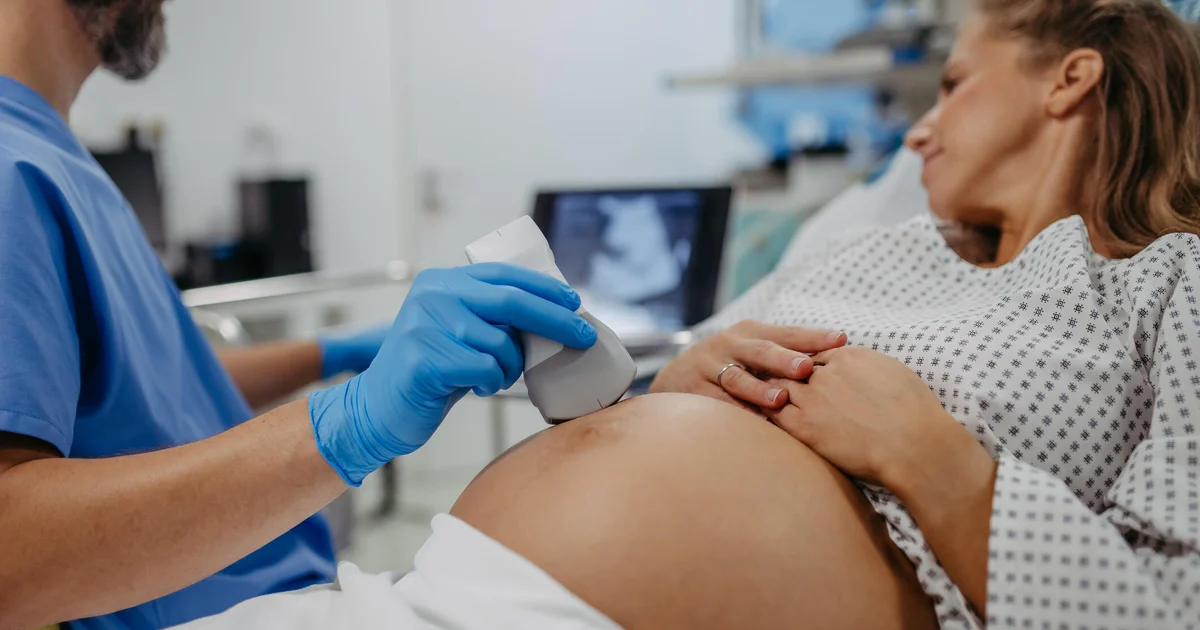
Childbirth bills can cost some households nearly half their yearly salaries. The average bill for an insured birth and prenatal and postpartum visits in the U.S. now sits at $20,416, with consumers paying $2,743, a new study from Phoenix-based Birth Injury Lawyers Group found. Total costs for the first year of a C-section birth can surpass $50,000, the study found.“Insurance status, delivery method, state, income, race, and access to care can all change the final cost, meaning two families having the same type of birth may face very different bills simply because of where they live or how their care is covered,” the study said.Birth bills shoot even higher for uninsured patients, who see average bills of $31,117 for vaginal delivery and $44,432 for a C-section. The financial impact of birth varies by state, ranging from somewhat manageable to staggering. Households in one state get bills that cost nearly half of their average yearly income (Getty Images)Uninsured women in West Virginia who have C–sections can see bills that cost as much as 43 percent of the state’s average yearly income. C-sections in the top 10 most expensive states average around $9,000 above the national median. While four New England states dominate the top five, one state on the opposite side of the country is the most expensive state in America for a C-section. Alaska is the most expensive state for the surgical procedure, with an average bill of $39,532, followed by Maine ($28,794), Vermont ($28,747), Oregon ($28,708) and New Jersey ($26,896).Complications can send costs into another stratosphere, in many cases. Birth costs can be as much as $70,000 if the child requires a NICU stay, the study found.Those with insurance aren’t immune to the financial burden, either.“For parents covered by private insurance, the frequency and intensity of services associated with pregnancy, childbirth, and infant care can lead to considerable out-of-pocket expenses,” KFF’s analysis said. Consequently, new mothers are twice as likely to have medical debt as women who didn’t recently give birth, the study noted. While insurance can lower the out-of-pocket cost of giving birth to below $3,000, the average American household doesn’t have enough money to pay that bill. The median emergency savings balance is $500, and 1 in 3 Americans don’t have an emergency fund, according to financial services company Empower. That reality adds stress to expecting families, with Empower noting that half of consumers are stressed about their emergency savings. Expectant mothers and families can take several steps to ensure they’re aware of the coming costs, KFF said. Reading over their health insurance policy, identifying possible out-of-pocket costs and knowing what is and isn’t covered are key areas to understand, KFF said.
New study reveals the average cost of having a baby in the US
Uninsured patients can face staggering bills for prenatal, birth and postpartum medical care
445 words~2 min read