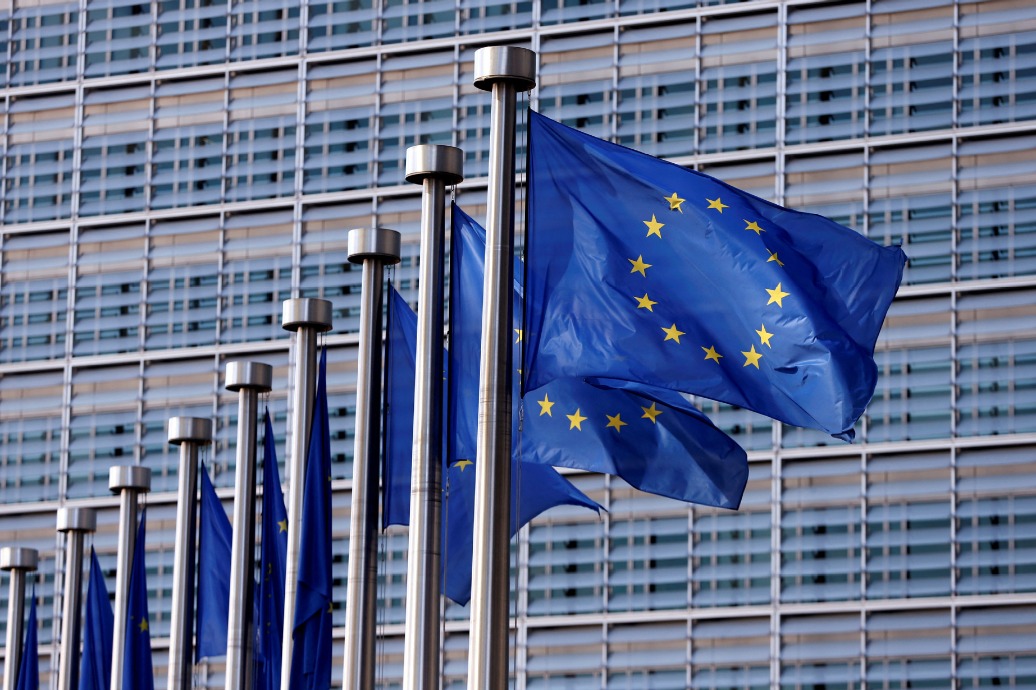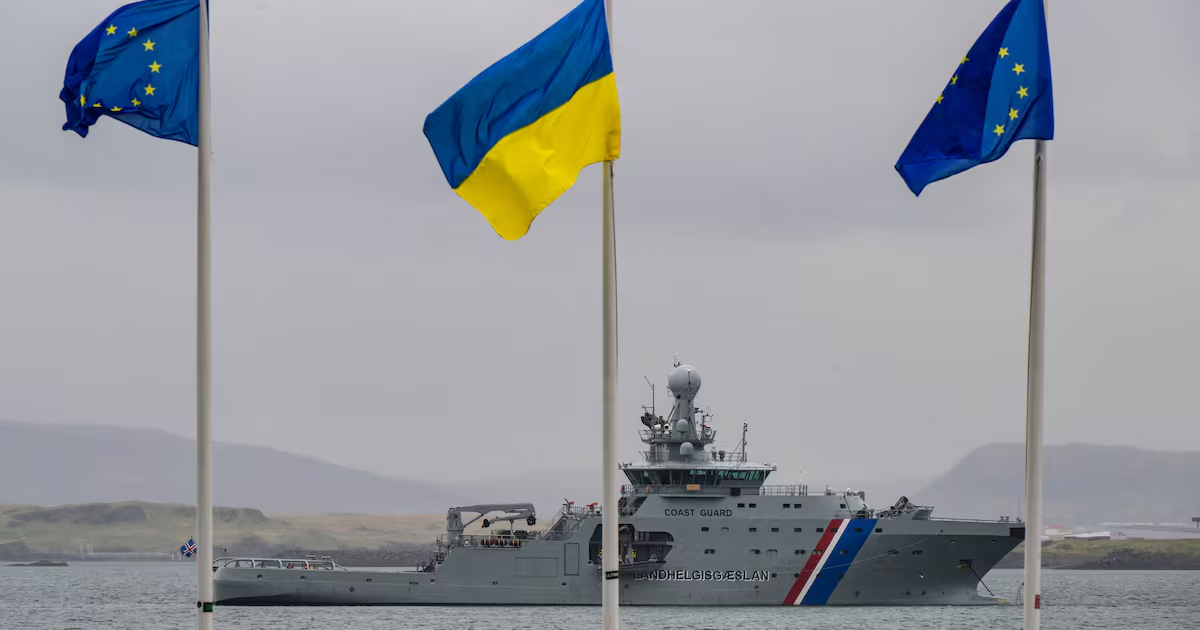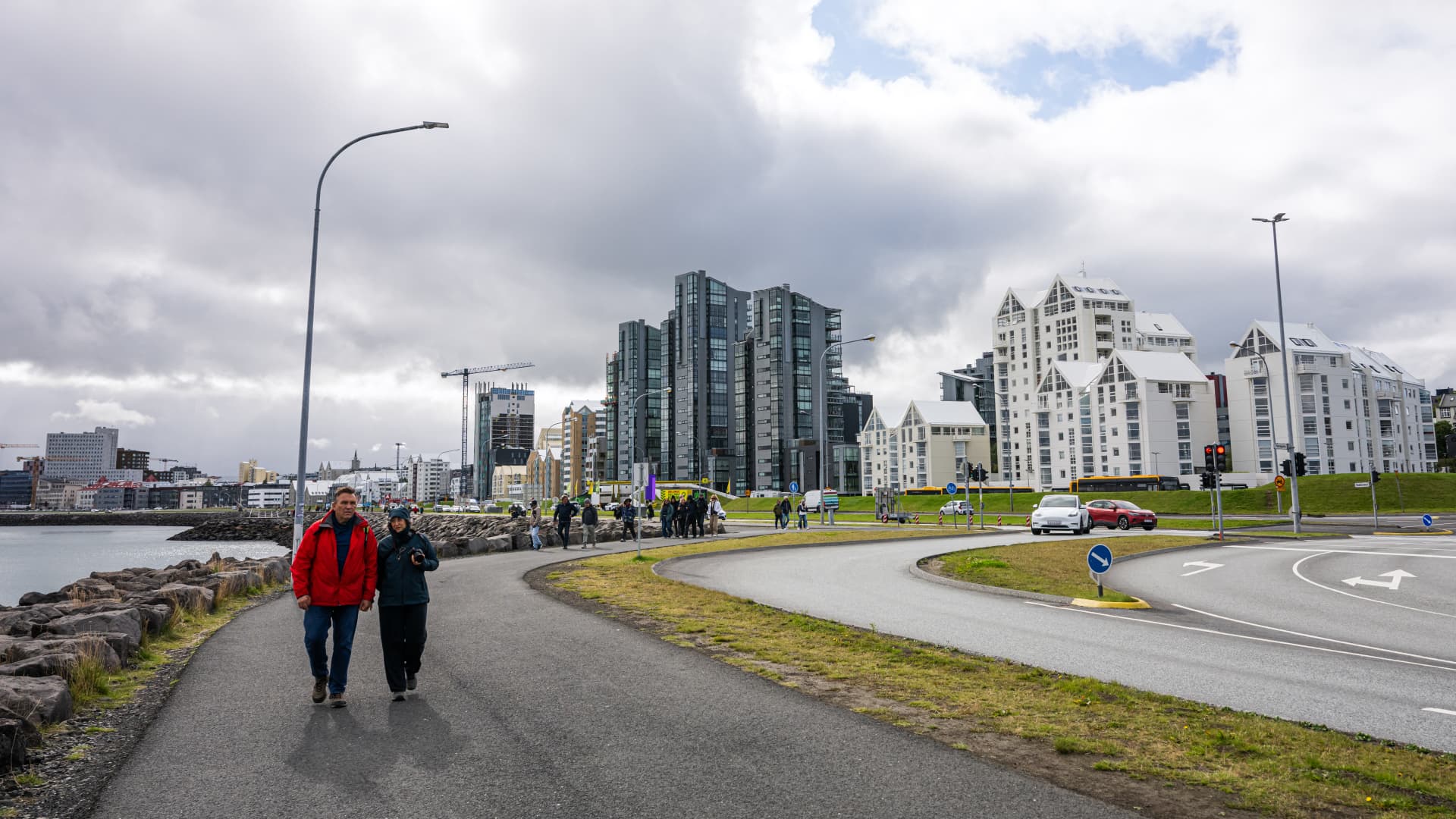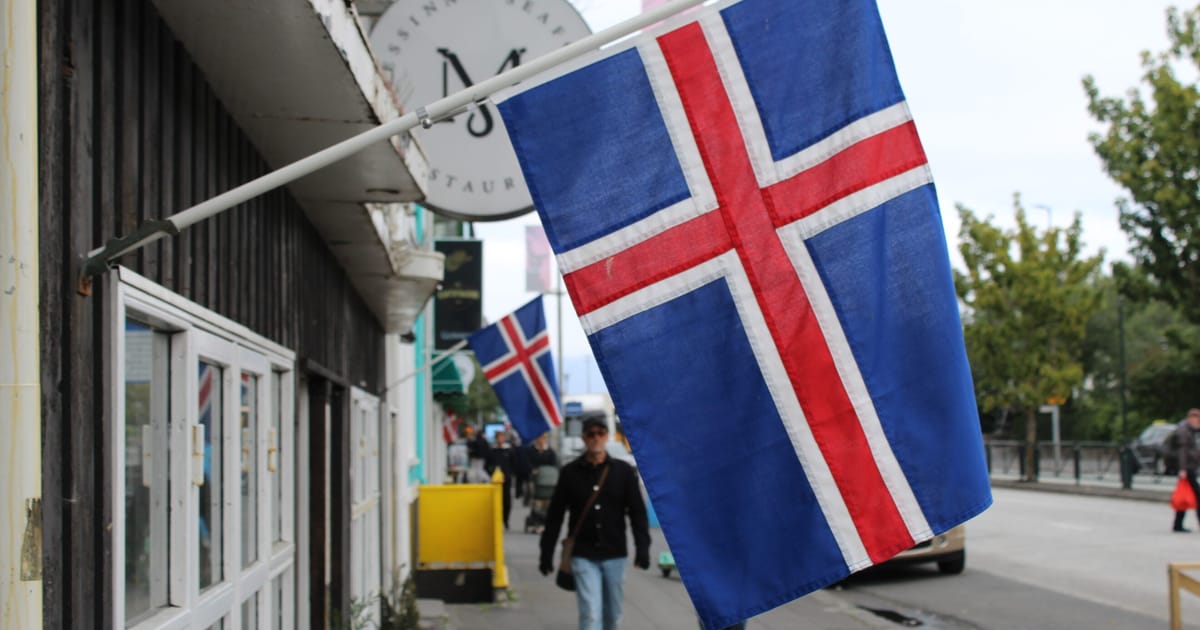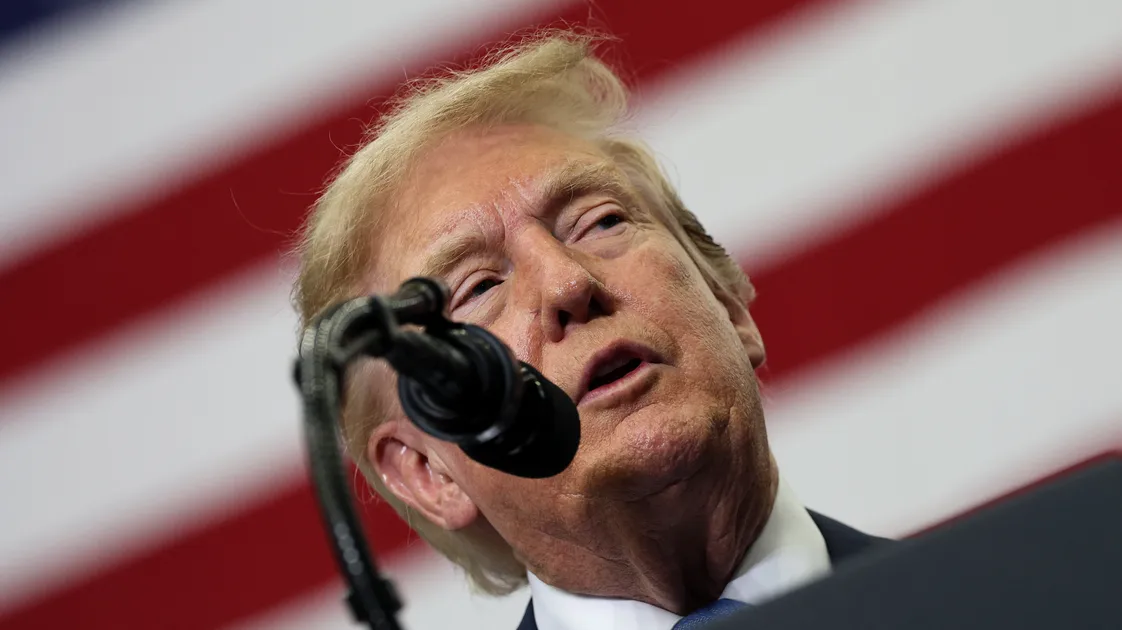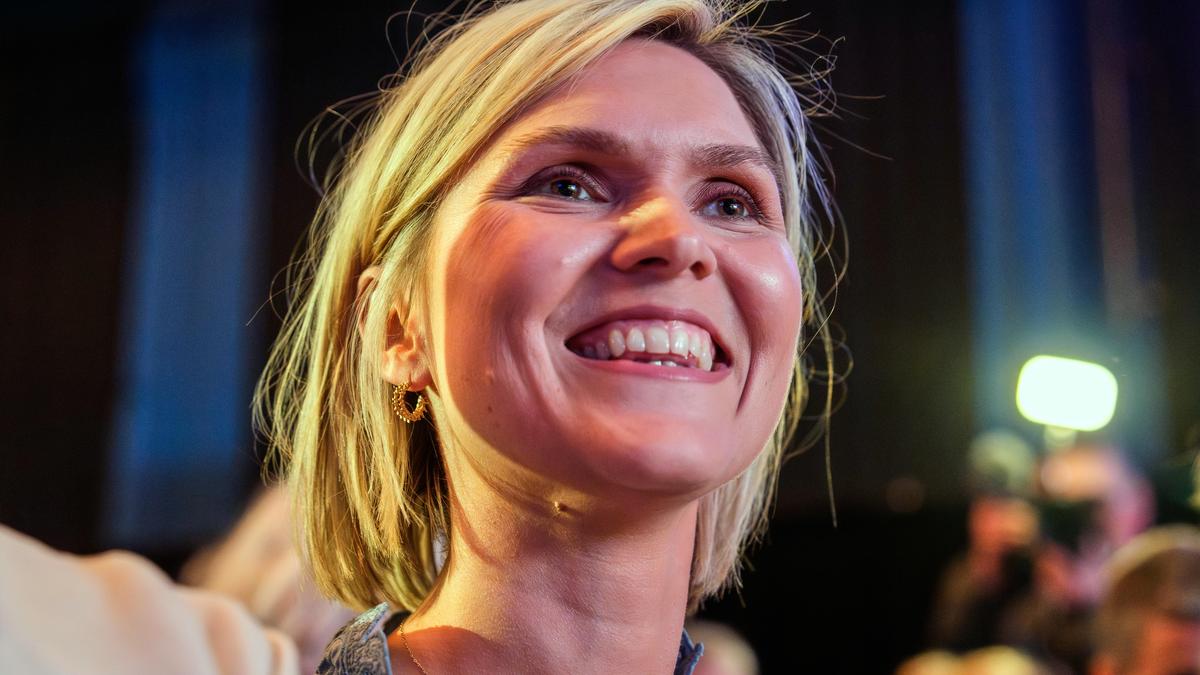
What if Donald Trump were to break the impasse that has characterized Iceland's accession process to the European Union for over a decade? The New York Times asks this question, describing the atmosphere in Reykjavik today, where the government of social democratic Prime Minister Kristrun Frostadottir has already called a referendum for this summer to resume exploratory talks with the European Union, which were interrupted in 2013. For decades, Iceland has strongly defended its independence, especially regarding the control of fishing resources, choosing to remain outside the European bloc. But Trump's repeated statements about his desire to "acquire" Greenland have fueled fears and cast a shadow over Arctic security and the geopolitical fragility of the region.
At the heart of the debate is the need, felt by the Icelandic government, to ensure greater political and economic stability for the country. Iceland, the only NATO member without an army, has always relied on the Atlantic Alliance and the United States for its defense. However, the uncertainty linked to American foreign policy has pushed a growing part of public opinion to look more favorably towards Europe. In March, Brussels and Reykjavik signed a defense partnership, while several analysts cited by the American newspaper emphasize that joining the EU would offer Iceland a more stable anchor in the international scenario. Economically, discontent is also growing: inflation exceeds 5%, the Icelandic krona remains volatile, and the cost of living continues to rise.