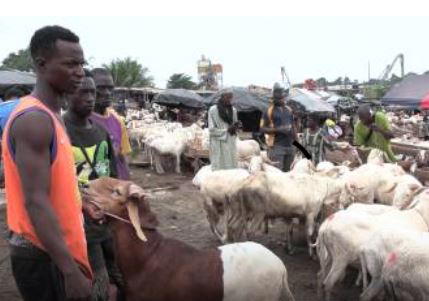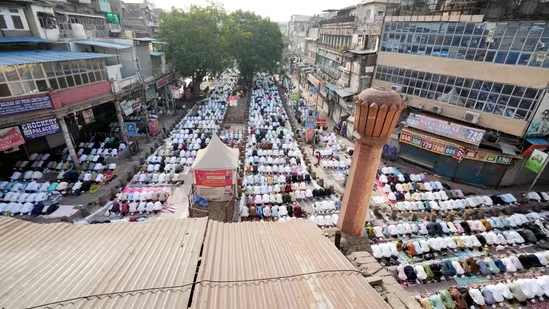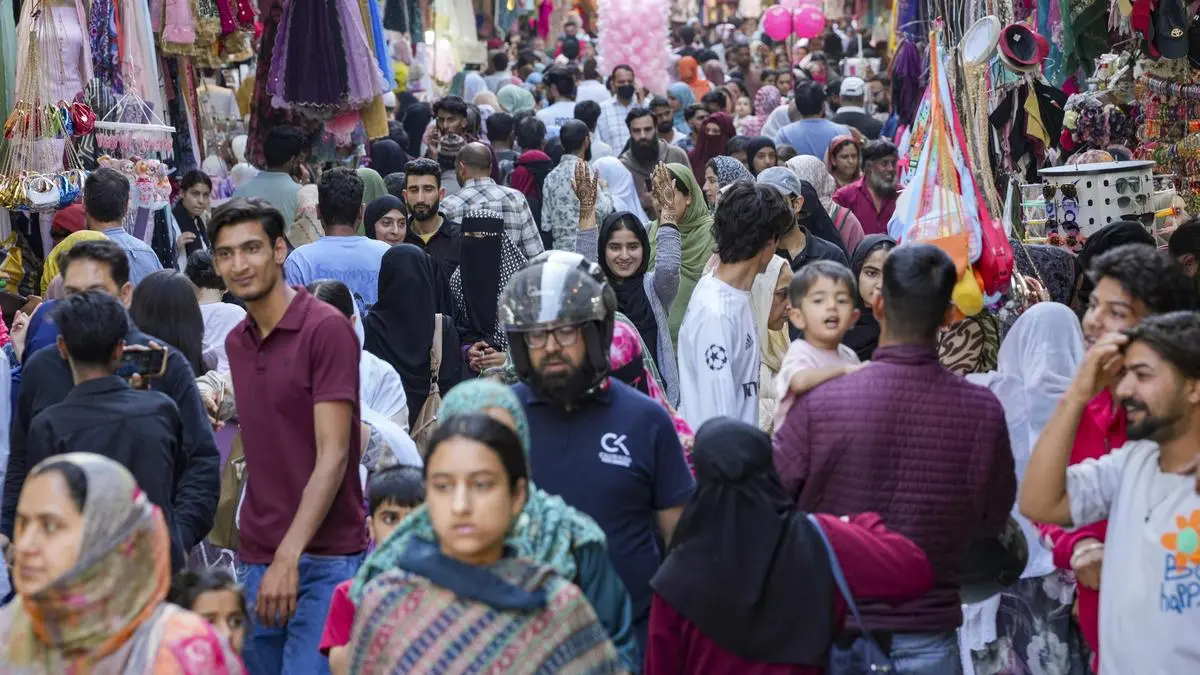
People throng at a market ahead of Bakra Eid (Eid al-Adha) festival, in Srinagar, Jammu and Kashmir
| Photo Credit:
S. Irfan Ahmad
The usual Eid rush is missing in the otherwise bustling bazaars and streets of Srinagar and other parts of the Kashmir Valley, with traders and residents blaming weak demand on rising inflation and uncertainty linked to the West Asia conflict.Eid al-Adha, also known as the Festival of Sacrifice, is observed on the 10th day of Dhul Hijjah, the final month of the Islamic lunar calendar. In Kashmir, the festival will be celebrated on May 28 this year, marking one of the most significant occasions in the Islamic calendar.Shopkeepers across major markets in Srinagar said footfall has been noticeably lower compared to previous years, with many residents delaying purchases of clothing, footwear and other essentials typically associated with Eid preparations. “Business saw a downturn in the weeks leading up to Eid,” said a garment store owner in Srinagar. The business community said the combined impact of rising prices and global uncertainty has significantly eroded purchasing power. “The prevailing uncertainty arising from the situation in West Asia has indirectly affected market sentiment. Regional conflicts often create anxiety and economic uncertainty, making consumers more cautious in spending, particularly on non-essential and festive purchases,” said Qazi Touseef, spokesperson for the Kashmir Economic Alliance, an amalgam of several business houses and trade associations including traders, transporters, and hoteliers. He said inflation had further weakened household budgets, with rising prices of essential commodities forcing families to priorities necessities over festive spending. Market reports indicated that many consumers were restricting purchases amid ongoing financial strain.Impact on animal tradeLivestock dealers said demand for sacrificial animals has also fallen sharply this year, reflecting the broader slowdown in Eid-related trade. “There is around a 50 percent decline in sacrificial animals this Eid,” said Firdous Ahmad Ganie, organiser of the All-Kashmir Mutton Dealers Union, adding that fewer households appeared to be purchasing animals for Qurbani, compared to previous years.Eid al-Adha includes the ritual sacrifice of animals, known as Qurbani. In Kashmir, Muslims primarily sacrifice sheep and goats, which are the most commonly traded livestock during the festival, with families purchasing animals in the days leading up to Eid. Despite the muted market activity, preparations for the religious observance continue across the Valley, with families arranging sacrificial offerings and community gatherings in line with tradition. Eid al-Adha remains a major festival in Kashmir, observed with prayers, charity, and communal sharing.Published on May 26, 2026