May 27, 2026
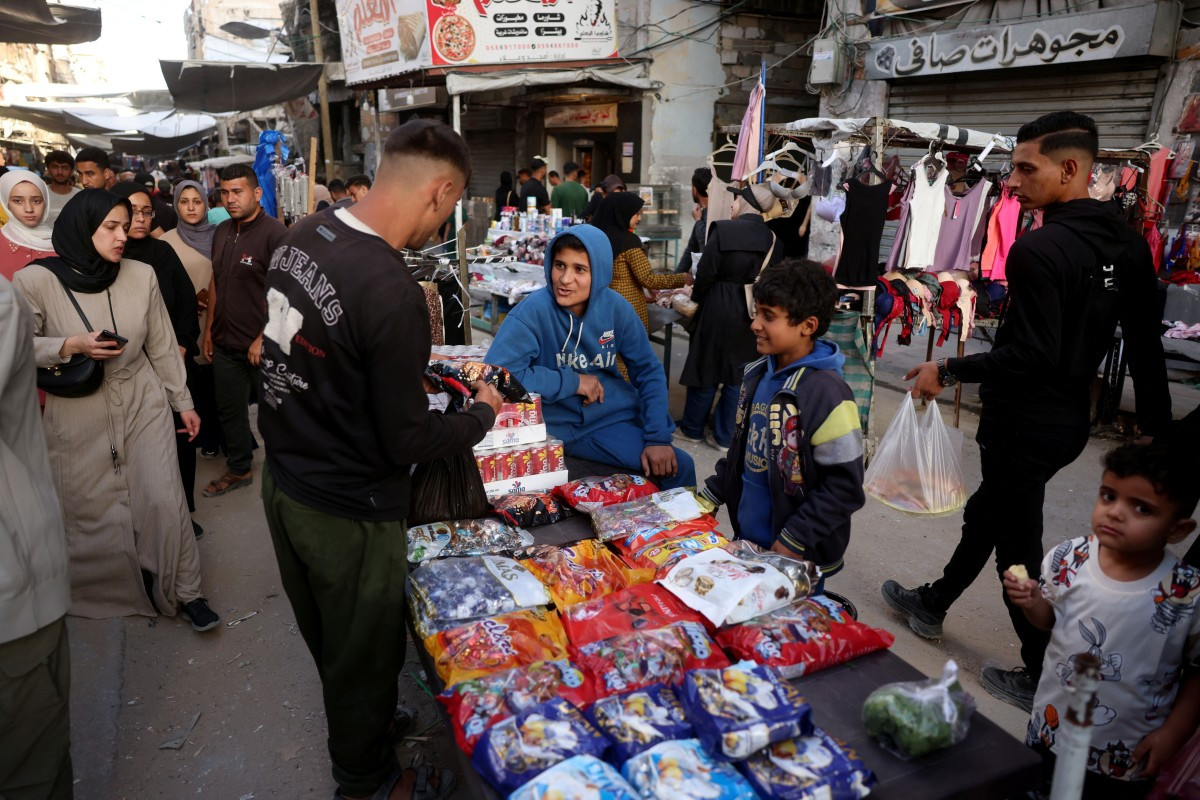
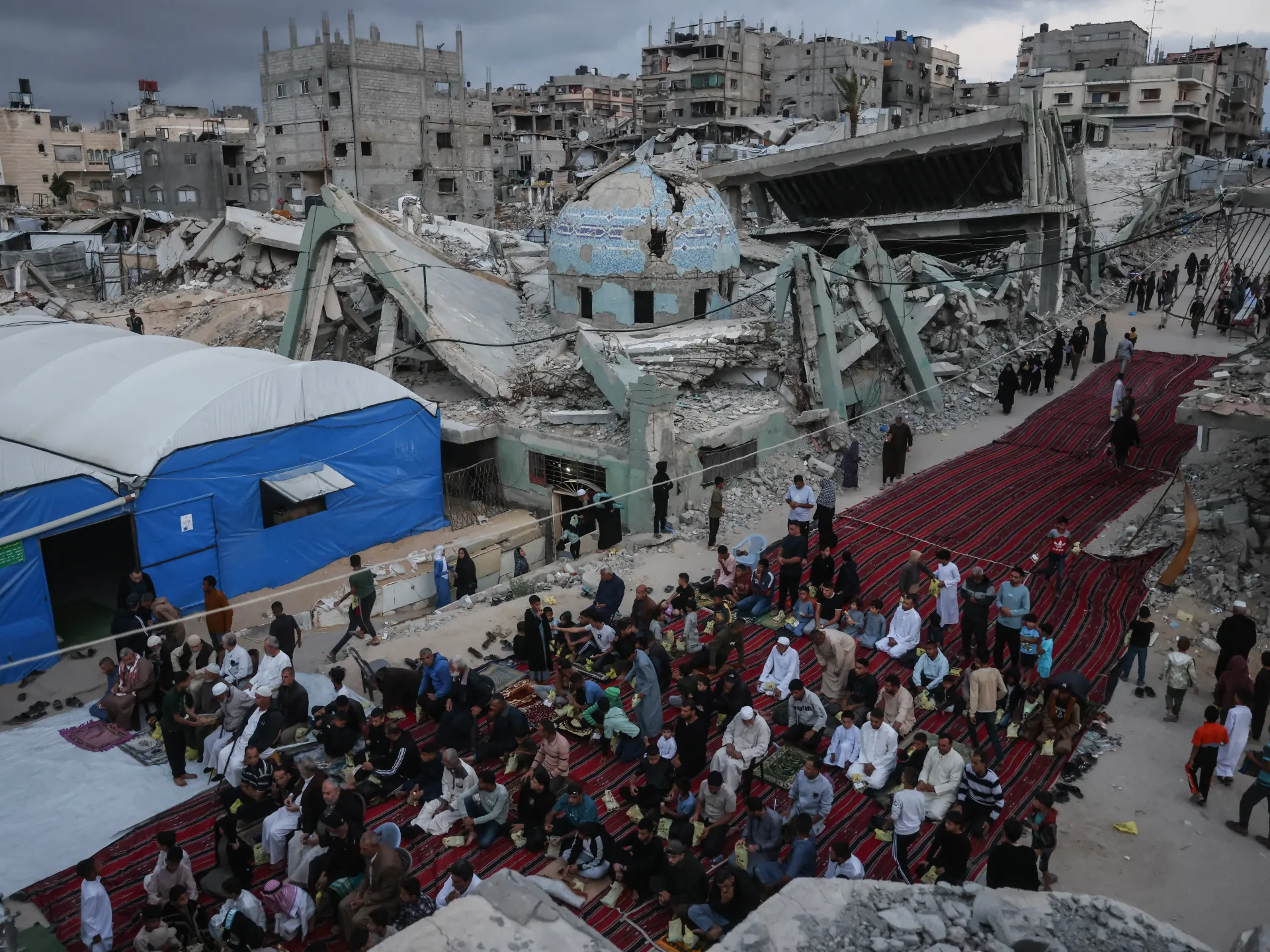
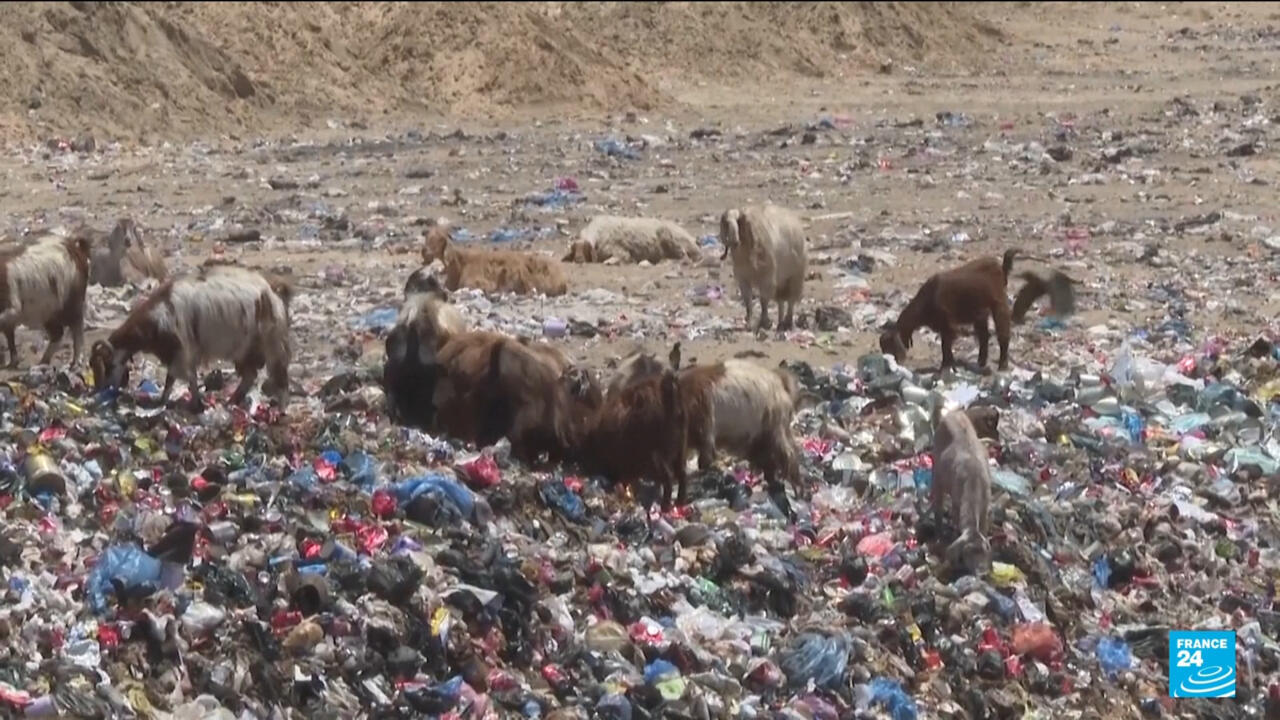
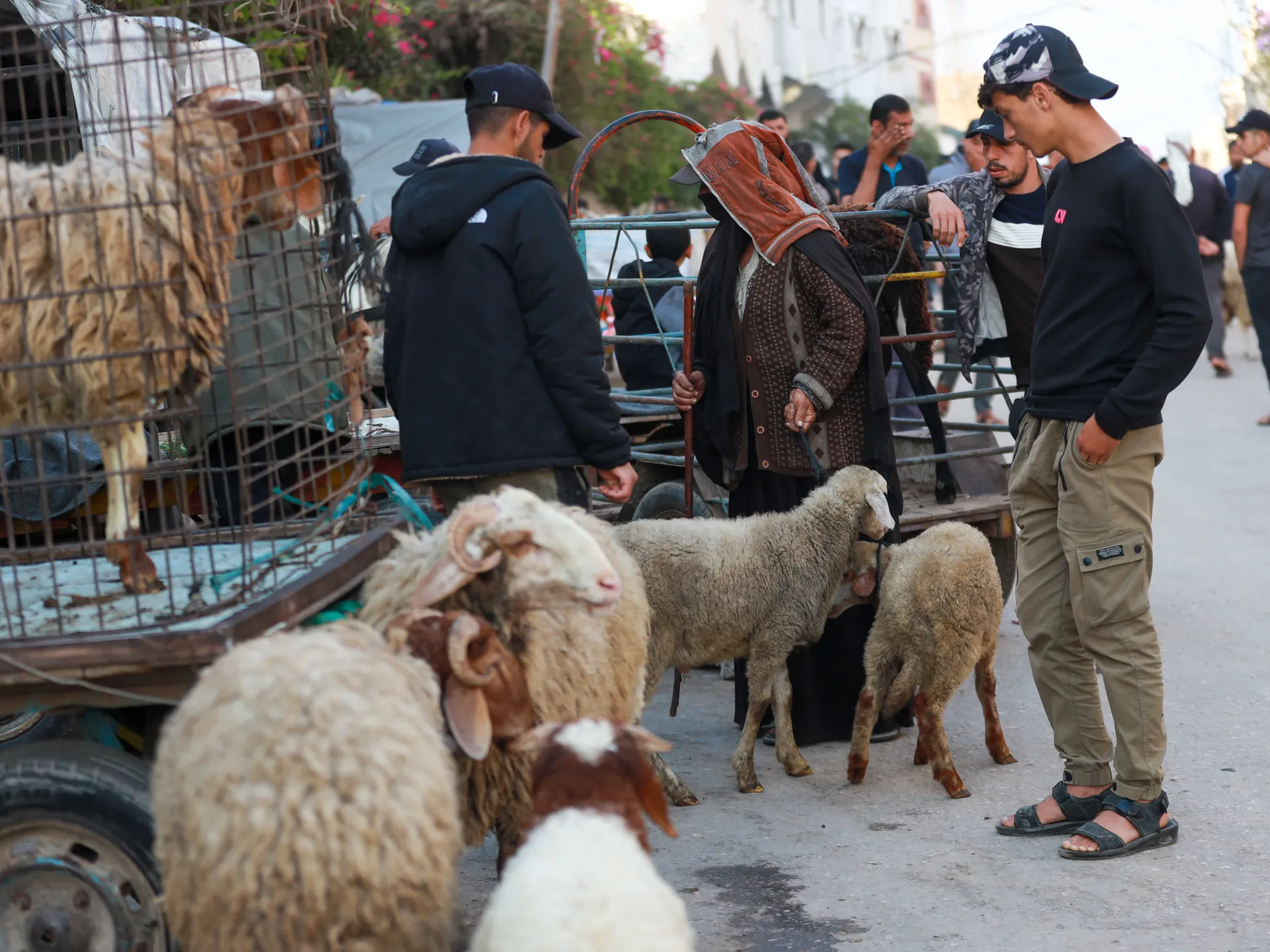
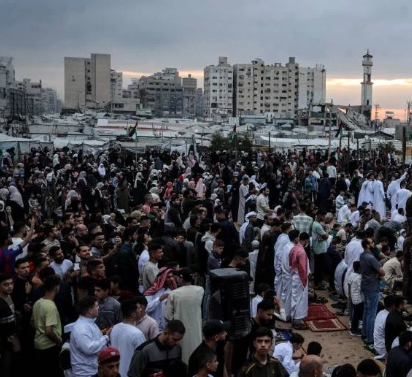
New clothes for children, sacrificial sheep and Eid biscuits, the hallmarks of the Muslim holiday, are all either unaffordable or unavailable in Gaza, casting a shadow over what is usually a time of celebration and joy.
“I go to the market only to look around because I cannot afford to buy anything. Whenever I ask about prices, I return heartbroken,” Nadia Abu Shamala, a Palestinian resident of Gaza, told AFP.
“This year, Eid comes with none of the joy we once knew in Gaza because of the effects of the war, the soaring prices, and our inability to provide even the simplest needs for our children,” said the 40-year-old woman from Gaza’s north, displaced to the central Gaza city of Deir al-Balah for over two years.
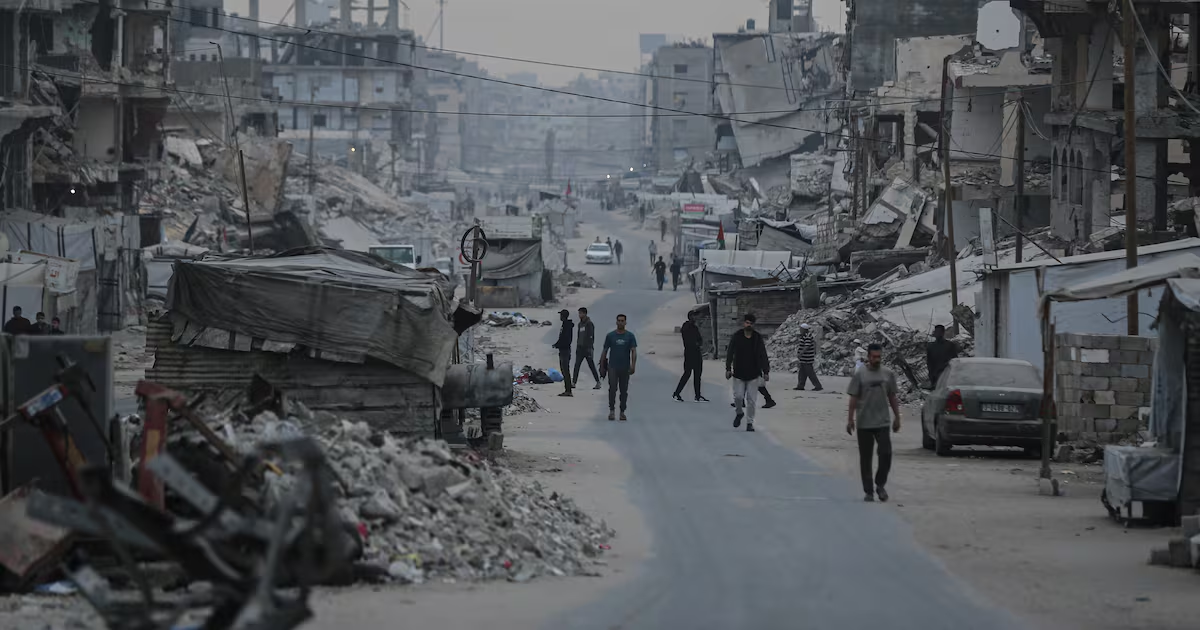
Despite a US-brokered ceasefire that began in October 2025, Israeli air strikes are still common in Gaza, where 80 per cent of buildings were damaged in the war, and most of the population depends on aid for basic needs, according to the United Nations.