Get the latest news and updates from Dawn
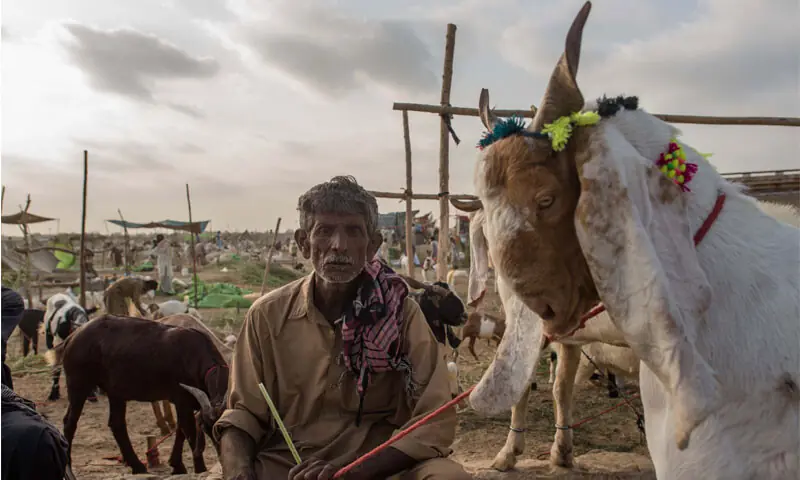
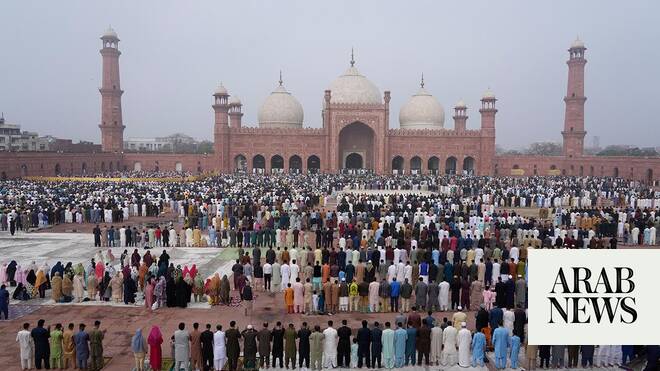
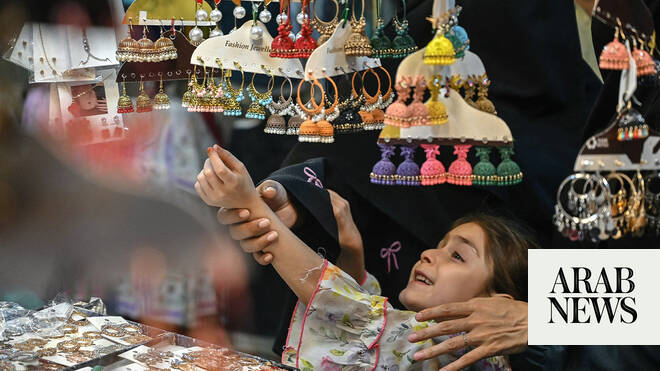
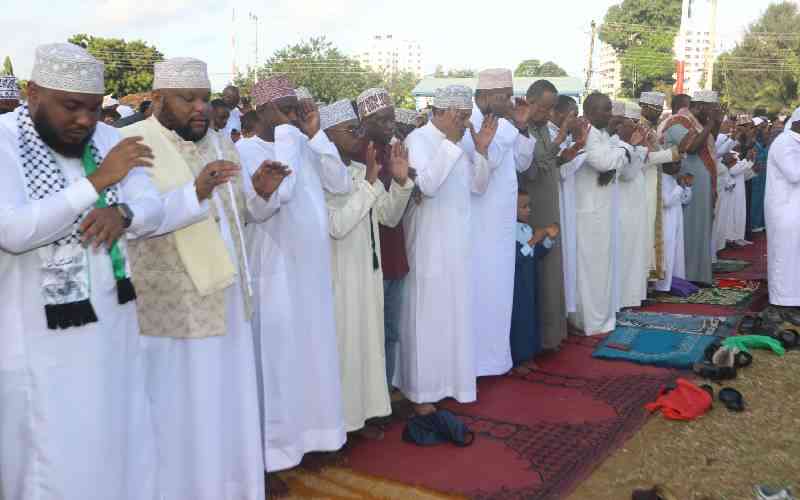
AS Muslims across the world observe Eidul Azha, this year’s festival arrives while war engulfs large parts of the Muslim world.
The US-Israeli military campaign against Iran, launched earlier this year and continuing despite ceasefire negotiations, has deepened fears of a wider regional conflagration. Even as Pakistan, Qatar and Oman work frantically to broker a settlement, tensions remain high.
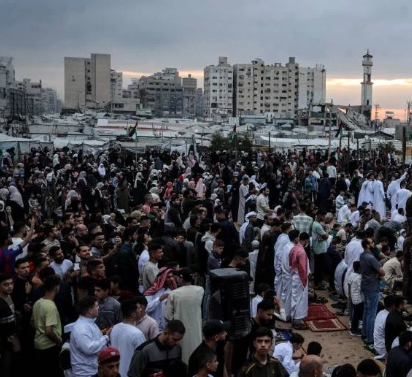
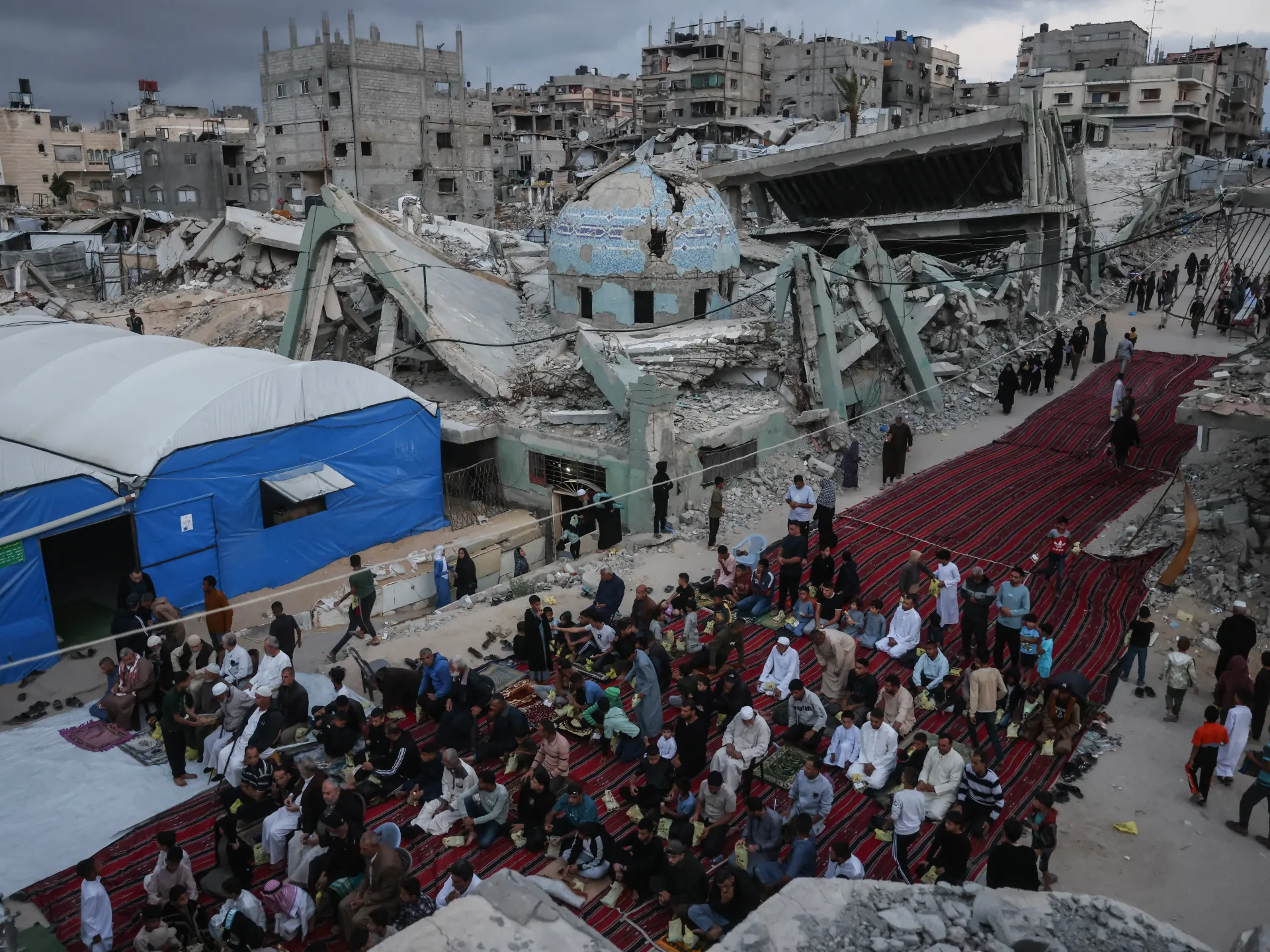
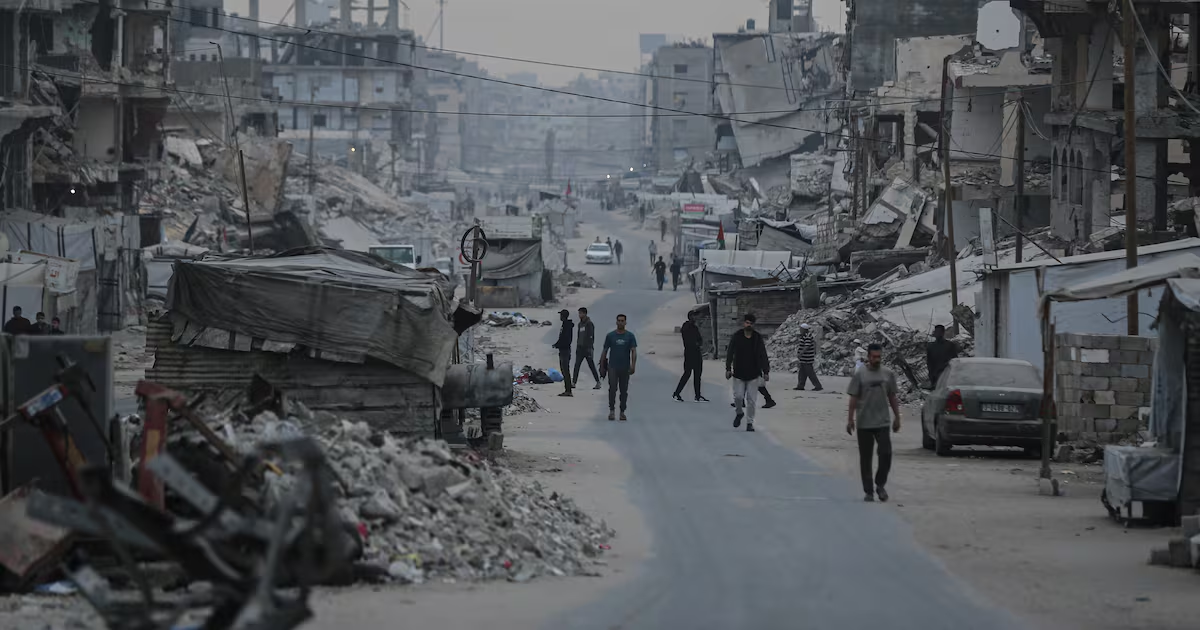
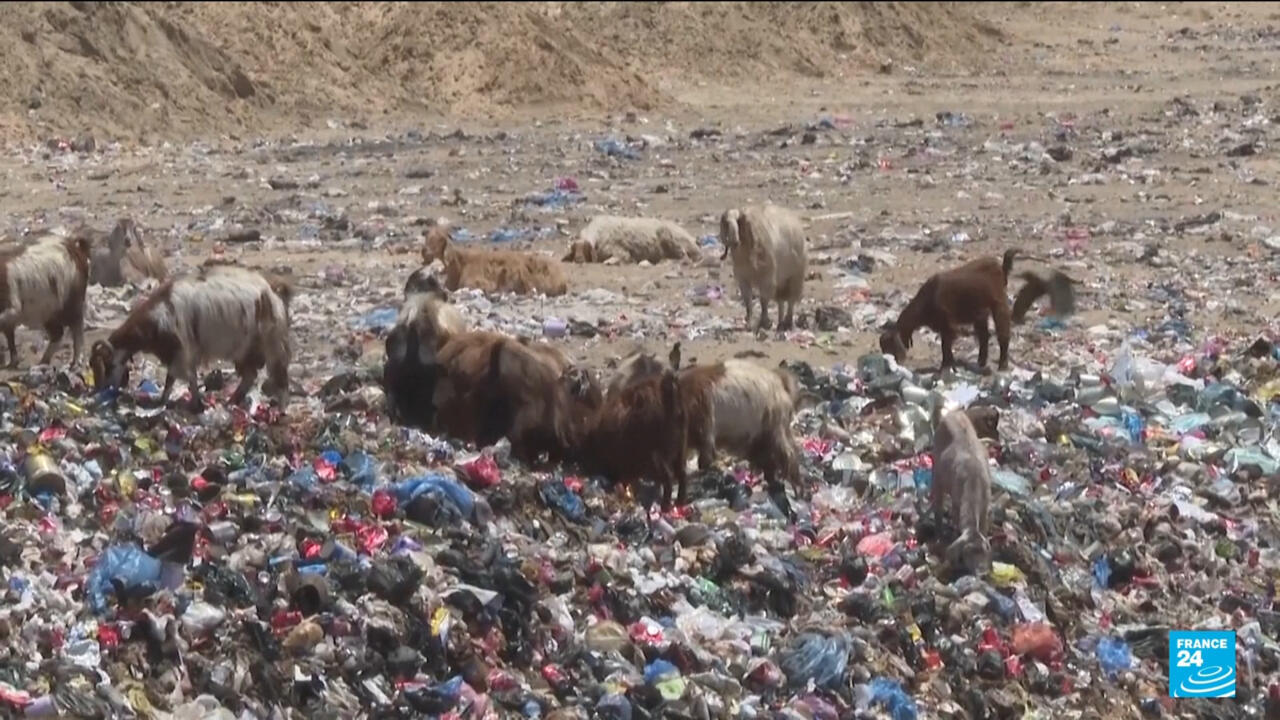
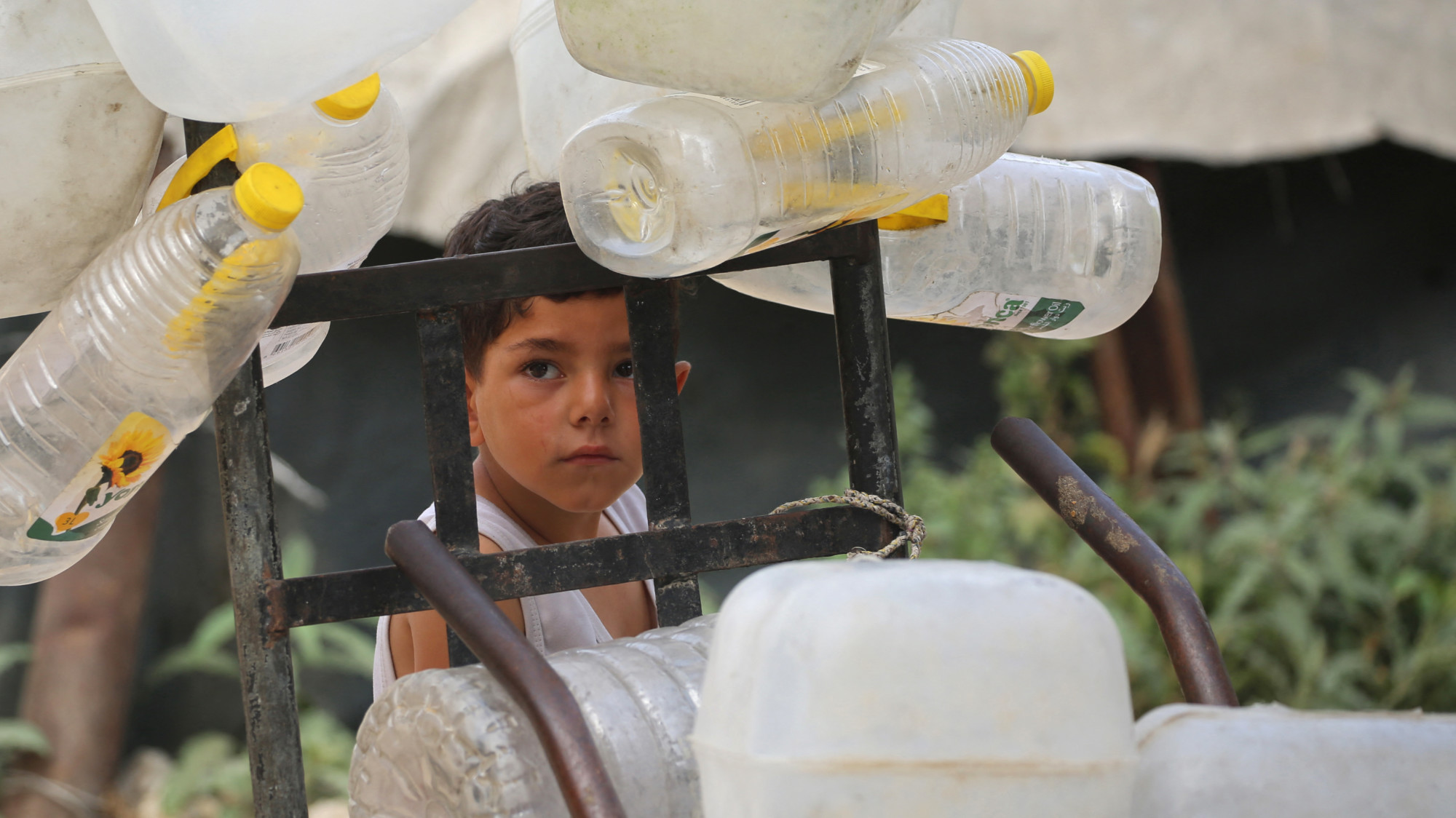
Meanwhile, the devastation in Gaza continues. Families that once gathered for Eid meals now search for food and shelter amid shattered neighbourhoods and mounting civilian deaths. In Sudan, millions displaced by civil war face another Eid in overcrowded camps dependent on dwindling humanitarian aid. Across parts of Lebanon and Yemen, conflict and economic collapse have robbed countless families of the peace and togetherness the festival aims to bring. For many Muslims this year, Eid will pass not in celebration, but in grief, fear and hardship. Yet perhaps this is precisely when Eid’s deeper meaning matters most. Eidul Azha commemorates sacrifice not merely as ritual, but as an expression of faith and compassion for others. It reminds Muslims that devotion cannot be separated from empathy for those enduring hardship. In times such as these, the obligation to help those less fortunate becomes even more urgent. Donations to relief efforts, support for struggling families and acts of kindness within communities reflect the essence of the occasion far more meaningfully than displays of extravagance.