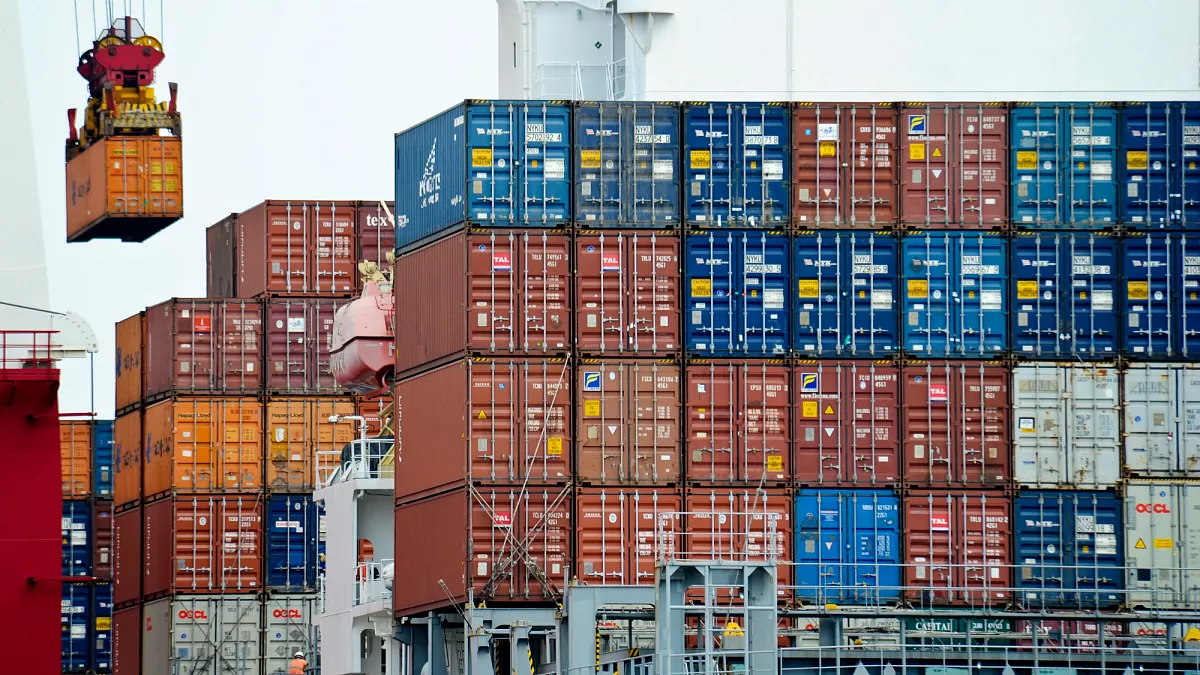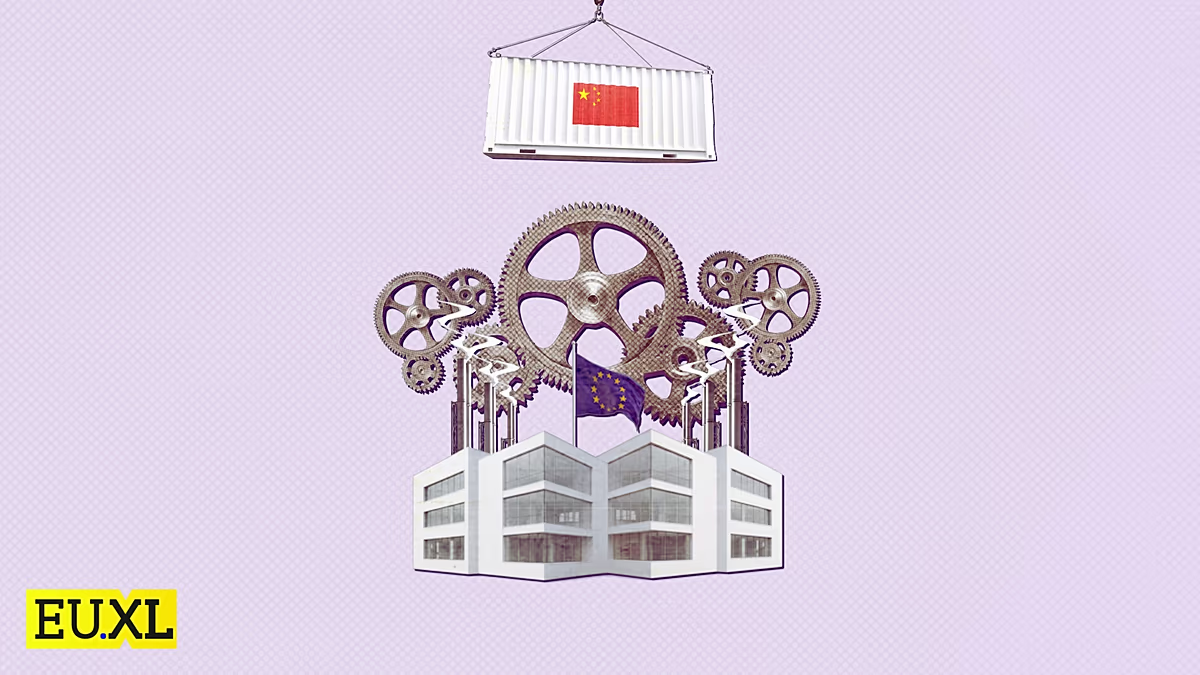
Europe's reliance on Chinese goods has grown so structurally embedded in certain sectors that credible alternatives have all but disappeared.
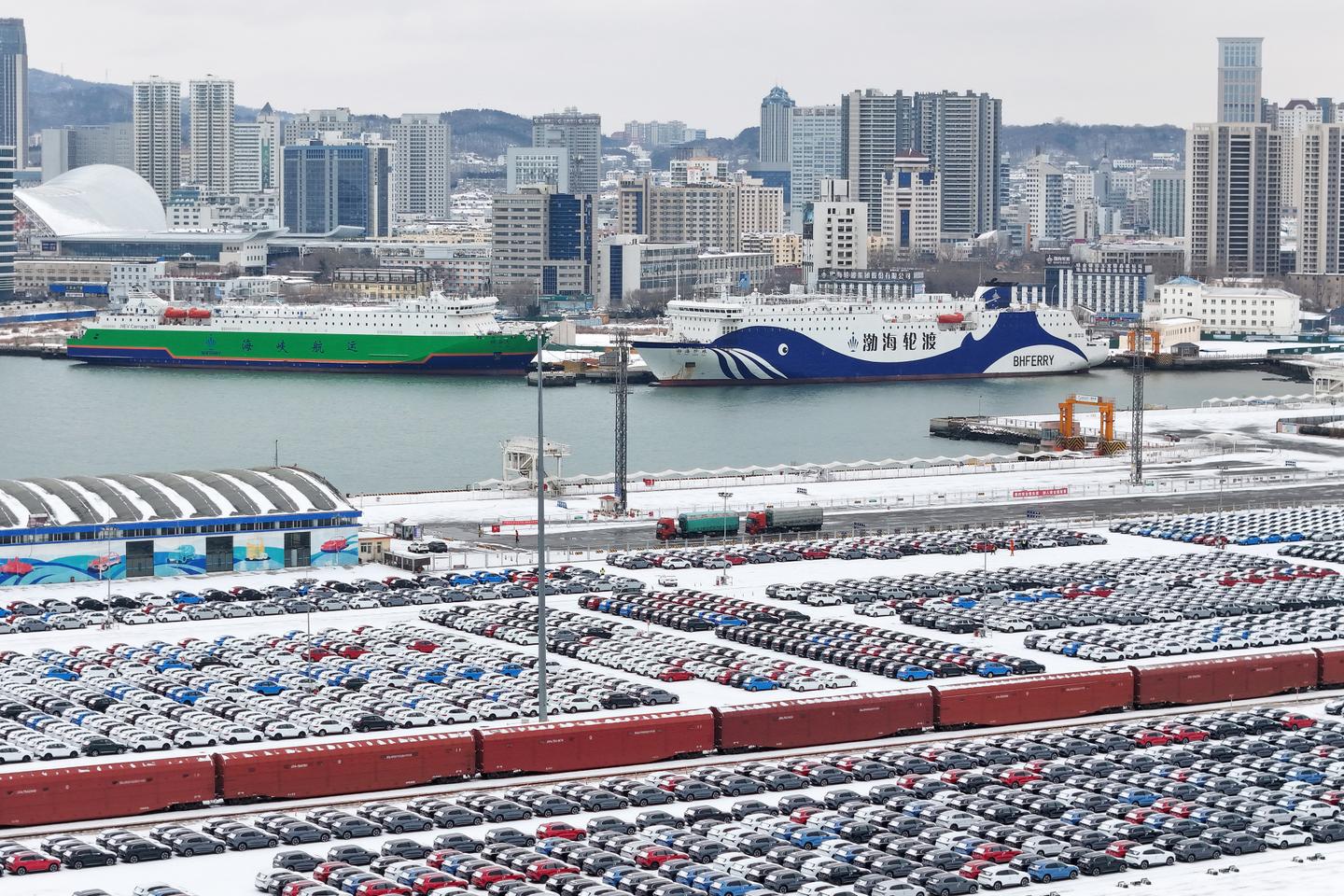
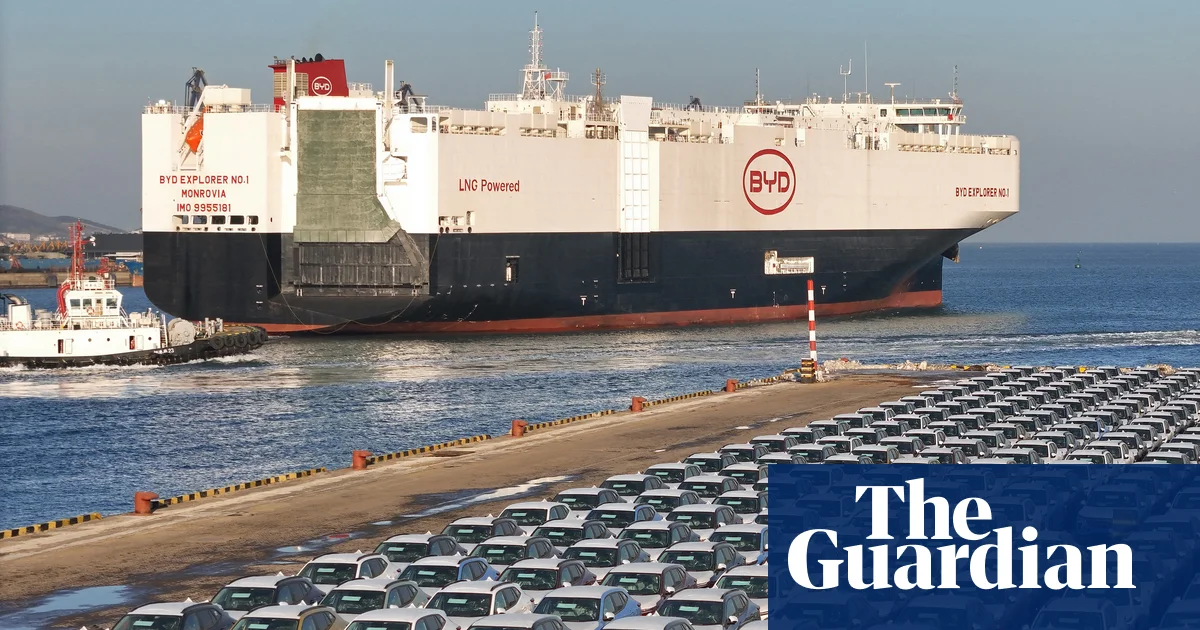
The pressure intensified in 2025, when Washington imposed sweeping tariffs on Chinese goods, prompting fears that Beijing would redirect surplus production into European markets at slashed prices.
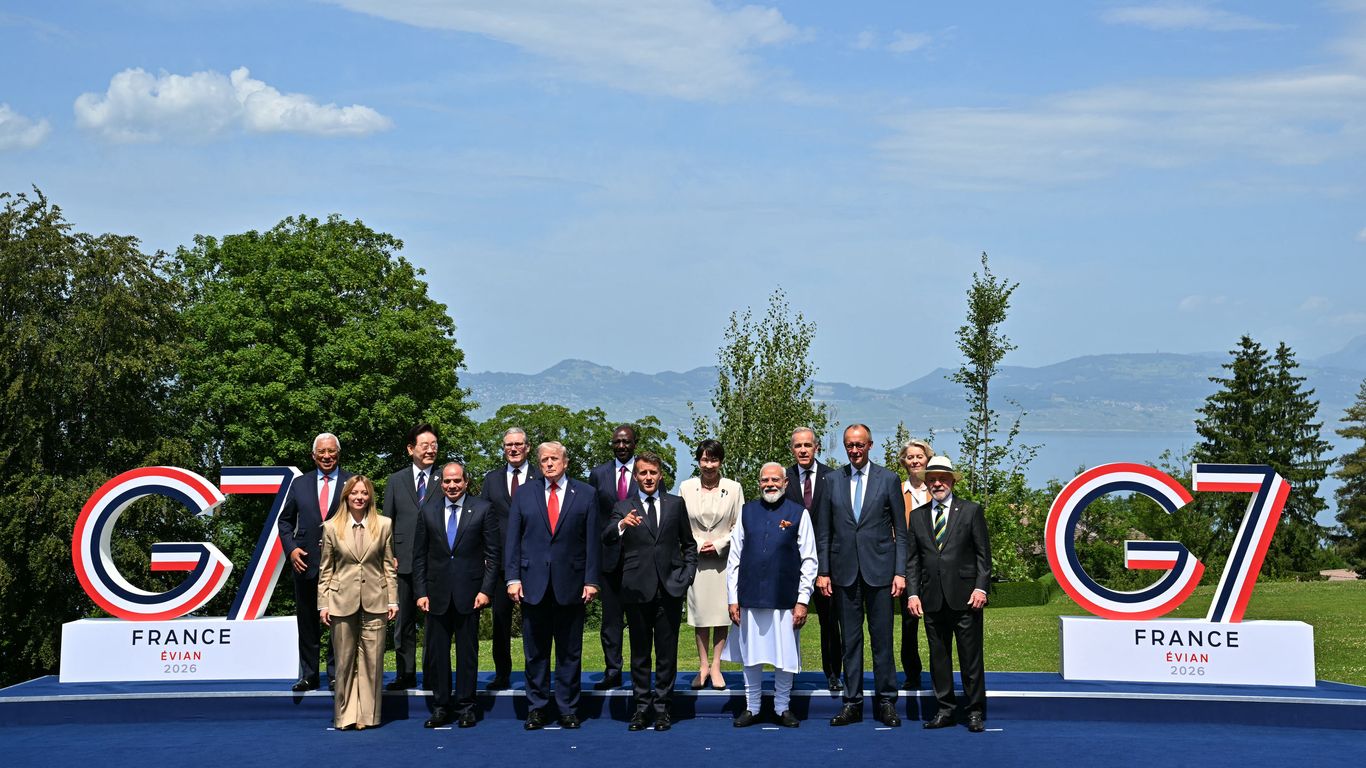
Commission President Ursula von der Leyen described it as "a new China shock" at the G7 summit in Canada last year, warning that Beijing was flooding global markets with subsidised overcapacity that its own consumers could not absorb.
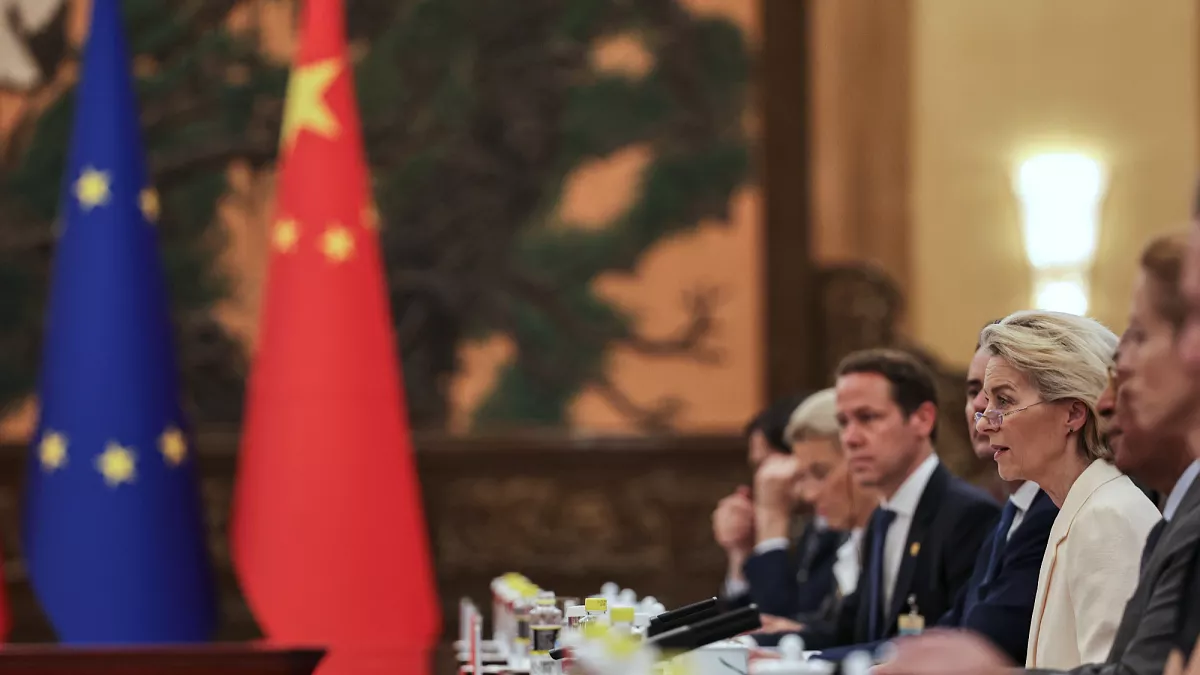
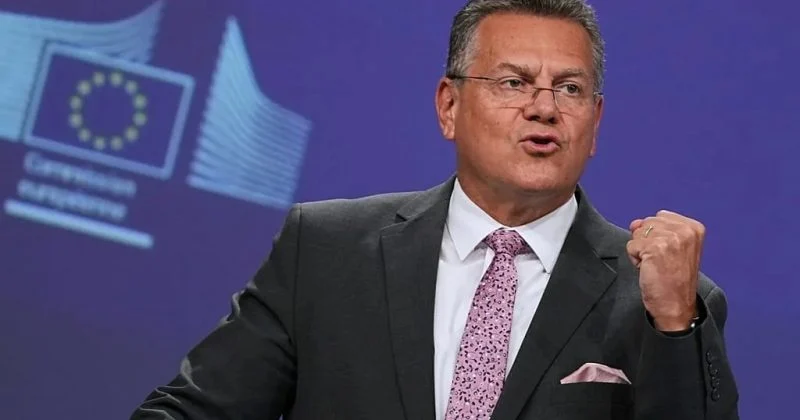
Last week, EU Industry Commissioner Stéphane Séjourné also called for EU businesses to diversify their suppliers as trade tensions with China are ramping up with Beijing making repeated threats towards the EU while Brussels seeks to strengthen legislation to protect its markets from Chinese dependence.
According to Eurostat, EU imports from China totalled €559.4 billion in 2025, a figure that has grown 89% since 2015, generating a trade deficit of €359.8 billion. In 2025 alone, EU exports to China fell by 6.5% while imports rose by 6.4%.