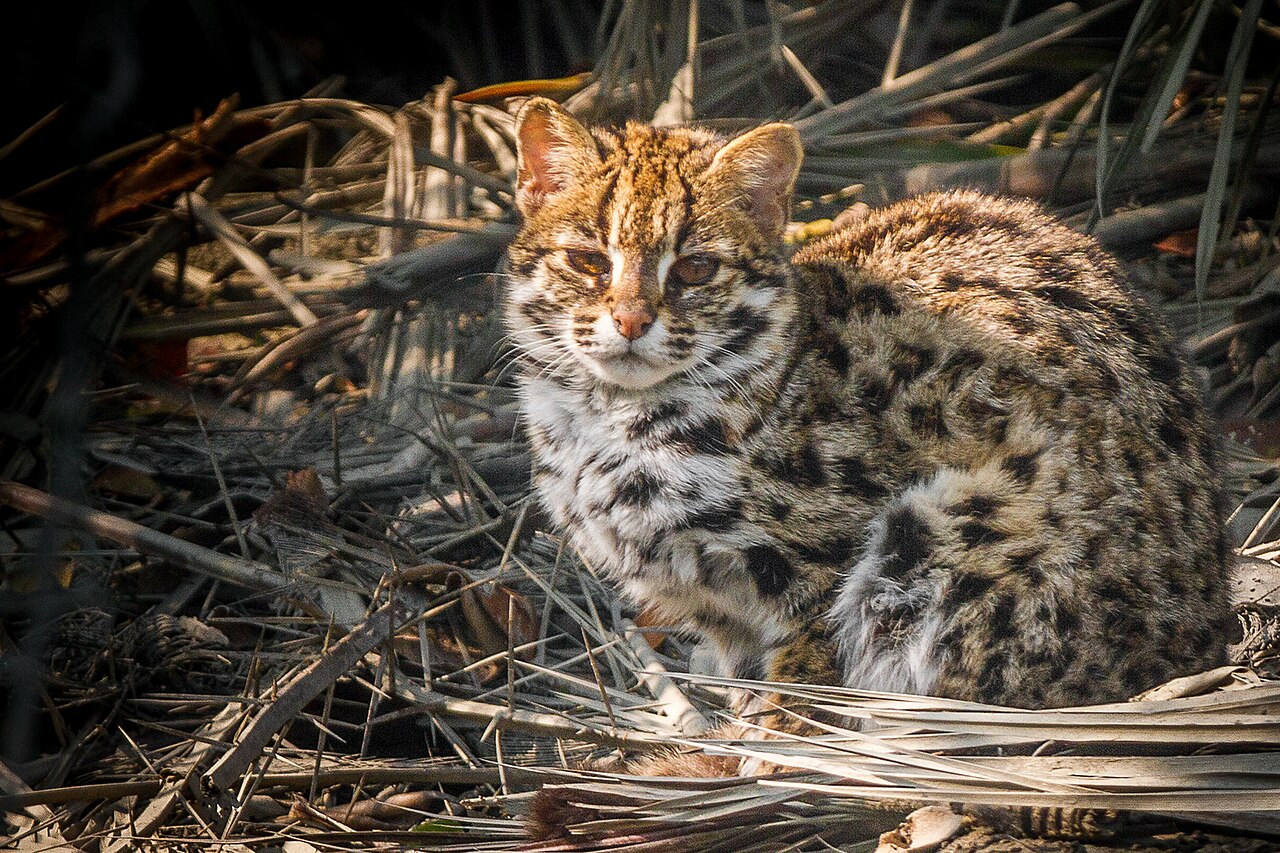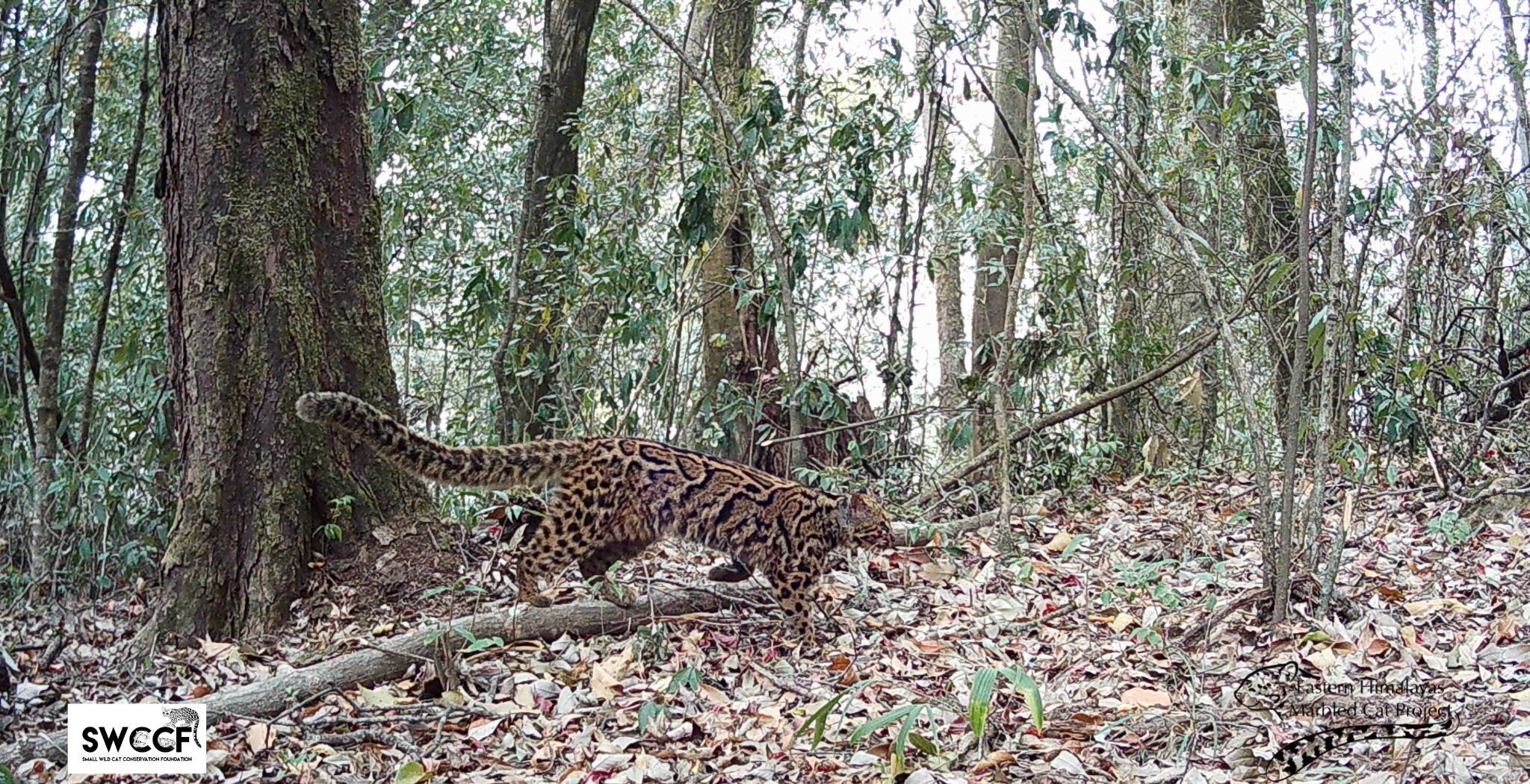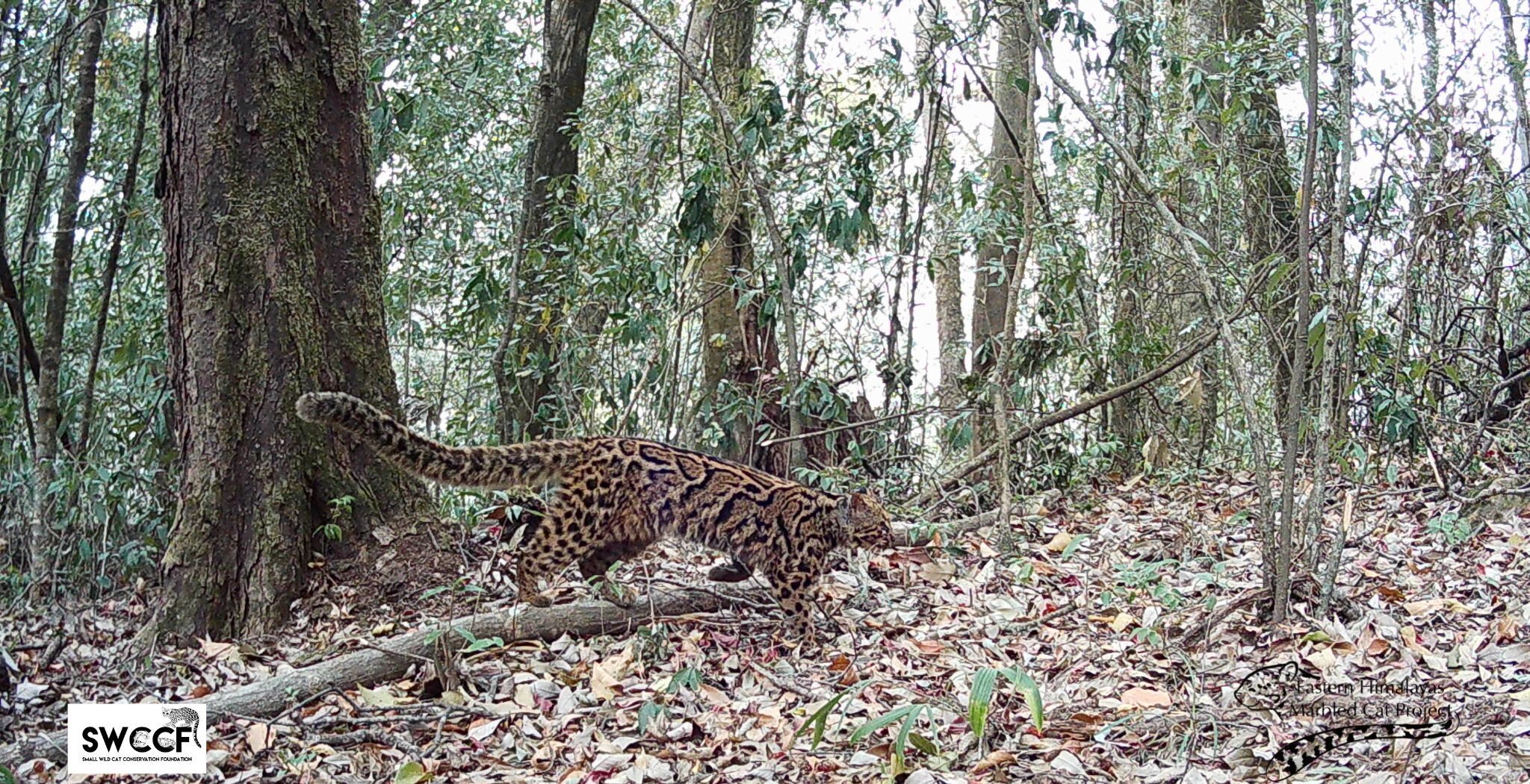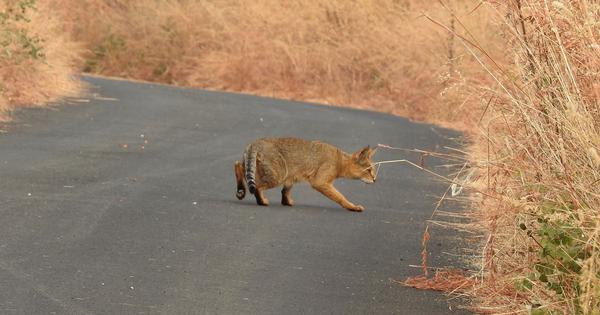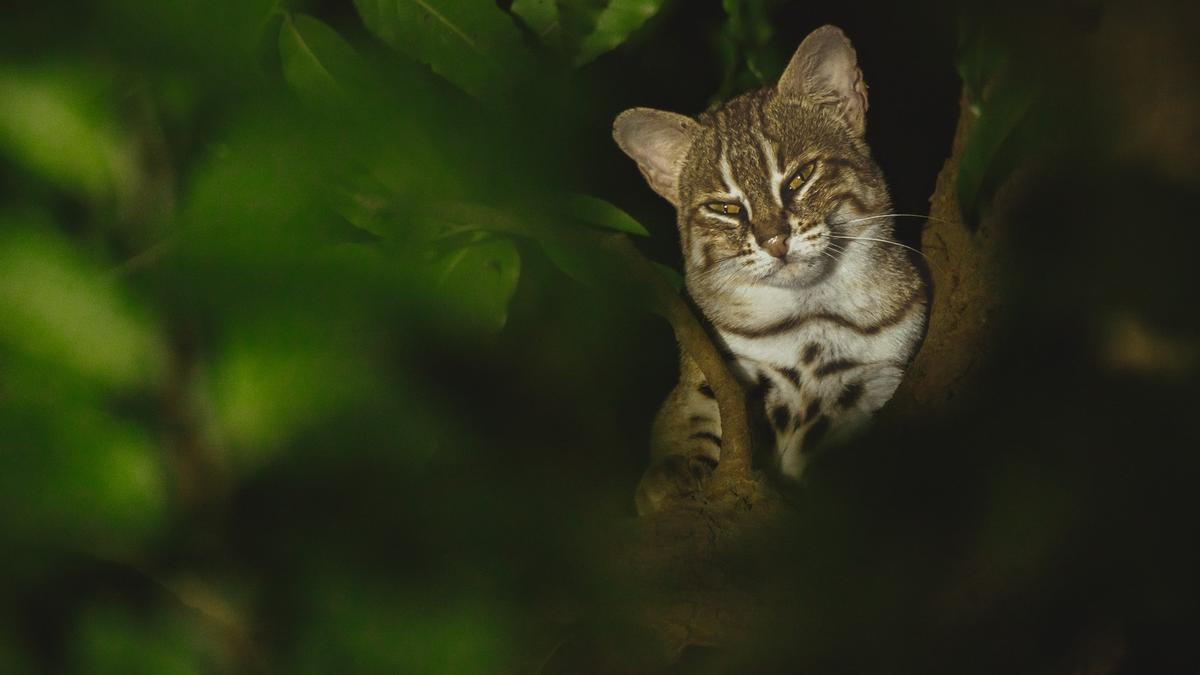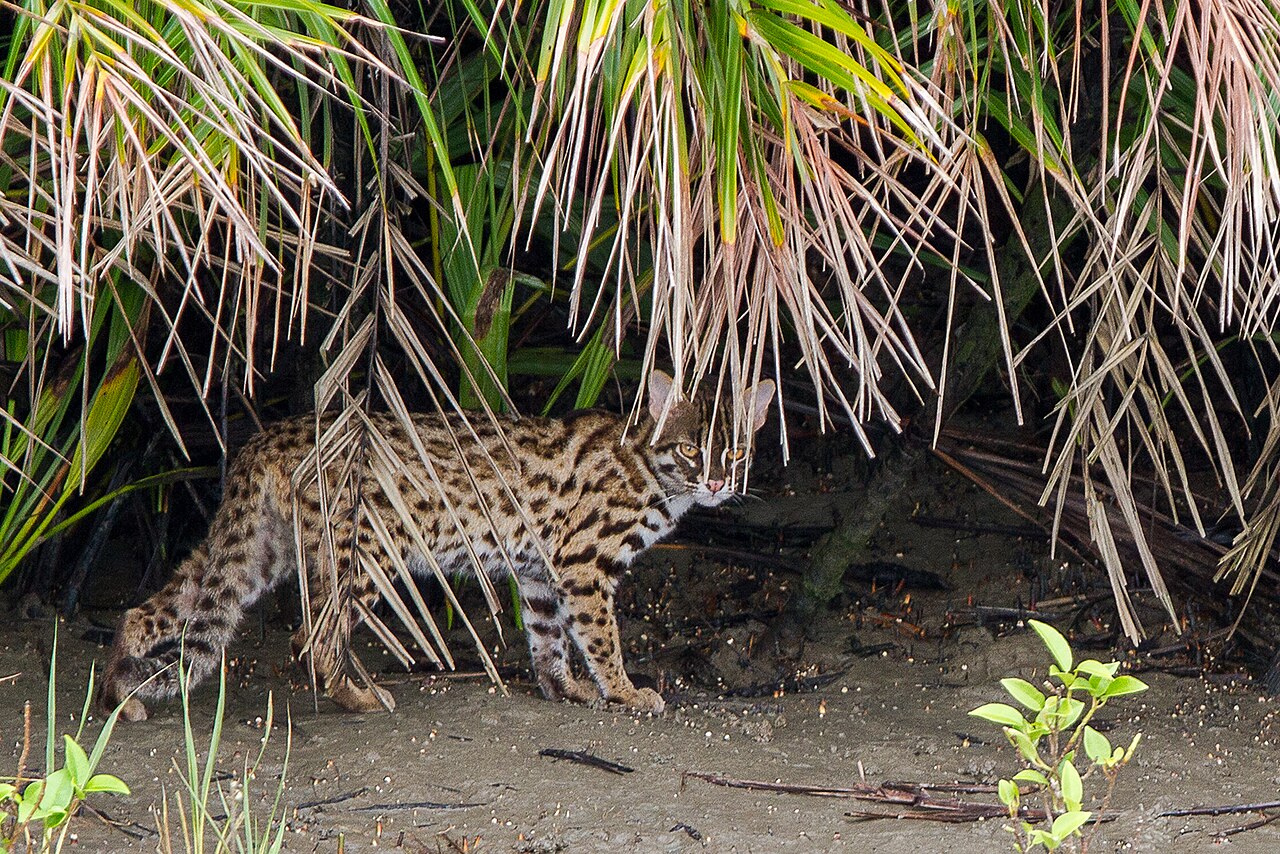
Widespread, adaptable, and classified globally as a species of “least concern” on the IUCN Red List, the mainland leopard cat can be found across much of Asia. However, research on the species remains relatively limited.Despite its global status, local populations face serious threats — including habitat loss, hunting, vehicle collisions, and genetic isolation — and in some cases are considered locally critically endangered. Global assessments can mask these regional declines due to how conservation status is assessed.Researchers highlight knowledge gaps caused by underfunding, language and geopolitical barriers, along with unshared data. They stress that more focused studies, genetic research, and conservation initiatives that involve local communities are essential to protecting this ecologically important species.
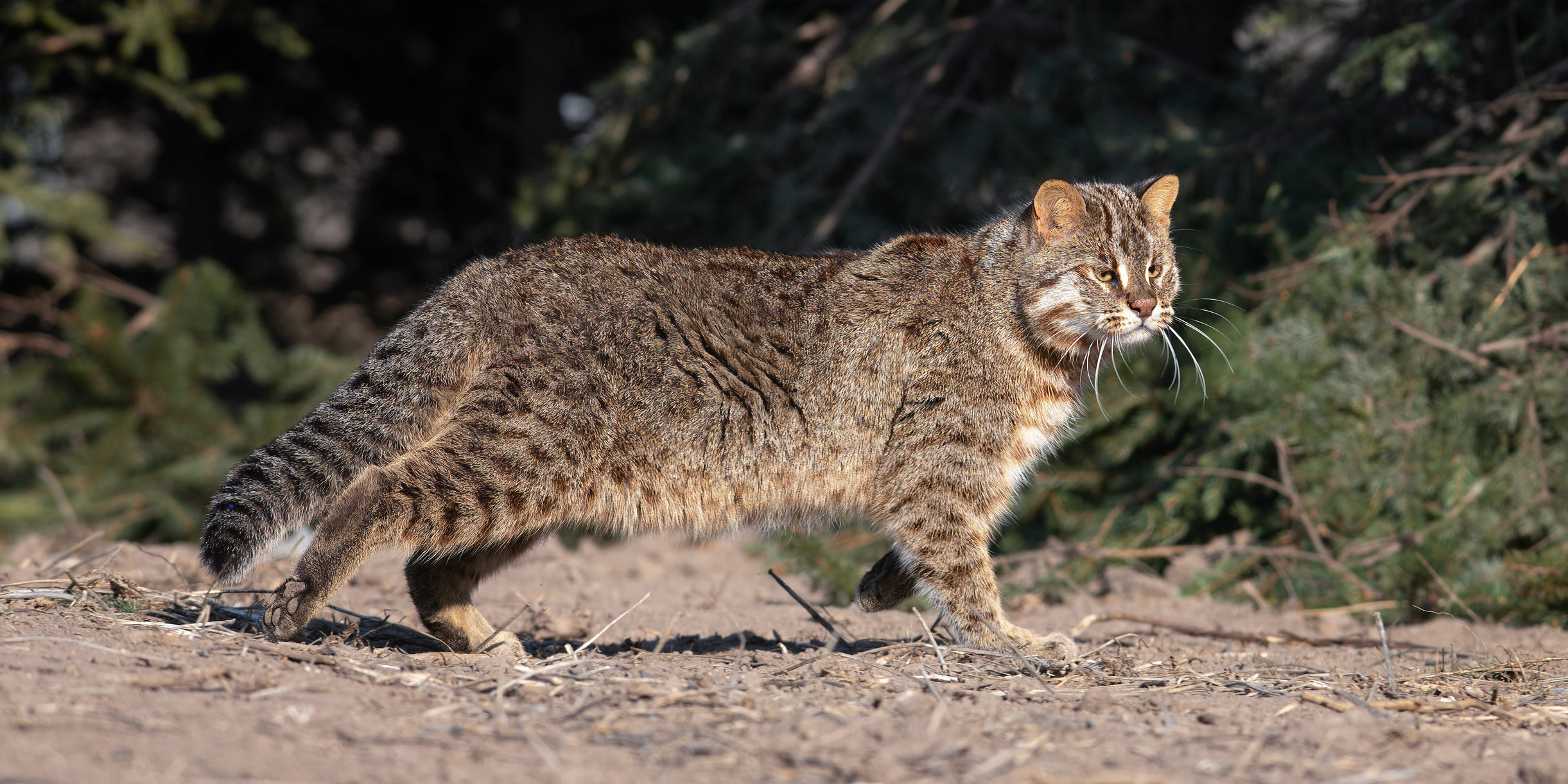
There’s good news about Asia’s mainland leopard cat: Prionailurus bengalensis is thought to be one of the world’s most abundant, widely distributed wildcats. With a conservation assessment of “least concern” on the IUCN Red List, sightings are reported from India to the Russian Far East.
That’s partly because mainland leopard cats are highly successful generalists. With two recognized subspecies — P. b. bengalensis and P. b. euptilurus — this small cat is adaptable to multiple habitats, ranging from forest to shrublands to grasslands, and including areas altered by humans.