By Lindsay Stark and Ilana SeffMay 26, 2026
Stark is a professor of public health at Washington University in St. Louis. She co-directs the Center on Violence and Health. Seff is a research associate professor of public health at Washington University in St. Louis.
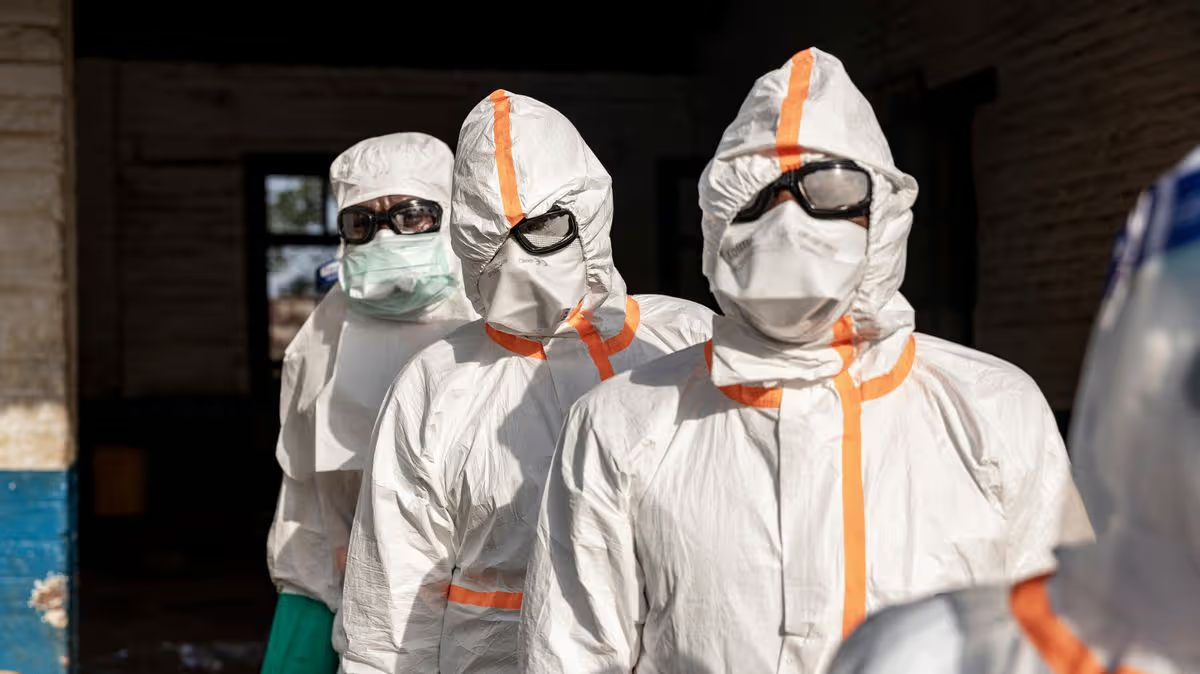
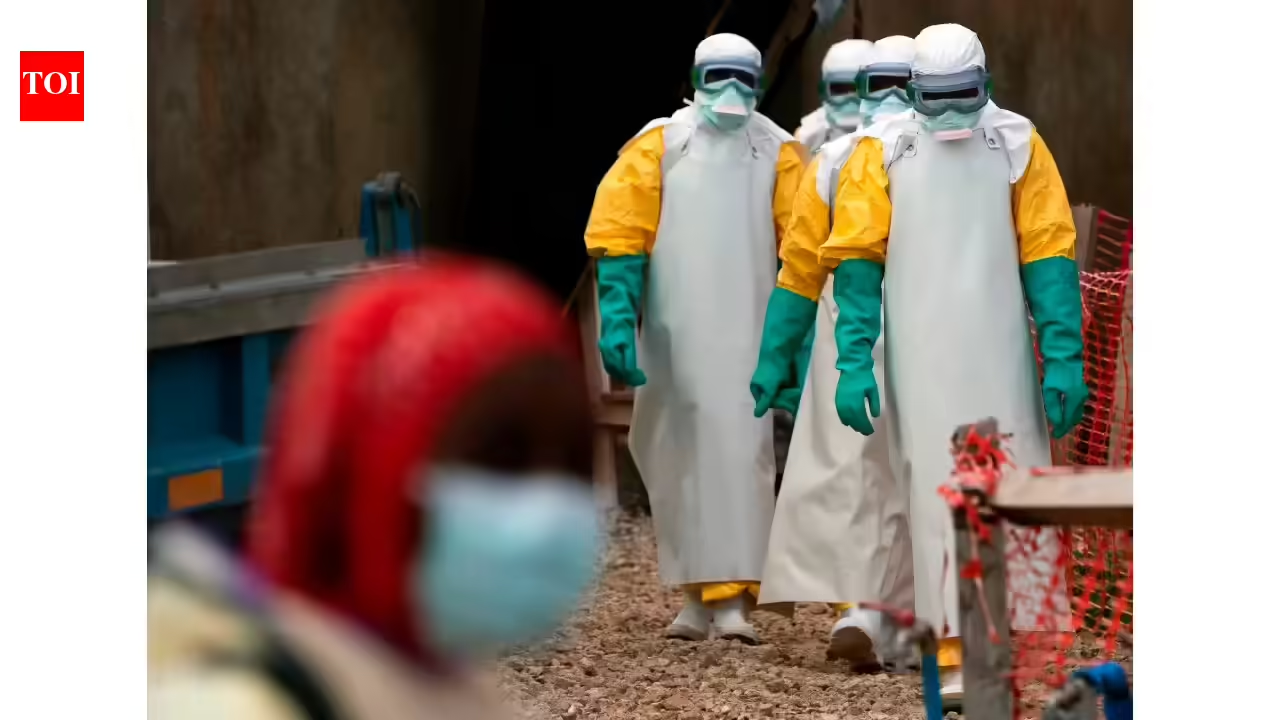
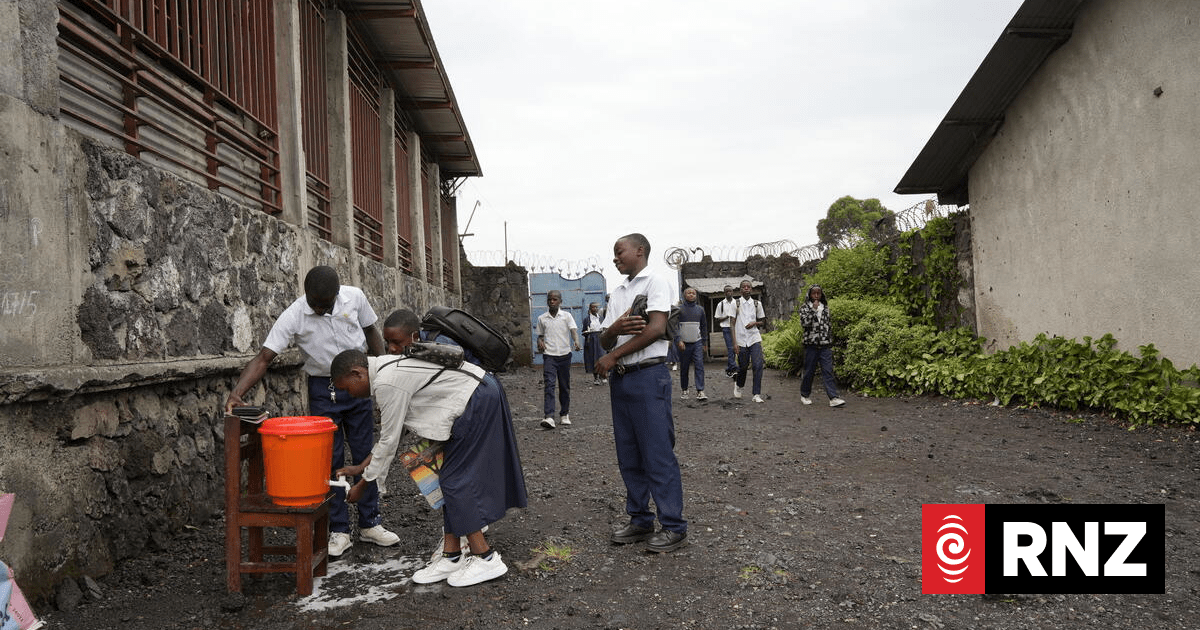
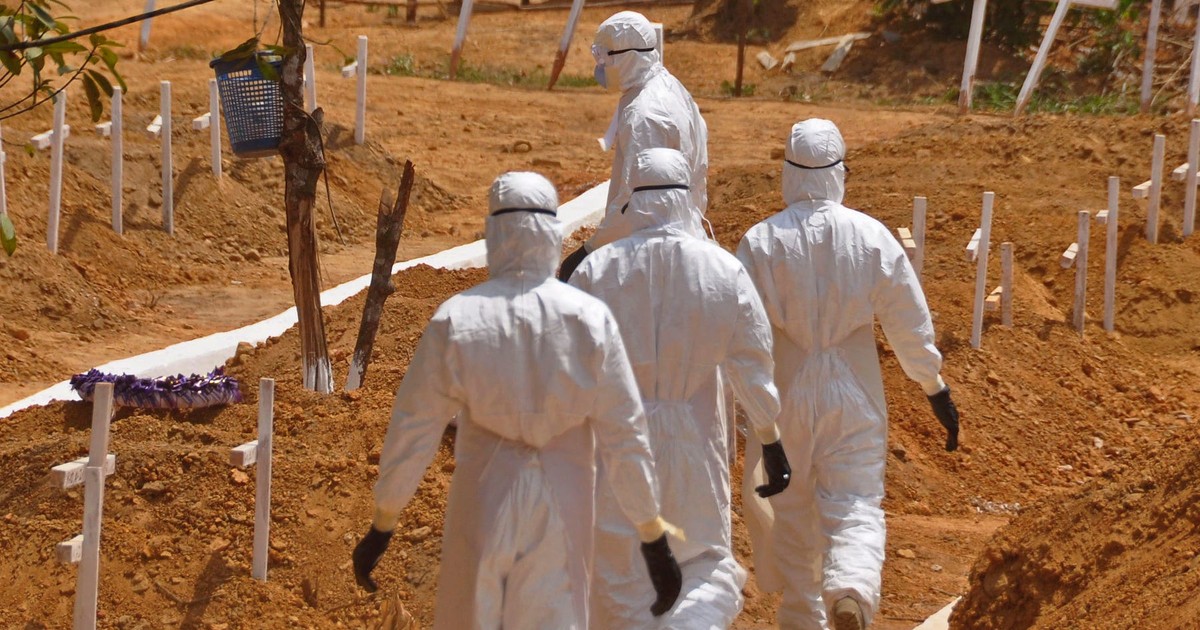
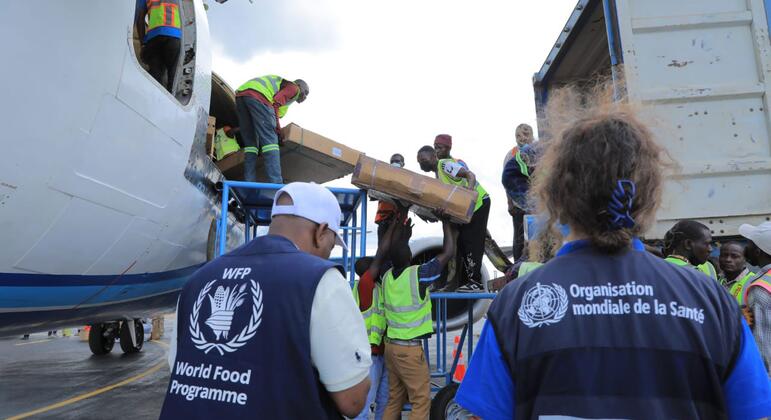
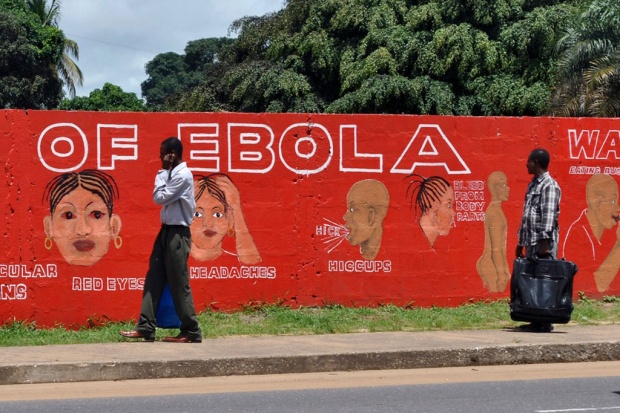
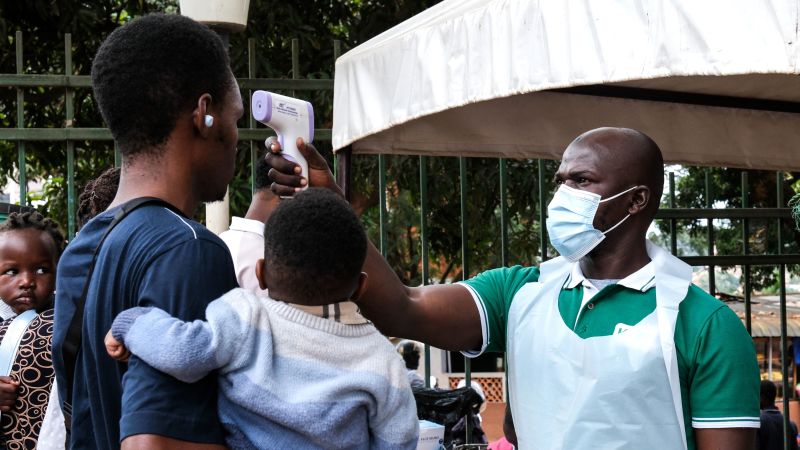
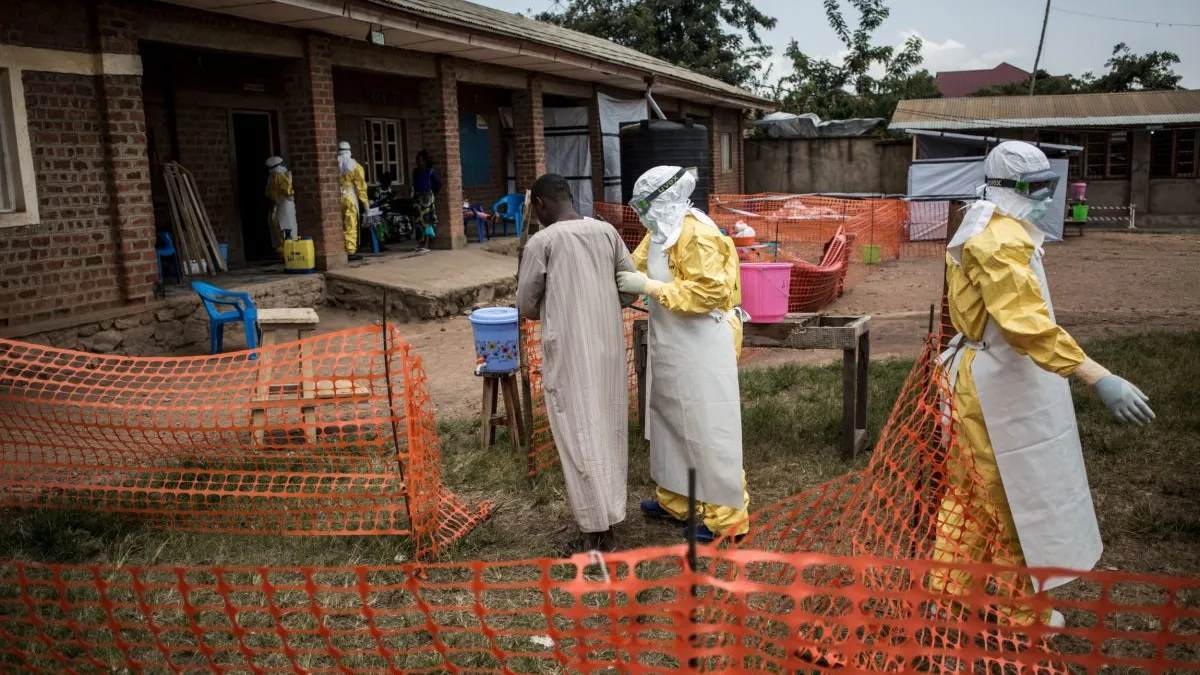
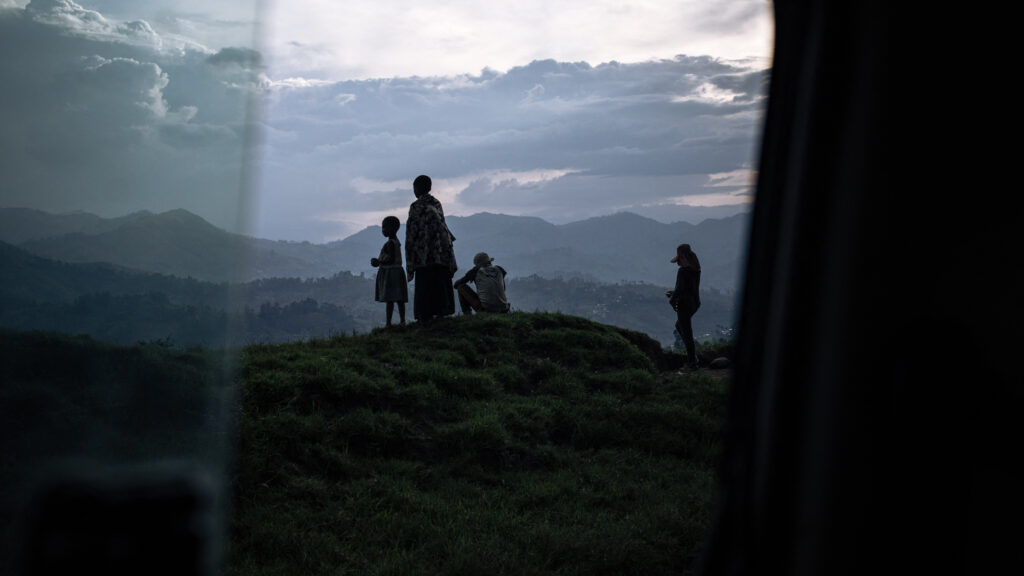
The World Health Organization has declared a new public health emergency. Bundibugyo, an Ebola strain for which we have no vaccine and no treatment, is now spreading across the eastern Democratic Republic of Congo. So far, there have been more than 900 suspected cases and about 220 suspected deaths, according to the World Health Organization. Centered in a region with active conflict and fragile health systems, the outbreak has already crossed the borders into Uganda.
Public health advocates will spend the next several months talking about transmission, case fatality, contact tracing, and vaccine development. But one critical topic will go largely undiscussed: what this outbreak will do to women and girls.
We recently co-authored a systematic review that synthesizes 112 studies on violence against women and girls during infectious disease outbreaks. The findings are all too clear.