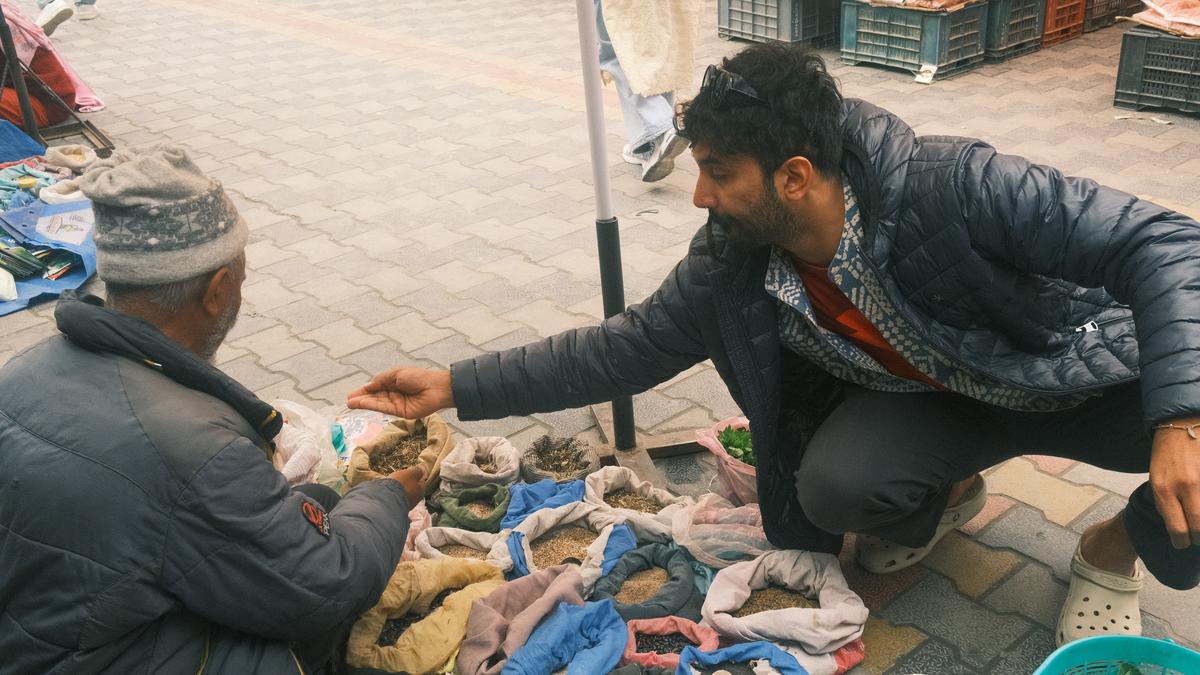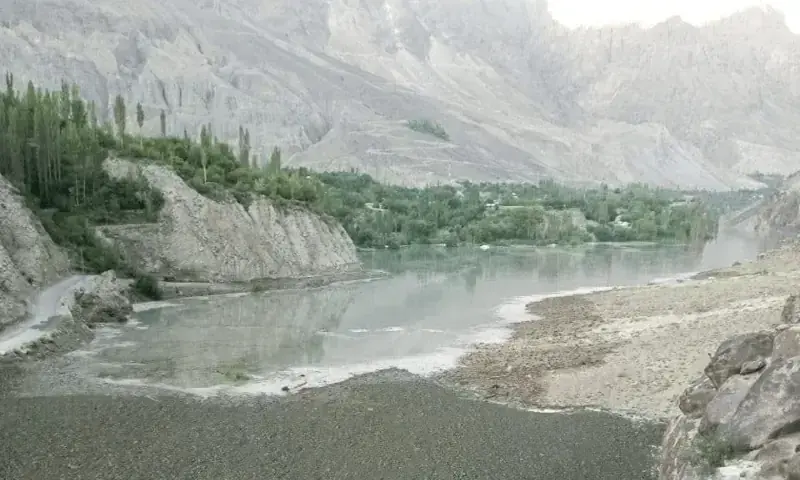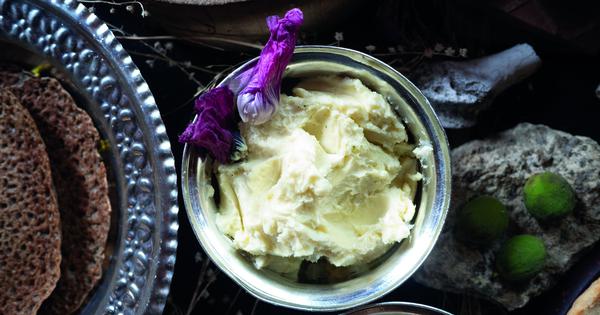
Nestled amidst the rugged terrain of the Suru valley in Kargil, the village of Styankyung carries an air of quiet mystique. Sankoo stands out for its abundant greenery – majestic trees of oak, poplar and myricaria frame the landscape. The meandering Suru river – Kartse Lungma, as the locals called it – runs through the valley like a silver-green thread, mirroring the serenity that defines the place. Glimpses of Nun-Kun, Ladakh’s highest peaks, bless the valley with their deep orange marmalade-like hue as the sun sets. Vast stretches of boulder fields lay not far from the village – natural sculptures scattered across the high-altitude plains, now slowly gaining attention from boulderers and climbers who see them as a hidden paradise for rock climbing.Among the many families that have lived there for generations, one was that of Muhammad Ibrahim, a well-rooted figure in the village. His is a lineage of farming, closely tied to the rhythms of the land and seasons.On a relatively warm morning, inside the heart of their home – the kitchen, where most Kargili families gather and meals are shared – Ibrahim’s wife Nargis lays out a full spread. She has spent the entire morning preparing what could only be called a feast. It is her quiet act of love and pride, a tribute to her memories. The food is served in polished brass vessels reserved for guests. With a wide smile and an unmistakable sparkle in her eye, she leans in to talk about each dish. When she pointed to marzan, her tone shifts. “This was my favourite as a child,” she says, her voice softening. “We only got to eat it on special days – harvest festivals, weddings, Eid. I used to count the days between each occasion. It reminded me that something worth waiting for was on the way.” For her, marzan was never just food – it was celebration, longing and joy folded into every bite. Hefty dollops of pale yellow mar (home-made butter) coat the entire mouth, first with its dairy-like sweetness and then slowly in deep textured waves of umami.As the meal wore on, Ibrahim’s mother, Mariyam Banoo, enters the kitchen. Dressed in her traditional woollen cap and yak wool shoes, she wore her silver jewellery with pride. Each piece, lovingly passed down or carefully collected, seemed to carry a story. Her appearance caused a ripple of excitement, and before long, the entire family had changed into traditional clothes. In those garments, they stood tall, as if the fabric itself restored a forgotten sense of belonging.With gleaming eyes giving way to earnest thoughts, Nargis mentions how a majority of the food on the table has vanished from most Kargili houses. “Nobody eats this food unless there is an elder in the household who still demands it,” she says. “Most youngsters complain that they cannot even digest it.”Just like the meal they served that day, the clothes they wore were also no longer than the norm. Ibrahim’s words articulate the quiet dissonance of the moment. “Nowadays,” he says, “if we wear these clothes and go to the market, people smirk or look at us strangely. We wait for weddings or festivals to bring them out.”What had once been everyday wear had slowly become costume – heritage turned into spectacle, pride turned into self-consciousness.Marzan Marzan consists of two words, “mar” (butter/ghee) and “zan” (papa/food). Marzan elevates the healthy everyday staple of papa into a celebratory meal with the ladlefuls of local ghee or chuli mar (cold-pressed apricot seed oil). It is made throughout the Himalayan regions of Nepal, Bhutan, Tibet, Ladakh and Baltistan.Marzan is meant to be shared, but during weddings, as a special gesture, the bride and groom are presented with their own plate, as groups of guests gather around their platters.It is also common to serve it with shey spakcha (meat broth with turmeric and salt) and shap tsos (boiled meat) during weddings.Ingredients1kg sattu (roasted barley flour)2 tbsp saltHot water1kg butter/ghee or 300 gm virgin apricot oilInstructions Cook papa as demonstrated earlier. While it is still hot and malleable, spread it evenly on a big plate. Using a skya (a flat wooden spatula), shape the mixture into skyalaq (triangular dome) form. Make a shallow crater in the centre of the dough using a small bowl Pour hot mar, khaqla mar (ghee) or chuli mar (virgin apricot oil) into this crater.Your marzan is now ready to be served!It is either eaten lukewarm or at room temperature. The added fat in the centre helps keep the marzan moist for longer periods of time, even as it cools down.Excerpted with permission from Stories from a Kargili Kitchen, Yash Saxena, in collaboration with Muzammil Hussain and Sneha Nair, Penguin India.
Kargili cuisine: Tenderness and resilience that endure through marzan and other foods of the region
An excerpt from ‘Stories from a Kargili Kitchen’, by Yash Saxena.
784 words~4 min read