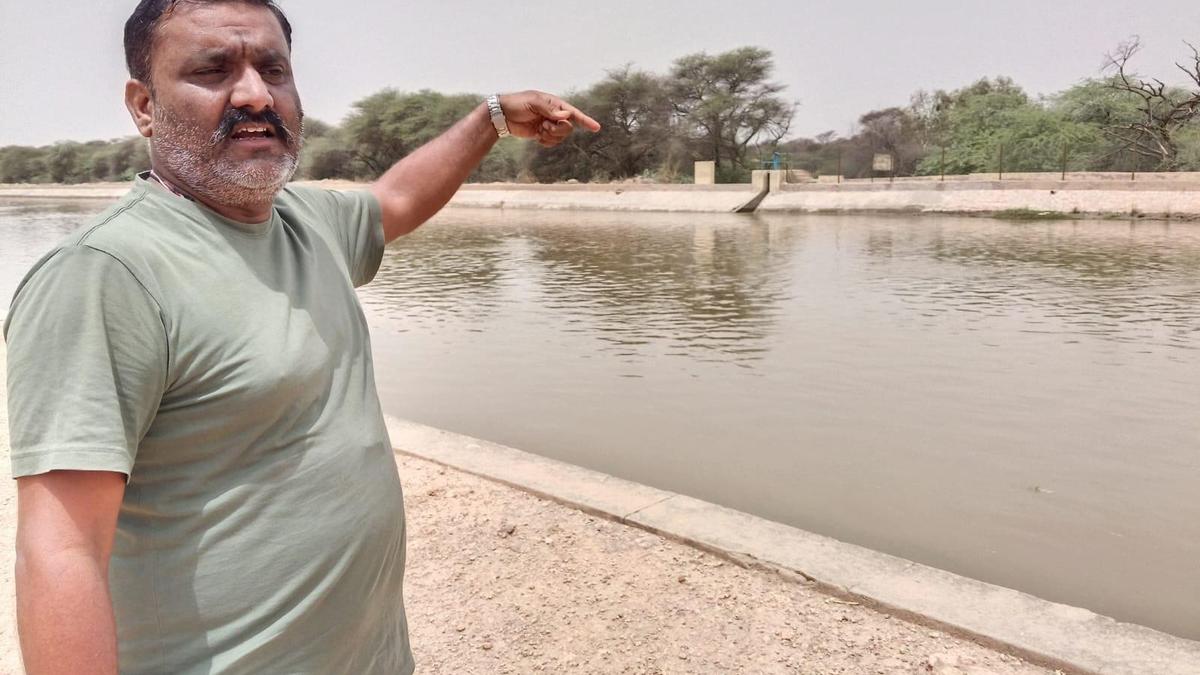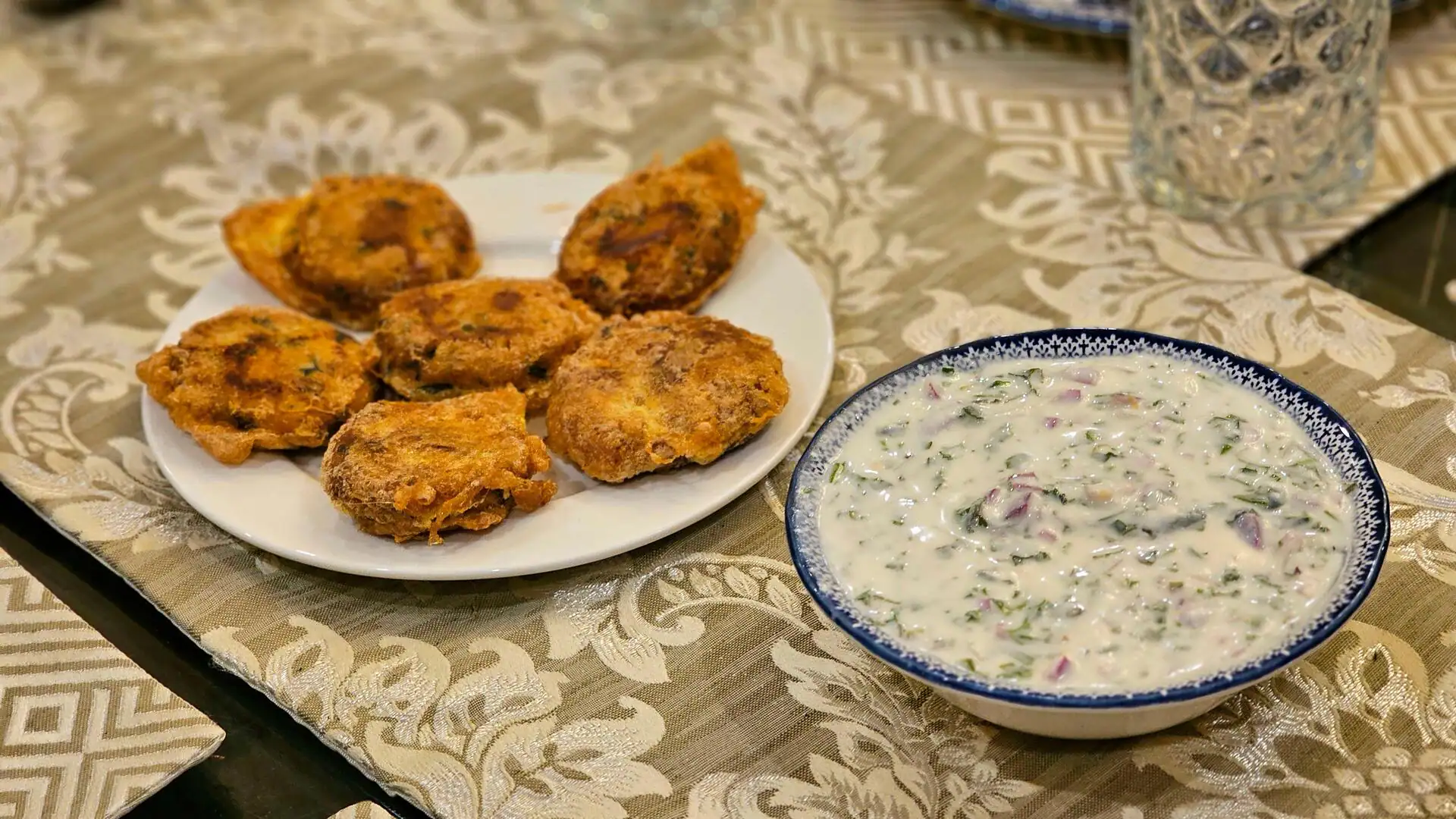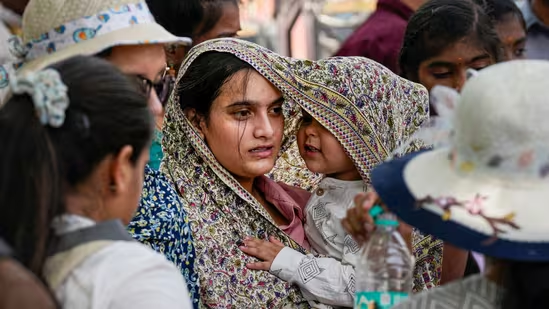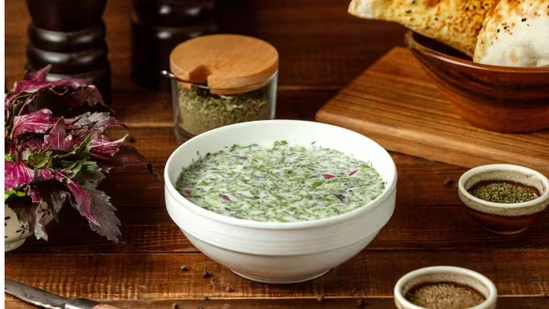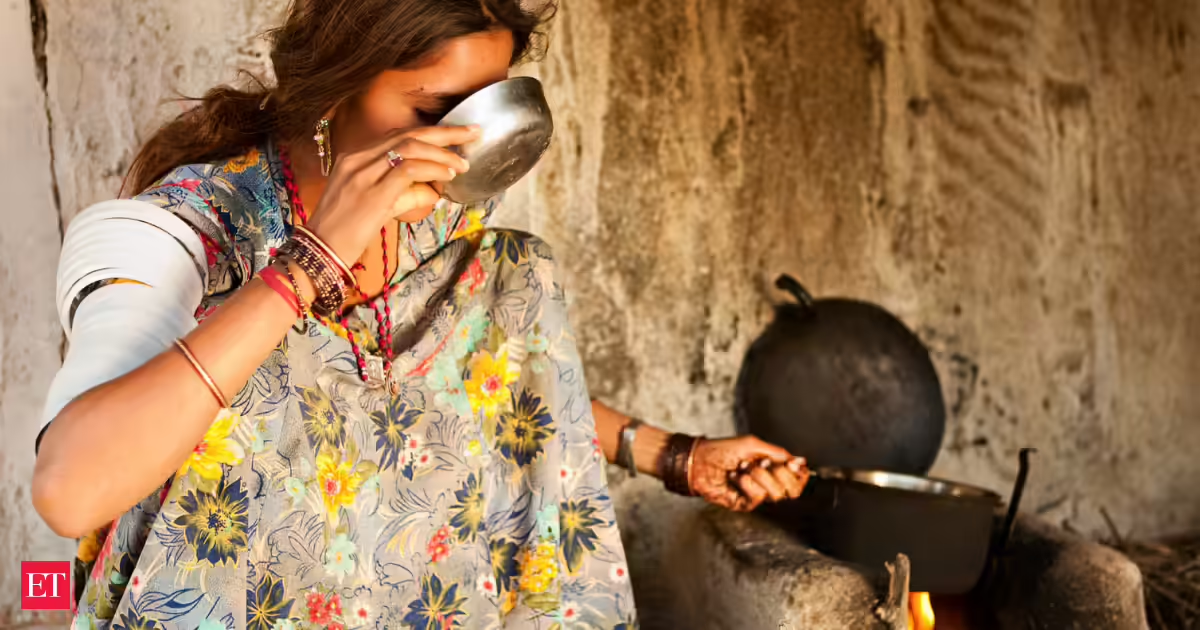
As Rajasthan battles another brutal summer, people across the desert state are going back to something far older than packaged cool drinks and trendy health beverages. With temperatures soaring above 45°C in places like Barmer, Jaisalmer and Bikaner, many families are once again turning to a traditional local favourite believed to naturally cool the body, Rabdi.Read More: Anand Mahindra Is Impressed by This Jaipur Technique That Keeps Homes Cool in 40°C Heat Without ACs, While Also Growing Fresh FoodNot to be confused with the sweet dessert popular in North India, this traditional Rajasthani Rabdi is a savoury dish made using millet or sorghum flour mixed with buttermilk. In rural Rajasthan, it has long been considered one of the best natural ways to survive the harsh desert heat.Rajasthan Heatwave Pushes Locals Back To Traditional Summer FoodsSeveral western Rajasthan districts have been recording extreme temperatures this summer. Barmer recently touched nearly 46.8°C, while cities like Jaisalmer and Churu have continued experiencing intense heat throughout the day.With scorching winds and unbearable afternoons becoming part of daily life, many locals are ditching artificial energy drinks and returning to simple homemade foods that have been trusted for generations.One of the biggest favourites making a comeback is traditional Rabdi.In villages across Barmer and nearby desert regions, Rabdi is far more than just comfort food. Many locals see it as a natural cooling remedy that helps the body stay hydrated and energised during peak summer months.What Makes Traditional Rajasthani Rabdi So Popular?Rabdi has deep roots in Rajasthan’s desert food culture. Made using ingredients commonly available in rural homes, the dish is packed with nutrients and is believed to support digestion while helping the body cope with extreme temperatures.Older generations often describe it as a “desi superfood” because of its cooling properties and simple preparation.The combination of millet, sorghum and buttermilk makes it especially popular during heatwaves. Many families regularly eat it during lunch hours when the desert sun becomes difficult to handle.Even today, despite changing food habits and increasing urban lifestyles, Rabdi continues to hold a special place in rural Rajasthan kitchens.How To Make Traditional Rajasthani Rabdi At HomeIngredients2 tablespoons millet or sorghum flour2 cups buttermilkWater as neededSalt to tasteOptional: cumin seeds or green chilli for extra flavourMethodStart by mixing the flour with water carefully to avoid lumps. Once smooth, place the mixture on low heat and stir continuously.Gradually add the buttermilk while stirring. Cook the mixture slowly until it thickens slightly and develops a smooth consistency.Add salt according to taste. Some households also add cumin or chopped green chillies for a bit of spice.Traditionally, Rabdi is served slightly cooled and enjoyed fresh during daytime meals.More Than Just Food, Rabdi Is Part Of Rajasthan’s CultureIn western Rajasthan, especially in desert regions like Barmer, Rabdi is still considered an essential summer meal. Many locals believe it helps reduce the risk of heat exhaustion and dehydration during extreme weather conditions.Some elderly residents even claim the dish supports overall health and may help manage lifestyle issues such as high blood pressure and diabetes, thanks to its simple and nutritious ingredients.Rabdi also carries strong cultural importance. In several rural communities, Jyeshtha Sudi Chaturthi is celebrated as “Rabri Day”, where families gather together to prepare and enjoy the traditional dish.At a time when fast food and processed drinks dominate summer diets, Rajasthan’s age-old Rabdi is proving that traditional foods still have a place, especially when the desert heat becomes almost impossible to escape.Inputs from agencies
Not AC, not cold drinks: When temperatures cross 45°C in Rajasthan, people in desert areas rely on this centuries-old dish to stay naturally cool
Rajasthani Rabdi Recipe: Rajasthans desert communities are once again turning to traditional Rabdi to cope with the extreme summer heat. This savoury dish, made with millet or sorghum flour and buttermilk, is believed to help keep the body cool, hydrated and energised during scorching temperatures. With its simple preparation and nutritious ingredients, Rabdi has remained a trusted summer remedy passed down through generations.
With temperatures exceeding 46.8°C in Barmer and Jaisalmer, western Rajasthan communities are reviving Rabdi — a fermented millet-and-buttermilk dish — as a low-cost, evidence-backed alternative to commercial electrolyte drinks. The trend signals growing interest in indigenous functional foods as a scalable heat-resilience solution, relevant for operations and workforce wellness strategies in extreme-climate geographies.