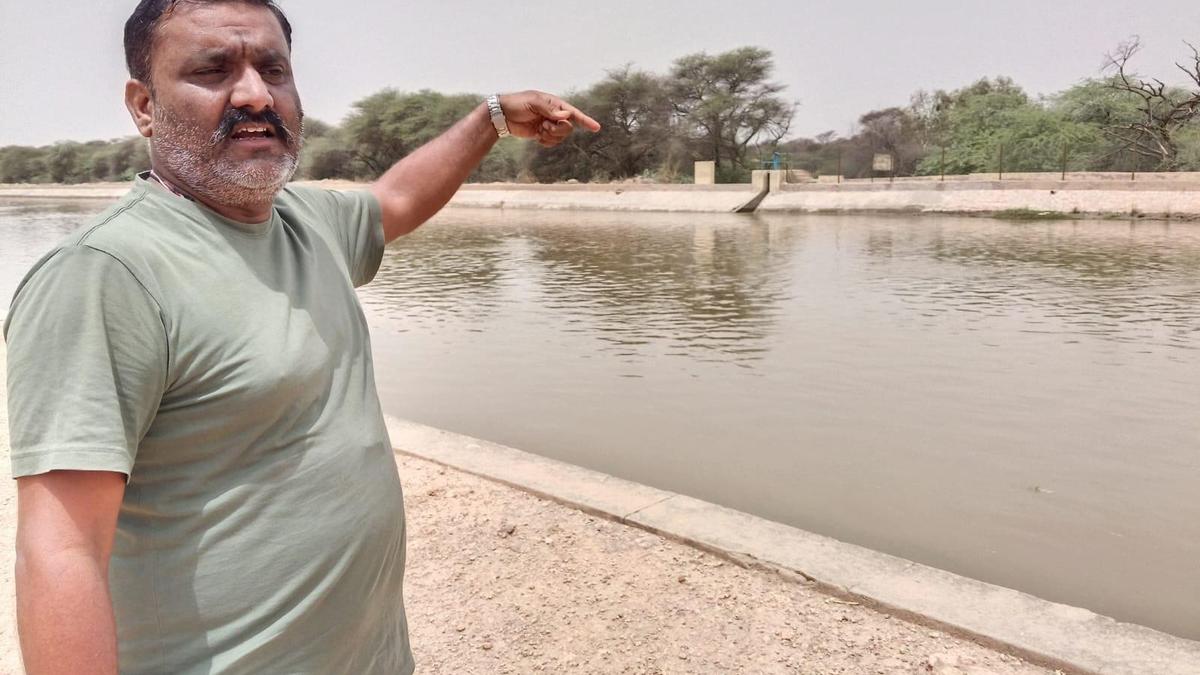
Former sarpanch Siddharth Singh Bhati at the Indira Gandhi Canal near Pugal.
| Photo Credit: Special arrangement
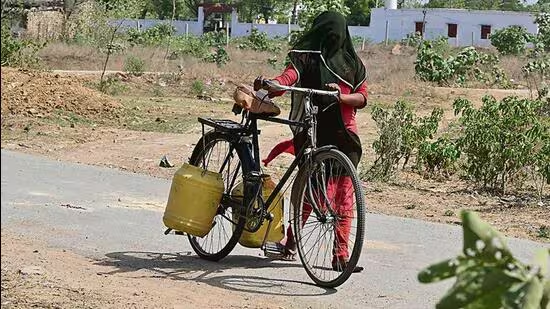
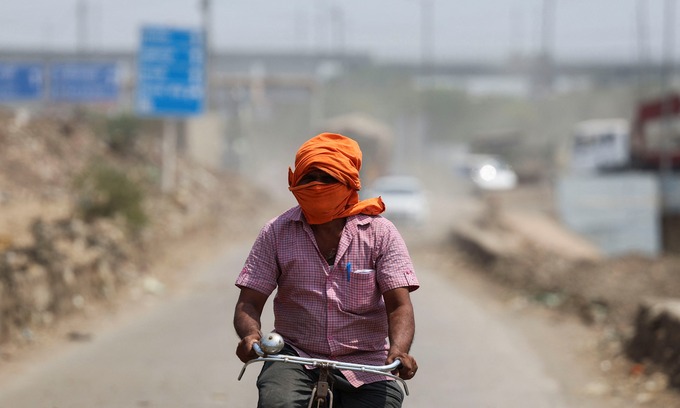
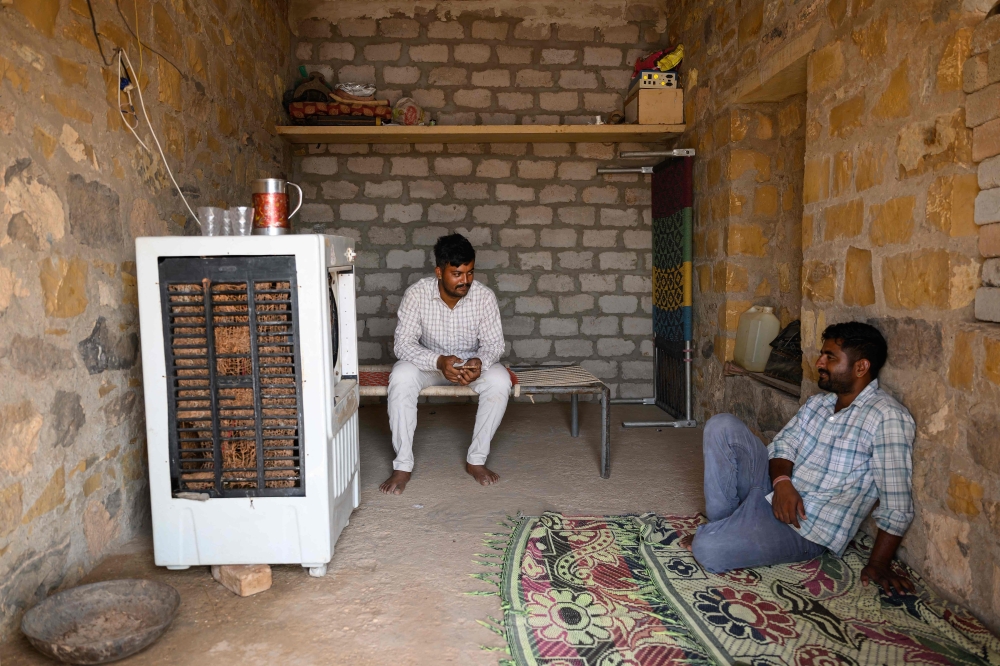
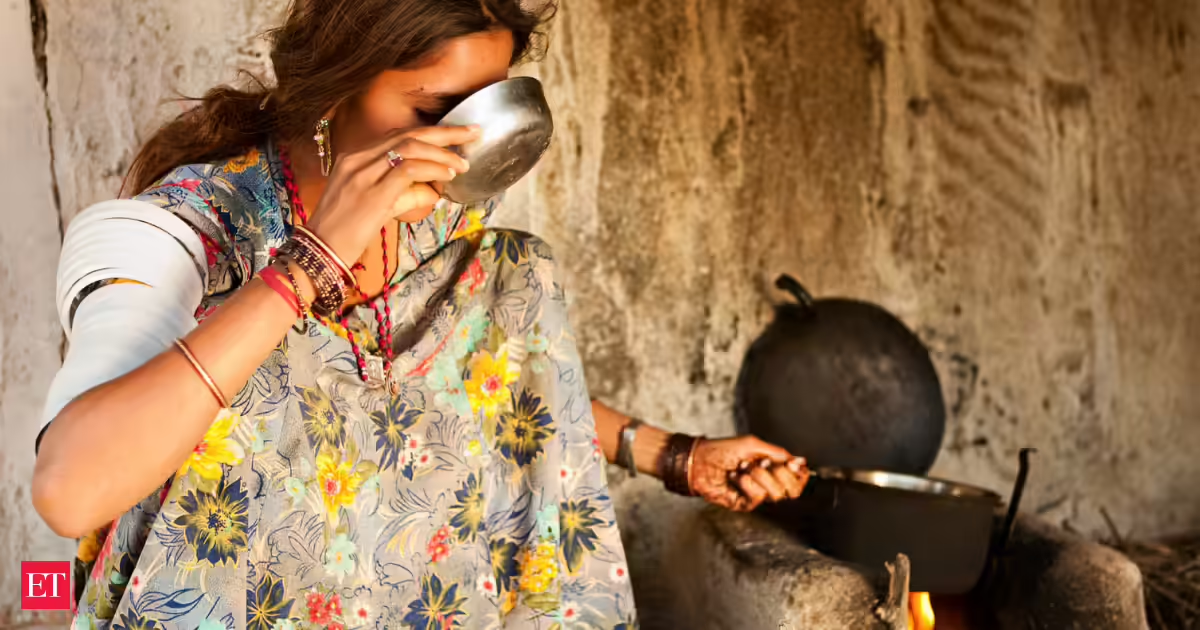
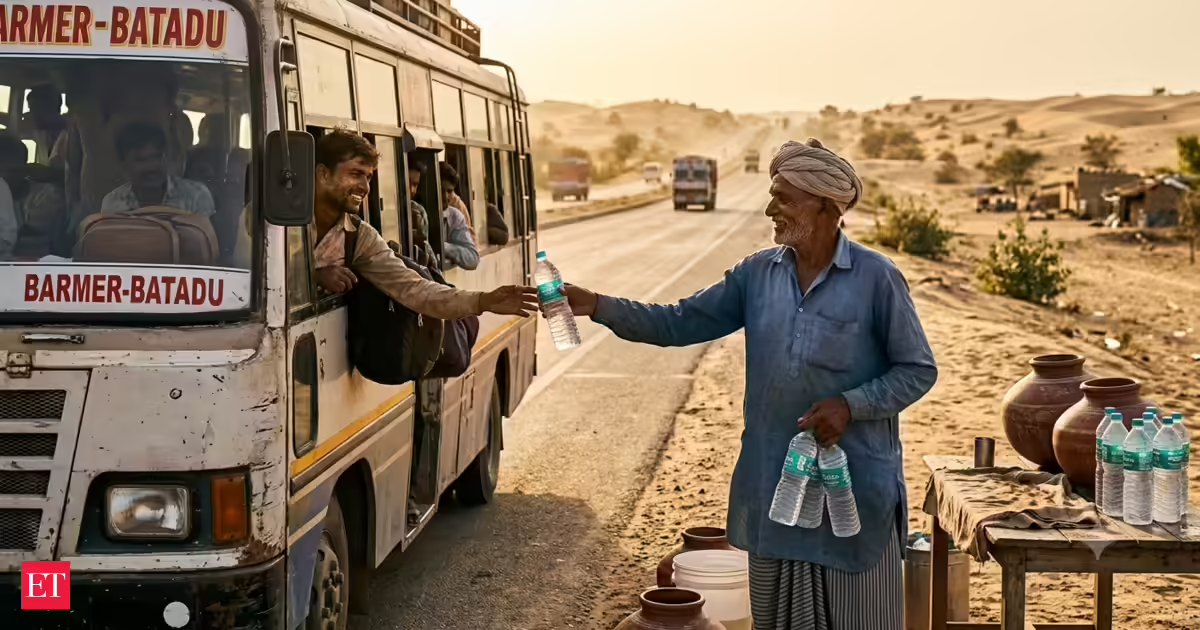
Families residing in Rajasthan’s Thar Desert are facing the ongoing heatwave with adaptations to cope with high temperature, water scarcity and the difficult geographical conditions. The villagers of the region are used to facing the blistering heat every year, and the mercury has crossed 46 degrees Celcius in Bikaner district this time.The source of water for the rural households and agricultural fields in the region is mainly the Indira Gandhi Canal, considered the lifeline of the Thar Desert as it brings the Himalayan waters. Pugal marks the geographical bridge where the main canal’s primary feeder line ends and its downstream path continues into Jaisalmer district, with a 256-km section heading towards Mohangarh.The present heatwave, partly attributed to climate change, has put immense pressure on the local agrarian economy and livelihood of farmers, peasants and agricultural labourers. Though the canal feeds an extensive local network of distributaries, the shortage of water persists during summer. “The severe heatwave conditions have disturbed the regular schedule of our family. Half of our daytime is spent in arranging water for our livestock. We were planning to sow the seeds of kharif crops, but it will not be possible until we get sufficient water in our farm pond,” Maroof Khan, 18, a resident of Ramai village, 22 km away from Pugal, told The Hindu.