Recent fighting in Mali that has weakened the ruling junta has revived a familiar question in the Sahel: can Algeria, once the region’s leading mediator, regain a role that many in Bamako openly question?
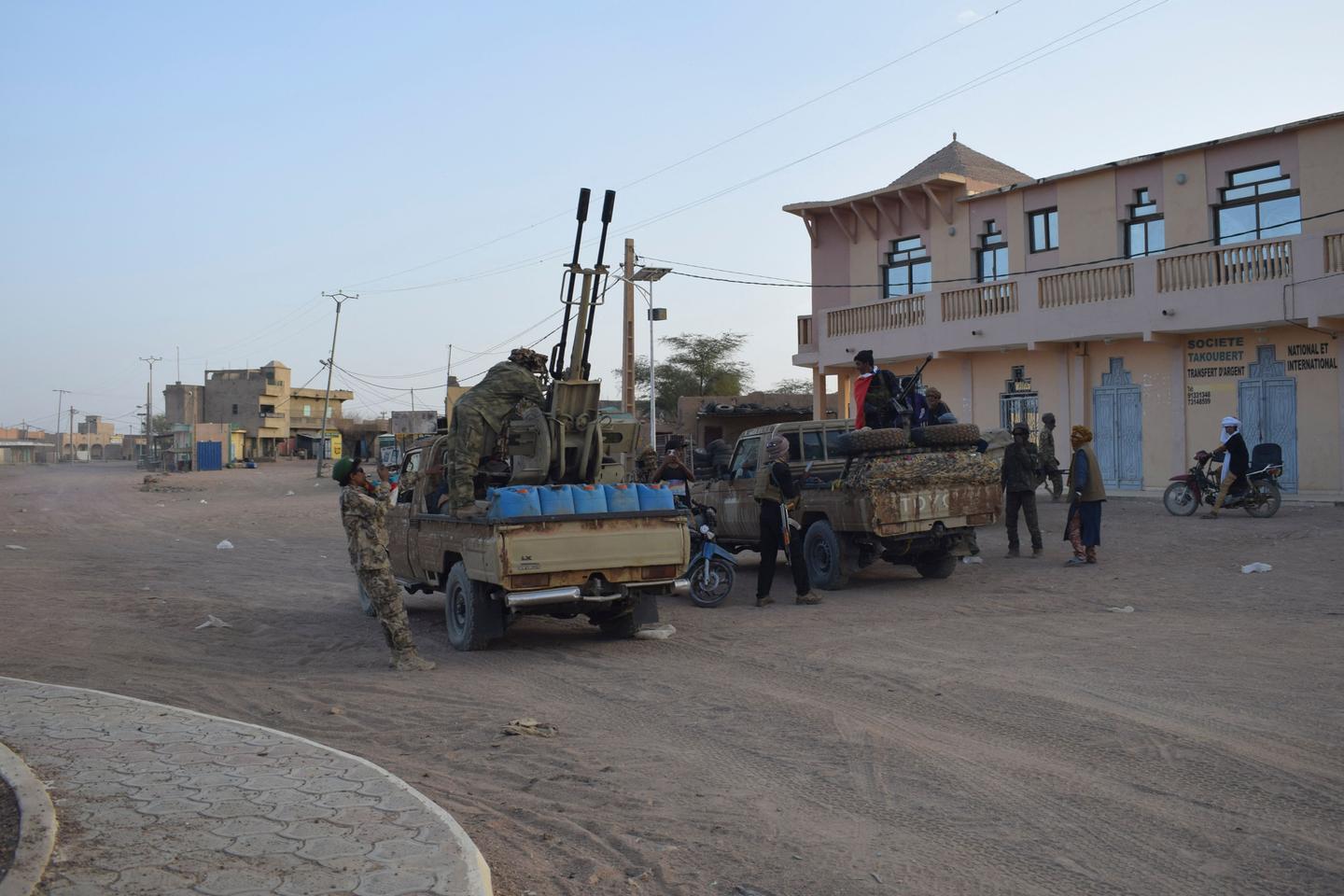
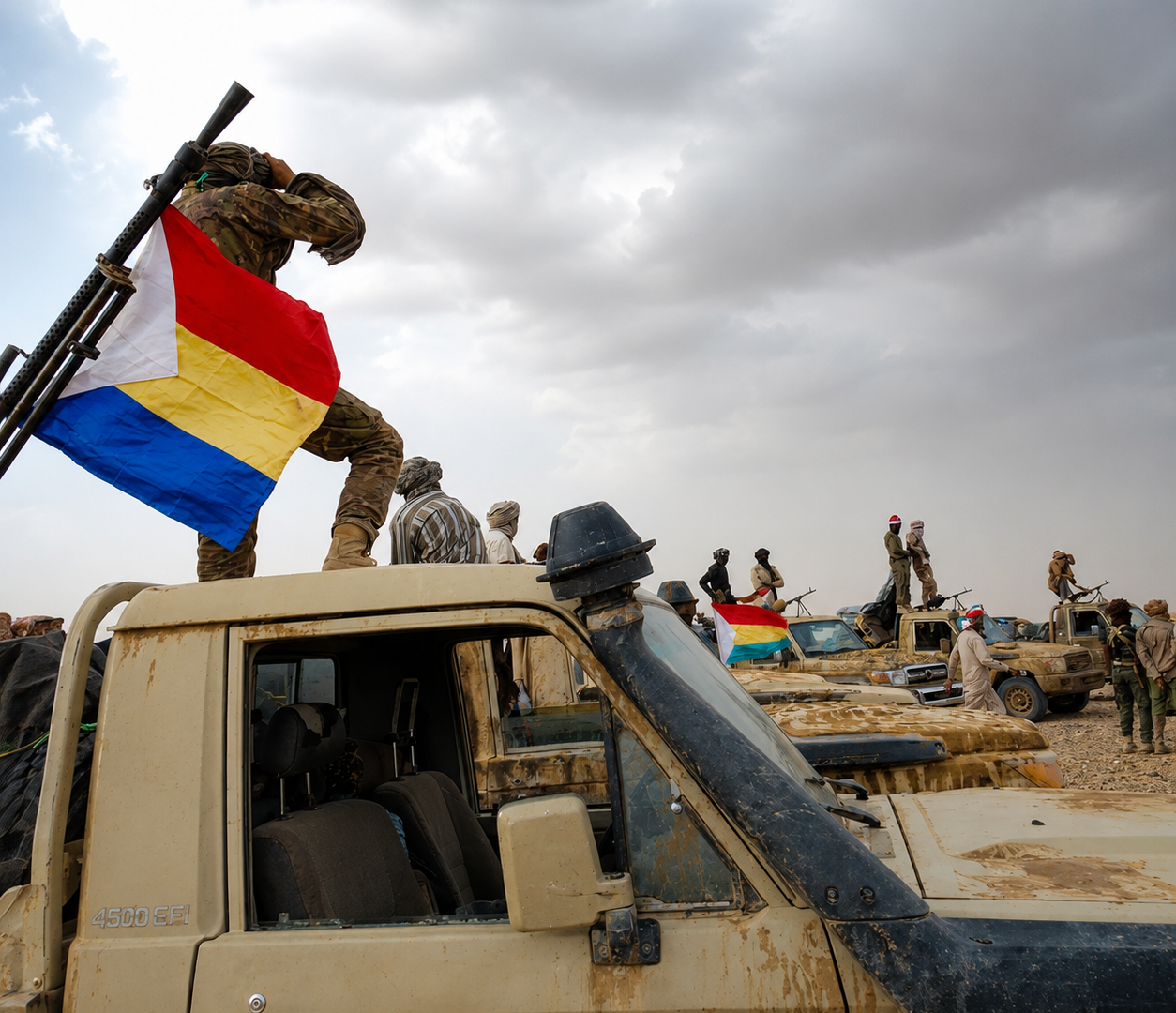
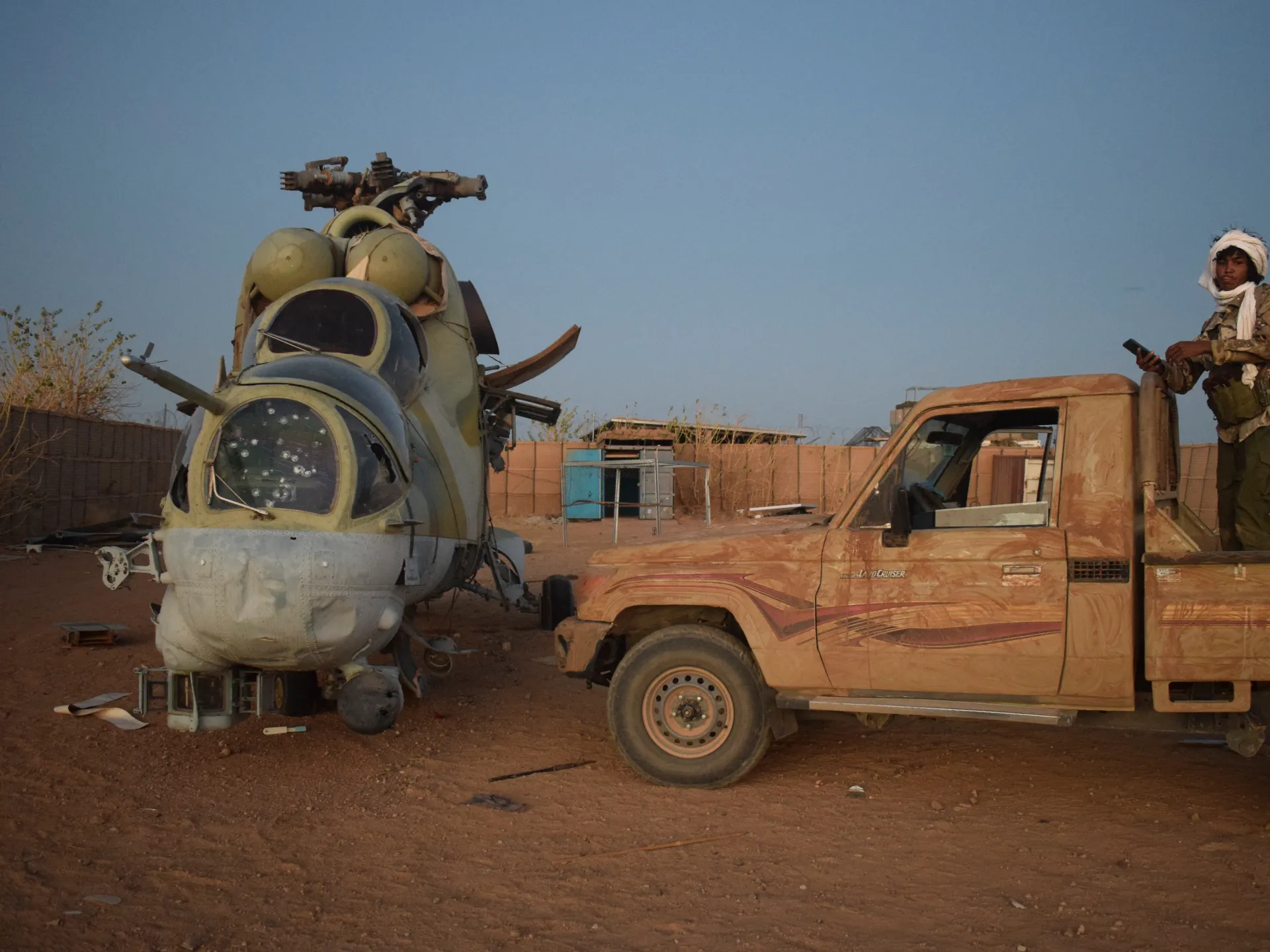
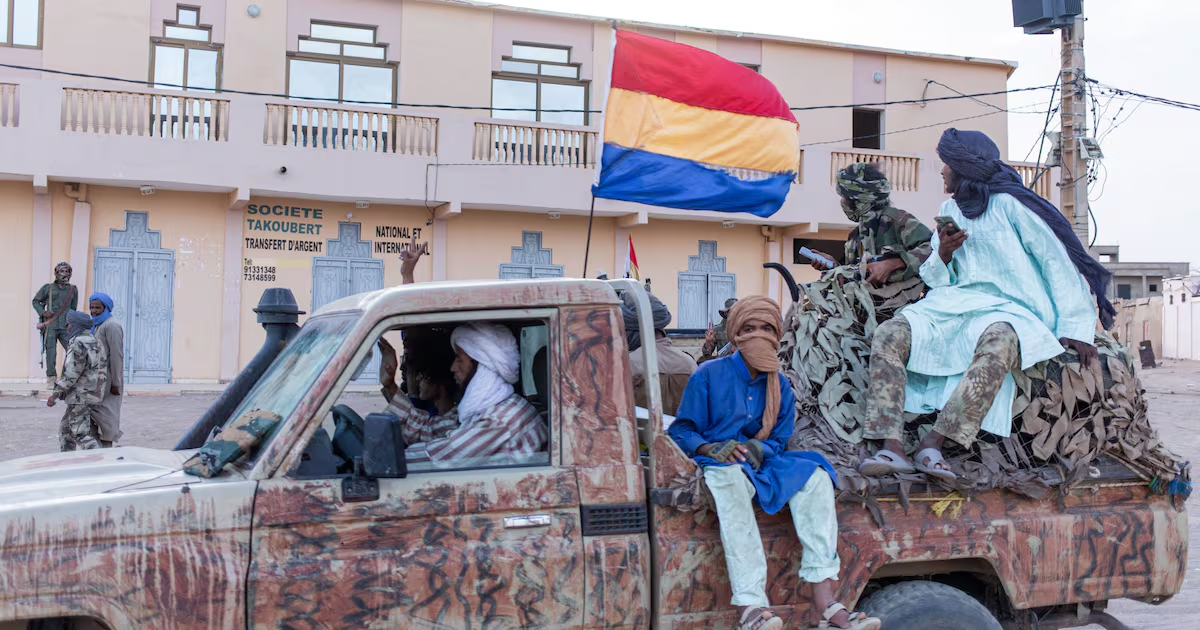
On 25 April, an alliance of Tuareg separatists linked to the Azawad Liberation Front (FLA), a group seeking independence for a region in northern Mali, and Jama'at Nusrat al-Islam wal-Muslimin (JNIM), an al-Qaeda-affiliated coalition, launched a surprise attack on Malian military and government sites.
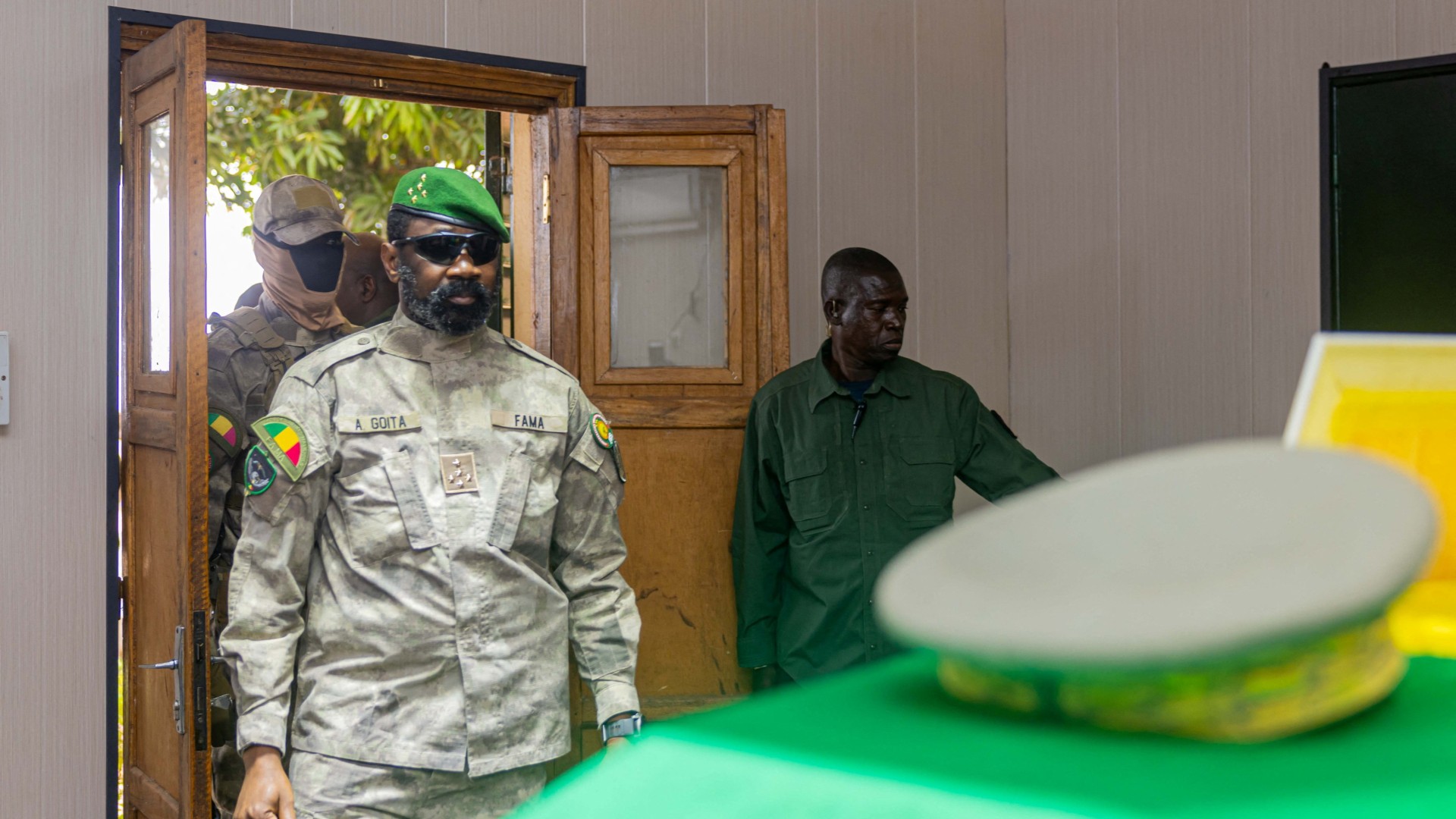
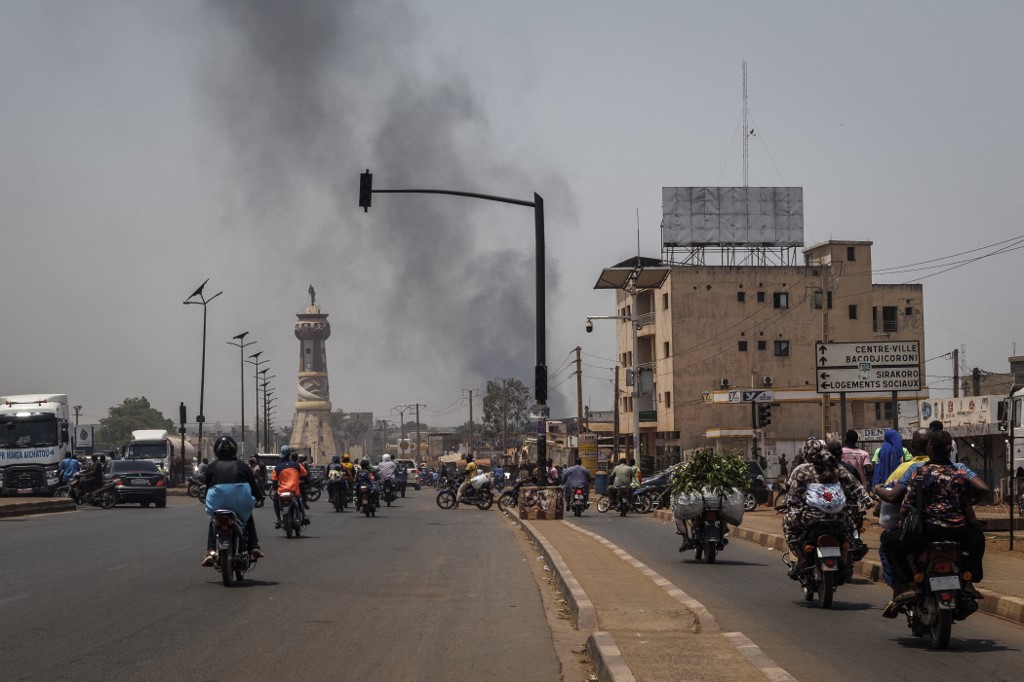
They seized key towns, such as Kidal, and army bases, blockaded the capital city, Bamako, and killed the country’s defence minister, Sadio Camara, in the most serious challenge to the government since it came to power in 2020.
In neighbouring Algeria, the military and political upheavals in Mali have been met with a mixture of concern and expectations about the possibility of regaining diplomatic influence that had been declining over the years.
Algeria has had a historic role in managing crises in Mali and the larger Sahel region. In particular, it brokered the 2015 peace agreement, which aimed to address the root causes of the conflict in the country’s north.