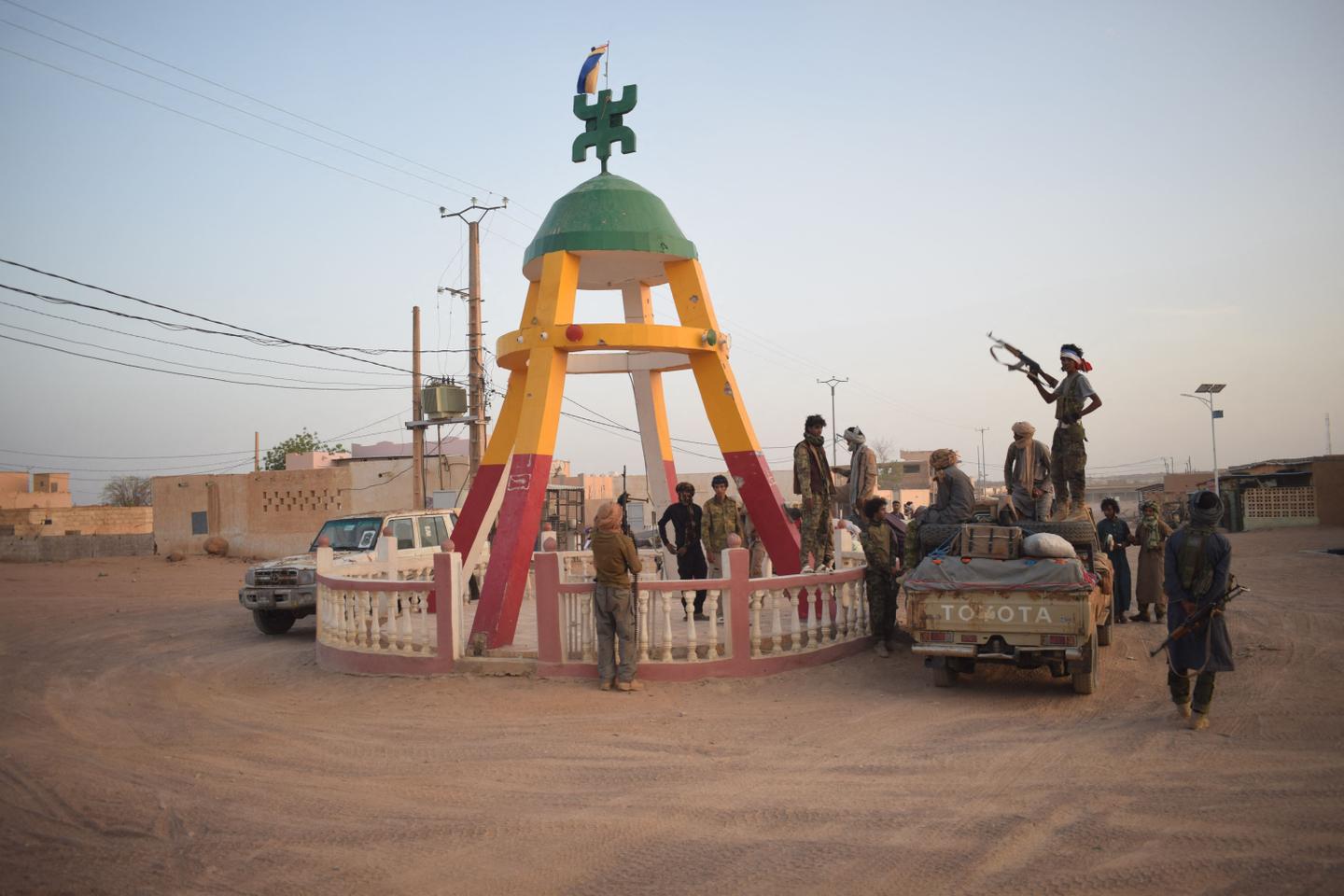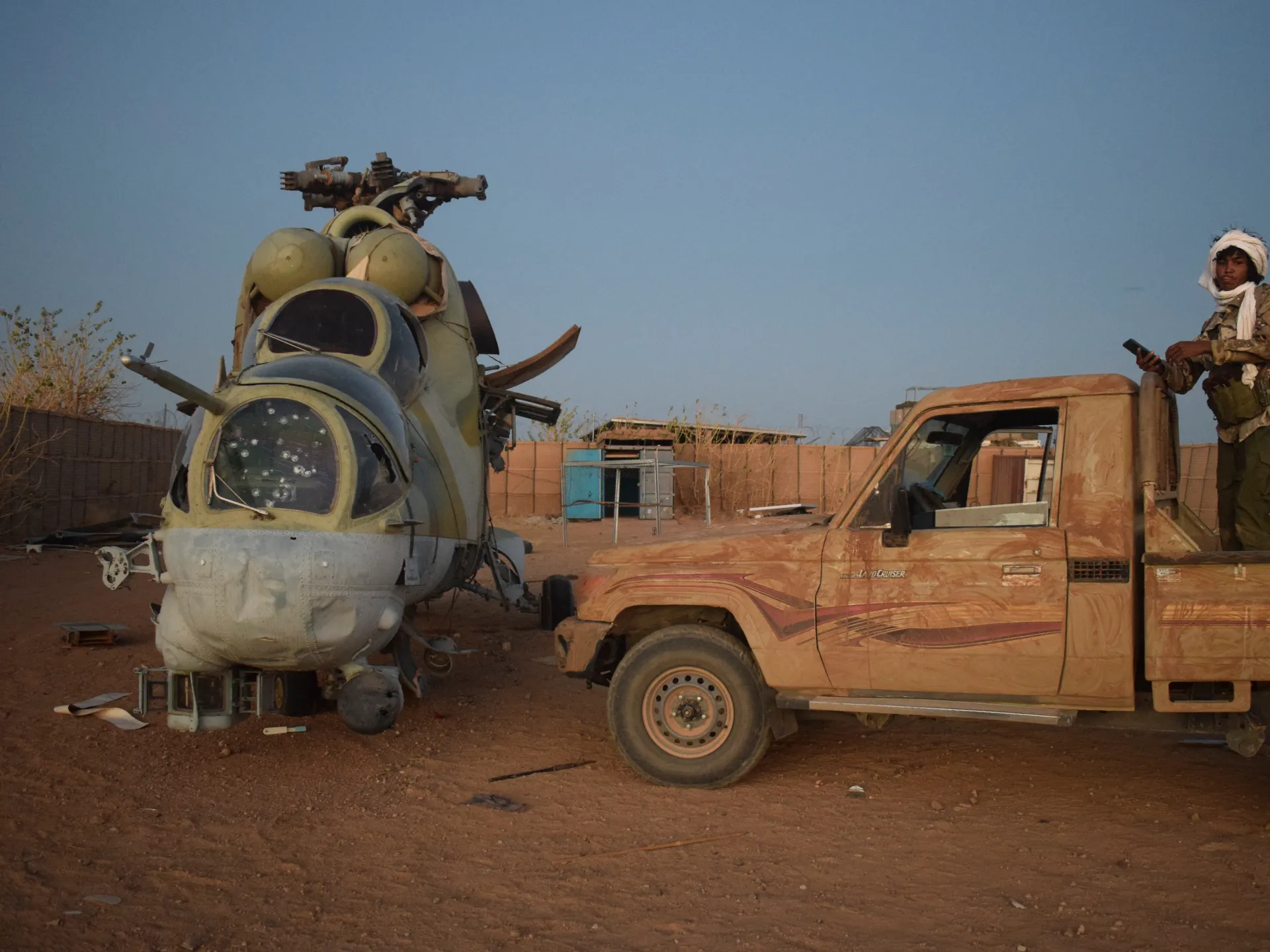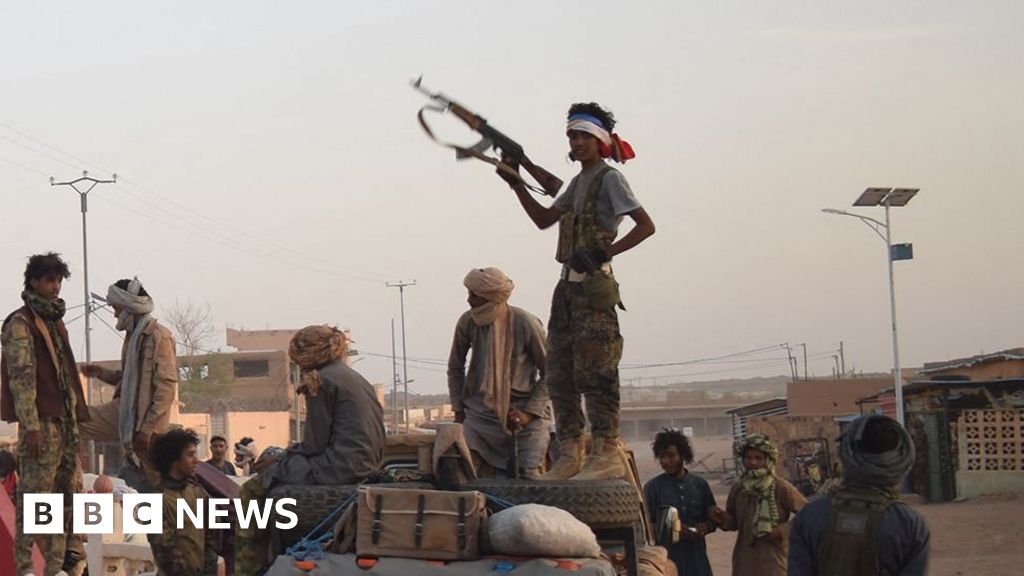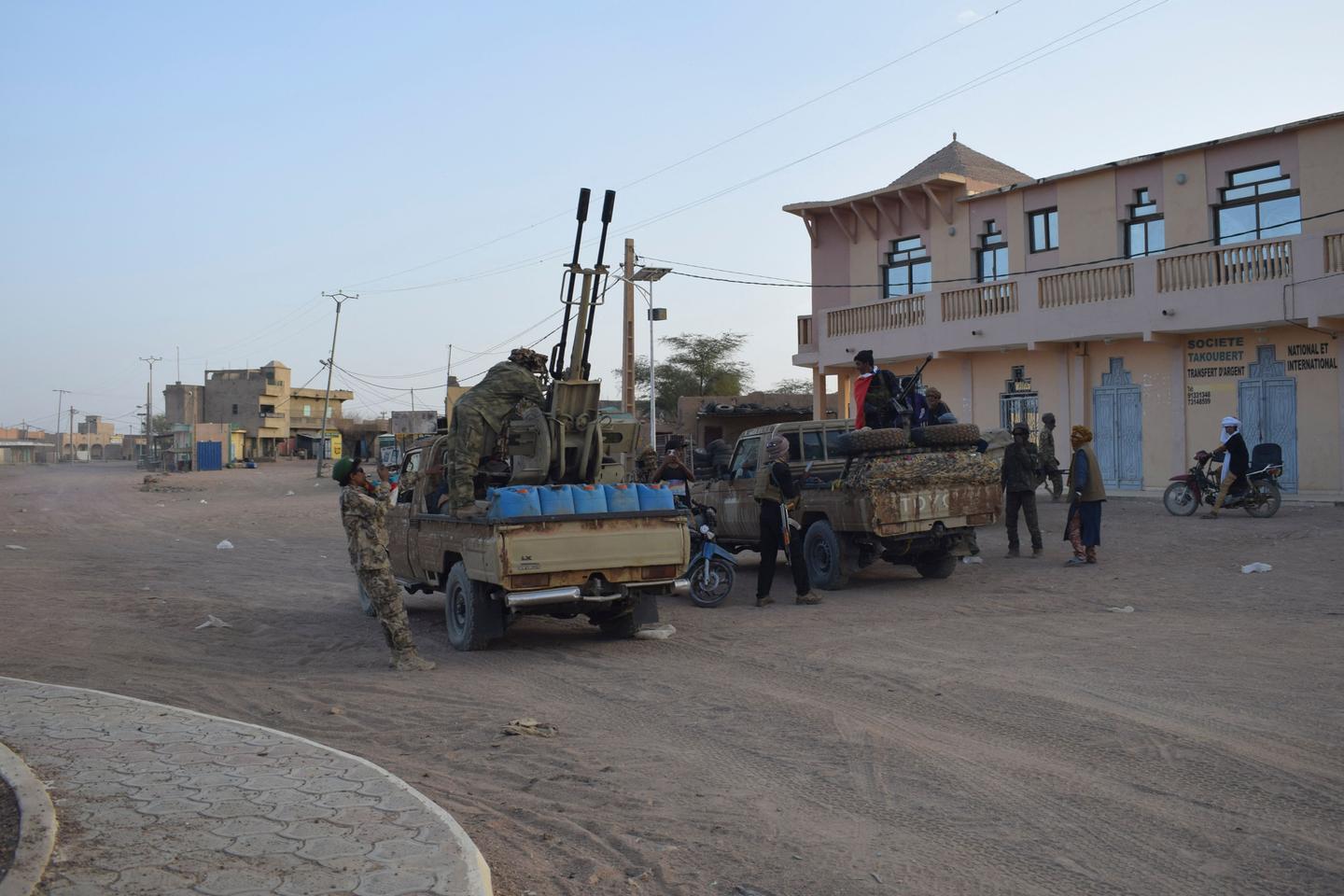
Tuareg rebels from the Azawad Liberation Front sit in the back of pickup trucks, Kidal, Mali, April 26, 2026. ABDOLLAH AG MOHAMED/AFP
The ongoing political and military upheaval in Mali marks a turning point in the region's geopolitics. The territorial advances made on Saturday, April 25, by jihadist and pro-independence insurgent groups in northern Mali against a now-defensive Bamako army have redrawn the balance of power in the Saharo-Sahelian zone, putting Algeria back into play.
Algeria's influence had declined since late 2023 along its southern borders as its relationship with the Malian junta deteriorated – and consequently, with the coup-installed governments in Niger and Burkina Faso, who stand united within the Alliance of Sahel States (AES). Diplomatic contacts between Mali and Algeria were nearly severed, with the former denouncing Algeria's calls to open dialogue with Tuareg and Arab armed groups from the Azawad region (northern Mali) as "support for terrorism."
At that time, the Malian Armed Forces (FAMa), bolstered by Wagner contingents (later replaced by Africa Corps), launched a military reconquest of northern Mali, disregarding the political negotiations advocated by Algiers. This period of Algeria's exclusion from the Malian scene now appears to be ending, at least in part. Recent events have restored the major northern neighbor to its historic role as mediator. Algeria's record of brokering agreements during various Tuareg rebellions (1991 and 2006 in Mali, 1997 in Niger) had cemented its status as a regional patron – even if it was often viewed as excessively intrusive by its Sahelian partners.