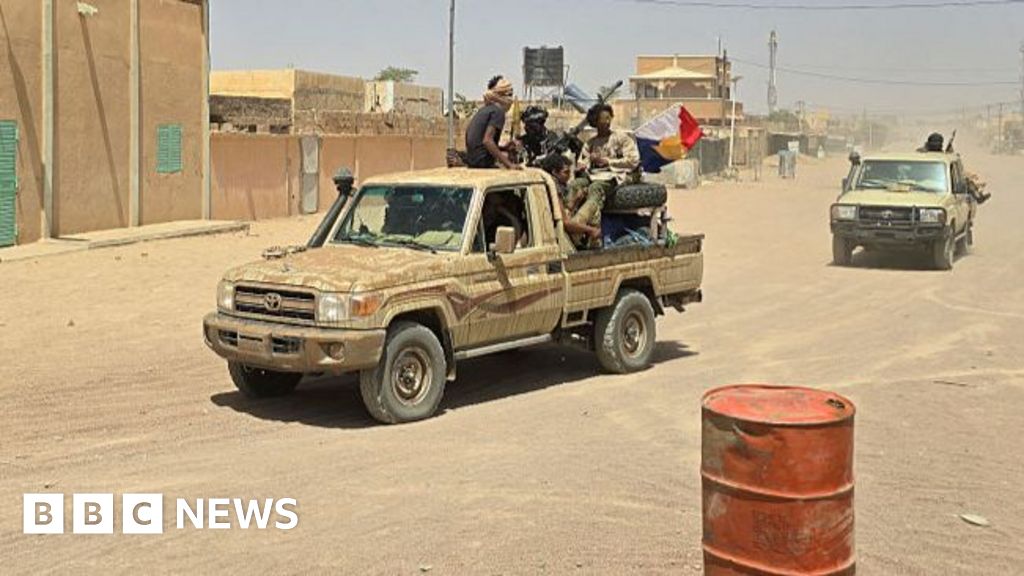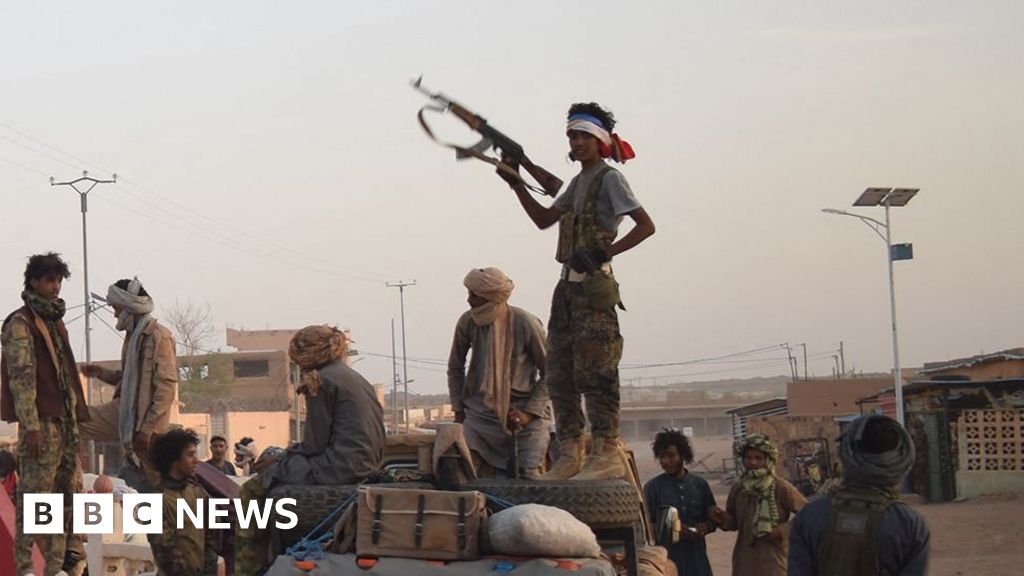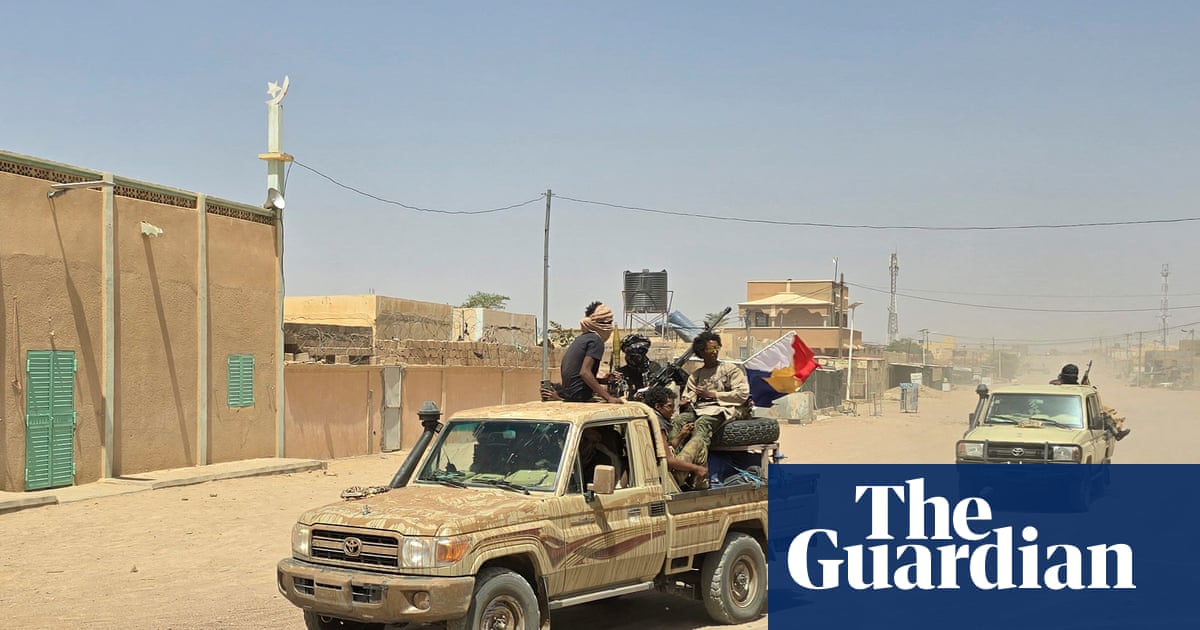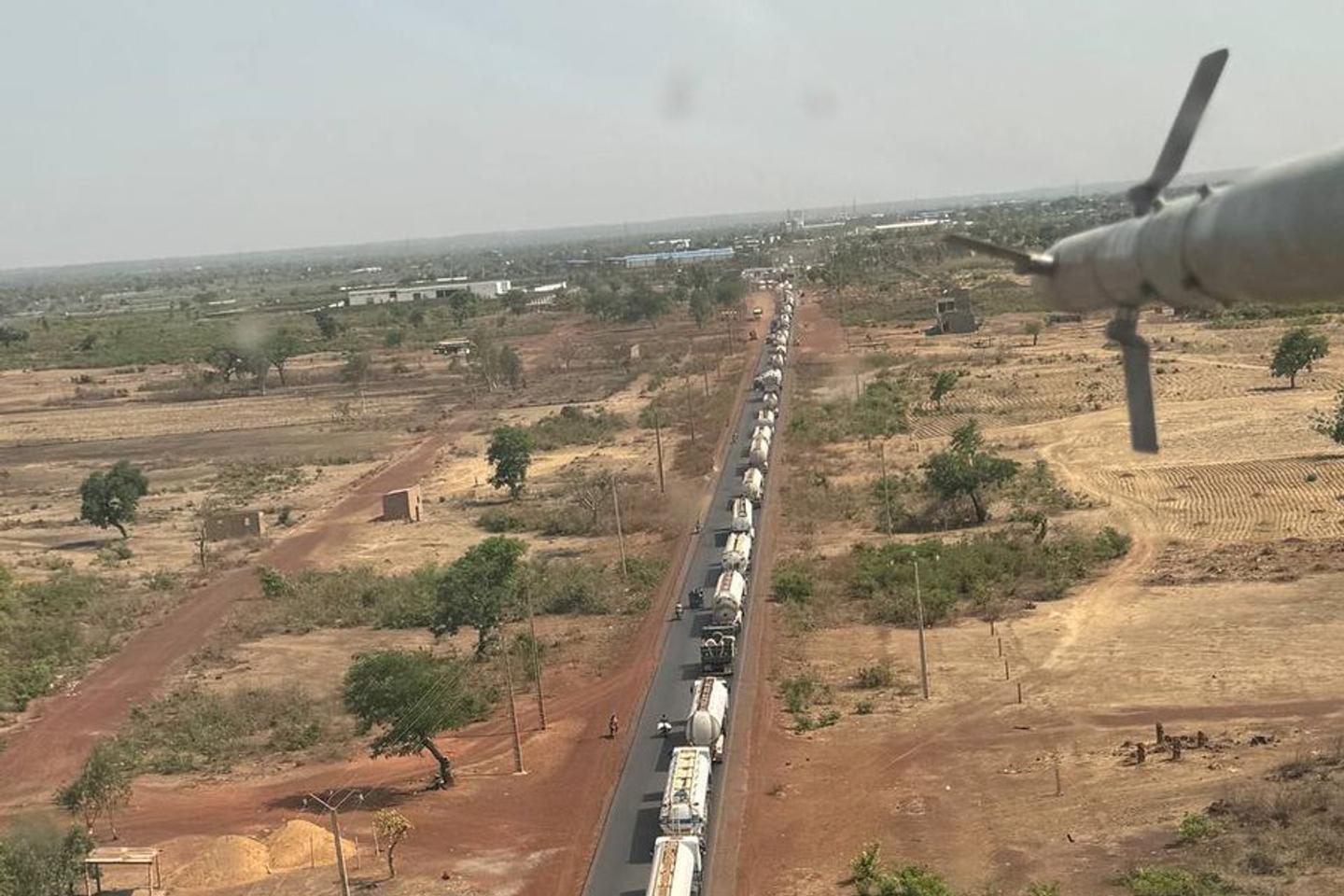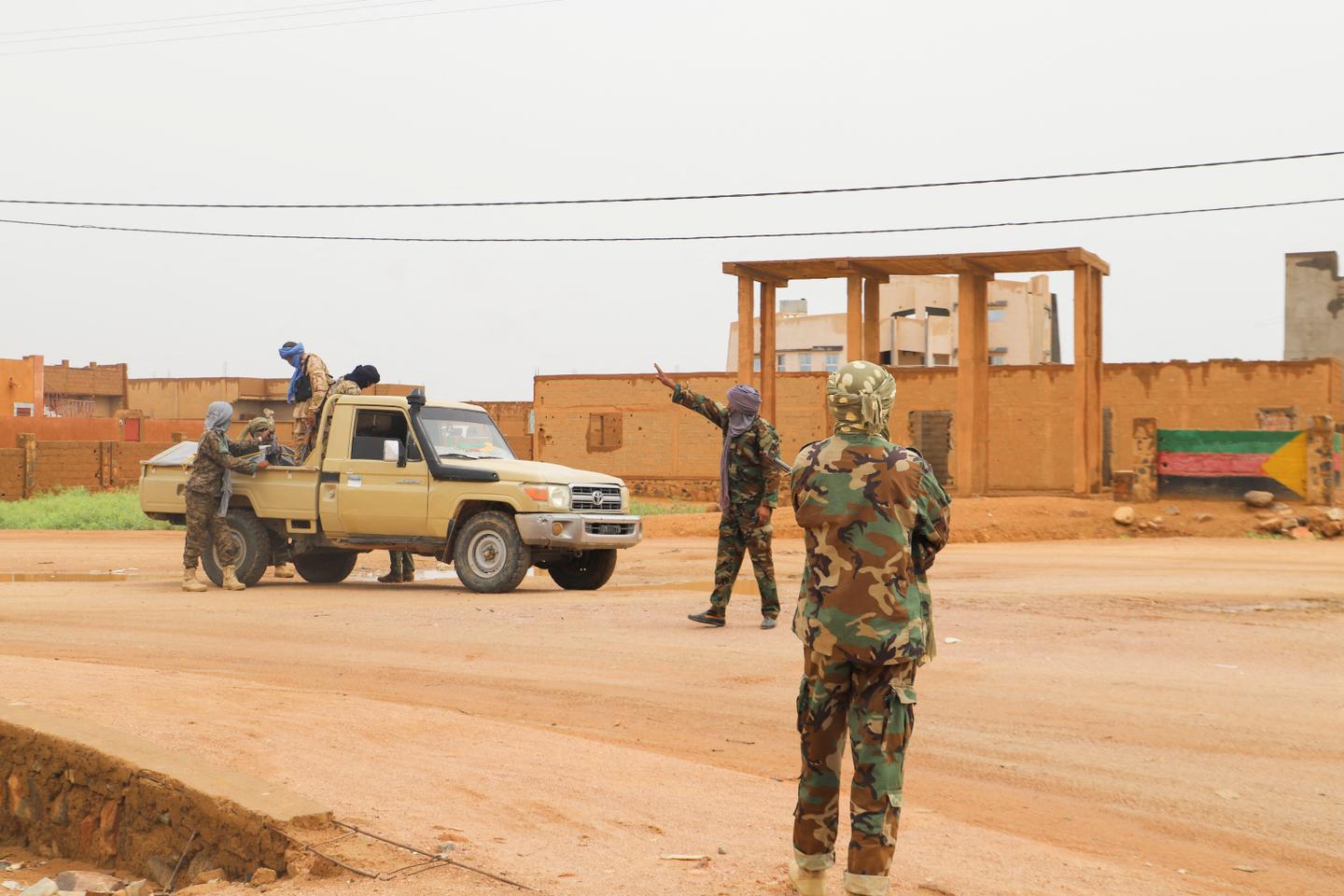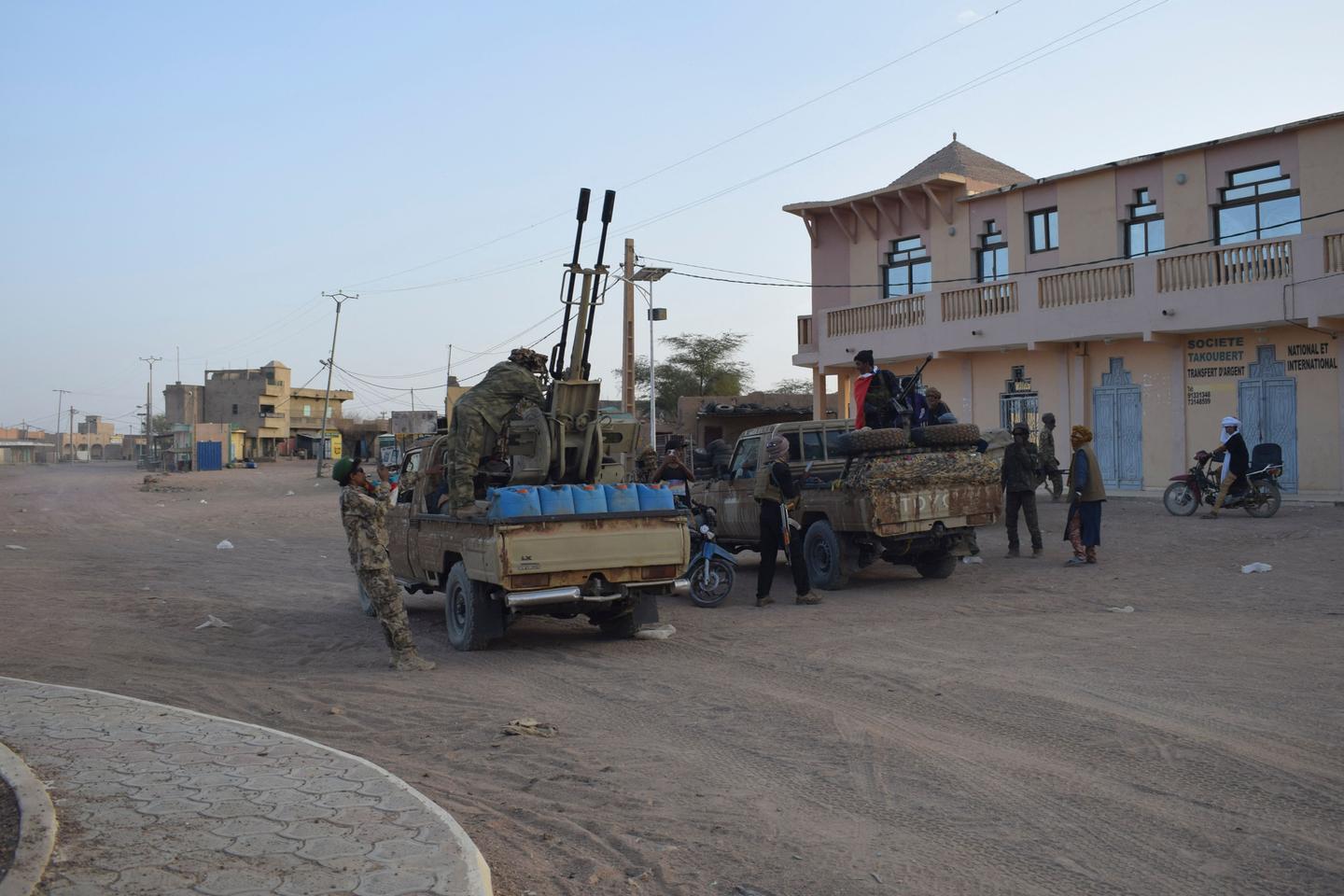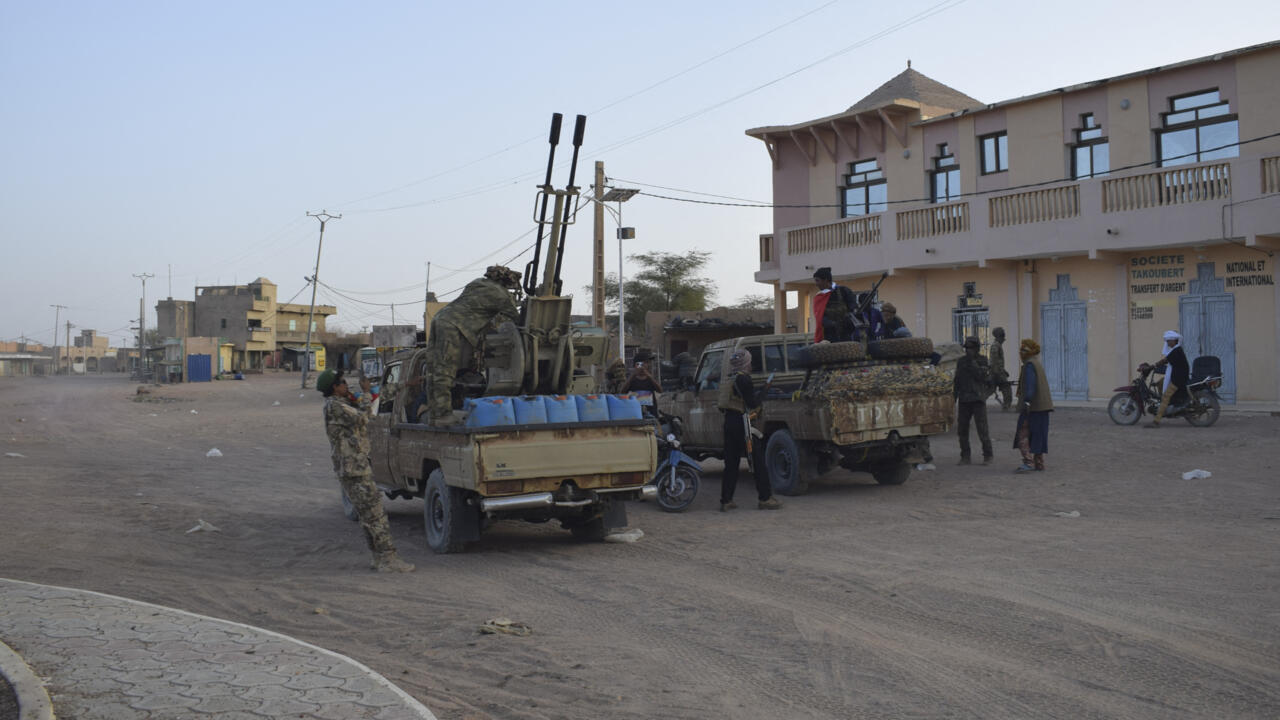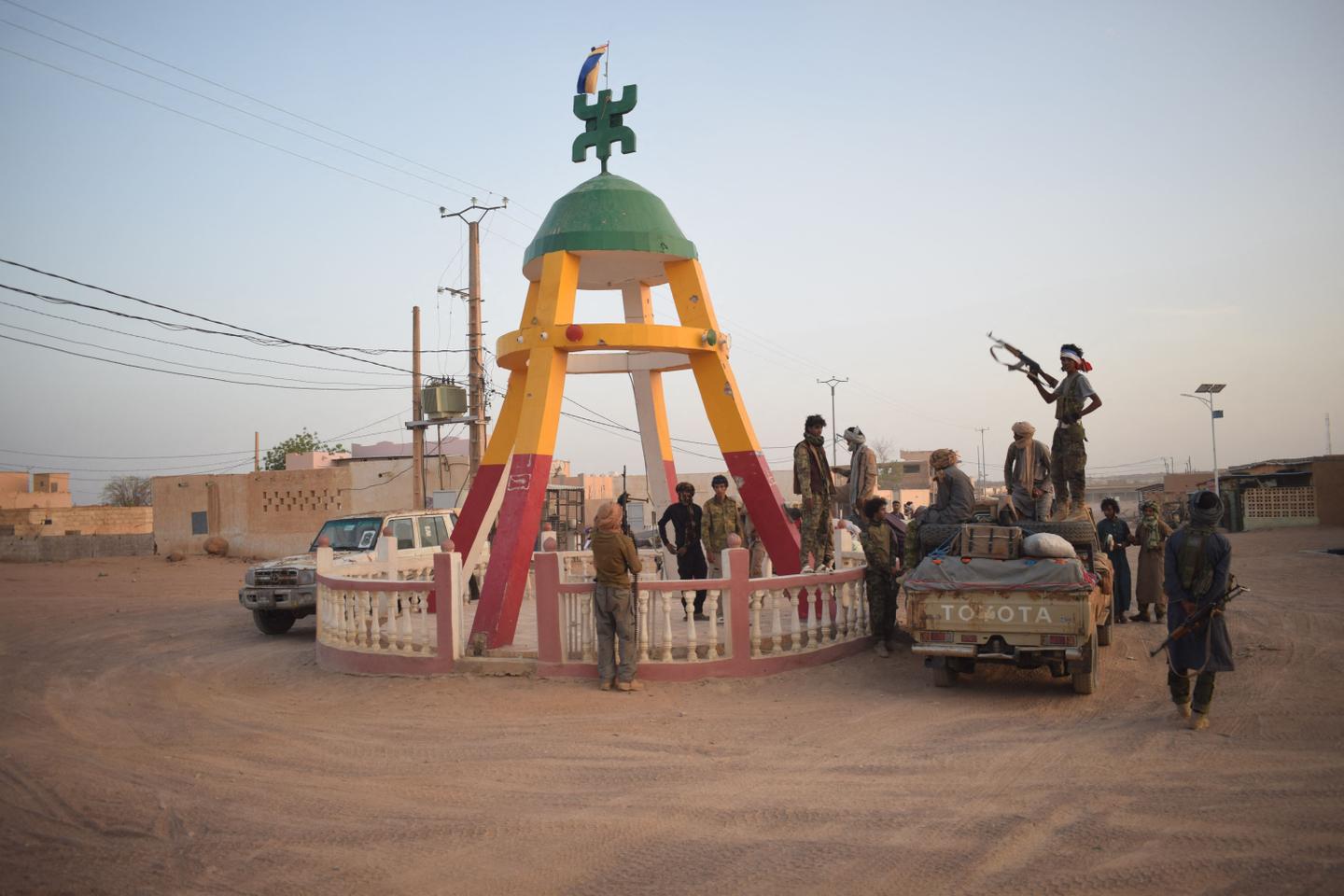
Tuareg rebels from the Front de libération de l'Azawad coalition in Kidal, Mali, April 26, 2026. ABDOLLAH AG MOHAMED/AFP
On Sunday, April 26, the pro-independence flag was planted atop the Kidal fort, a rebel stronghold in Mali's far north. The rebels of the Azawad Liberation Front (ALF) reclaimed the fort two and a half years after Russian Wagner mercenaries had proudly raised their own banner there, a white skull on a black background, alongside the Malian flag. At the time, the ruling junta celebrated the moment as a symbol of the country's regained sovereignty, made possible by its "win-win" military partnership with Russia.
On Sunday, following coordinated attacks on the military regime by northern pro-independence ALF forces, allied with jihadists from Nusrat al-Islam (JNIM, affiliated with Al-Qaeda), a new side of the Russian-Malian partnership – formed after the departure of French and UN forces from Mali between 2022 and 2023 – came to light.
The ALF announced on X that "an agreement between Azawadian forces and elements of Africa Corps [Russia's post-Wagner paramilitary force] has been reached to ensure their safe withdrawal" from Kidal. At least 400 of them were escorted by ALF fighters on Sunday to Tessalit, about 300 kilometers to the north, according to an ALF official speaking to Le Monde. They would then have to leave the country on their own, the source added. On social media, dozens of videos circulated showing the evacuation of Africa Corps men being escorted by ALF fighters. The Malian soldiers, however, remain prisoners in Kidal.