I
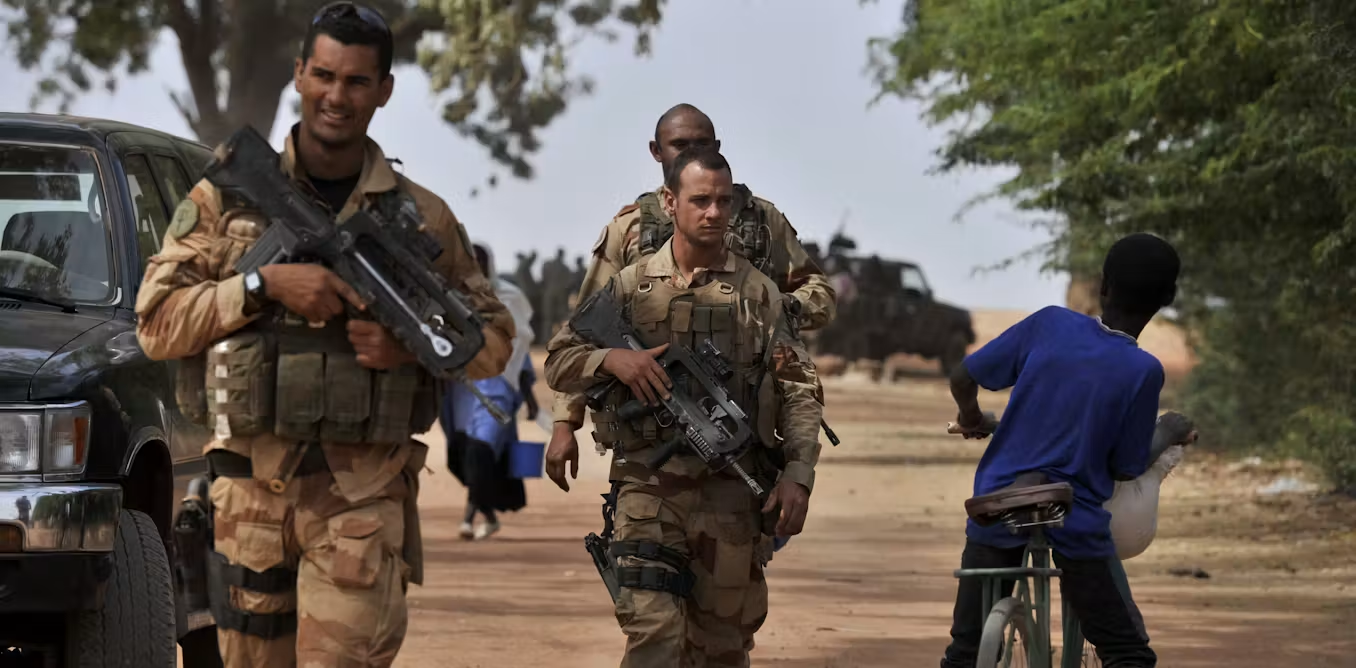
n January 2013, then-president François Hollande sent French troops to Mali as part of Operation Serval at the request of the Malian government, which was facing a jihadist advance toward Bamako. The Islamist takeover was stopped. However, Mali's discredited government later collapsed to a military coup in 2020 in this vast, impoverished nation beset by assaults from Al-Qaeda-affiliated fighters and, from 2015, the Islamic State group (IS).
Since then, Assimi Goïta, the current self-proclaimed president, has claimed he could restore security with the help of Russian Wagner mercenaries (later Africa Corps) after French forces were expelled in 2022. That claim ran up against the entrenched presence of jihadists and their growing military capabilities.
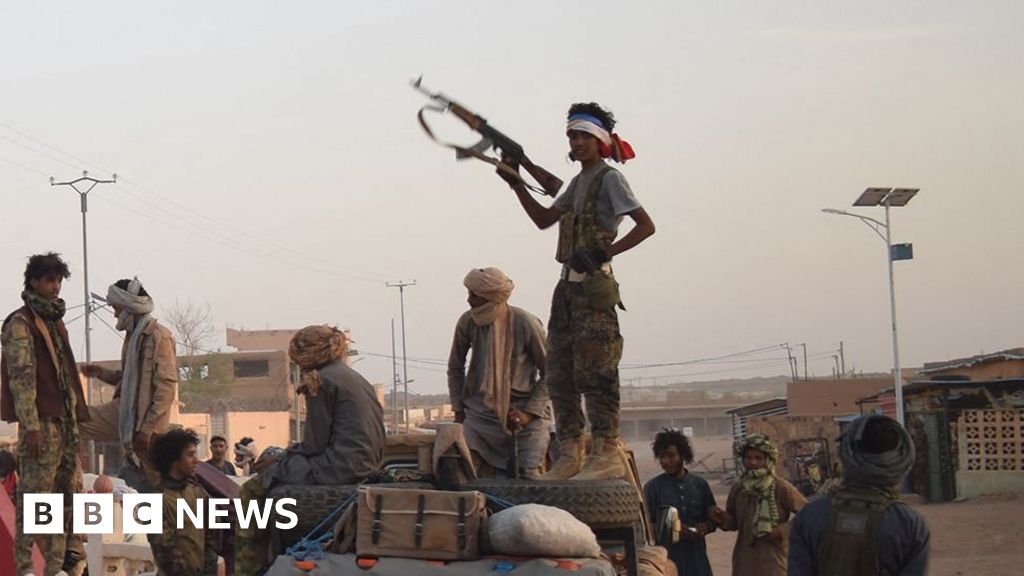
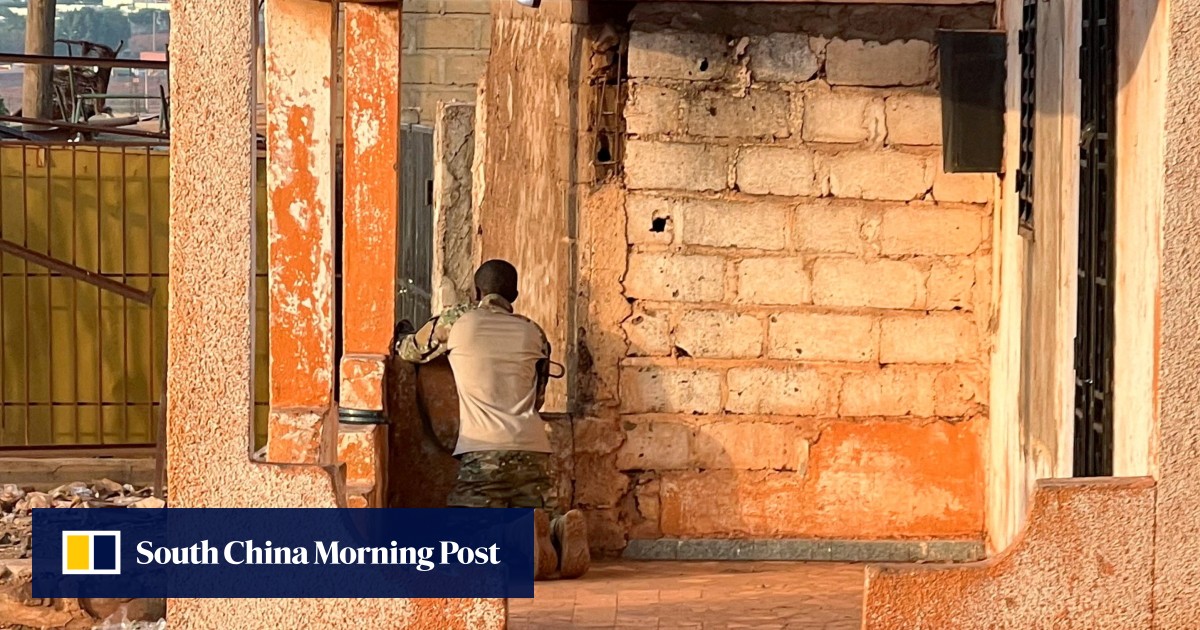
Thirteen years after Operation Serval, Mali is once again facing the threat of jihadists advancing toward power. Since April 25, jihadists from Nusrat al-Islam (JNIM, affiliated with Al-Qaeda) and the northern pro-independence Azawad Liberation Front (ALF) have launched a joint offensive, capturing Kidal and threatening Bamako. The humiliating retreat of Russian mercenaries from Kidal signals Moscow's failure.
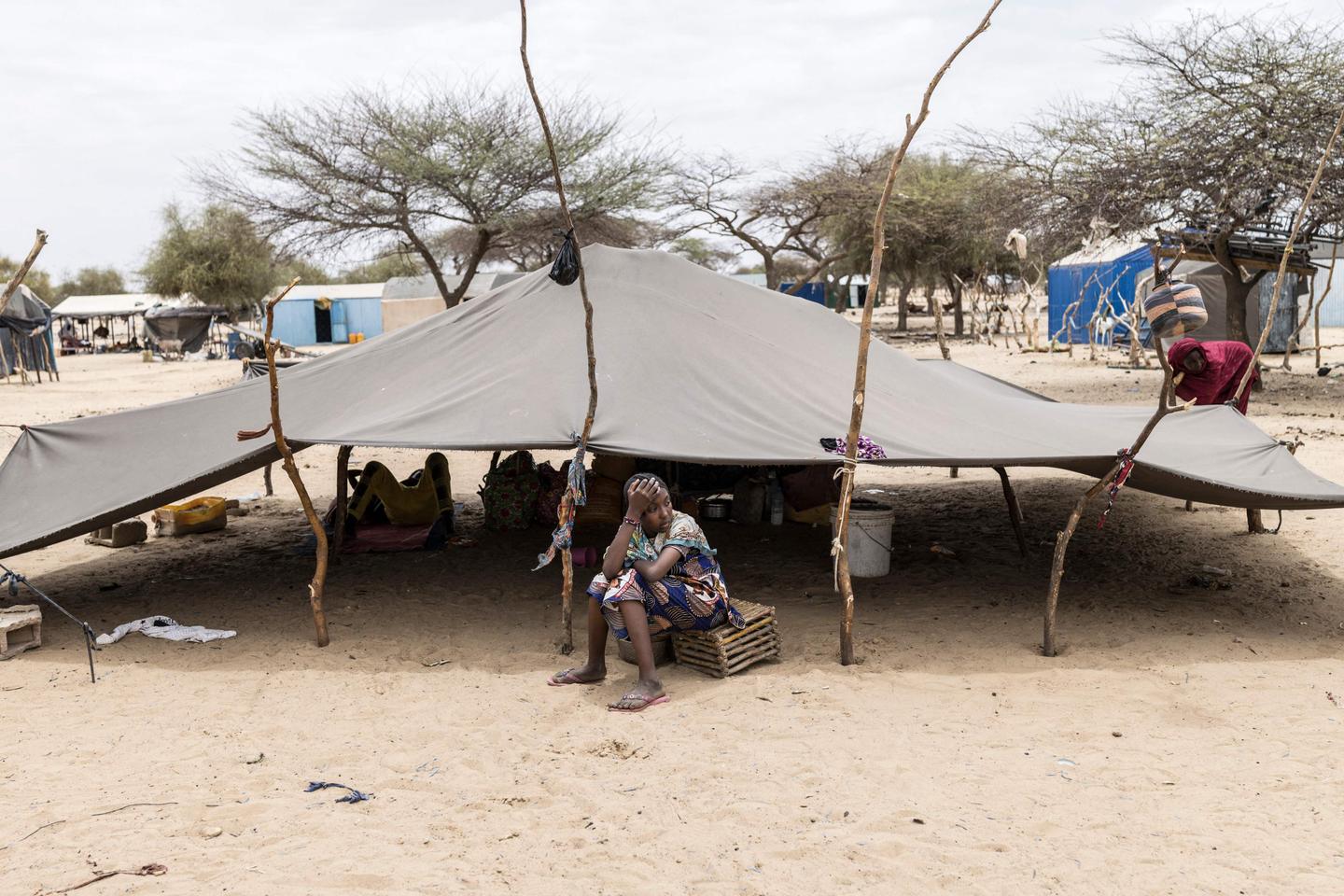
A Malian refugee stands outside a tent in a makeshift camp in Doueinkara (Mali), near the border with Mauritania, on April 18, 2026. PATRICK MEINHARDT/AFP