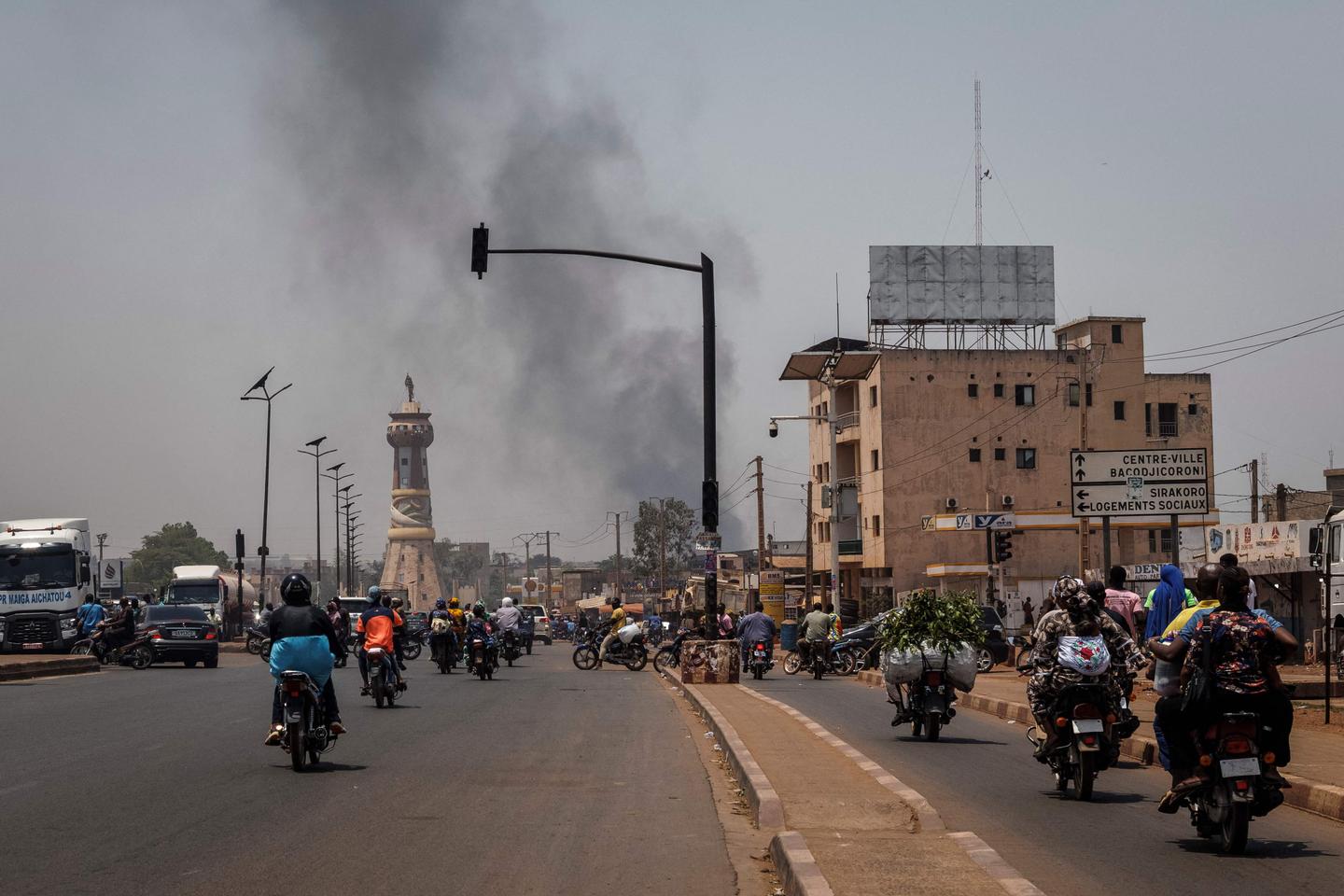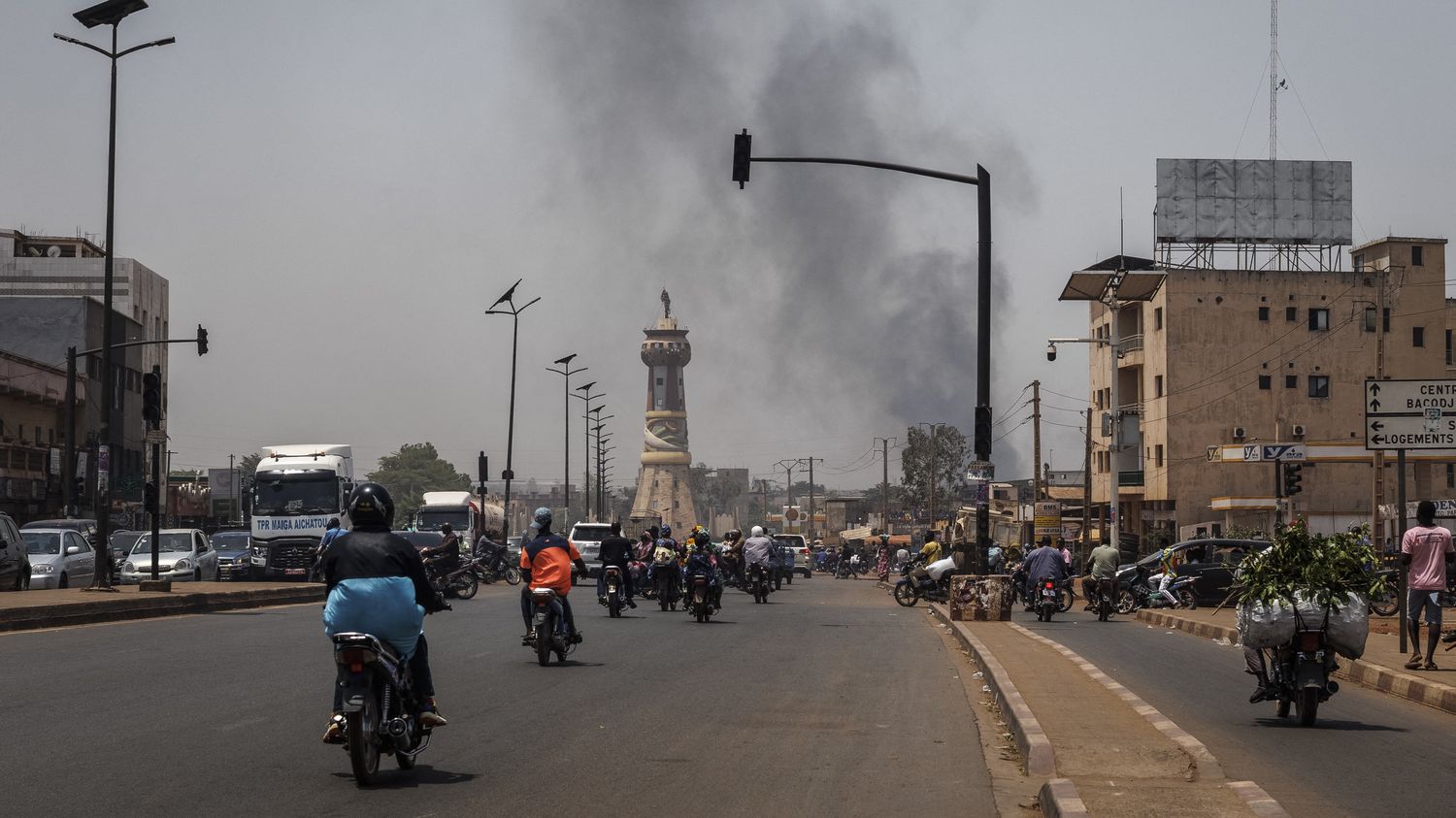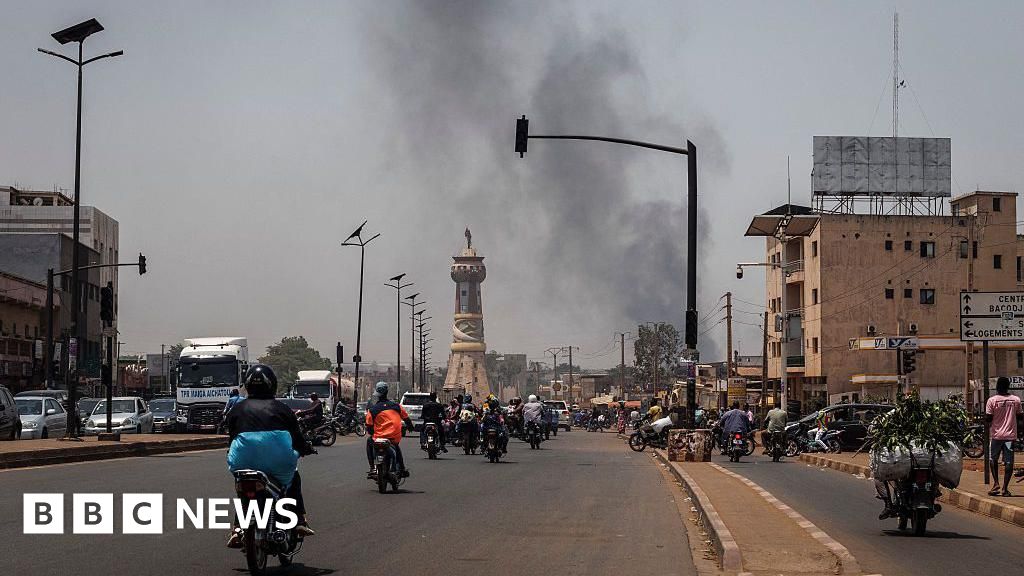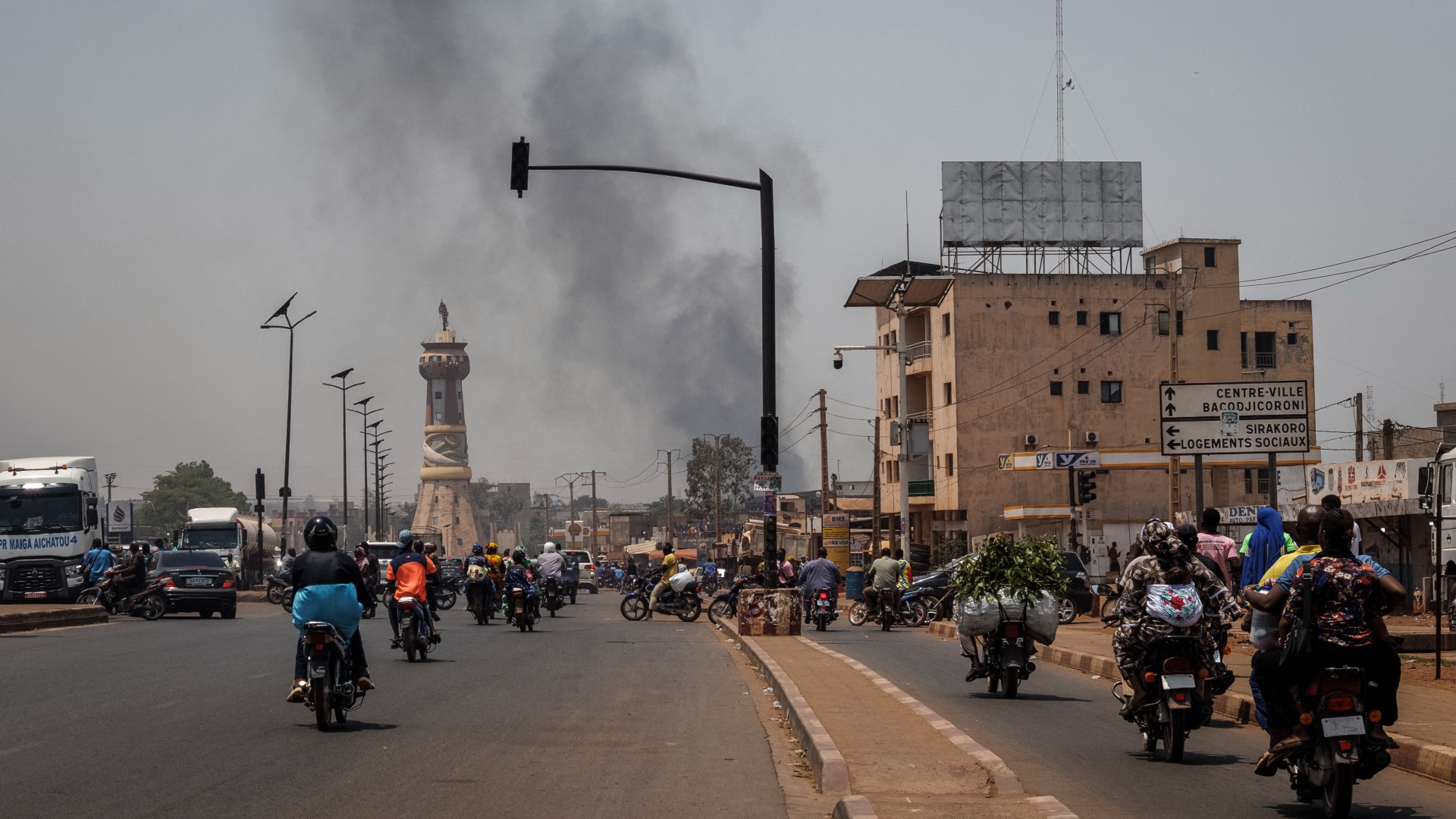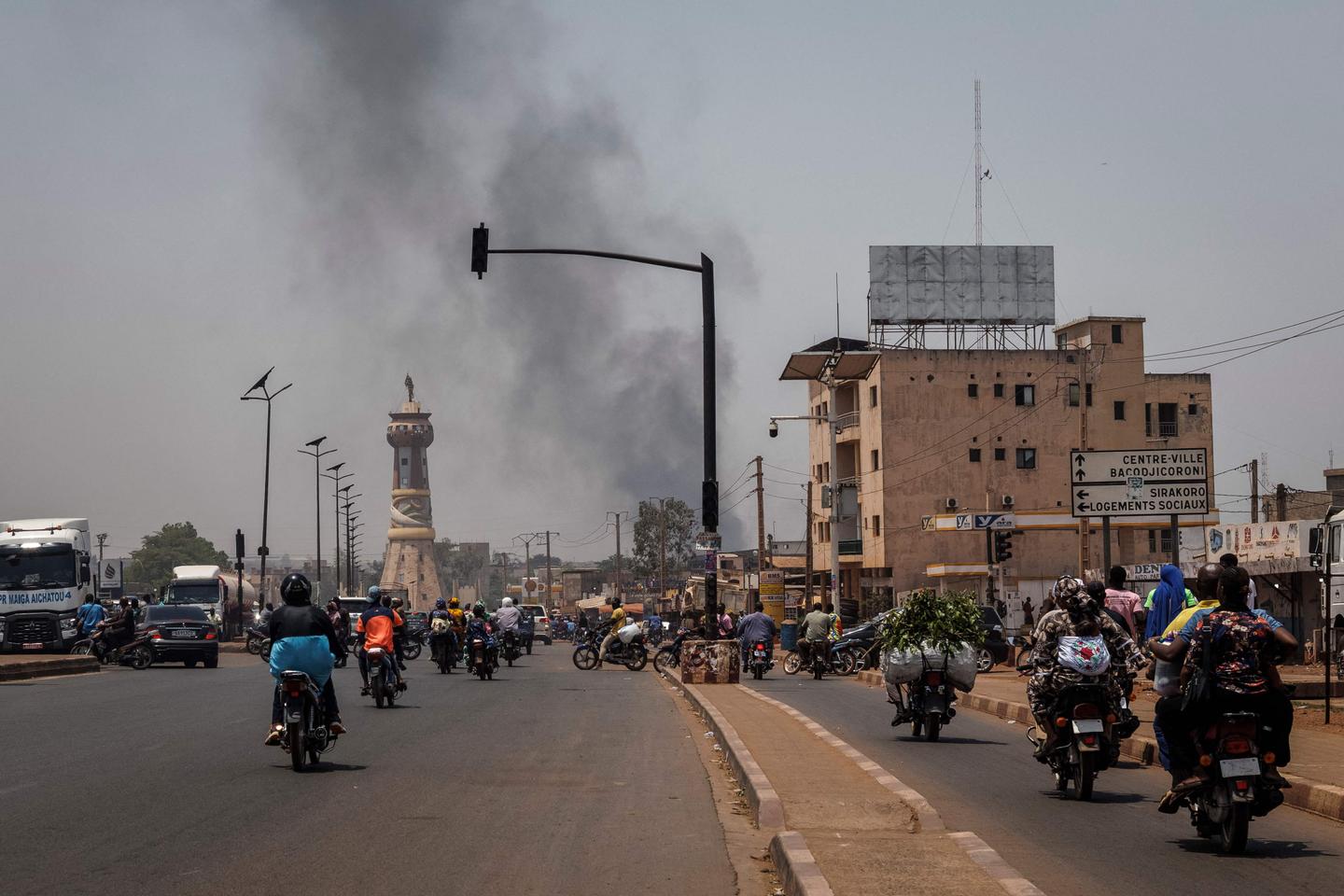
A column of black smoke rises over Bamako, April 26, 2026. AFP
It took three days and two nights for France to issue an official response to the unprecedented jihadist offensive in Mali. An unusually long delay, diplomatically speaking. JNIM (Jama'at Nusrat al-Islam wal-Muslimin, a jihadist alliance linked to Al-Qaeda) and their pro-independence allies from the North attacked several Malian towns on Saturday, April 25, which enabled them to seize Kidal and deeply destabilize the ruling junta. Condemnations poured in.
Russia, which supports the Bamako authorities and has deployed some 2,000 paramilitaries, condemned the attacks, along with the United States. Both expressed their "solidarity" with the Malian people. The African Union and the United Nations were among the major geopolitical players to condemn the attacks by terrorist groups and voice concern over the threat posed to the country.
France's silence prompted increasing questions. On April 27, in a terse statement, France stressed its "concern and solidarity with" the people of Mali. "We are not obliged to comment on everything everywhere," a French diplomat said to justify the Foreign Ministry's delayed reaction.
You have 70.46% of this article left to read. The rest is for subscribers only.