ChiccoDodiFC/Shutterstock
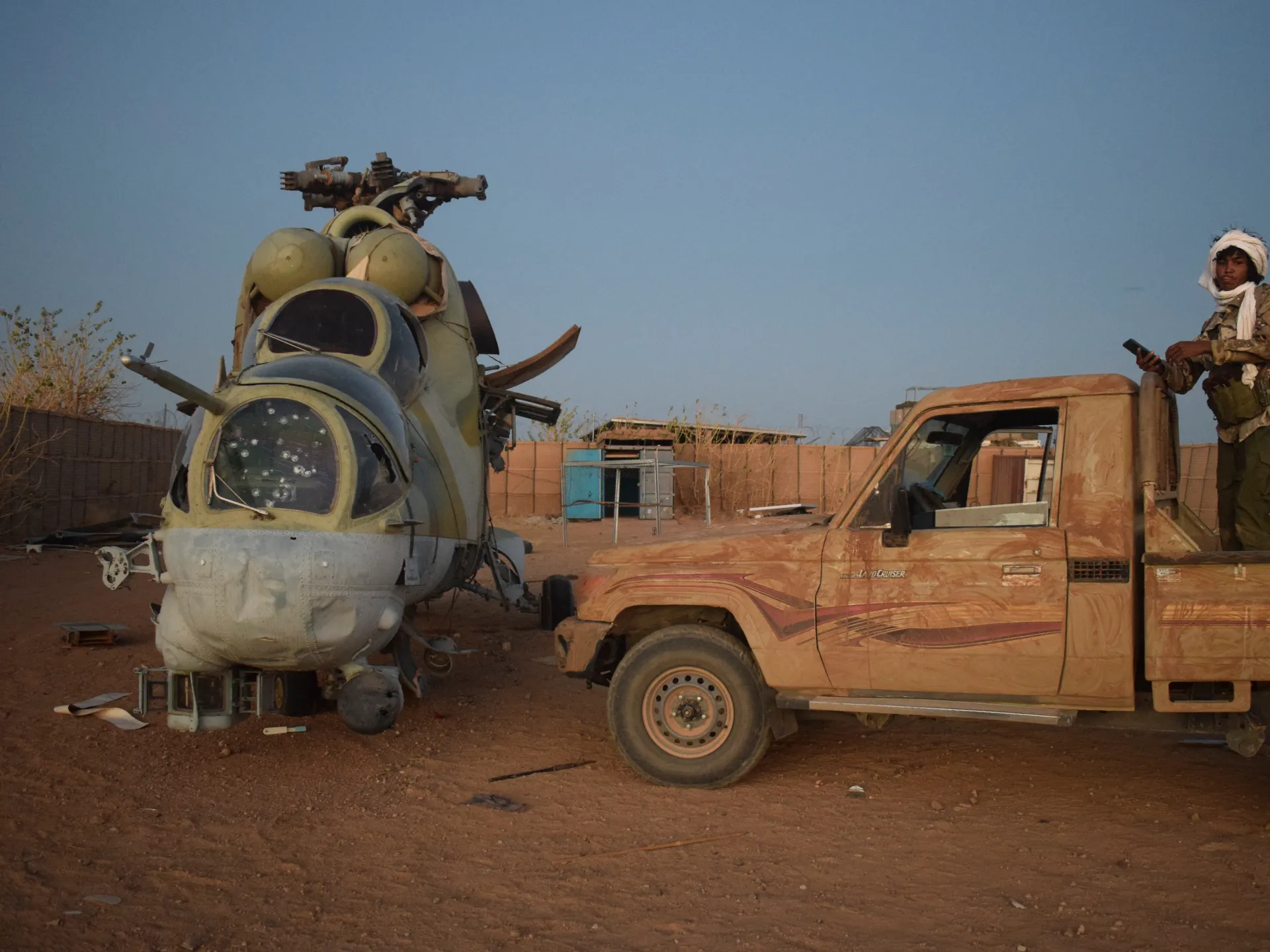
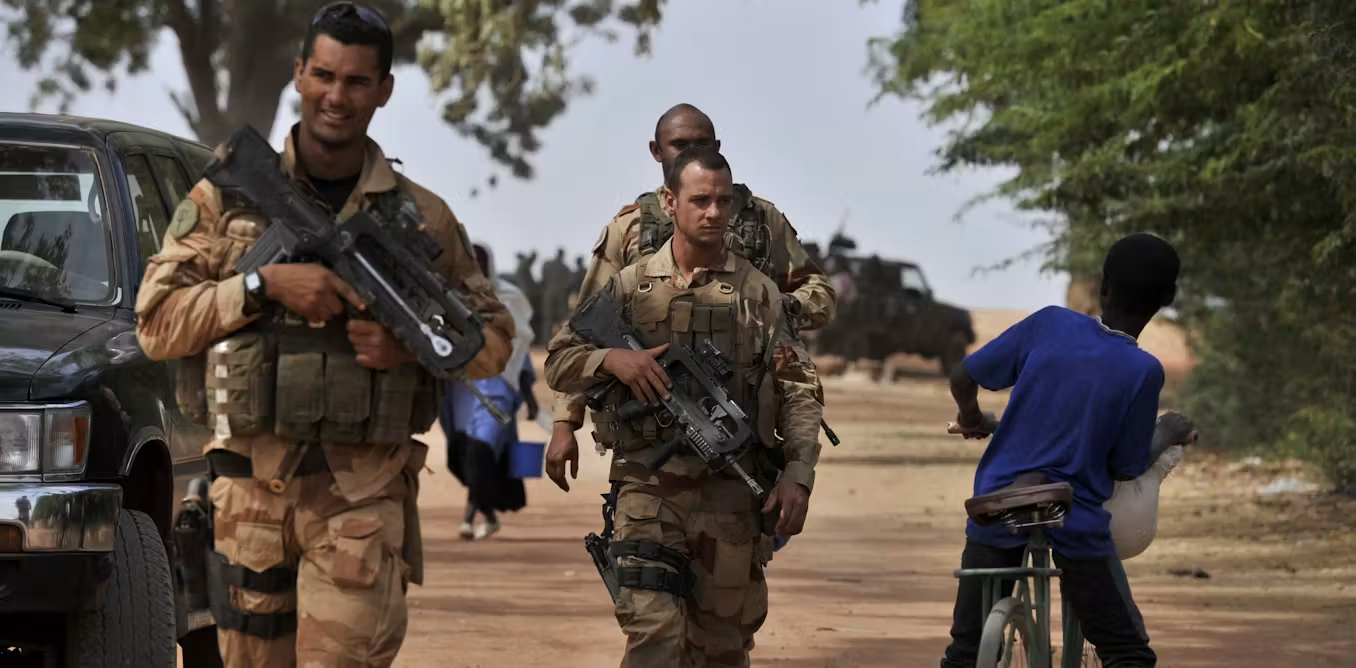
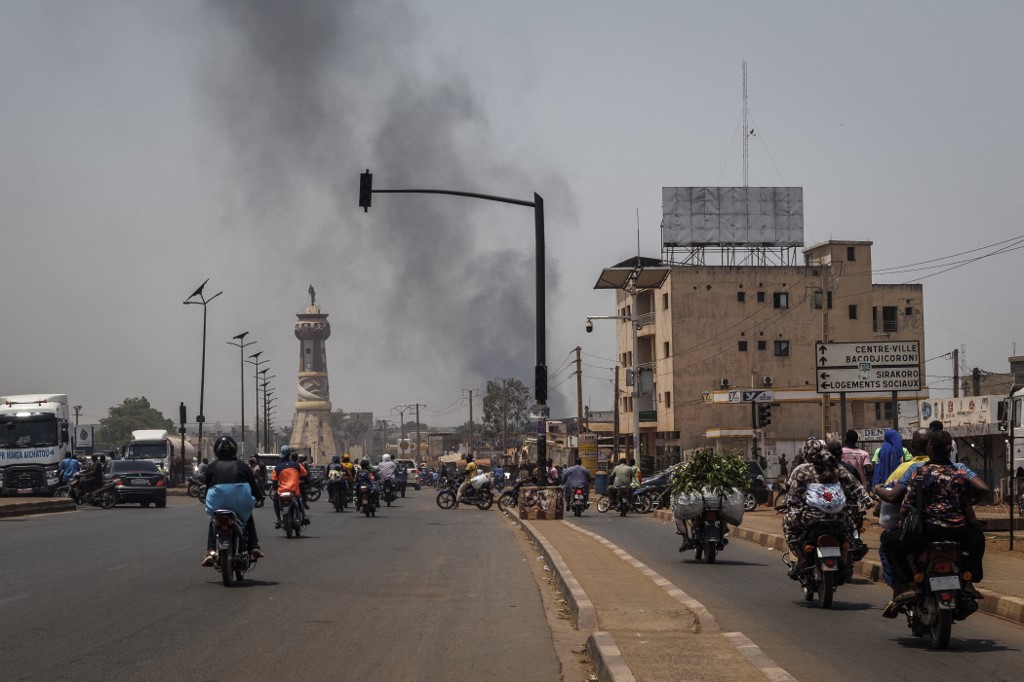
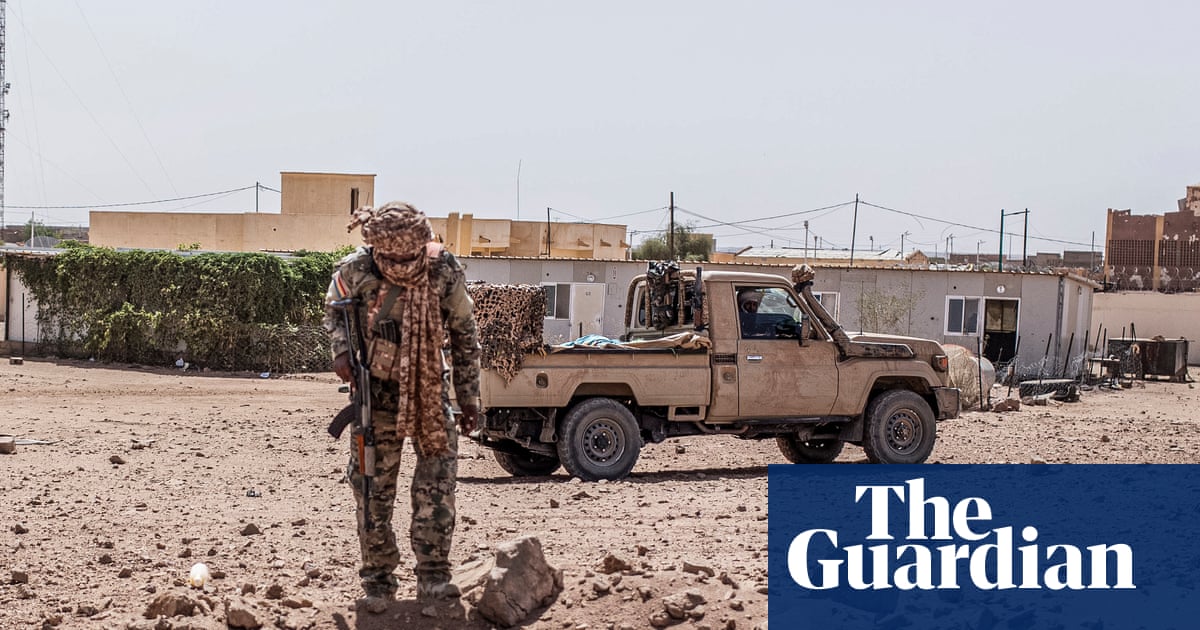
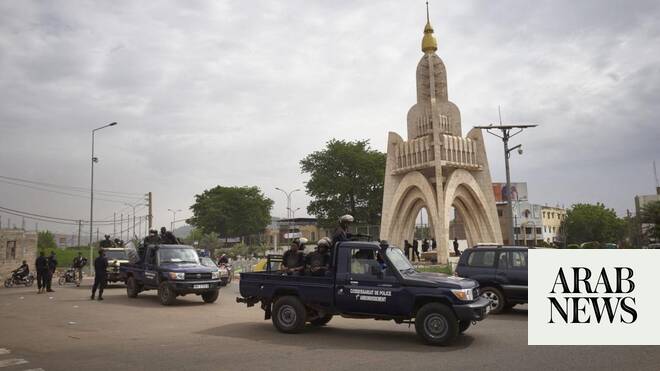
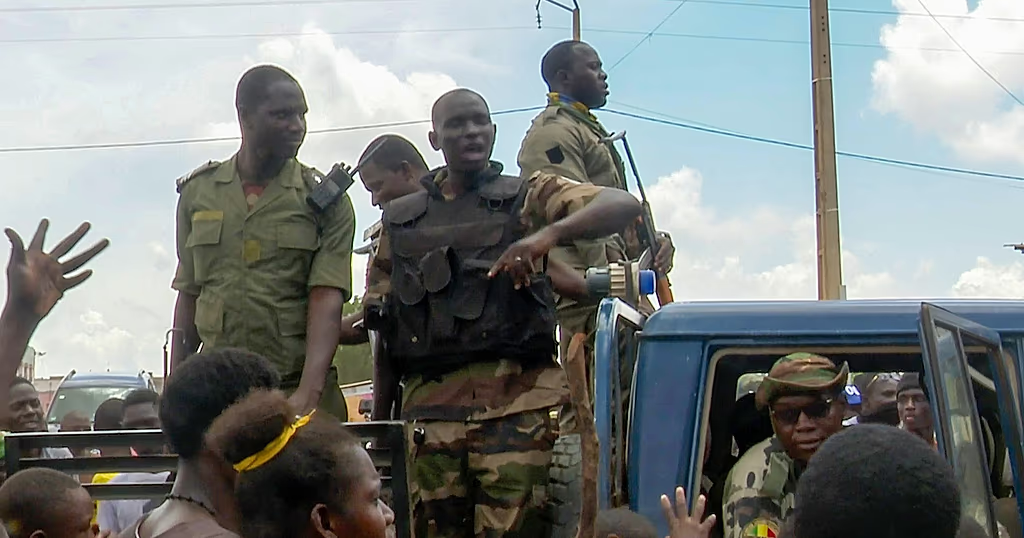
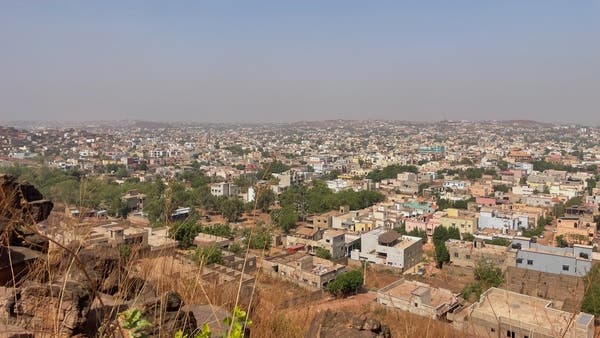
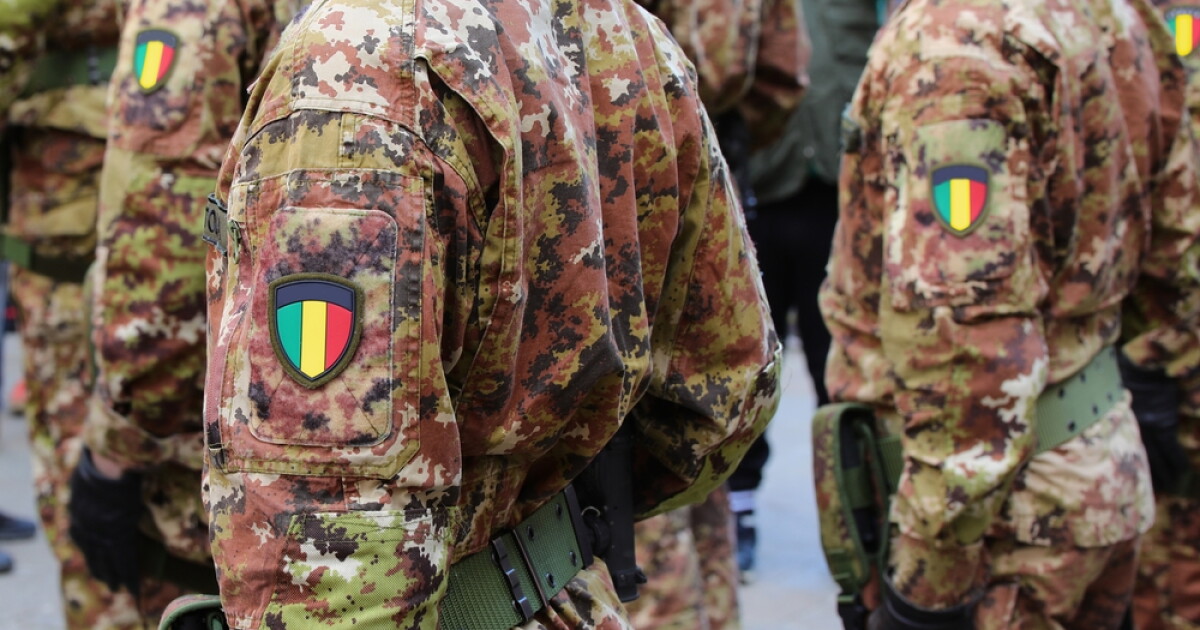
Tuareg insurgents and Islamist militants joined forces late last month to launch a broad-spectrum attack on Mali government forces and their Russian allies. The rebels, estimated to number in the several thousands, killed the Malian Minister of Defense, threatened government forces in several cities and towns (including the capital Bamako) and drove the Malian Army and the Russian Africa Corps garrison from the strategic northern city of Kidal. Since then, Malian forces and their Russian allies, backed by airpower, have dealt punishing blows against the rebel forces, reportedly killing large numbers of fighters and destroying significant quantities of vehicles and military equipment. Kidal, however, remains in rebel hands. A fundamental question has arisen, namely whether this action represents part of the ongoing independence-minded actions by the Tuareg people that have occurred in this part of the Sahel for decades, or whether the world is witnessing a new front in the ongoing “war by proxy” that the West and Russia have been engaged in since the collapse of the Soviet Union, or a mixture of the two.Rebellion Is the Natural StateThe Tuareg are a fiercely independent people who are at the center of independence movements throughout the Maghreb and Sahel — inclusive of Mali. The Tuareg Revolt of 1916-17 was one of several major uprisings by the Tuareg of Mali and Niger against French colonial rule. The failure of this revolt, and of the Tuareg Rebellion of 1962-64, which occurred shortly after Mali became independent from France in 1960, led to the displacement of many Tuareg from northern Mali and Niger to Algeria and Libya. The Tuareg began returning to their ancestral lands in the late 1980s and early 1990s, only to coalesce into yet another rebellion in 2006-07 centered on northern Niger and northeastern Mali which, for the first time, saw rebel forces seek to interfere with the strategic uranium mining operations critical to French national security taking place in northern Niger. After Libyan intervention, and splits within Tuareg leadership, many Tuareg fighters relocated to Libya as a result, where they were incorporated into the ranks of the Libyan military.Enter Al-QaedaThe toppling of Libyan leader Muammar Qaddafi in the 2011 revolution and civil war that followed, however, caused many of the Tuareg living there to return to Niger and Mali where, armed with weapons taken from Libya, many organized themselves under the banner of the National Movement for the Liberation of Azawad (MNLA), and began preparing for a new war of liberation against the French-backed government in Mali. The MNLA made common cause with Al-Qaeda in the Islamic Maghreb (Aqim). In 2012 the combined MNLA-Aqim forces launched an offensive designed to overthrow the Malian government. After seizing the strategic northern Malian city of Kidal, the rebels began advancing on the Malian capital of Bamako. It was at this juncture that Aqim sidelined the secular MNLA and took over leadership of the revolt.The threat of Aqim jihadists seizing control of Mali prompted the government of France to intervene militarily in January 2013 in support of the Malian government. The French strategy focused on destroying the Islamist forces while seeking a political reconciliation with the secular MNLA in hopes of creating region-wide stability that would transfer over into neighboring Niger, where Tuareg and Islamist rebels continued to threaten the French-controlled uranium mines. To achieve this, the French allowed the MNLA to retain significant influence in Kidal, while at times limiting the Malian Army from fully reoccupying the city, while every effort was made to destroy the Islamist forces threatening Bamako.While the French were successful in pushing back Aqim and allied jihadist forces, their approach, which hinged on installing a French-aligned government and continued MNLA influence in Kidal, alienated many in the Malian Army. This resentment was shared by factions within the Niger military as well, who viewed the French intervention not as a sign of support, but rather a continuation of neocolonial policies designed to sustain French influence in its former African colonies that had manifested themselves under the banner of “Francafrique.”Enter RussiaAnti-French sentiment in the Sahel led to a series of military coups, which, in quick succession, saw the governments of Mali, Burkina Faso and Niger replaced by independent-minded juntas. While governments may change, the threat posed by Islamist militants in the Sahel did not, and these new military juntas soon found themselves searching for a partner who could replace France when it came to the provision of military assistance capable of prevailing on the battlefield. Into this vacuum stepped Wagner, a Russian private military company (PMC) with close ties to the Russian government. Formed in 2014 during the conflict in eastern Ukraine, Wagner expanded the scope and scale of its activities, becoming involved in fighting in Syria, Libya, the Central African Republic and Mozambique.Wagner forces were invited into Mali by the military junta in 2021, and by 2023, Wagner helped spearhead an offensive by the Malian Army that recaptured Kidal and much of northern Mali that had been virtually ceded to the MNLA by France. The defeat of the MNLA in Kidal led to the dissolution of that organization, and the emergence of a new Tuareg independence movement, the Azawad Liberation Front (FLA). The military junta in Mali accused France of playing a leading role in the creation of the FLA as part of a concerted strategy to undermine the anti-French governments in Mali, Niger and Burkina Faso and contain the influence of Russia. France has denied destabilizing involvement in the region.The 2023 revolt by Wagner in Russia led to the dissolution of Wagner as a PMC and its reincorporation as a Russian Ministry of Defense-controlled entity known as the Africa Corps. The Africa Corps became ensconced in the former French territories of Mali, Burkina Faso and Niger. Russian influence expanded to the point that Russia began acquiring tons of natural uranium that had been extracted from the former French uranium mines of northern Niger, although the extent and strategic significance of these transfers remains disputed. In 2024, Malian and Russian officials accused foreign powers, including Ukraine, of supporting anti-Russian armed groups in the Sahel — although conclusive public evidence has not emerged.The April 2026 offensive in Mali was designed to inflict a mortal blow not only to the anti-French government in Mali, but also its Russian Africa Corps allies. In many ways, the 2026 offensive mirrors the failed offensive of 2012-13, both in terms of the composition of rebel forces and probable outcomes. What separates this new offensive from previous Tuareg-inspired rebellions is the infusion of global geopolitics, with Russia increasingly portraying the conflict as part of a wider geopolitical confrontation with Western powers and Ukraine, even as the rebellion also reflects longstanding local Tuareg grievances and jihadist insurgency dynamics.Scott Ritter is a former US Marine Corps intelligence officer whose service over a 20-plus-year career included tours of duty in the former Soviet Union implementing arms control agreements, serving on the staff of US General Norman Schwarzkopf during the Gulf War and later as a chief weapons inspector with the UN in Iraq from 1991-98. The views expressed in this article are those of the author.