adsPerhaps understandably, Nigeria’s attention is consumed by the politics of 2027, personal safety, economic issues and the daily grind of survival. Yet precisely because the country is under pressure on so many fronts, it must not treat the widening Ebola crisis as a distant Central African problem or an inconvenient public health distraction. Ebola is a national security issue.
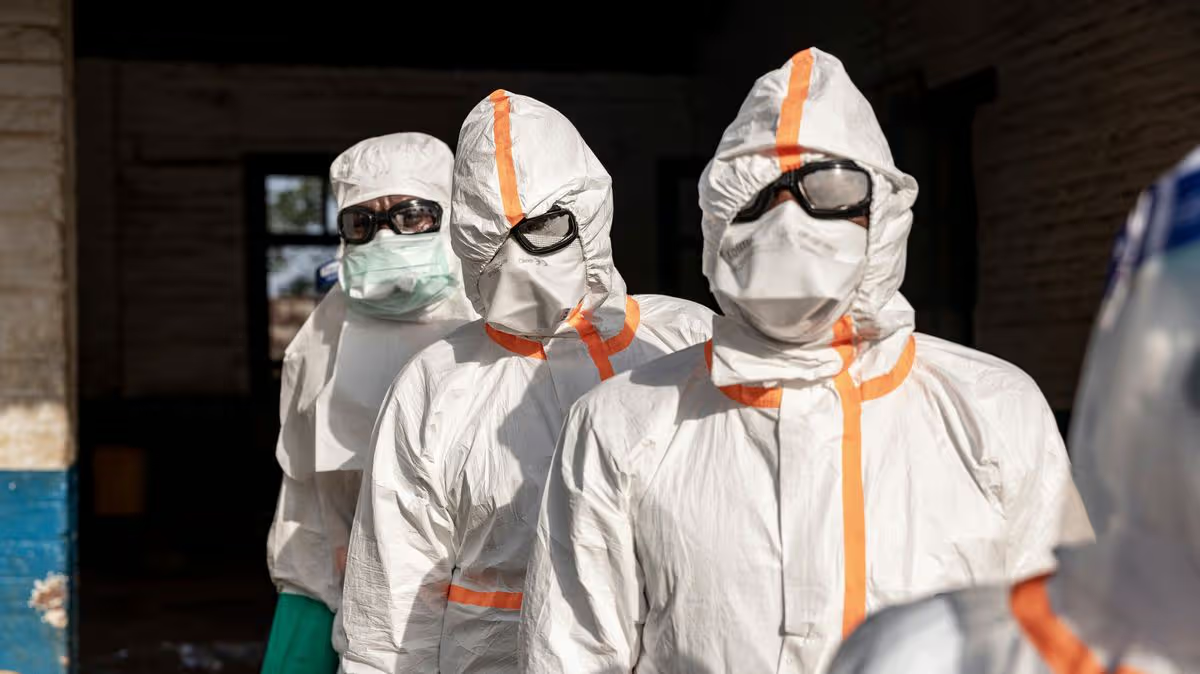
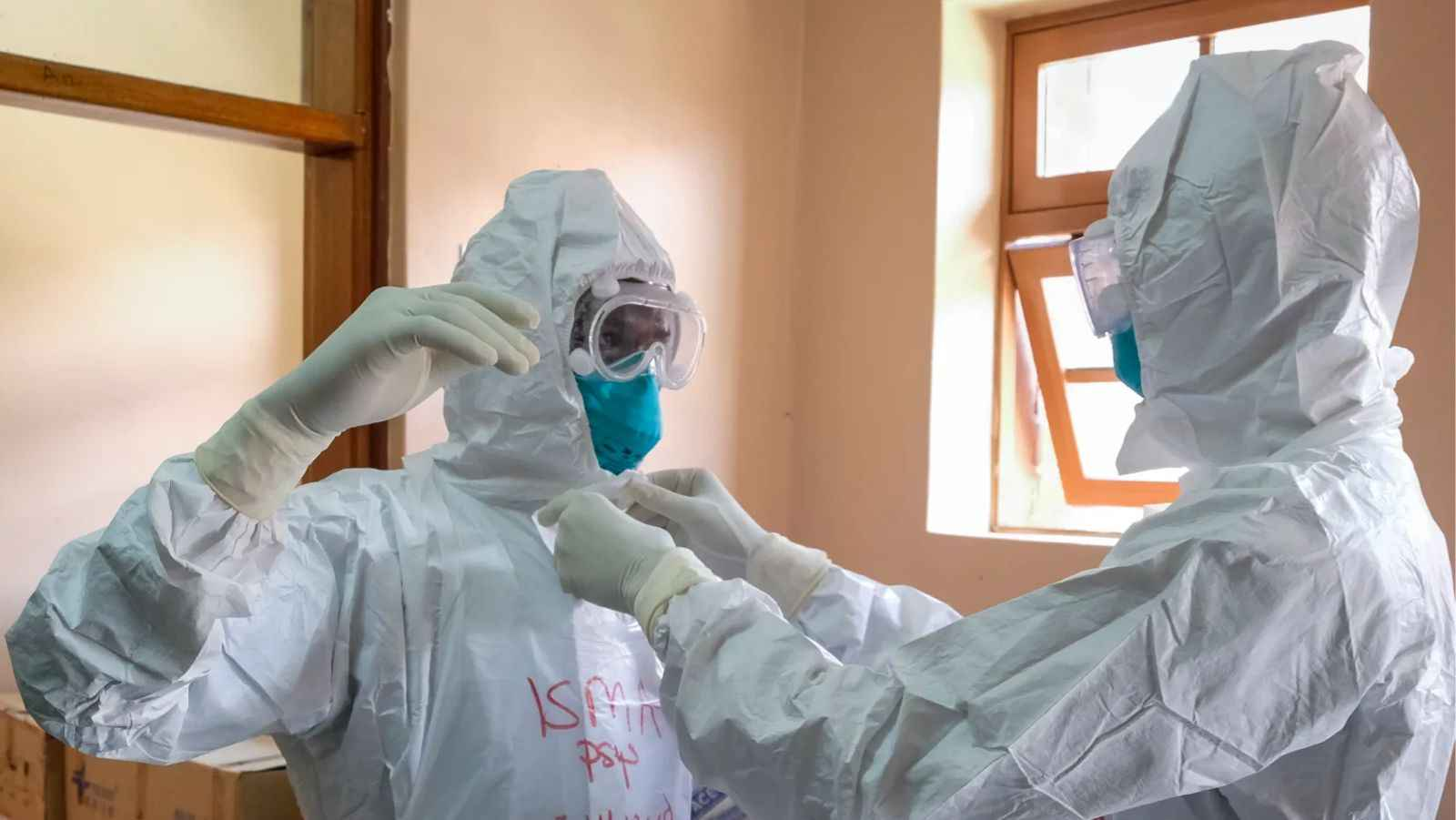
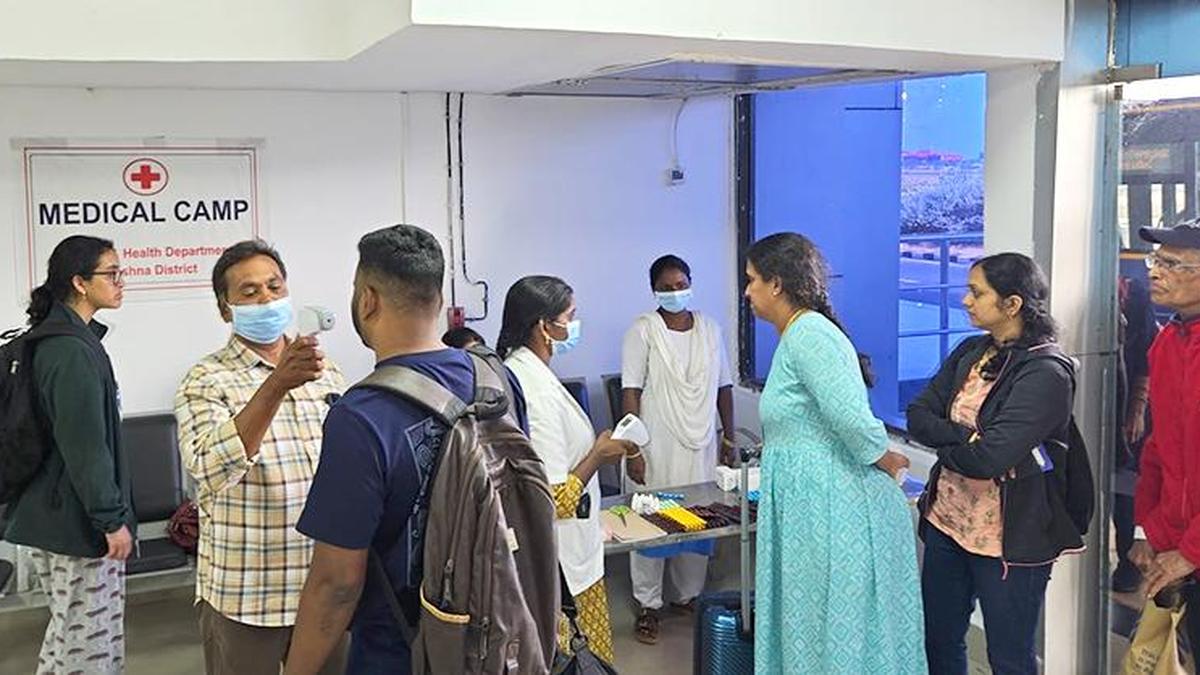
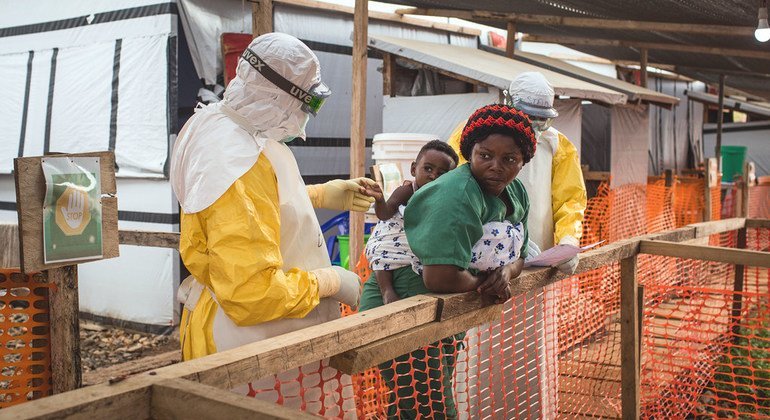
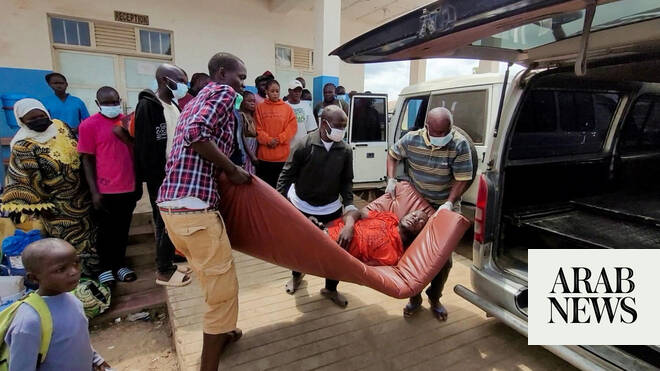
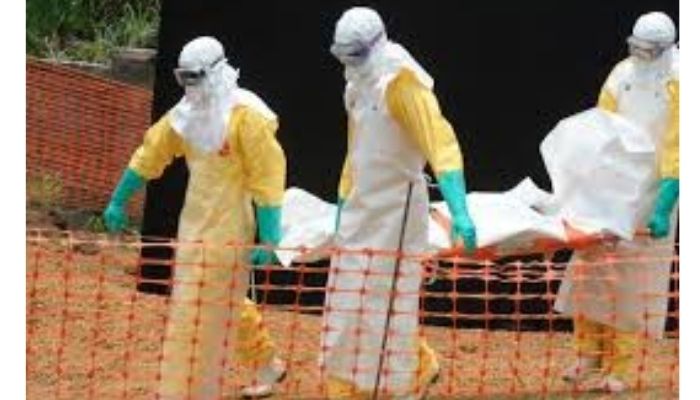
The World Health Organisation (WHO) has declared the current Ebola outbreak in the Democratic Republic of Congo and Uganda a Public Health Emergency of International Concern. Nigeria currently has no confirmed case, and the NCDC has activated emergency preparedness and heightened surveillance. This is welcome, but we pray it is only the beginning. Ebola’s average case fatality rate is around 50 percent, with past outbreaks ranging from 25 to 90 percent. It spreads through direct contact with blood, body fluids, secretions, organs and contaminated materials. It is not a disease to be managed by hope.
Nigeria sits in Africa’s trigger, the strategic and extremely vulnerable borderline between West Africa and Central Africa. It is a trans-continental crossroads. People, goods, informal traders, displaced persons, students, business travellers, pilgrims and security threats move across its borders every day. A public health threat in Central Africa can become a West African emergency quite rapidly if surveillance, information-sharing and border health controls are weak.