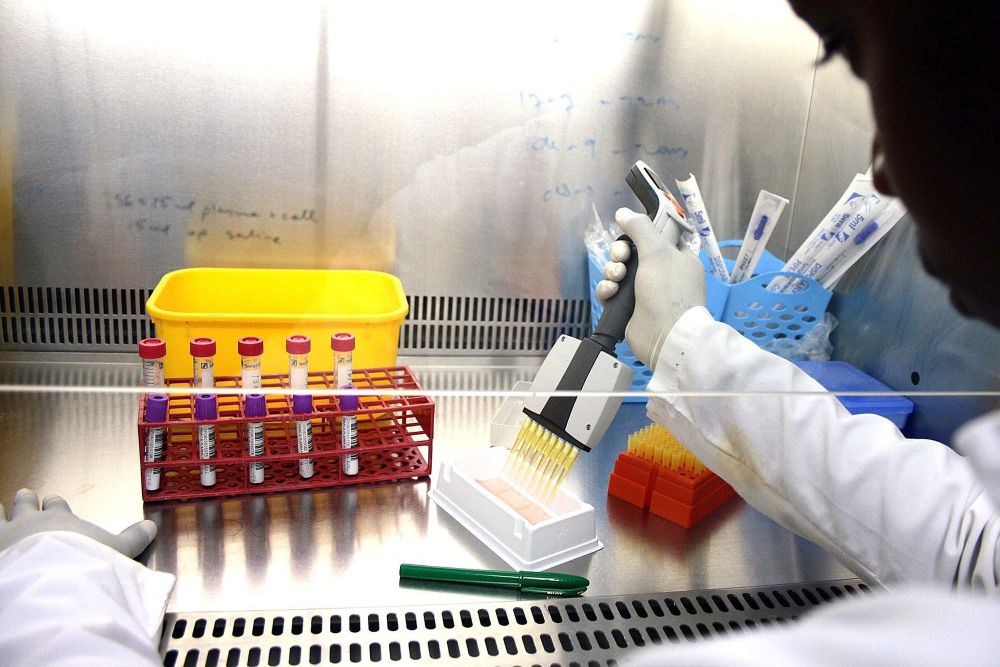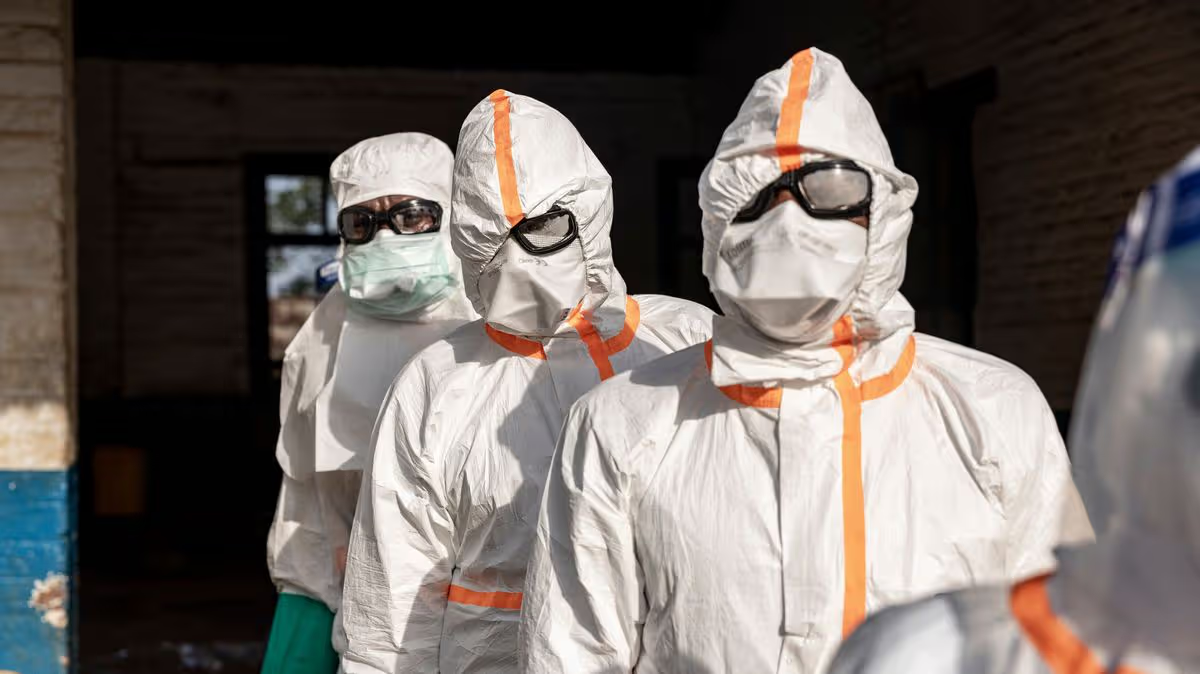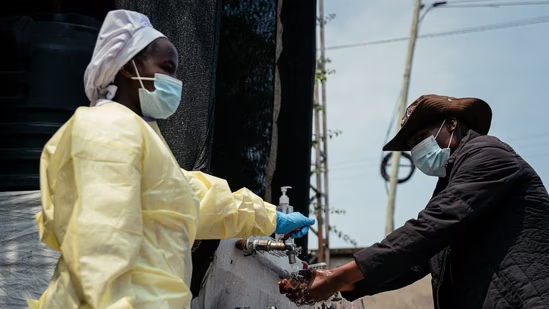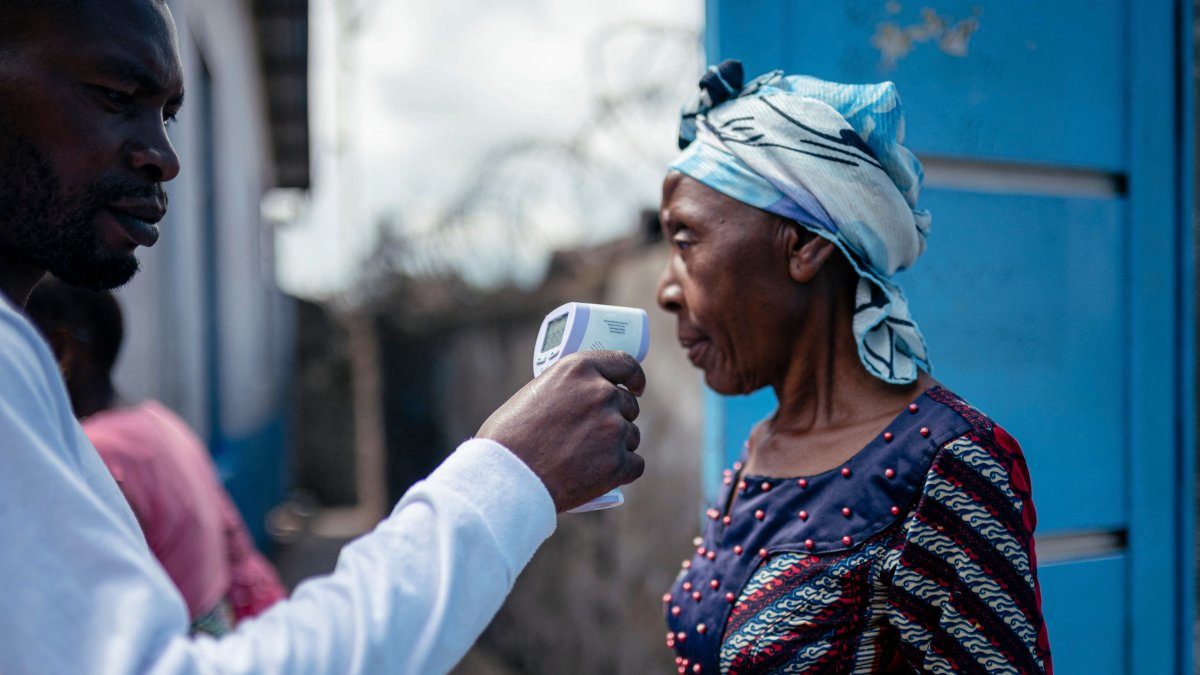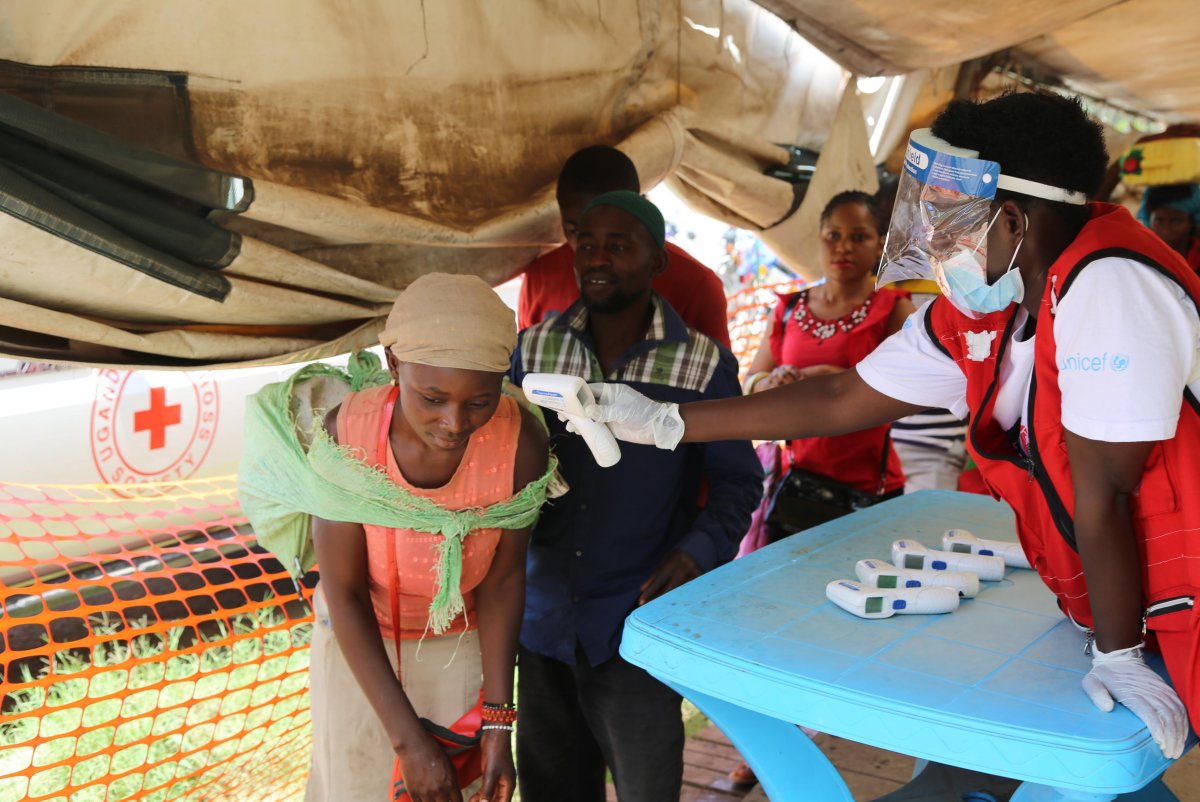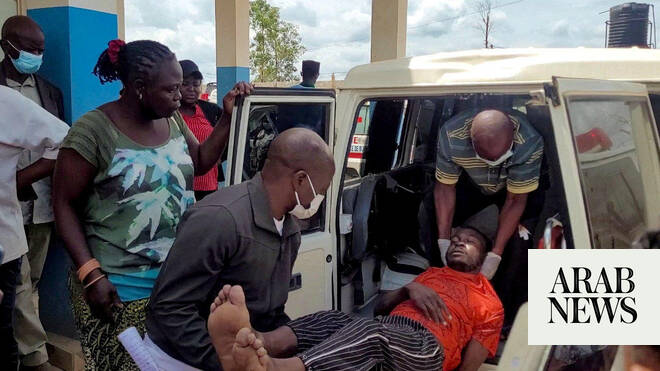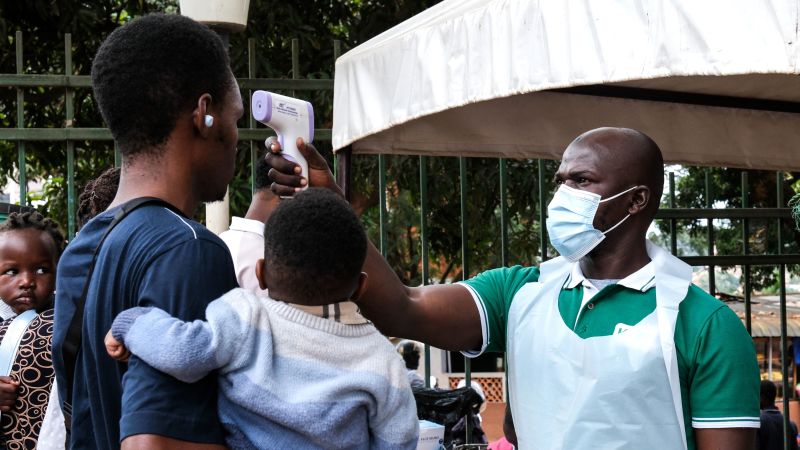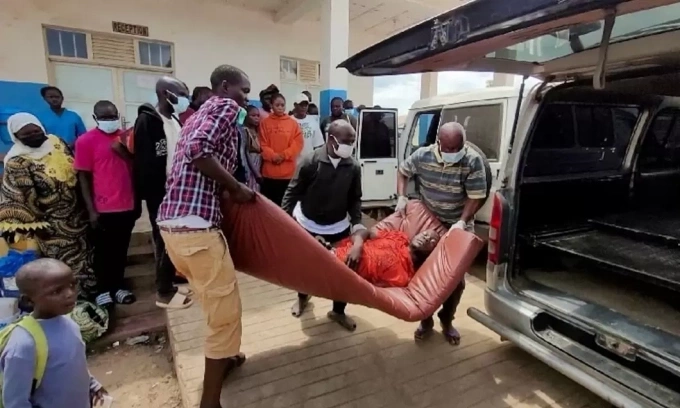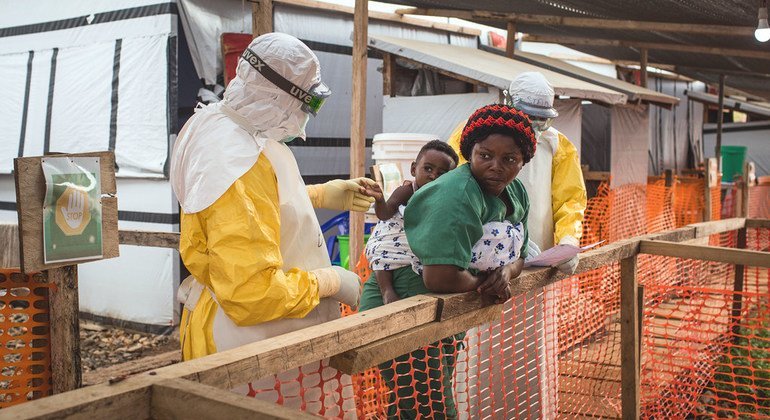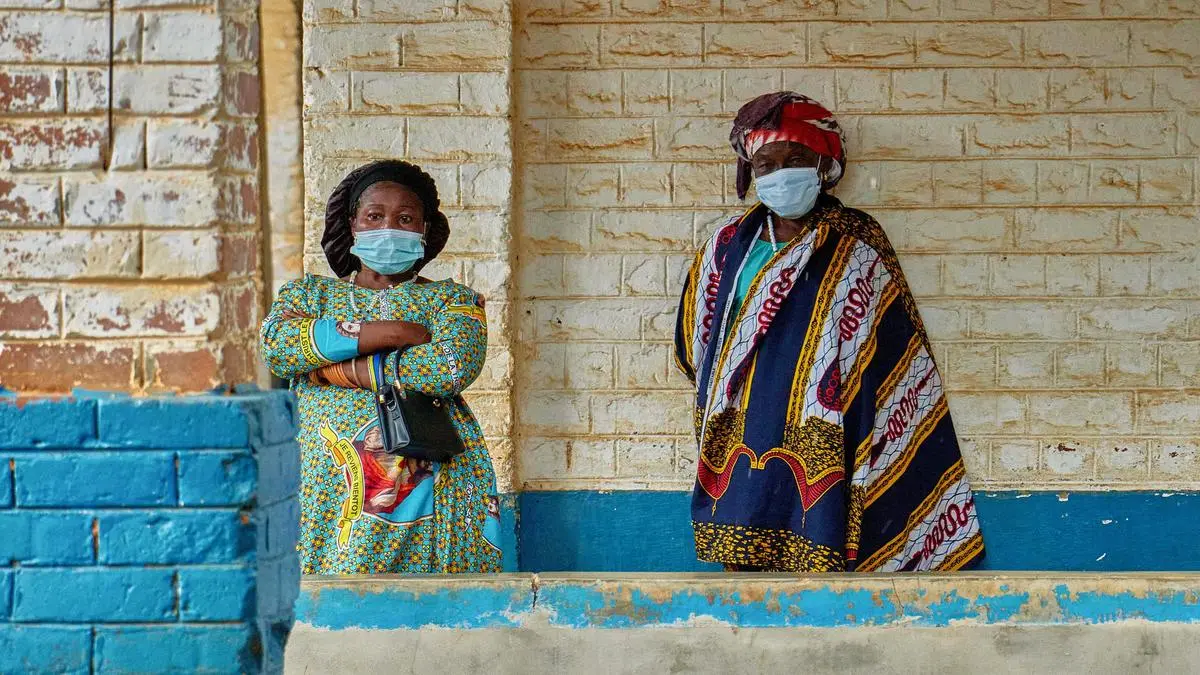
People wait to be attended at the Mongbwalu General Referral Hospital, as aid agencies intensify efforts to contain an Ebola outbreak caused by the Bundibugyo virus in Mongbwalu, Democratic Republic of Congo
| Photo Credit:
REUTERS/Gradel Muyisa Mumbere
The outbreak of Ebola in the Democratic Republic of Congo (DRC) and Uganda resulted in the World Health Organization (WHO) calling it a Public Health Emergency of International Concern (PHEIC) — the highest level of alarm from the UN health agency.The Africa Centres for Disease Control and Prevention (Africa CDC) have also declared a Public Health Emergency of Continental Security. And, the Indian government has now urged citizens to avoid unnecessary travel to high-risk regions like Democratic Republic of Congo (DRC), Uganda and South Sudan.Ebola’s outbreak comes even as the Covid-19 pandemic remains a recent memory.What do we know about Ebola?Three different viruses are known to cause Ebola disease outbreaks — Ebola virus, Sudan virus and Bundibugyo virus, according to the WHO. The disease is severe, often fatal in humans — with the average case fatality rate being around 50 percent.First reports of the Ebola disease are from 1976 — two simultaneous outbreaks — Sudan virus disease in what is now South Sudan; and Ebola virus disease in DRC. The latter occurred in a village near the Ebola River, thus the name.International health administrators are worried at the speed of the spread, exacerbated by, among other things, weak health infrastructure, reduced US funding and conflict in some regions. According to the WHO, as of May 21, 82 cases were confirmed in DRC — the ground-zero of the Ebola outbreak — with seven confirmed deaths. There are almost 750 suspected cases and 177 suspected deaths. Uganda reported two confirmed cases in people who travelled from DRC, with one death, the health agency said.How does the Ebola virus spread?The zoonotic virus (from an animal) spreads between people through direct contact — from broken skin or mucous membranes; blood or body fluids of a sick person or one who has died from Ebola disease; from objects or surfaces that have been contaminated with body fluids (like blood etc). Health care workers often get infected while treating patients with Ebola disease — if infection control measures are inadequate. People cannot transmit the virus before they have symptoms, but they remain infectious as long as their blood contains the virus. As a result, burial ceremonies involving direct contact with the body of a person who has died can also contribute to the transmission of Ebola disease, the WHO said.What does the PHEIC mean? Does it mean the world faces another pandemic?On May 17th, 2026, WHO said that the Ebola disease caused by the Bundibugyo virus in DRC and Uganda constitutes a PHEIC, but stopped short of calling it a global pandemic, as it did not meet the criteria of the International Health Regulations (2005). The definition calls for an international coordinated response, to an outbreak presently reported locally in Africa.Has India reported Ebola in the past, is the country at risk?India has not reported an Ebola case this time, or during previous outbreaks, said Union Health Ministry representatives.What measures is the Indian government taking?The Centre, on Sunday, urged citizens to avoid non-essential travel to Ebola-affected regions. This follows an earlier advisory calling for the screening of travellers from these high-risk regions. Passengers showing symptoms even 21 days after travel have been asked to contact local health authorities.What are the symptoms and treatment?Symptoms include fever, fatigue, muscle pain, headache and sore throat. It can be followed by vomiting, diarrhoea, rash, internal and external bleeding.The WHO chief recently said, unlike previous Ebola outbreaks, caused by Zaire virus, this outbreak from the Bundibugyo virus has no approved vaccines or therapeutics. Those infected are isolated and given supportive treatment to address the symptoms.More Like ThisPublished on May 24, 2026