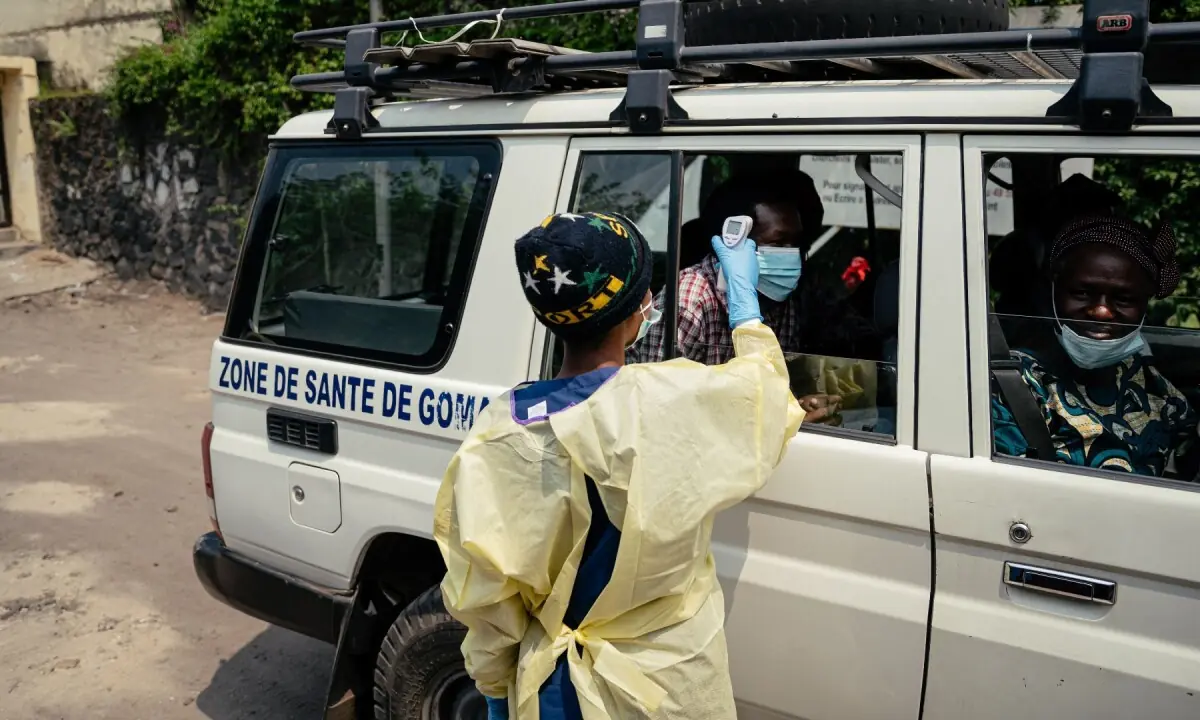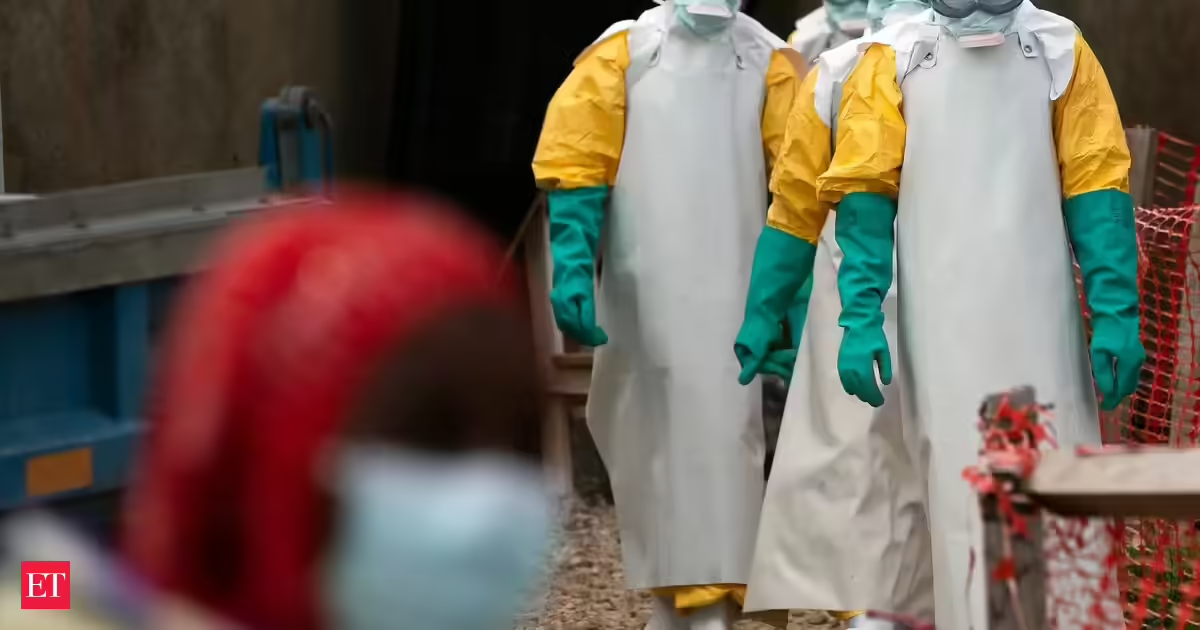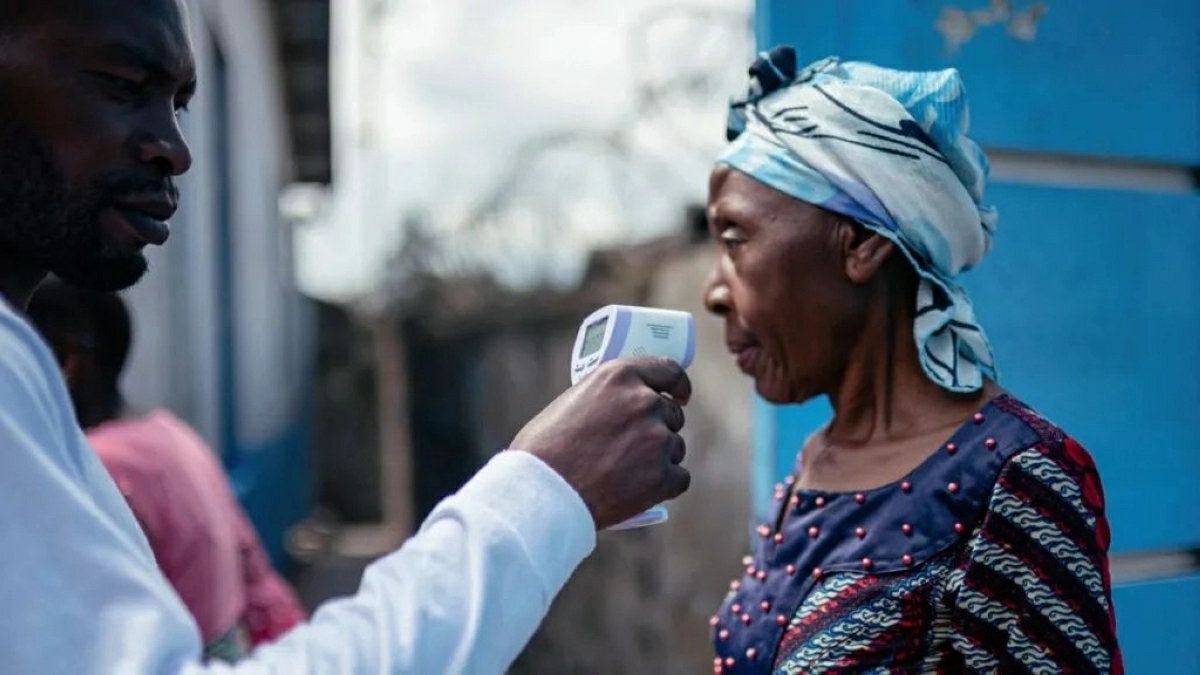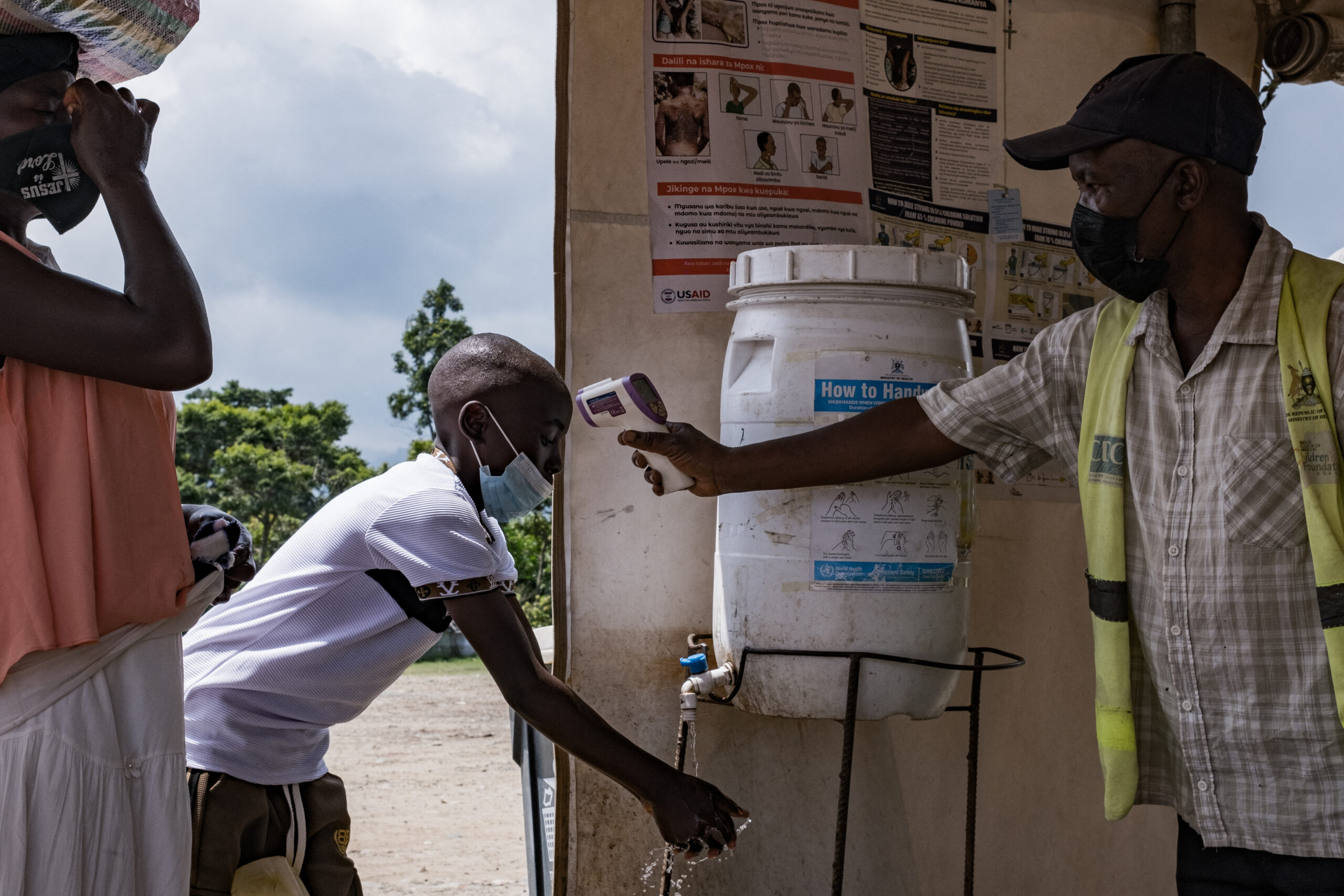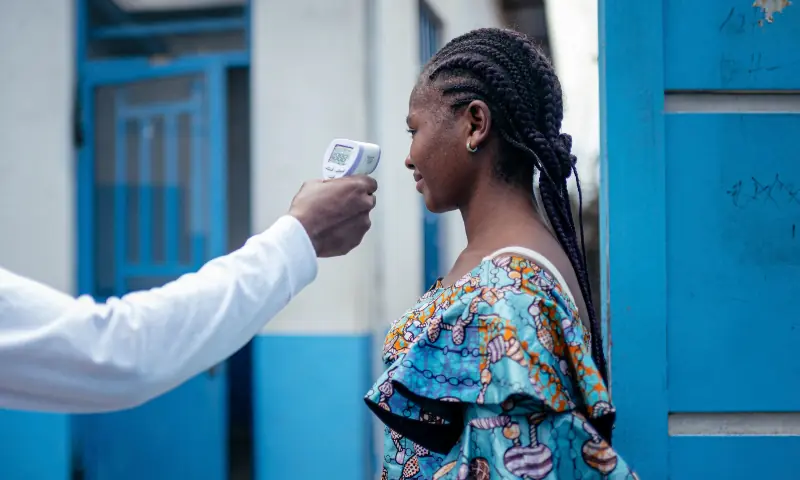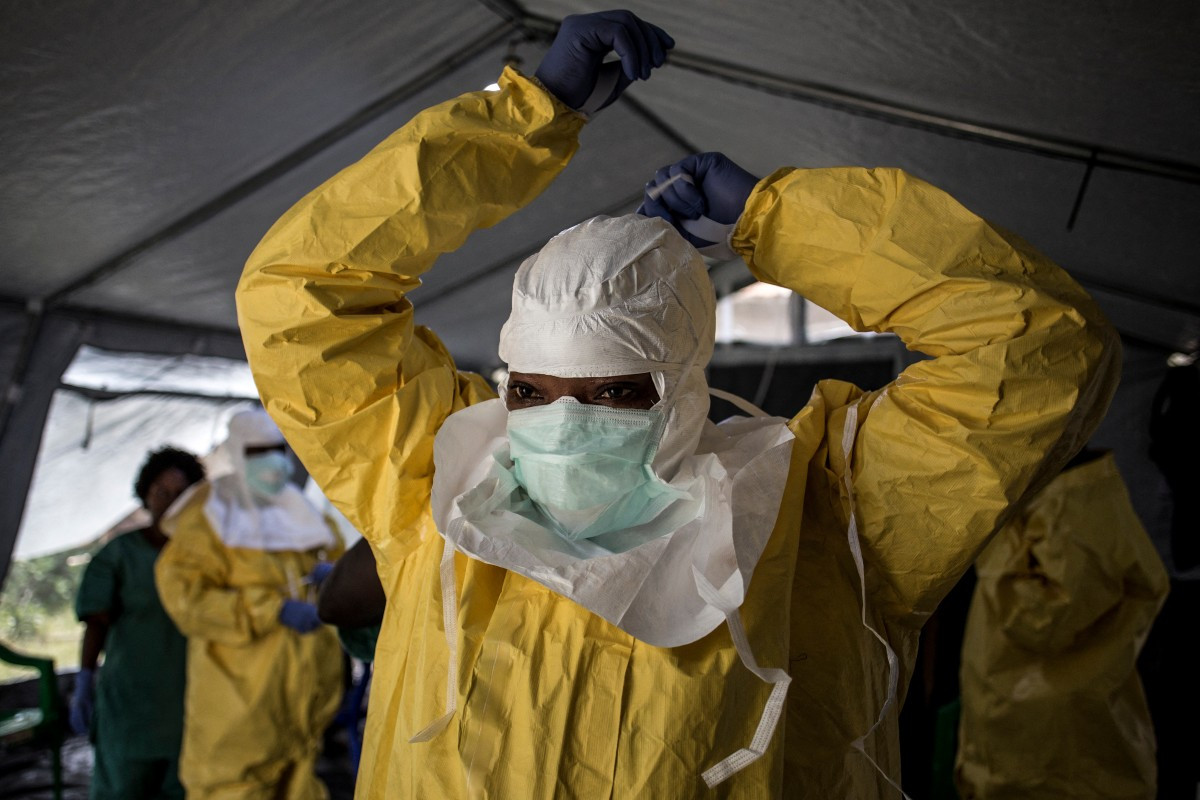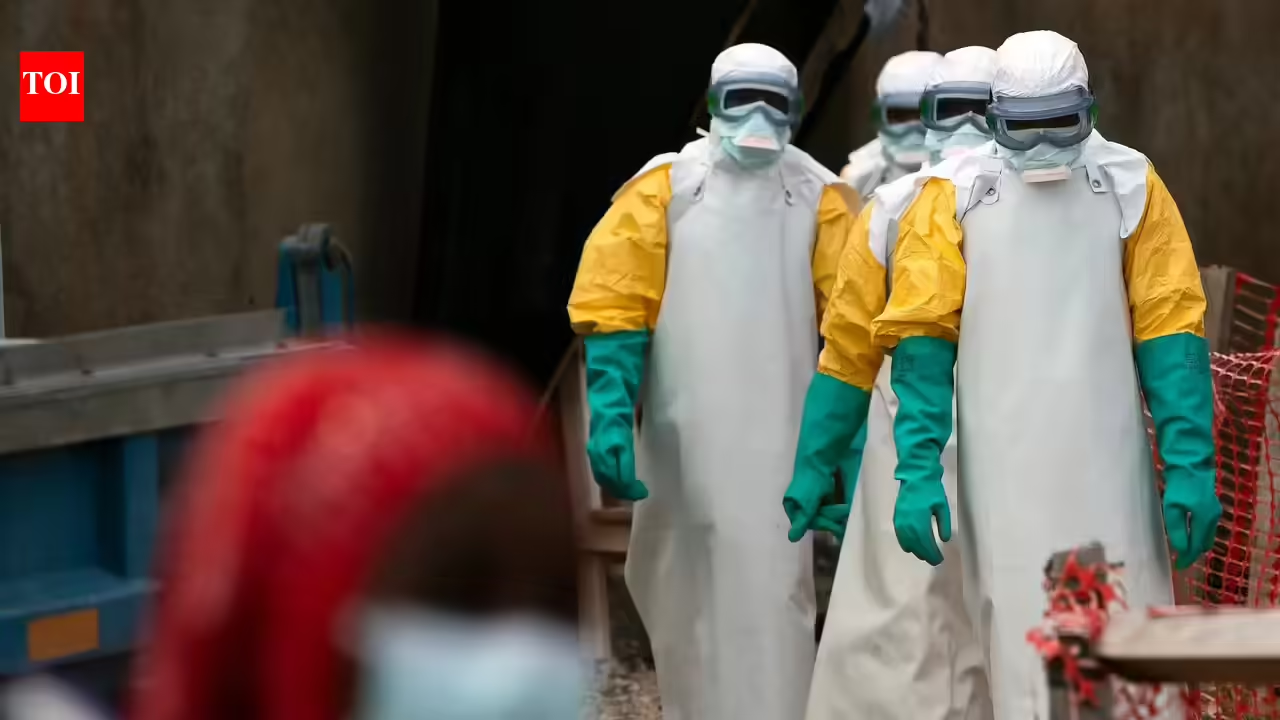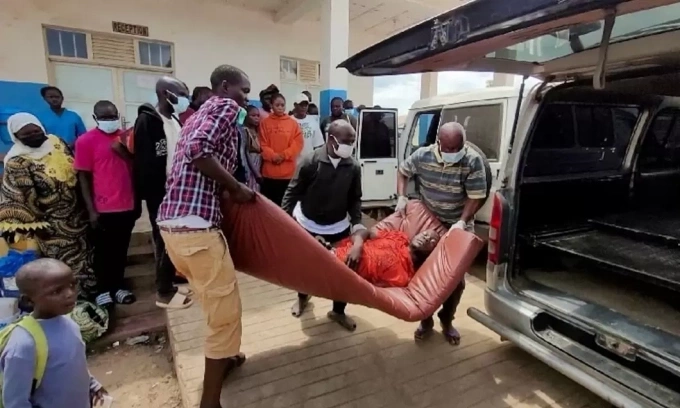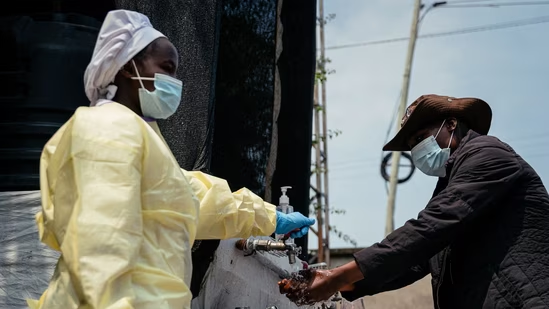
The World Health Organisation (WHO), on Sunday, declared the Ebola virus outbreak in the Democratic Republic of Congo and Uganda a public health emergency of international concern- its highest alarm. The Ebola outbreak in the Democratic Republic of Congo and Uganda has triggered panic waves due to its rare Bundibugyo strain (AFP)The UN health agency's declaration comes a day before it called an emergency meeting, which was meant to discover the “temporary recommendations” for the Bundibugyo strain, one of the least-studied variants of the disease.As per Director-General Dr Tedros Adhanom Ghebreyesus, such a “rare alignment” of events highlighted the urgency of the risks regarding the epidemic.Cases, deaths rise in DR Congo, Uganda On Monday, Health Minister of the Democratic Republic of Congo, Roger Kamba, said that over 500 cases and 131 deaths linked to the virus had been reported across the four health zones in Congo's northeastern Ituri province. The eastern city of Goma, which is controlled by Rwanda-backed M23 rebels, said that 189 contacts were currently being monitored for being linked to a suspected case. A US missionary-based doctor who tested positive for the same has been sent to Germany for treatment, reported Bloomberg. Meanwhile, Uganda has confirmed two cases and one death in Kampala. Furthermore, as part of austerity measures to curtail the spread of the disease, Uganda postponed its annual Martyrs' Day celebrations, which attracts up to 2 million attendees.WHO, Africa CDC raise alarmAs per Jean Kaseya, director general of the Africa Centres for Disease Control and Prevention, three potential vaccines and several treatments are being evaluated and prioritised to provide relief. “We’re pushing hard to accelerate GMP manufacturing,” he added, in reference to the pharmaceutical-grade production standards required before vaccines enter clinical testing. The outbreak being declared a public health emergency before the WHO could call a committee meeting emphasised the urgency of the situation, said Tedros. Addressing the World Health Assembly in Geneva, the WHO director-general added that the rare alignment of declaring an emergency before the agency's assessment did not come “lightly.”Funding constraintsPersonnel, equipment and emergency funding have been issued by the WHO to help curtail the spread, along with an additional $3.4 million from its emergency fund, Tedros. Meanwhile Africa's CDC has sent emergency-response specialists, activated a continental coordination system and gathered $2 million for containment efforts.However, health agencies are increasingly falling under funding pressures due to the gap remaining after securing 90% of the organisation's current two-year funding cycle. Since a lot of funds have currently been earmarked for specific programs, the group continues to face “pockets of poverty in many areas of our work”, said Tedros at the annual World Health Assembly.
WHO holds key meeting after declaring Ebola outbreak in DR Congo a public health emergency
The Bundibugyo strain is one of the least-studied variants of the Ebola virus; lack of vaccines and treatment knowledge sends panic waves across health sectors | World News
441 words~2 min read