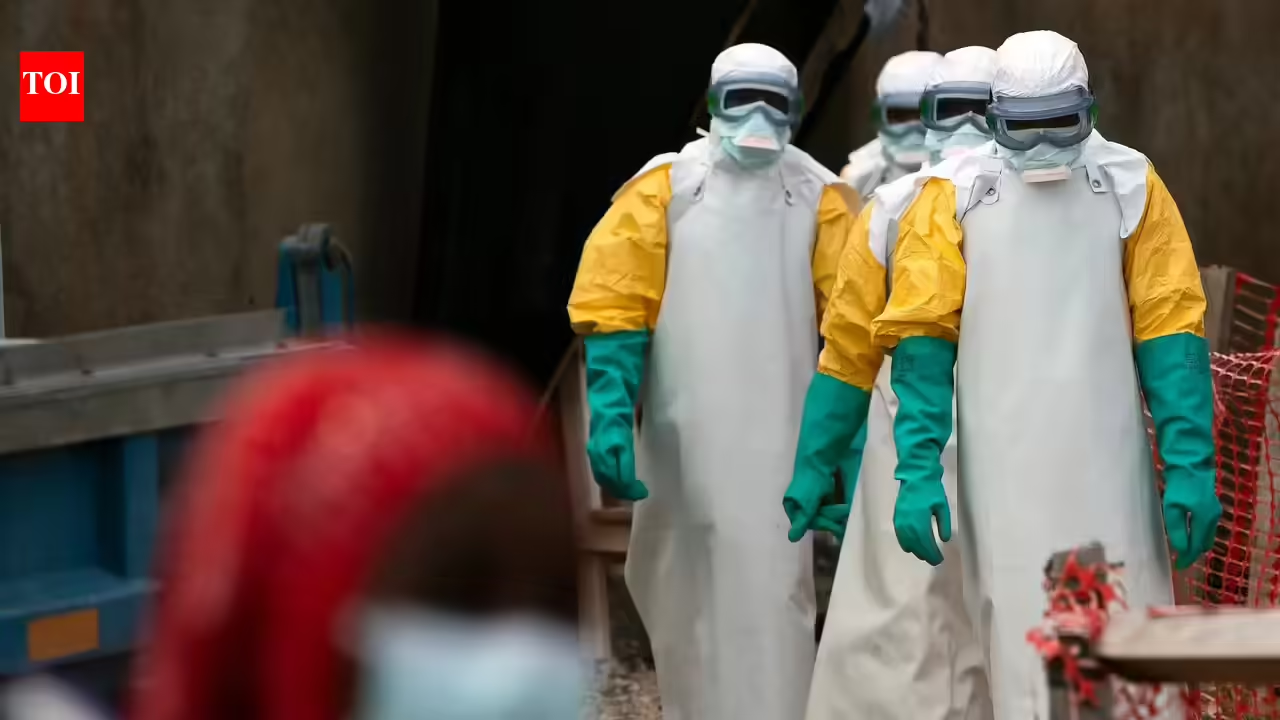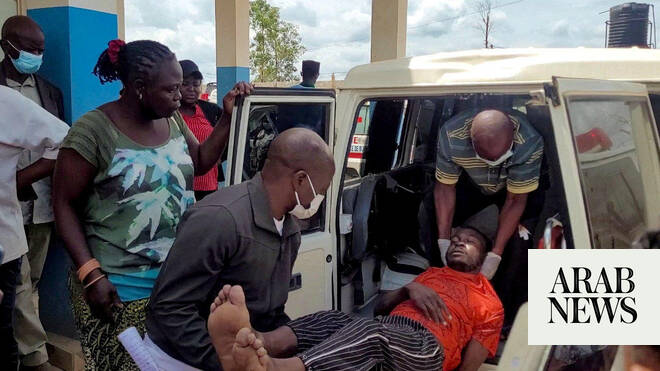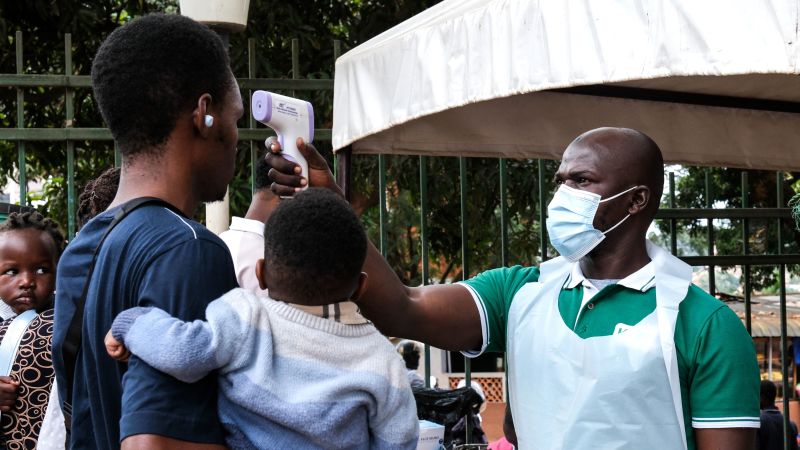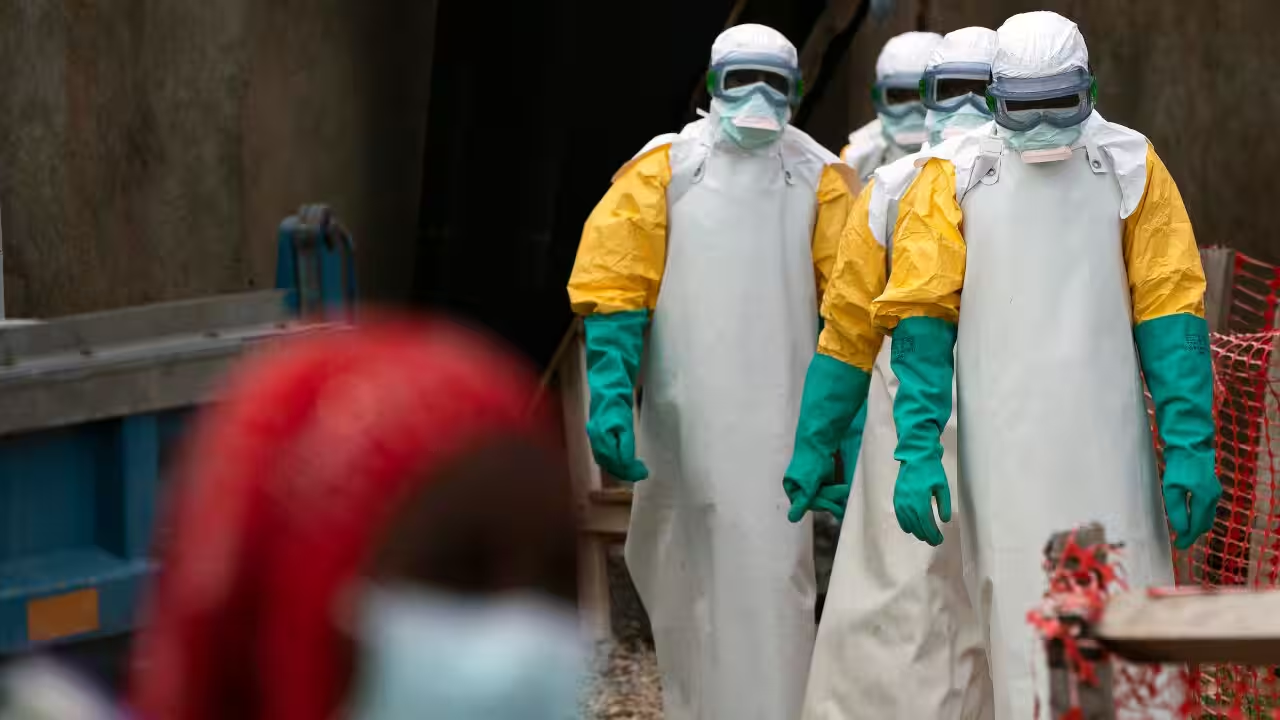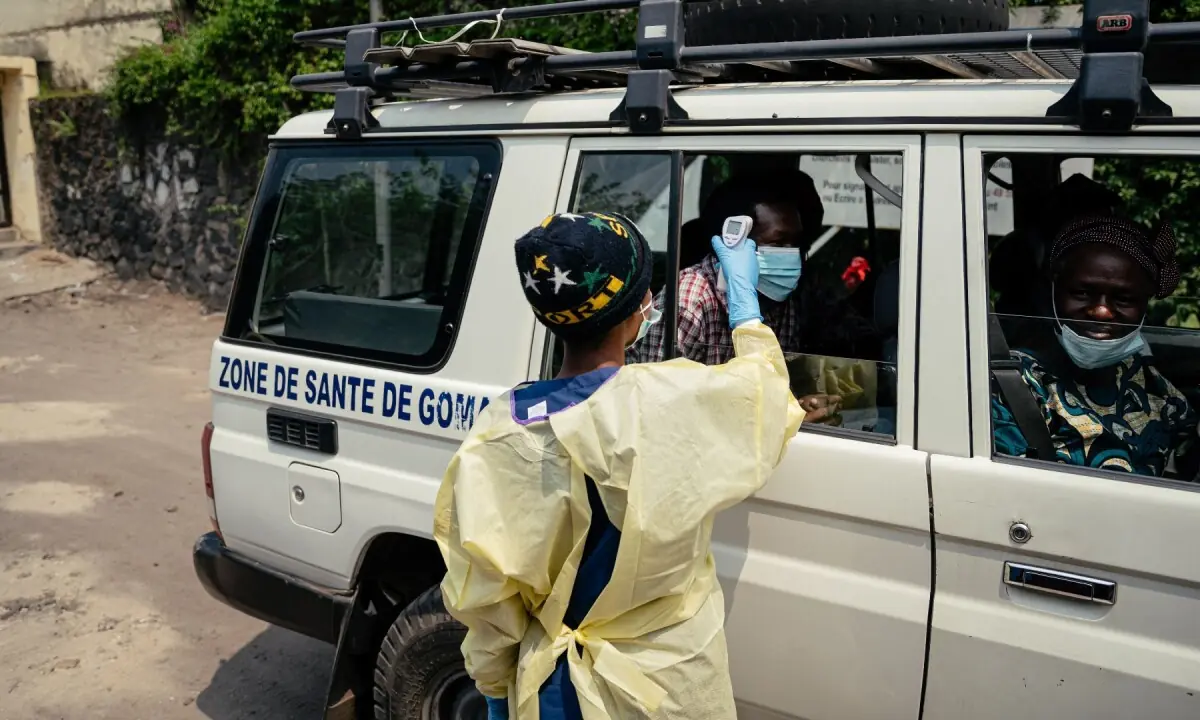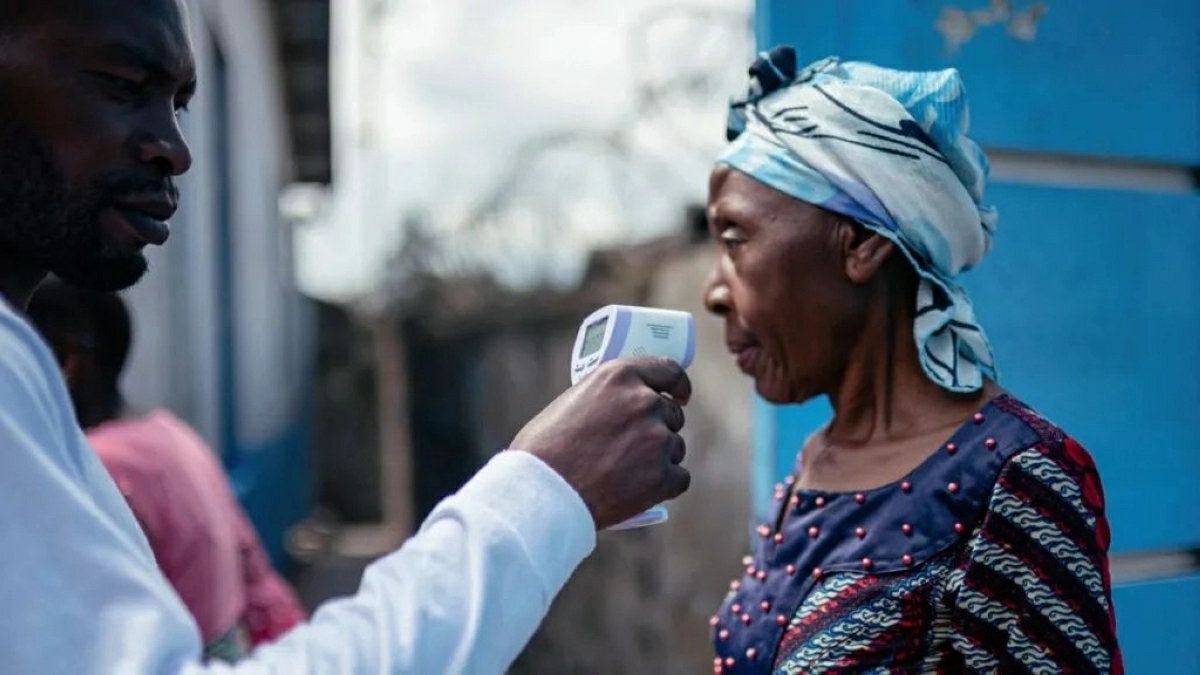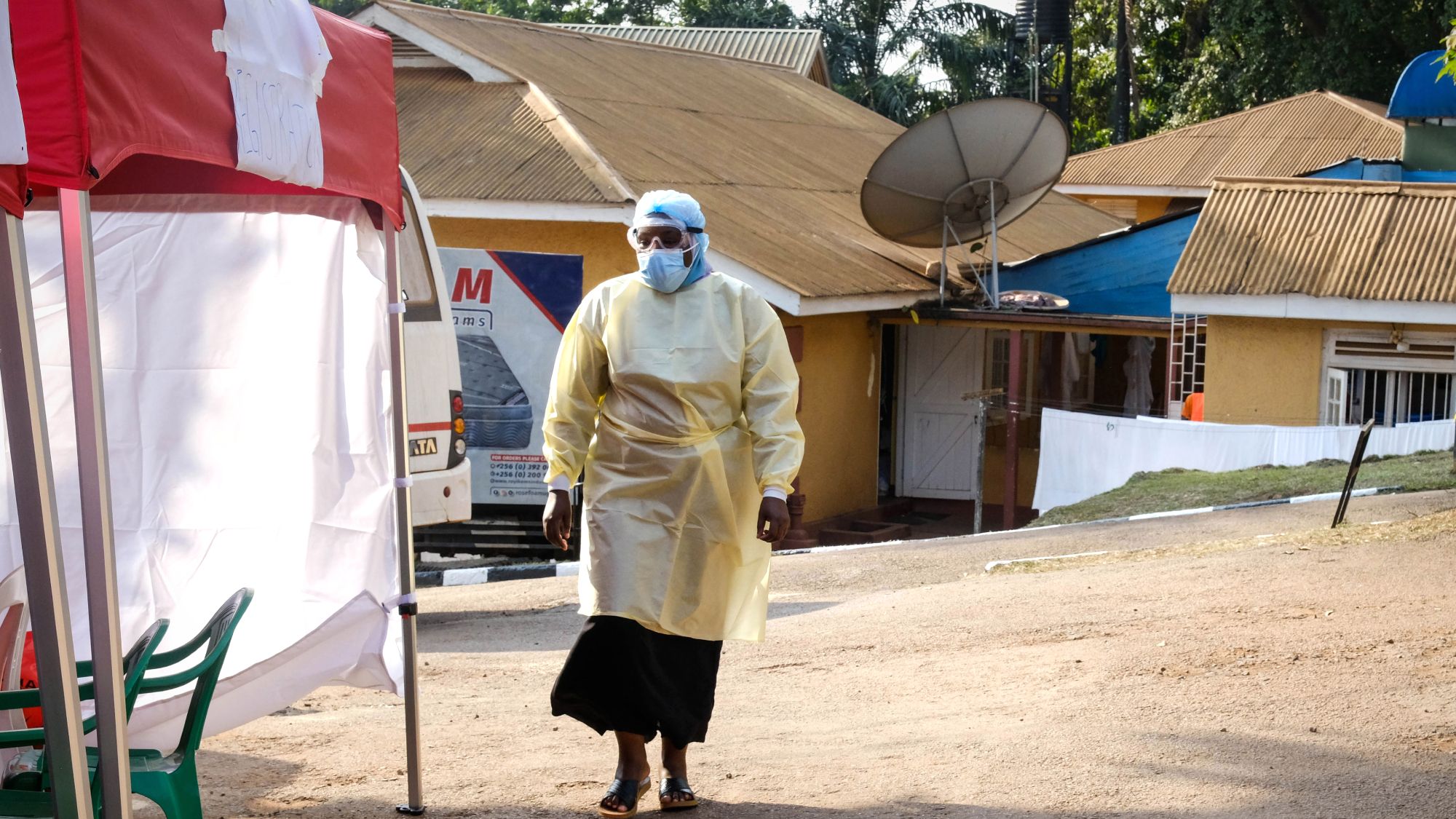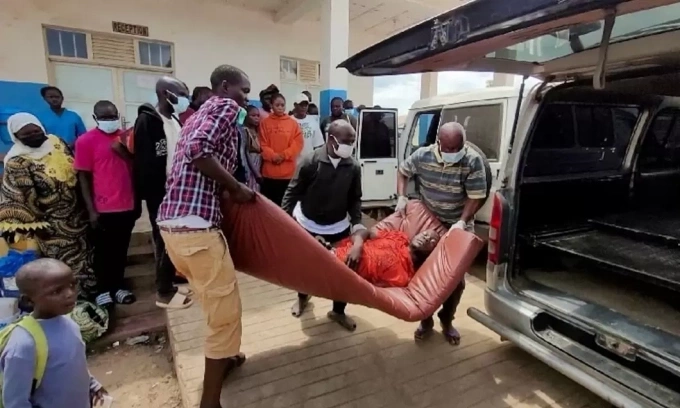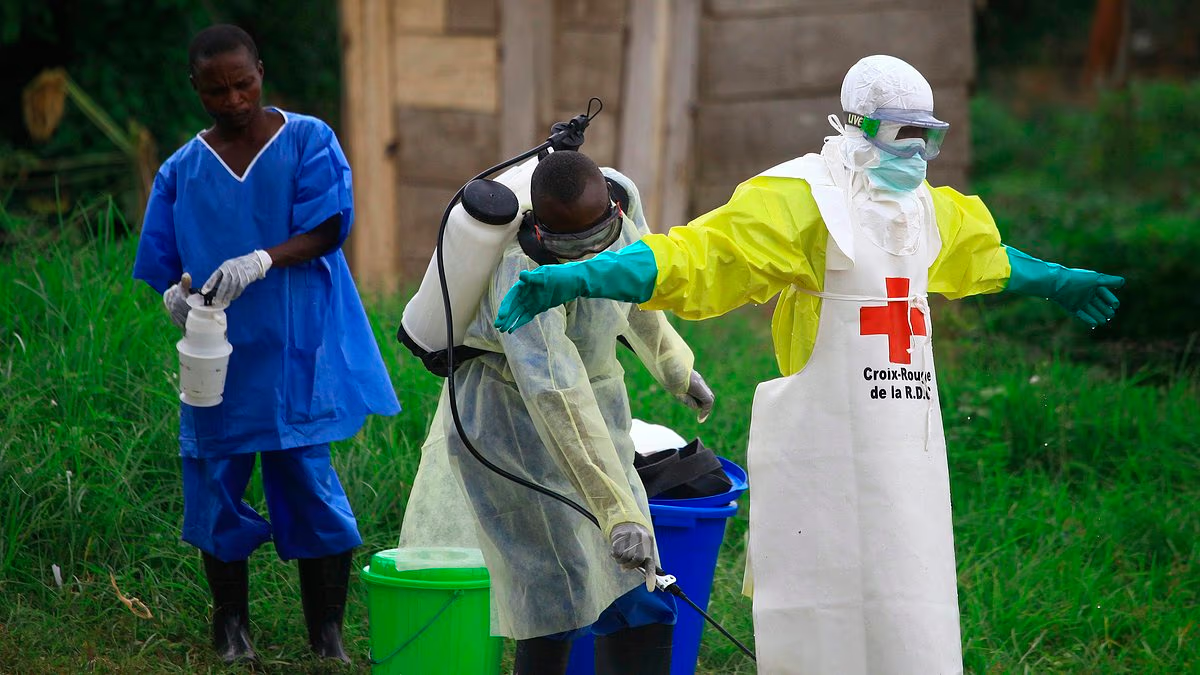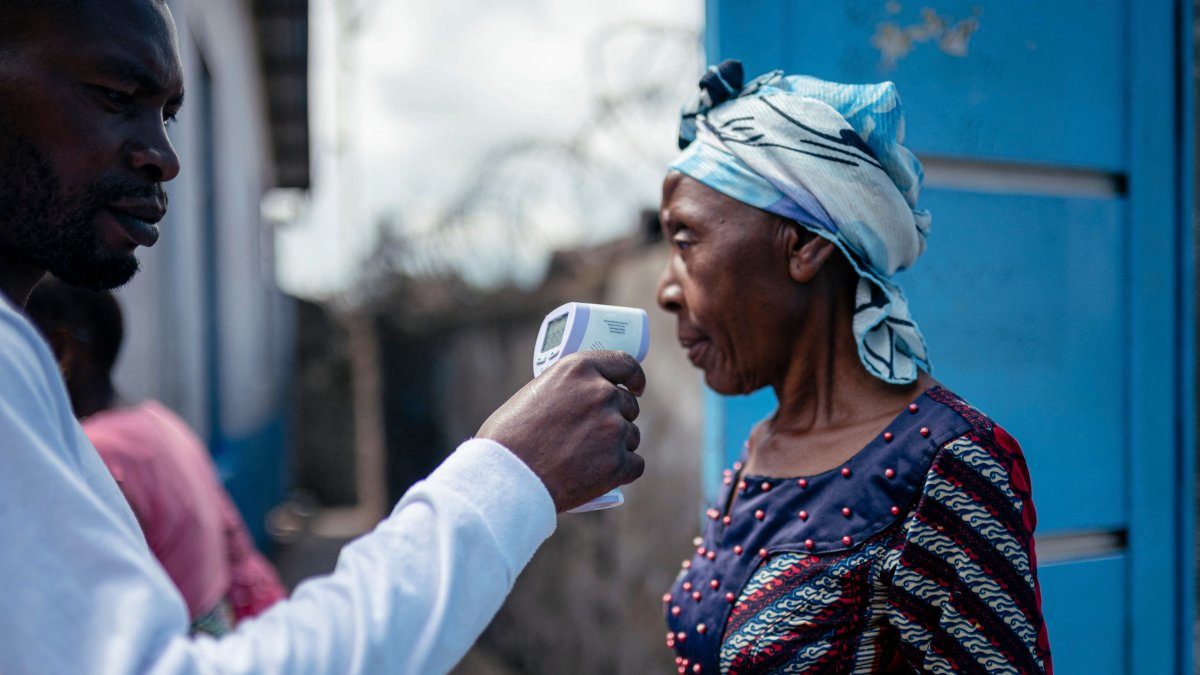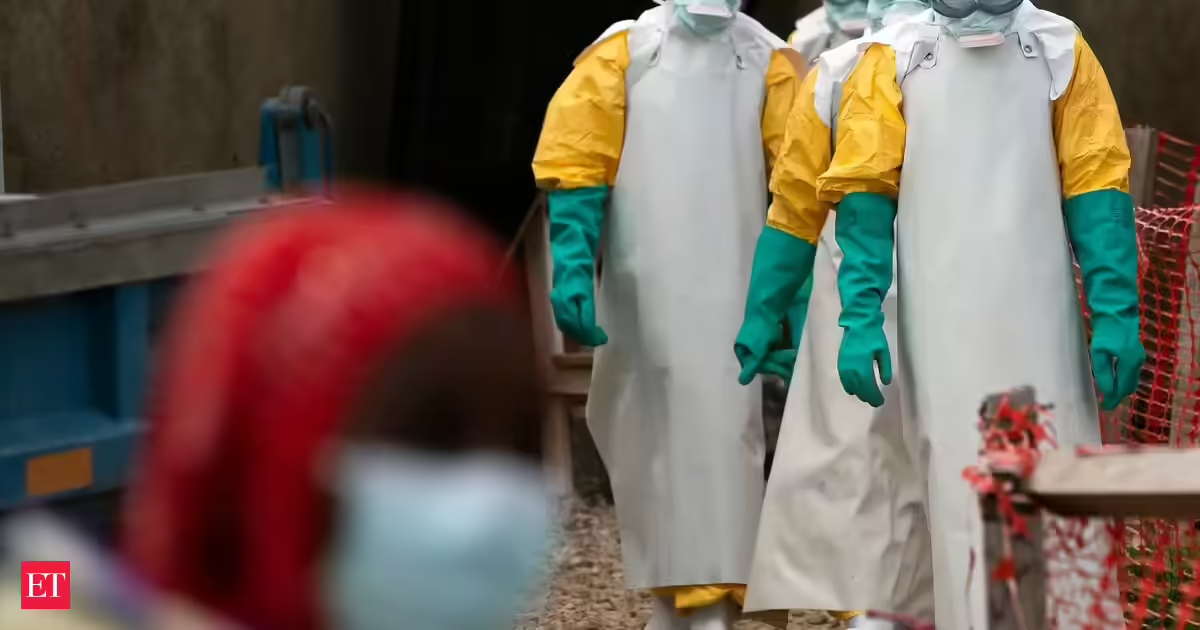
The World Health Organization (WHO) has formally declared the ongoing Ebola outbreak in the Democratic Republic of the Congo (DRC) and Uganda a public health emergency of international concern (PHEIC), the organization’s second-highest alert level under the International Health Regulations, amid rapid spread, cross-border transmission, and deepening public health risks.Origins of the outbreakThe current Ebola crisis was first reported in early May 2026 in the Ituri Province of northeastern DRC, a mineral-rich region near the borders of Uganda and South Sudan. Initial alerts came on May 5, when health officials were notified of a cluster of unexplained deaths and severe illness, including among healthcare workers. Subsequent laboratory testing confirmed the outbreak was caused by the Bundibugyo virus, a rare strain of Ebola distinct from the more common Zaire strain and for which no approved vaccine or specific antiviral treatment currently exists.The Bundibugyo virus (Bundibugyo virus disease or BVD) had been previously reported only twice, in 2007 and 2012, and is known to have fatality rates ranging from 30% to 50%.Scale and spread of the outbreakBy mid-May, hundreds of suspected cases and numerous fatalities were reported, prompting growing concern among global health authorities. In DRC’s Ituri Province, at least 246 suspected cases and 80 suspected deaths had been reported as of May 15, with eight laboratory-confirmed infections.The virus has been detected in multiple health zones including Mongbwalu, Rwampara, and Bunia, and unusual clusters of deaths consistent with Ebola symptoms have occurred across broader areas.Uganda has confirmed two imported cases, including at least one death, in its capital Kampala, further underscoring the risk of cross-border transmission.Beyond these figures, Reuters has reported over 300 suspected cases and more than 100 fatalities as the outbreak evolves, with possible under-detection due to testing limitations and complex conditions on the ground.Why WHO declared an International EmergencyThe WHO decision to declare this outbreak a Public Health Emergency of International Concern was based on several key factors. Cross-border transmission has confirmed cases in Uganda affecting people without linked epidemiological contacts pointing to wider regional spread. There is a significantly rapid rise in suspected cases and deaths over a short period, highlighting the logistical and public health challenges.There are also currently no approved vaccines or targeted therapeutics for the Bundibugyo strain, making the outbreak harder to control than strains for which tools exist.Despite these concerns, the WHO has clarified that the situation does not meet the criteria for a pandemic emergency, the highest alert level, but that the regional and international risk nonetheless justifies urgent global coordination and response.Public health response and recommendationsIn its emergency declaration, WHO laid out strategic recommendations for affected and at-risk countries to:Activate emergency management and surveillance systemsEnhance cross-border screening and contact tracingStrengthen infection prevention and control in healthcare facilitiesEstablish safe isolation and treatment centersEngage communities in risk communication and safe burial practicesAuthorities have also advised against closing borders and imposing broad travel restrictions, noting that such measures can drive movement into unmonitored channels and hinder outbreak response efforts.Humanitarian and regional statusThe outbreak is unfolding in eastern DRC against a backdrop of longstanding conflict, displacement, and humanitarian instability, particularly in Ituri province. Ongoing violence, high population movement, and under-resourced health systems complicate efforts to identify cases, ensure safe treatment, and contain spread.Public fear and misinformation have also surfaced. Residents report increasing numbers of deaths and community alarm, while international groups are deploying medical support and opening additional treatment centers to manage severe cases.Ebola virus disease was first identified in 1976 in the DRC near the Ebola River and has since caused multiple outbreaks across central and western Africa. The DRC has experienced repeated Ebola events, making it one of the most affected countries in the world.The most severe epidemic in recent memory was the 2018–2020 Kivu outbreak, involving the Zaire strain, which resulted in thousands of cases and over 1,350 deaths.The current Bundibugyo outbreak, while rarer, poses distinct challenges precisely because there are no already-approved vaccines or treatments tailored to this strain.
Ebola outbreak, but no vaccine; WHO declares international emergency over rare strain spread
The World Health Organization has declared an international health emergency for the Ebola outbreak in the Democratic Republic of Congo and Uganda. This rare Bundibugyo virus strain is spreading rapidly across borders. There are no approved vaccines or treatments for this specific strain. Health authorities are urging enhanced surveillance and community engagement to control the escalating crisis.
657 words~3 min read